I was standing in my kitchen, eyes glued to the recipe book, when the smoke alarm screamed its eternal warning. A pot of curry had gone from simmering to bubbling over, sending a plume of fragrant steam into the ceiling. I had almost blamed the stove, but the real culprit was my own impatience. I wanted a quick, exotic dish, and I thought, “Why not try Balinese fish curry?” I was about to give up when the aroma hit me—spices dancing, citrus tang, and that unmistakable hint of coconut.
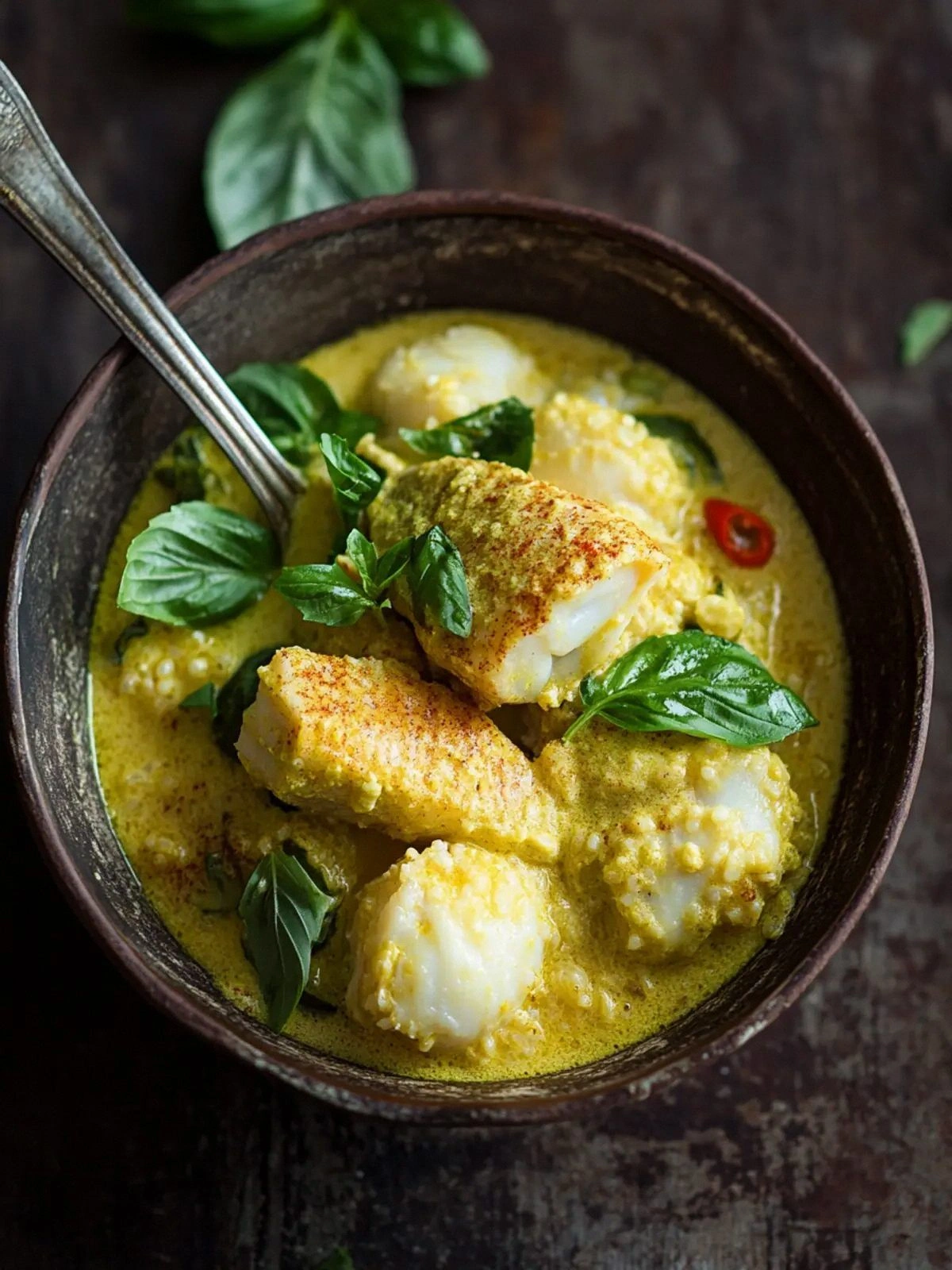
Picture this: the deep amber of fresh turmeric swirling into a golden broth, the bright snap of kaffir lime leaves releasing their citrusy perfume, and the subtle crunch of crispy shallots perched like golden confetti on top. The sizzling sound of garlic and shallot in coconut oil feels like a drumbeat in a tropical rainforest. Your taste buds are invited to a carnival of flavors—sweetness from the coconut milk, heat from jalapeño, and a zesty punch from lime juice that cuts through the richness. The texture is a delightful contrast: tender baby potatoes, crisp veggies, and flaky fish that practically melts in your mouth.
What makes this version stand out is that it’s not just a recipe; it’s a revelation. I’ve spent years experimenting with Southeast Asian curries, and this one is the holy grail of balance. The sauce coats the fish like velvet, while the vegetables maintain their bite, creating a dance of textures that keeps you guessing with every bite. It’s simple enough to pull off on a weekday, yet sophisticated enough to impress at a dinner party. The result? A dish that feels like a vacation without leaving your kitchen.
And here’s the kicker—you’ll find an unexpected twist that elevates the entire experience: a splash of fresh lime juice at the very end. I dare you to taste this and not go back for seconds. The final zing brightens everything, making it feel fresh and alive. Let me walk you through every single step—by the end, you’ll wonder how you ever made it any other way.
What Makes This Version Stand Out
- Flavor: The blend of turmeric, ginger, and lemongrass creates a warm, aromatic base that’s unmistakably Balinese.
- Heat: Jalapeño adds a controlled kick, giving the curry a lively warmth without overwhelming the delicate fish.
- Texture: Baby potatoes and mixed vegetables hold their shape, providing a satisfying bite against the silky sauce.
- Freshness: A final squeeze of lime juice brings brightness, preventing the dish from feeling heavy.
- Authenticity: Using fresh kaffir lime leaves and coconut milk honors traditional Balinese cooking techniques.
- Versatility: It’s easy to swap the fish or vegetables, making it adaptable to whatever you have on hand.
- Make‑ahead: The flavors deepen when you let it sit, so you can prep ahead and reheat for a quick weeknight dinner.
- Presentation: The vibrant green herbs and crispy shallots add a pop of color that makes the dish Instagram‑worthy.
Inside the Ingredient List
The Flavor Base
Ginger: Fresh ginger adds a peppery bite that lifts the entire sauce. It’s the cornerstone of the flavor profile—without it, the curry feels flat. If you can’t find fresh ginger, a tablespoon of ginger paste will suffice, but the aroma won’t be as vibrant.
Shallot: Shallots bring a subtle sweetness that balances the heat from jalapeño. Their mild flavor is essential for a mellow base. If you’re out of shallots, use a small onion, but be mindful of the stronger taste.
Fresh Turmeric: Turmeric’s earthy, slightly bitter notes give the curry its signature golden hue. It also offers anti‑inflammatory benefits that are a bonus. If fresh turmeric is unavailable, a teaspoon of ground turmeric works, but the color will be less vibrant.
The Texture Crew
Baby Potatoes: They absorb the sauce while keeping their firmness, adding a comforting bite. Potatoes also act as a natural thickener, giving the curry body. If you prefer a lighter dish, replace them with diced sweet potatoes for a subtle sweetness.
Mixed Vegetables: A medley of carrots, bell peppers, and peas offers color, crunch, and nutrition. They soften just enough to meld with the sauce without losing their shape. Feel free to swap in any seasonal veggies you love.
Crispy Shallots: These are the crunchy garnish that adds texture and a caramelized flavor. They’re also a great way to repurpose leftover shallots. If you can’t find them pre‑made, lightly fry thinly sliced shallots until golden.
The Unexpected Star
Lemongrass: Lemongrass infuses a bright citrus note that’s unmistakably Southeast Asian. It’s the unsung hero that brings the dish together. If you can’t find fresh lemongrass, use a tablespoon of lemongrass paste, but the aroma will be less pronounced.
Kaffir Lime Leaves: These leaves give a subtle, almost floral citrus flavor that’s essential for authenticity. They’re also a visual treat, adding green specks throughout the curry. If you’re out of fresh leaves, dried ones work, but rehydrate them in hot water before adding.
The Final Flourish
Fresh Herbs: A handful of cilantro, basil, or mint adds a burst of freshness that cuts through the richness. They also bring a pop of color that makes the dish visually appealing. If you’re allergic to cilantro, parsley or Thai basil are excellent alternatives.
Lime Wedge: The lime wedge is more than garnish; it’s a tool for personalizing the tartness of each bite. Squeeze it into the pot just before serving for maximum brightness. If you’re not a fan of lime, a splash of lemon juice can serve as a substitute.
Everything's prepped? Good. Let's get into the real action.
The Method — Step by Step
- Prepare the spice paste: In a blender or food processor, combine ginger, shallot, turmeric, garlic, jalapeño, lemongrass, and a splash of water. Pulse until you get a smooth paste, but leave a few tiny bits for texture. This paste forms the aromatic backbone of the curry. Keep it aside while you work on the rest.
- Heat the coconut oil: Place a large, heavy‑bottomed pot over medium heat. Add the coconut oil and let it melt completely. Once the oil shimmers, add the spice paste. Sauté for 2–3 minutes until the mixture turns fragrant and the raw smell of the spices disappears. The aroma should be intoxicating—like a tropical sunrise.
- Introduce the liquid: Pour in the water and coconut milk, stirring to combine with the paste. Bring the mixture to a gentle boil, then reduce heat to low. The sauce should start to thicken slightly, forming a creamy base that coats the back of a spoon.
- Add the potatoes and vegetables: Toss in the baby potatoes, mixed vegetables, and kaffir lime leaves. Stir gently to coat everything in the sauce. Cover the pot and let it simmer for 10 minutes, or until the potatoes are just tender. The vegetables should retain a slight crunch.
- Season the curry: Stir in the fish sauce, salt, and lime juice. Taste and adjust the seasoning—more fish sauce for umami, more lime for brightness. The balance of salty and acidic will define the final flavor profile.
- Introduce the fish: Gently slide the white fish pieces into the pot. Turn the heat down to low and cover again. Let the fish cook for 6–8 minutes, or until it flakes easily with a fork. Watch the edges; they should start pulling away but still be tender.
- Finish with fresh herbs: Remove the pot from heat. Sprinkle the fresh herbs and a handful of crispy shallots over the curry. Let the residual heat wilt the herbs slightly, releasing their aroma.
- Plate and serve: Serve the curry over steaming rice or your choice of whole grain. Garnish with a lime wedge and a few extra herbs for a pop of color. The final dish should feel like a tropical breeze, with every element in harmony.
That’s it—you did it. But hold on, I've got a few more tricks that'll take this to another level. These insider tips will help you master the art of Balinese fish curry.
Insider Tricks for Flawless Results
The Temperature Rule Nobody Follows
Why it matters: Cooking the curry at the right temperature ensures the sauce stays silky without separating. A gentle simmer keeps the coconut milk from curdling. If you’re using a gas stove, let the flame stay low; on a microwave, use the “medium” setting. I once tried a high flame and the sauce split—total disaster.
Why Your Nose Knows Best
Use scent as a cue: The moment the aromatic paste hits the oil, your nose should feel a burst of tropical spices. If it smells flat, you’re missing a key ingredient or the paste isn’t fully cooked. Trust your nose; it’s your best judge of flavor depth.
The 5-Minute Rest That Changes Everything
Resting the curry: Once you’ve added the fish, let the pot sit covered for an extra five minutes off the heat. This allows the flavors to marry and the fish to finish cooking gently. The result is a more cohesive dish with a subtle depth that you won’t find if you serve immediately.
Fresh Herbs vs. Dried
Why it matters: Fresh herbs release bright, vibrant flavors, while dried herbs offer a more concentrated, earthy taste. If you’re short on fresh herbs, a teaspoon of dried cilantro or basil will still add depth. Just remember to rehydrate dried herbs in a tablespoon of warm water for a minute before adding.
Reheating Like a Pro
How to reheat: To reheat leftovers, add a splash of water or coconut milk to the pot and warm over low heat. This prevents the sauce from drying out and keeps the fish tender. I’ve stored this curry in the fridge for three days, and reheating it with a little water brings it back to life.
Creative Twists and Variations
This recipe is a playground. Here are some of my favorite ways to switch things up:
Spicy Shrimp Surprise
Swap the fish: Use shrimp instead of white fish for a quicker cook time. Shrimp will cook in just 3–4 minutes, giving you a light, protein‑rich option. The shrimp’s natural sweetness complements the spicy coconut sauce.
Vegetarian Coconut Delight
Make it meatless: Replace the fish with firm tofu or tempeh. Marinate the tofu in fish sauce and lime juice before adding to the curry. The tofu absorbs the sauce beautifully, offering a hearty vegetarian option.
Sweet Potato & Pea Fusion
Swap veggies: Use sweet potatoes and peas instead of baby potatoes and mixed veggies. The sweetness of the potatoes balances the heat, while peas add a pop of color and crunch. This version feels like a cozy winter dinner.
Mango Mango Twist
Add fruit: Dice ripe mango and fold it into the curry after the fish has cooked. The mango’s juiciness and sweetness create a tropical flavor profile that’s almost dessert‑like. Pair it with a side of coconut rice for a complete meal.
Sriracha Kick
Increase heat: Add a tablespoon of sriracha to the spice paste. The result is a fiery, smoky flavor that pairs wonderfully with the coconut milk. Be sure to taste as you go; sriracha can quickly overpower the delicate balance.
Storing and Bringing It Back to Life
Fridge Storage
How to store: Transfer the curry to an airtight container and refrigerate for up to 3 days. Keep the rice separate to maintain its texture. The flavors will meld even further, making each bite better than the last.
Freezer Friendly
Freezing tips: Portion the curry into individual servings and freeze for up to 2 months. Thaw overnight in the fridge before reheating. Avoid freezing the rice; it becomes mushy once thawed.
Best Reheating Method
Reheat properly: Place the curry in a saucepan over low heat, adding a splash of water or coconut milk. Stir until warmed through, ensuring the sauce stays smooth. A quick microwave session works, but be sure to stir halfway to prevent uneven heating.