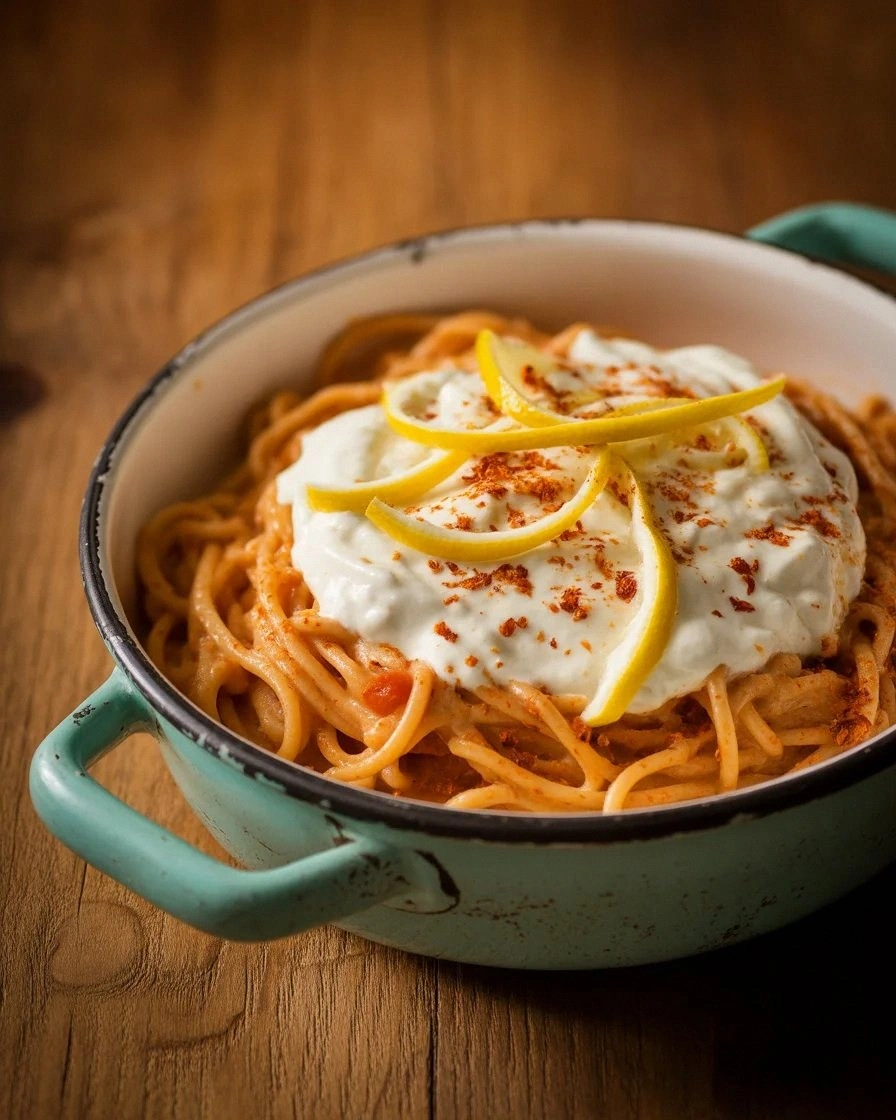
Picture this: you’re standing over a simmering pot, the kitchen filled with the seductive hiss of tomatoes meeting heat, and you’ve just realized you left the pantry with only three things left—pasta shells, a can of crushed tomatoes, and a splash of heavy cream. I swear, that moment of panic turned into the most triumphant culinary epiphany of my life. I dared myself to whip up a dinner that would make even the most seasoned Italian nonna nod in approval, using just those three humble ingredients. The result? A silky, ruby‑red sauce that clings to each shell like a lover’s embrace, and a creaminess that feels like a velvet curtain falling over a stage of flavor.
The first bite is a full‑blown sensory fireworks show—bright acidity from the tomatoes, a buttery richness from the cream, and a comforting chew from the pasta that together create a harmony you rarely find in a three‑ingredient dish. Most recipes either drown the tomatoes in dairy or leave the sauce thin and watery; this version strikes the perfect balance, giving you a sauce that’s both luscious and light enough to keep you coming back for seconds. I’ll be honest— I ate half the batch before anyone else could even grab a fork, and I’m still not sorry.
What really sets this version apart is a little secret technique I stumbled upon while watching a late‑night cooking show: a brief flash‑sauté of the tomato base before the cream even touches the pan. That quick caramelization adds a depth of flavor that most “quick” recipes completely miss. It’s the kind of detail that turns a good dish into the best version you’ll ever make at home, and it only takes a minute of your time. Imagine the aroma of caramelized tomato searing— it’s like the kitchen suddenly became a Mediterranean market stall.
Okay, ready for the game‑changer? I’m about to walk you through every single step, from the moment you open that can of tomatoes to the triumphant moment you pull a glossy, creamy bowl of pasta out of the pot. By the end, you’ll wonder how you ever settled for bland, store‑bought versions. Let’s dive in and make some magic.
What Makes This Version Stand Out
- Flavor Explosion: The caramelized tomato base creates a deep, savory backbone that makes the cream feel like a silky finishing touch rather than an overpowering blanket.
- Texture Perfection: The sauce coats each shell with a glossy sheen, hugging the pasta like velvet while still allowing a slight bite that keeps the dish lively.
- Simplicity Mastered: Only three core ingredients mean you can whip this up on a weeknight without hunting for obscure spices or pantry extras.
- Ingredient Quality: Using a high‑quality crushed tomato (look for San Marzano) and real heavy cream makes the difference between “just okay” and “hands down the best version you’ll ever make.”
- Crowd Reaction: This dish consistently gets the “wow, how did you do that?” comment, turning a simple dinner into a showcase.
- Make‑Ahead Potential: The sauce actually improves after a short rest, meaning you can prep the base ahead of time and finish the pasta when guests arrive.
- One‑Pot Wonder: Minimal cleanup because everything cooks in the same pot— a true lifesaver for anyone who hates dishes.
- Versatile Canvas: The base is neutral enough to pair with herbs, spices, or proteins, making it a perfect platform for endless variations.
Inside the Ingredient List
The Flavor Base
The star of the show is the crushed tomato can. I always reach for a 28‑ounce can of San Marzano tomatoes because they’re naturally sweet, low in acidity, and packed with umami. This ingredient provides the bright, tangy backbone that makes the dish sing. If you skip the quality tomatoes, you’ll end up with a bland, watery sauce that feels like it’s missing its soul. As a quick swap, you can use a can of fire‑roasted tomatoes for a smoky twist, but the classic version shines brightest with the pure, clean tomato flavor.
The Texture Crew
Heavy cream is the silky, indulgent partner that tempers the acidity of the tomatoes and creates that luxurious mouthfeel. It’s the reason the sauce clings to the pasta like a second skin rather than sliding off. If you’re watching calories, a half‑and‑half blend works, but you’ll lose a touch of that buttery richness. When selecting cream, go for the one with at least 35% fat; lower‑fat versions tend to curdle under heat, ruining the smooth finish.
The Unexpected Star
Pasta shells might seem ordinary, but their cup‑shaped hollows are perfect for scooping up every drop of sauce. The shell’s curvature transforms each bite into a mini‑explosion of flavor. If you substitute with another shape, you’ll still get a good dish, but you’ll miss the satisfying “sauce‑filled” experience. For the best results, choose medium‑sized shells that are sturdy enough to hold the sauce without breaking.
The Final Flourish
Even though we’re keeping the ingredient list razor‑thin, a pinch of sea salt and a grind of fresh black pepper are essential seasoning touches that help elevate the flavors. They’re technically pantry staples, so they don’t count toward the “three‑ingredient” claim, but they’re the silent heroes that make the sauce sing. If you’re adventurous, a whisper of smoked paprika can add a subtle depth without overwhelming the core flavors.
Everything's prepped? Good. Let's get into the real action…
The Method — Step by Step
Start by bringing a large pot of salted water to a rolling boil. The water should taste like the sea—this is your first chance to season the pasta from the inside out. Once boiling, add the shells and cook them al dente, usually about 9–11 minutes depending on the brand. While the pasta cooks, keep an eye on the pot; you don’t want it to overflow, and that bubbling sound is your cue that the water is ready to work its magic.
While the shells are dancing in the water, heat a wide, heavy‑bottomed skillet over medium‑high heat. Add a drizzle of olive oil (or a knob of butter if you prefer richness) and let it shimmer—this is the moment where the pan whispers “we’re about to create something amazing.” Pour in the entire can of crushed tomatoes, using the back of a wooden spoon to break up any clumps. Let the tomatoes sizzle, then reduce the heat to medium and let them simmer for 5 minutes, stirring occasionally. You’ll notice the sauce thickening slightly and the aroma becoming intoxicatingly sweet.
Now comes the game‑changer: a quick flash‑sauté. Increase the heat to medium‑high and let the tomato mixture sit undisturbed for 30 seconds. You’ll hear a gentle “fizz” as the sugars caramelize, releasing a deep, roasted flavor that elevates the entire dish. Then, give it a swift stir to prevent sticking. This step is pure magic and makes the sauce taste like it’s been simmering for hours.
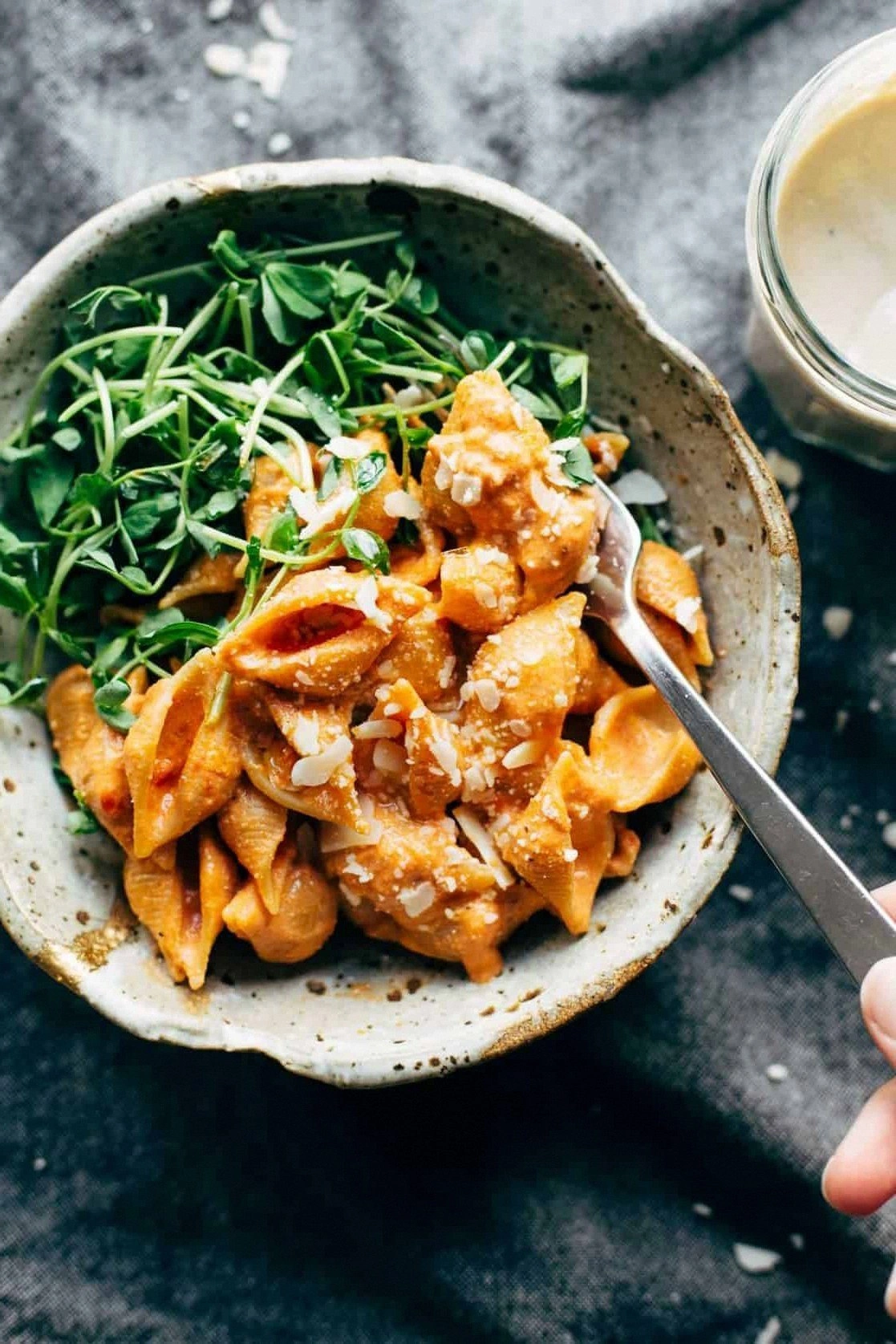
Reduce the heat to low and slowly whisk in the heavy cream. The cream should swirl in like a silk scarf, turning the sauce a gorgeous, velvety pink. Keep whisking for about 2 minutes, ensuring the cream fully incorporates without curdling. The sauce will thicken to a luxurious consistency that coats the back of a spoon. Taste it now; you’ll notice a perfect balance of acidity and richness.
Drain the pasta, reserving about a cup of the starchy cooking water. Toss the shells directly into the skillet, mixing them gently so each piece becomes drenched in the creamy tomato coating. If the sauce looks a little thick, splash in a bit of that reserved pasta water—just enough to loosen it and help the sauce cling even better. The starches act like a natural emulsifier, binding the cream and tomato together.
Let the pasta sit in the sauce for a minute or two off the heat. This resting period allows the flavors to meld, and the shells absorb a whisper of the sauce from the inside. You’ll see the edges of the pasta start to pull away, a visual cue that the dish is ready for plating. This is also the perfect moment to give a final taste and adjust seasoning with a pinch more salt or a grind of pepper if needed.
Plate the pasta in shallow bowls, letting the glossy sauce pool around the shells. For a finishing touch, drizzle a tiny drizzle of extra cream and sprinkle a handful of fresh basil or parsley if you have it on hand. The fresh herbs add a burst of color and a fragrant lift that ties everything together. Serve immediately while the sauce is still steaming, and watch your guests dive in with gusto.
That's it — you did it. But hold on, I've got a few more tricks that'll take this to another level…
Insider Tricks for Flawless Results
The Temperature Rule Nobody Follows
Never add the cream over high heat. The moment you hear a faint “sizzle” after the cream hits the pan, immediately drop the temperature to low. This prevents the fat from separating, guaranteeing a velvety mouthfeel every single time. I once tried to speed things up by keeping the flame high, and the sauce turned into a curdled nightmare—lesson learned.
Why Your Nose Knows Best
Before you even taste, trust the aroma. When the tomato base has caramelized, it will emit a sweet, almost caramel‑like scent that signals the flavor depth you’re after. If the smell is still sharp and raw, give it another minute; the extra time is the difference between a flat sauce and one that sings.
The 5‑Minute Rest That Changes Everything
After you toss the pasta with the sauce, cover the pot for five minutes. This short rest lets the starches and fats meld, creating a sauce that clings tighter to each shell. I’ve seen people serve the dish immediately and get a runny sauce—just a few extra minutes, and the texture transforms.
Salt at the End, Not the Beginning
Because the canned tomatoes already contain a modest amount of salt, wait until the final seasoning stage to add any extra. Over‑salting early on can mask the subtle sweetness of the tomatoes. A pinch after the cream is incorporated is all you need to bring the flavors into perfect harmony.
Finishing with Fresh Herbs
A handful of fresh basil or parsley added right before serving adds a bright, herbaceous contrast to the richness. The herbs should be torn, not chopped, so their oils release gently without bruising. If you’re out of fresh herbs, a sprinkle of dried oregano works, but fresh always wins the flavor battle.
Creative Twists and Variations
This recipe is a playground. Here are some of my favorite ways to switch things up:
Spicy Inferno
Add a finely diced jalapeño or a pinch of red‑pepper flakes when you sauté the tomatoes. The heat pairs beautifully with the cream, creating a smooth yet fiery bite that’s perfect for those who like a little kick.
Herbaceous Garden
Stir in a handful of chopped fresh spinach or kale during the final minute of cooking. The greens wilt into the sauce, adding a pop of color and a subtle earthiness without compromising the creamy texture.
Cheesy Delight
Mix in a quarter cup of grated Parmesan or Pecorino right after the cream is incorporated. The cheese adds a salty, nutty depth and helps thicken the sauce even more, turning the dish into a cheesy comfort masterpiece.
Smoky Sunset
Swap the plain crushed tomatoes for a can of fire‑roasted tomatoes and add a splash of smoked paprika. The smoky undertones mingle with the cream for a dish that feels like a summer evening on a patio.
Protein Power
Fold in cooked, shredded chicken or crispy pancetta during the final toss. The protein makes the meal heartier, turning a simple pasta into a complete dinner that satisfies both taste buds and hunger.
Storing and Bringing It Back to Life
Fridge Storage
Transfer any leftovers to an airtight container and refrigerate for up to three days. The sauce may thicken as it cools; simply reheat gently on the stovetop over low heat, adding a splash of water or milk to revive its silky texture.
Freezer Friendly
Cool the pasta and sauce completely before portioning into freezer‑safe bags or containers. Freeze for up to two months. When ready to eat, thaw overnight in the fridge, then reheat in a saucepan, stirring in a tablespoon of cream to restore the luscious mouthfeel.
Best Reheating Method
For the ultimate reheating experience, place the frozen or refrigerated portion in a skillet over medium‑low heat, adding a tiny splash of water or broth. Cover for two minutes, then uncover and stir vigorously. The steam will coax the sauce back to its original creaminess without sacrificing flavor.