Picture this: I’m standing in my cramped kitchen, the timer on my old microwave buzzing like an impatient toddler, and a sudden craving for something that could slap the monotony out of my lunch routine hits me like a freight train. I tried the usual cheeseburger, the classic bacon‑and‑egg combo, even a sad little veggie patty, but each bite felt like a lukewarm handshake—nothing that would make my taste buds throw a party. Then, in a moment of reckless inspiration (or maybe it was the 3 pm slump), I grabbed a jar of kimchi, a bottle of bulgogi sauce, and a bag of ground pork, and thought, “What if these two worlds collided?” That question sparked a culinary experiment that turned into the most unforgettable burger I’ve ever made.
The kitchen quickly transformed into a battlefield of sizzling sounds, aromatic clouds, and the occasional “whoops” when a splash of pear juice splattered onto the floor. The air filled with the sweet‑savory perfume of soy and sesame, punctuated by the tangy, fermented bite of kimchi that made my nose do a little happy dance. I could hear the patty’s crust forming, a faint crackle like fireworks on a summer night, while the bun toasted to a golden hue that promised a buttery melt in every bite. My hands felt the sticky heat of the bulgogi glaze, and my eyes caught the glint of toasted sesame seeds like tiny constellations on a midnight sky. It was a sensory overload that felt like a Korean street market had set up shop right on my stovetop.
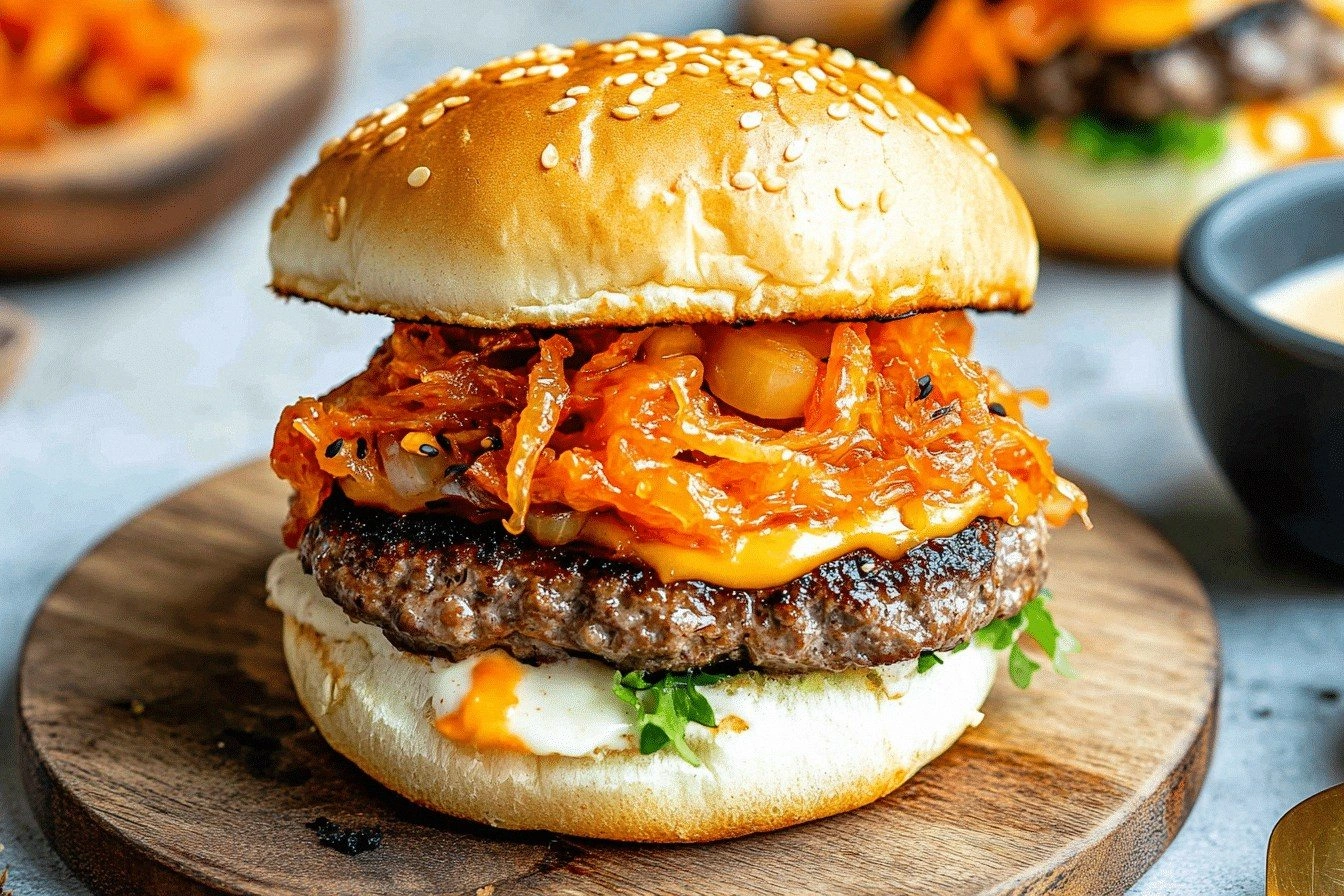
Now, I’ll be honest — I ate half the batch before anyone else even got a whiff, and that’s because this version doesn’t just taste good; it commands attention. Most recipes try to shoehorn Korean flavors into an American burger and end up with a confused mess, but this one respects both traditions, marrying the umami depth of bulgogi‑marinated meat with the crunchy, probiotic punch of kimchi, all hugged by a pillowy brioche bun that whispers sweet comfort. The secret? A tiny splash of pear juice in the marinade that adds a subtle fruitiness, and a quick flash‑sear that locks in juices while giving the patty a caramelized crust that’s nothing short of addictive.
Let me walk you through every single step — by the end, you’ll wonder how you ever made a burger any other way. Okay, ready for the game‑changer? This isn’t just a recipe; it’s a full‑on flavor expedition that will have you daring friends to taste it and not go back for seconds. Picture yourself pulling this out of the pan, the whole kitchen smelling incredible, the steam rising like a curtain before the main act. Stay with me here — this is worth it.
What Makes This Version Stand Out
- Taste Fusion: The sweet‑savory bulgogi meets the tangy, spicy kimchi, creating a flavor duet that sings louder than any single note could.
- Texture Symphony: Crunchy kimchi, buttery brioche, and a juicy, slightly crisp patty combine for a mouthfeel that’s both tender and exciting.
- Simplicity Meets Depth: With just a handful of ingredients you achieve a restaurant‑level burger without needing a culinary degree.
- Uniqueness Factor: Most burgers stay in the realm of beef and cheese; this one brings Korean street food vibes to the backyard grill.
- Crowd Reaction: Expect gasps, “What’s in this?” questions, and a line forming at the kitchen counter when you serve it.
- Ingredient Quality: Using an 80/20 meat blend and authentic bulgogi sauce ensures each bite is rich, moist, and perfectly balanced.
- Cooking Method: A quick sear locks in juices while the glaze caramelizes, delivering that coveted “crust‑pull” effect.
- Make‑Ahead Potential: The patty mix can be formed and chilled up to a day ahead, letting you focus on assembly when guests arrive.
Inside the Ingredient List
The Flavor Base
Ground beef or pork, preferably an 80/20 blend, is the canvas on which all other flavors paint their masterpiece. This ratio gives you that perfect balance of lean meat and fat, ensuring the patty stays juicy while developing a rich, buttery mouthfeel. Skipping the fat or opting for a leaner blend would render the burger dry, like a desert without an oasis. If you’re feeling adventurous, you can swap half the pork for ground chicken, but expect a lighter texture and a slightly different flavor profile. When buying, look for meat that’s bright red with a fine grain; a faint pink streak of fat is a good sign of quality.
The Texture Crew
Kimchi is the unsung hero that brings crunch, acidity, and a probiotic boost to the table. Its fermented cabbage adds a zing that cuts through the richness of the meat, while the tiny bits of chili and garlic provide a lingering heat that makes each bite unforgettable. If you’re not a kimchi fan, try a quick‑pickled daikon radish for a milder tang, but you’ll lose that signature Korean punch. Fresh vegetables—crisp lettuce, cool cucumber slices, and green onions—add a refreshing contrast, preventing the burger from feeling overly heavy. When selecting lettuce, opt for butter lettuce or romaine for a sturdy leaf that won’t wilt under the burger’s weight.
The Unexpected Star
The bulgogi marinade is where the magic truly happens. A blend of soy sauce, brown sugar, minced garlic, sesame oil, and pear juice creates a sweet‑savory glaze that tenderizes the meat while imparting a glossy finish. The pear juice is the secret weapon; its natural enzymes break down protein fibers, making the patty melt-in‑your‑mouth soft. If you can’t find pear juice, a splash of apple juice works in a pinch, though the flavor will shift slightly toward fruitier notes. Toasted sesame seeds sprinkled on top add a nutty aroma that elevates the burger from good to unforgettable.
The Final Flourish
Soft burger buns—brioche or potato—are the final layer of comfort, offering a slight sweetness that balances the savory and spicy components. Their plush texture absorbs the juices without becoming soggy, acting like a sponge that releases flavor with each bite. If you’re gluten‑free, a sturdy gluten‑free bun or even a toasted English muffin will do, but the overall mouthfeel will change. Mayonnaise or spicy mayo brings creaminess and a subtle heat that ties the whole assembly together, preventing any single element from dominating. For a kicker, mix a teaspoon of gochujang into the mayo for an extra layer of Korean fire.
Everything's prepped? Good. Let’s get into the real action, where heat meets flavor and the kitchen becomes a stage for a culinary performance you’ll never forget.
The Method — Step by Step
Start by whisking together the bulgogi marinade: ½ cup soy sauce, 2 Tbsp brown sugar, 3 minced garlic cloves, 1 Tbsp sesame oil, and ¼ cup pear juice. Let it sit for five minutes; this short rest allows the sugar to dissolve and the aromatics to meld, creating a glossy, fragrant liquid that will later coat the meat. The scent at this point is already intoxicating—think sweet soy with a whisper of fruit. Power transition: Now, it’s time to treat the meat.
Place 1 lb of the 80/20 ground beef or pork into a large bowl, then pour the prepared bulgogi sauce over it. Using your hands (yes, get messy), gently fold the sauce into the meat, being careful not to over‑mix; you want the fibers to stay intact for that perfect bite. This is where the ice‑water hack from earlier shines—add a tablespoon of ice water while mixing to keep the texture tender.
Kitchen Hack: Form the meat into a single flat disc first, then slice into four equal portions; this ensures uniform thickness.Divide the seasoned meat into four equal balls, then gently flatten each into a patty about ¾‑inch thick. Press a tiny indentation in the center of each patty with your thumb—this prevents the dreaded “balloon” effect as the patty cooks. The patty should feel slightly tacky but not sticky; if it sticks to your hands, dust them lightly with flour. Let the patties rest for 10 minutes; this short pause lets the flavors settle and the surface dry a bit, which is crucial for a good sear.
While the patties rest, prepare the kimchi topping. Roughly chop 1 cup of kimchi into bite‑size pieces, then toss with a drizzle of sesame oil and a sprinkle of toasted sesame seeds. This quick toss adds an extra layer of nuttiness and ensures the kimchi’s juices coat the burger rather than pool at the bottom. Watch Out: If you over‑mix, the kimchi will become mushy and lose its crunch—keep it light.
Heat a cast‑iron skillet or heavy‑bottomed pan over medium‑high heat until it’s smoking hot; you want that initial sizzle that tells you the pan is ready. Add a thin layer of neutral oil (canola or grapeseed) and swirl to coat. Place the patties in the pan, leaving space between them; they should hiss on contact like fireworks. Cook for about 3‑4 minutes on the first side, watching for the edges to start pulling away and the surface to develop a caramelized crust.
Flip the patties and immediately spoon the remaining bulgogi glaze over each one, letting it bubble and caramelize. This is the moment of truth—the glaze should thicken, turning glossy and slightly sticky, creating a lacquered surface that glistens. Cook for another 3‑4 minutes, or until the internal temperature reaches 160 °F (71 °C) for pork or 155 °F (68 °C) for beef. If you like a bit of cheese, this is the perfect time to add a slice; the heat will melt it into a silky veil.
While the patties finish, toast the buns cut‑side down in the same pan for about 30 seconds, just until they’re golden and fragrant. The toasted surface will act as a barrier, preventing sogginess from the kimchi juices. Spread a generous layer of mayonnaise or spicy mayo on the bottom bun, then layer lettuce, cucumber slices, and a sprinkle of green onions. The fresh veggies provide a crisp counterpoint that balances the richness of the meat.
Assemble the burger: place the hot patty on the dressed bun, spoon the kimchi mixture over the top, and finish with a dusting of sesame seeds. Press the top bun lightly to let the flavors meld, then step back and admire the tower of textures and colors. That sizzle when it hits the pan? Absolute perfection.
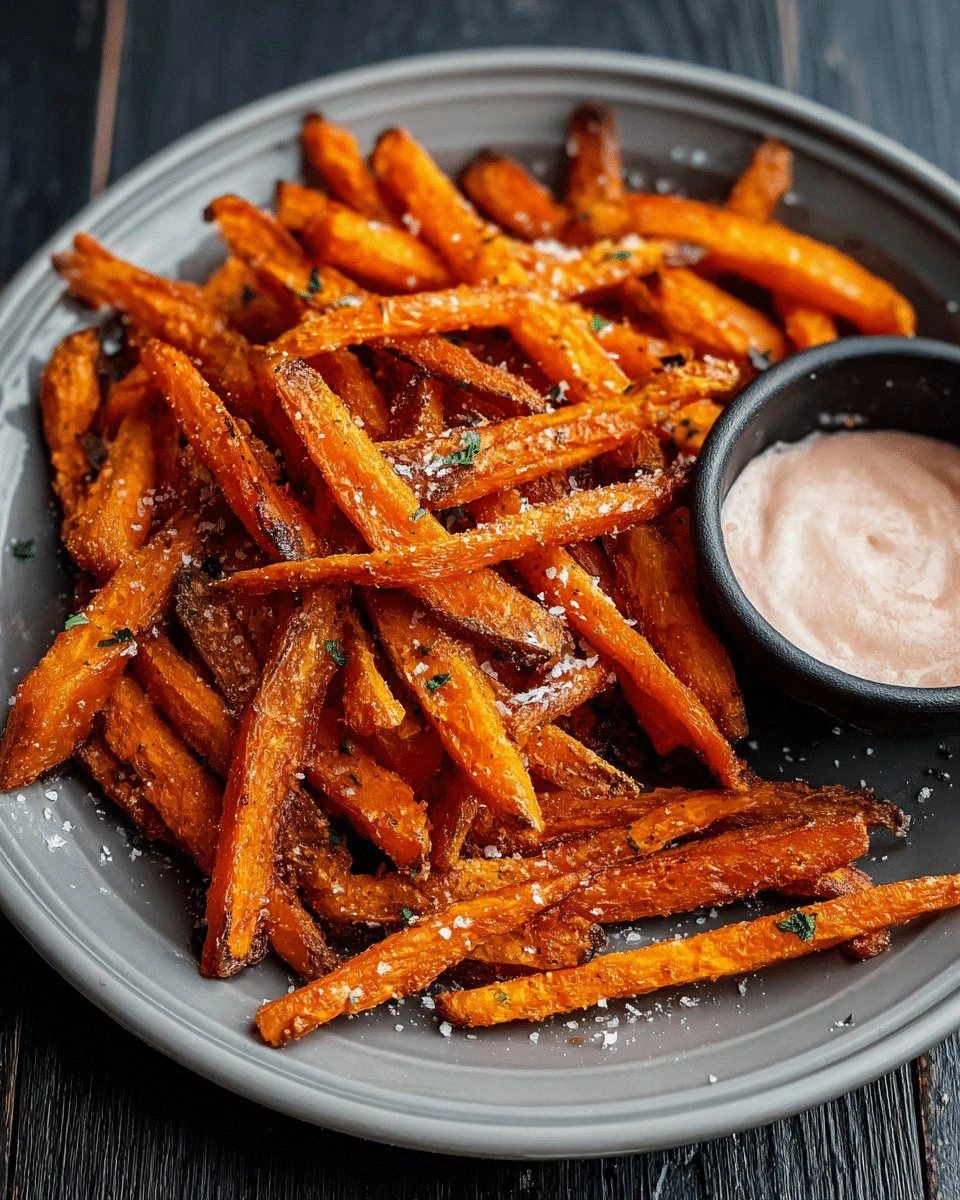
Watch Out: Don’t over‑stack the burger; too many layers can cause the bottom bun to become soggy and the whole thing to fall apart.Serve immediately while the bun is still warm and the patty’s juices are glistening. Pair with a side of sweet potato fries or a simple cucumber salad, and you’ve got a meal that will have everyone shouting, “I dare you to taste this and not go back for seconds.” And remember, the secret to this burger’s success isn’t just the ingredients—it’s the love and a little bit of daring you bring to the plate.
Insider Tricks for Flawless Results
The Temperature Rule Nobody Follows
Most home cooks think “high heat” is the answer, but the truth is a balanced medium‑high flame gives you that perfect crust without burning the glaze. Start with a hot pan to sear, then reduce the heat slightly after flipping to allow the interior to cook evenly. I once tried a blazing flame and ended up with a charred exterior and a raw center—lesson learned. Using an infrared thermometer on the pan can help you hit the sweet spot (around 400 °F). Trust the thermometer, not the eye.
Why Your Nose Knows Best
Don’t rely solely on timers; your sense of smell is a far more reliable indicator of doneness. When the bulgogi glaze starts to caramelize, you’ll notice a sweet, nutty aroma rising—this is your cue to flip. If the scent turns acrid, you’ve crossed into burnt territory. I’ve found that when the kitchen smells like a Korean BBQ stall, the burger is ready for the next step. So, keep your nose in the game.
The 5‑Minute Rest That Changes Everything
Resting the patty after cooking might feel like a waste of time, but those five minutes let the fibers relax and the juices redistribute. Skipping this step results in a dry burger that leaks all its flavor onto the bun. I once served a burger straight off the pan and the bun turned soggy within seconds—total disaster. Place the patty on a warm plate, loosely tent with foil, and let it sit. You’ll be rewarded with a juicy bite that feels like a melt‑in‑your‑mouth miracle.
Sesame Seed Toasting Secret
Toasting sesame seeds in a dry skillet for just 30 seconds unlocks a nutty depth that raw seeds can’t match. Watch them closely; they go from golden to burnt in a flash. Once toasted, grind them slightly with a mortar and pestle for a subtle crunch that releases even more aroma. This tiny step elevates the burger from good to unforgettable.
Balancing the Heat
If you love spice but fear overwhelming heat, blend regular mayo with a spoonful of gochujang (Korean chili paste). This creates a creamy, spicy spread that adds heat without drowning the other flavors. I once added too much gochujang and the burger became a fireball—adjust to taste. Start with a teaspoon, taste, then add more if you’re brave enough.
Creative Twists and Variations
This recipe is a playground. Here are some of my favorite ways to switch things up:
Spicy Sriracha Slaw
Swap the fresh cucumber slices for a crunchy slaw made with shredded cabbage, carrots, rice vinegar, and a drizzle of sriracha mayo. The added heat and acidity give the burger an extra zing that pairs beautifully with the bulgogi glaze.
Cheese Lover’s Dream
Layer a slice of melted mozzarella or provolone over the patty during the last minute of cooking. The cheese adds a creamy stretch and a subtle milky flavor that mellows the kimchi’s bite.
Veggie‑Only Version
Use a plant‑based ground “beef” blend and a vegan bulgogi sauce (soy sauce, maple syrup, garlic, sesame oil, and pear puree). Top with vegan kimchi and a smear of cashew mayo for a fully plant‑based masterpiece.
Breakfast Burger
Top the patty with a fried egg, a drizzle of gochujang‑infused hollandaise, and a handful of arugula. The runny yolk becomes a silky sauce that mingles with the bulgogi glaze, turning brunch into an adventure.
Smoky Chipotle Fusion
Add a teaspoon of chipotle in adobo to the bulgogi sauce for a smoky undertone. This variation brings a subtle Mexican flair while preserving the Korean heart of the dish.
Storing and Bringing It Back to Life
Fridge Storage
Place the cooked patties in an airtight container, separate from the buns, and store for up to three days. Keep the kimchi in its original jar or a sealed container to maintain its crunch. When you’re ready to eat, reheat the patty in a skillet over medium heat for 2‑3 minutes per side, adding a splash of water to the pan and covering briefly to steam the meat back to juiciness.
Freezer Friendly
Wrap each uncooked patty tightly in plastic wrap, then place them in a freezer‑safe zip‑lock bag. They’ll keep for up to two months. When you’re ready to cook, thaw overnight in the fridge, then follow the original cooking steps. The frozen meat retains its flavor thanks to the bulgogi marinade, which acts as a natural freezer‑proofing agent.
Best Reheating Method
For the ultimate reheated burger, preheat a skillet, add a teaspoon of oil, and place the patty skin‑side down. After a minute, add a splash of water (about a tablespoon), cover, and let steam for another minute. This technique revives the crust while keeping the interior moist, and the glaze will re‑gloss beautifully.