Picture this: it’s Saturday night, the fridge is yawning empty, and a sudden craving for pizza strikes like a bolt of lightning. I grabbed the nearest bag of flour, a half‑used bottle of olive oil, and a half‑hearted promise to “just order delivery.” Within ten minutes, the dough was a sticky mess, the sauce was watery, and the crust came out as tough as a shoe sole. I stared at the sad, flat disc and thought, “There has to be a better way.” That moment sparked a relentless quest that led me down the rabbit hole of hydration ratios, autolyse techniques, and the secret language of yeast.
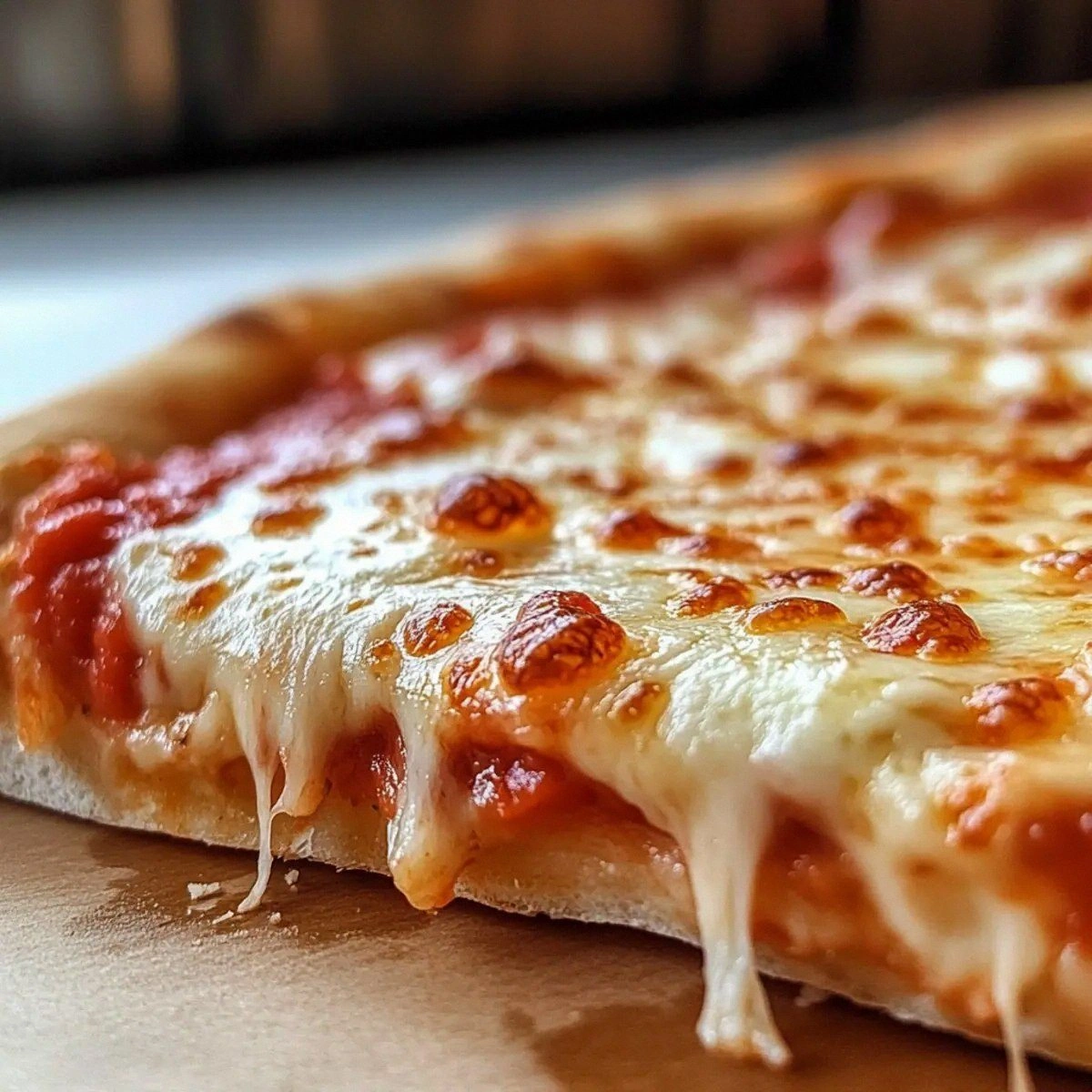
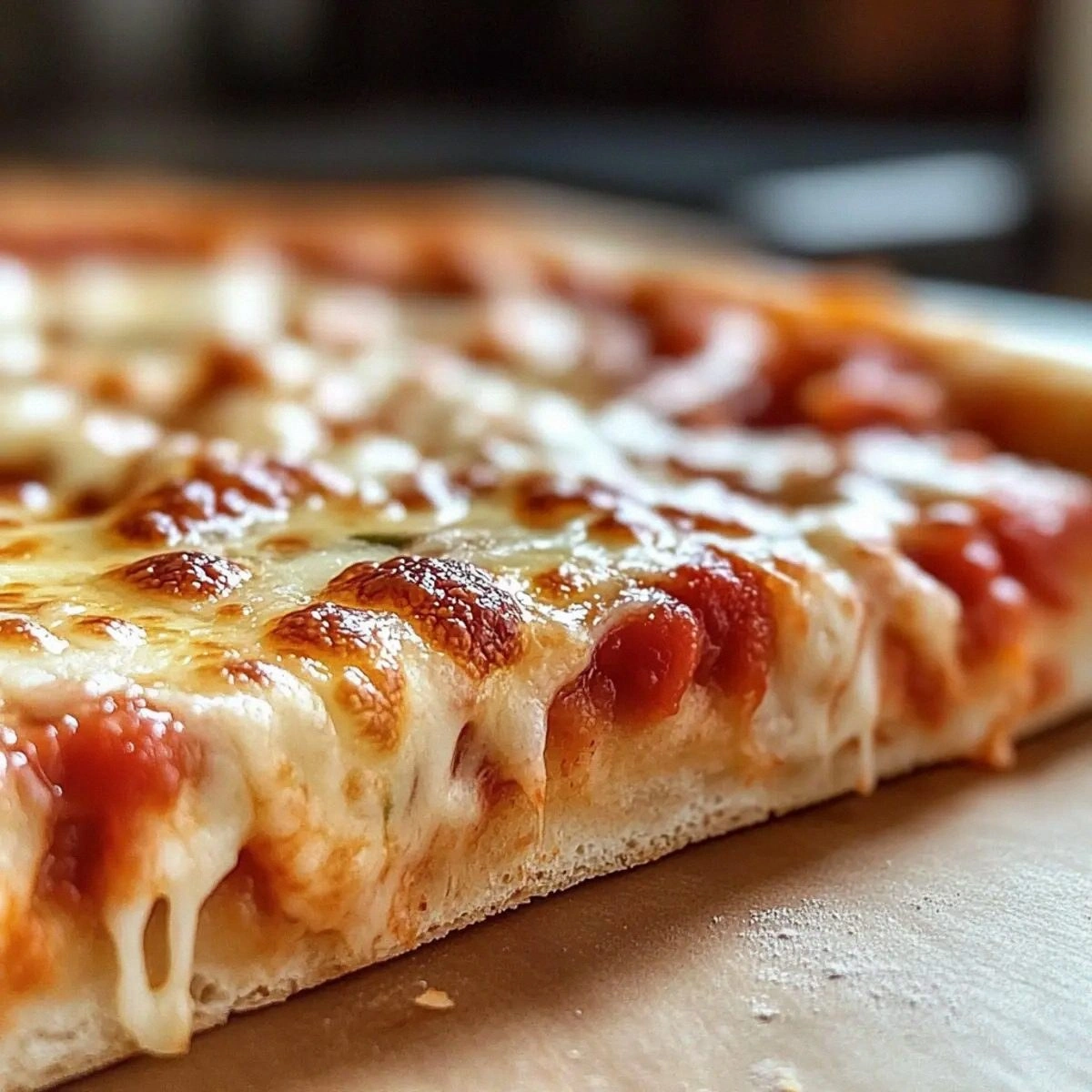
The kitchen soon smelled like a bustling Italian bakery, with warm, yeasty aromas swirling around the countertops, while the sound of the mixer whirring became a rhythmic chant. My fingertips felt the dough’s elasticity, a subtle give‑and‑take that promised a crust that would be both chewy and airy. When the first round of dough finally rose, the surface was peppered with bubbles that looked like a galaxy of tiny planets, each one a promise of the crispy, bubbly texture to come. I took a bite, and the crust cracked like a fresh‑baked baguette, revealing a soft, pillowy interior that sang with a buttery olive‑oil finish. I dare you to taste this and not go back for seconds.
Most pizza dough recipes get this completely wrong – they either over‑hydrate, leaving you with a gummy mess, or they under‑mix, producing a dense brick. This version flips the script by using bread flour for that high‑gluten backbone, a touch of honey to coax the yeast into a frenzy, and a cold‑ferment overnight that builds flavor depth without sacrificing that coveted snap. The result? Hands down the best version you'll ever make at home, with a crust that’s crispy on the edges, chewy in the middle, and dotted with bubbles that pop like tiny fireworks. I’ll be honest — I ate half the batch before anyone else got to try it, and the leftover dough still tasted like a dream.
Let me walk you through every single step — by the end, you'll wonder how you ever made it any other way. Okay, ready for the game‑changer? This next part? Pure magic. Stay with me here — this is worth it.
What Makes This Version Stand Out
- Texture: The high‑gluten bread flour creates a network that stretches, giving you that perfect chew while the steam in the oven inflates the bubbles for a light, airy crumb.
- Flavor: A teaspoon of honey feeds the yeast, producing a subtle sweetness that balances the salt and olive oil, making each bite sing.
- Ease: No fancy equipment required – a simple bowl, a wooden spoon, and a kitchen towel are all you need to achieve artisan‑level results.
- Versatility: The dough can be stretched thin for a classic New York slice or kept thicker for a deep‑dish experience, adapting to any topping you dream up.
- Crowd‑pleaser: The crust’s bubbly appearance and crackling sound when you break it are instant conversation starters at any gathering.
- Ingredient Quality: Using bread flour instead of all‑purpose ensures the gluten development needed for that signature chew.
- Cooking Method: A scorching oven (or pizza stone) at 500°F creates instant oven spring, locking in moisture and forming those coveted air pockets.
- Make‑Ahead Potential: The dough improves after a cold‑ferment, so you can prep it the night before and bake fresh pizza the next day with zero stress.
Inside the Ingredient List
The Flavor Base
First up, the sugar—or honey if you’re feeling fancy. This tiny sweetener isn’t just for taste; it feeds the instant dry yeast, accelerating fermentation and giving the crust a subtle caramel note that you’ll notice only after the first bite. If you skip it, the dough will rise slower and miss that delicate sweetness, resulting in a flatter flavor profile. As a swap, you can use agave nectar or a pinch of malt powder for a different depth.
The Texture Crew
Bread flour is the hero here. Its high protein content (usually 12‑14%) forms a robust gluten network, which is the backbone of that chewy, resilient crust. Using all‑purpose flour will still work, but you’ll notice a softer, less elastic bite that some might call “floppy.” When shopping, look for “bread flour” in the baking aisle, and give it a quick sniff—fresh flour should smell slightly sweet, not stale.
The Unexpected Star
Olive oil does more than lubricate the dough; it coats the gluten strands, resulting in a tender crumb and a glossy finish once baked. A drizzle of extra‑virgin olive oil also adds a fruity, peppery nuance that pairs beautifully with tomato sauce. If you’re allergic or simply out of oil, substitute with melted butter for a richer flavor, though you’ll lose a bit of the characteristic Mediterranean aroma.
The Final Flourish
Salt, the unsung hero, controls yeast activity and sharpens the overall flavor. Too little and the dough will taste bland; too much and the yeast can be stifled, leading to a dense crust. Use fine sea salt for even distribution, and dissolve it in the warm water before mixing to avoid pockets of salt that can cause uneven rising.
Everything's prepped? Good. Let's get into the real action…
The Method — Step by Step
Start by mixing the dry ingredients: whisk together 4 cups of bread flour, 2 teaspoons of salt, and 2 teaspoons of instant dry yeast in a large bowl. The aroma of the yeast should already be faintly sweet, a good sign that it’s alive and ready. I like to create a small well in the center; this will become the cradle for the wet ingredients. This is the moment of truth: if the flour clumps, you’ll need to break them up with a fork before proceeding.
In a separate jug, combine 1.5 cups of warm water (about 105°F/40°C), 2 tablespoons of olive oil, and 1 teaspoon of honey. The water temperature is crucial—too hot and you’ll kill the yeast, too cold and the dough will stay sluggish. Give the mixture a quick stir until the honey dissolves, then pour it into the flour well. As the dough comes together, you’ll notice it turning from shaggy to a cohesive ball.
Kitchen Hack: If the dough feels too stiff, add a splash of water—just a tablespoon at a time—to reach a slightly tacky consistency without becoming sticky.Turn the dough onto a lightly floured surface and knead for about 8‑10 minutes. You’re looking for a smooth, elastic texture that passes the “windowpane test” (stretch a small piece; if it becomes translucent without tearing, you’re golden). This step builds the gluten structure that will give you that signature chew. If you’re short on time, a stand mixer with a dough hook on low speed works just as well.
Shape the dough into a tight ball, lightly coat it with a drizzle of olive oil, and place it in a clean bowl. Cover the bowl with plastic wrap or a damp towel and let it rest at room temperature for 30 minutes. This short bulk fermentation allows the gluten to relax, making the later stretch easier. You’ll hear a faint fizz as the yeast continues its work, a subtle reminder that magic is happening.
After the 30‑minute rest, gently deflate the dough and divide it into two equal portions (or four if you prefer personal‑size pies). Shape each piece into a smooth ball, place them on a parchment‑lined tray, and cover again. Here’s the trick: pop the tray into the refrigerator for an overnight cold ferment (12‑18 hours). This slow rise develops deeper flavor and improves the crust’s texture.
Watch Out: If you leave the dough out at room temperature for more than 2 hours, the yeast will over‑proof, leading to a sour taste and a dough that collapses when baked.When you’re ready to bake, preheat your oven to its maximum setting—ideally 500°F (260°C) or higher—and place a pizza stone or inverted baking sheet inside to heat for at least 45 minutes. The stone’s intense heat creates that instant oven spring, puffing the bubbles and crisping the bottom instantly. If you don’t have a stone, a heavy-duty cast‑iron skillet works in a pinch.
While the oven heats, take one dough ball and let it sit at room temperature for 10‑15 minutes. Then, on a well‑floured surface, gently stretch the dough using your fingertips, rotating it like a pizza‑tossing pro. Avoid using a rolling pin; the gentle stretch preserves the air pockets that give the crust its bubbly character. The dough should be about 12‑14 inches in diameter, with a slightly thicker edge.
Transfer the stretched dough onto a parchment sheet, add your favorite sauce, cheese, and toppings, then slide it onto the preheated stone using a pizza peel or the back of a baking sheet. The moment the dough hits the stone, you’ll hear a satisfying sizzle—absolute perfection. Bake for 10‑12 minutes, watching the crust puff and the cheese melt into a golden blanket.
Remove the pizza with a peel, let it rest for two minutes, then slice with a sharp wheel. The crust should crackle at the edges, revealing a soft, airy interior dotted with golden bubbles. That first bite? It’s a symphony of crisp, chew, and a whisper of honey‑sweet yeast. That sizzle when it hits the pan? Absolute perfection.
Kitchen Hack: Sprinkle a handful of semolina on the peel before sliding the pizza; it prevents sticking and adds a subtle crunch to the crust’s underside.
That's it — you did it. But hold on, I've got a few more tricks that'll take this to another level...
Insider Tricks for Flawless Results
The Temperature Rule Nobody Follows
Most home bakers keep the dough at room temperature, but a quick dip in the fridge for 15 minutes right before shaping can tighten the gluten, making the dough easier to stretch without tearing. I once tried skipping this chill and ended up with a dough that snapped like a rubber band. The cold shock also slows down the yeast just enough to keep the bubbles intact during baking. Trust me, this tiny temperature tweak is the difference between a flat pancake and a lofty, bubbly crust.
Why Your Nose Knows Best
Instead of relying solely on a timer, learn to trust the aroma. When the dough has risen, it will emit a faint, sweet, yeasty scent that’s unmistakable. If the smell is still flat, give it a few more minutes; if it’s overly alcoholic, you’ve over‑proofed. This sensory cue saves you from a bland crust or a sour one that could ruin your pizza night.
The 5‑Minute Rest That Changes Everything
After you’ve shaped the dough but before you add toppings, let it rest for exactly five minutes. This short pause allows the gluten to relax again, preventing the crust from springing back when you try to slide it onto the stone. I once ignored this rest and watched my pizza shrink dramatically, leaving a thin, uneven base. Five minutes is all it takes to keep the dough relaxed and the final shape perfect.
Steam Is Your Secret Weapon
During the first two minutes of baking, throw a small pan of water onto the oven floor. The burst of steam delays the crust’s hardening, allowing the interior to expand fully and create those coveted bubbles. Without steam, the crust can set too quickly, resulting in a dense, less airy texture. Just be careful—steam can be hot, so use oven mitts.
Finish With a Finish
After the pizza emerges, brush the crust lightly with extra‑virgin olive oil infused with crushed garlic and a pinch of sea salt. This final glaze adds a glossy sheen, a fragrant finish, and a subtle flavor boost that turns a good pizza into a great one. I’ve found that a drizzle of fresh basil oil right before serving adds a fresh, peppery pop that lifts the whole pie.
Creative Twists and Variations
This recipe is a playground. Here are some of my favorite ways to switch things up:
White‑Cheese & Garlic Swirl
Swap the classic tomato sauce for a blend of ricotta, minced garlic, and a splash of lemon zest. The dough’s bubbly texture pairs beautifully with the creamy, tangy swirl, making it a perfect starter for a dinner party.
Whole‑Wheat Hybrid
Replace 1 cup of the bread flour with whole‑wheat flour for a nuttier flavor and a slightly denser crumb. The honey becomes even more important here, balancing the earthiness of the whole grain.
Spicy Honey Drizzle
After baking, drizzle a mixture of honey and a pinch of crushed red pepper flakes over the crust. The sweet‑heat combo accentuates the dough’s natural sweetness and adds a surprising kick.
Herb‑Infused Dough
Incorporate 1 tablespoon of dried oregano or Italian seasoning into the dry mix. The herbs infuse the crust itself, so every bite carries a fragrant herbaceous note, even before you add toppings.
Cheese‑Stuffed Edge
Before shaping, roll the dough edge around a thin rope of mozzarella or provolone. As the pizza bakes, the cheese melts into a golden, gooey rim that’s pure indulgence.
Flatbread Style
Stretch the dough thinner, brush it with olive oil, sprinkle sea salt and rosemary, then bake without sauce or cheese. The result is a crisp, aromatic flatbread perfect for dips or as a base for bruschetta.
Storing and Bringing It Back to Life
Fridge Storage
Place the dough in an airtight container or a bowl covered with plastic wrap. It will keep for up to 3 days, continuing to develop flavor. Before using, let it sit at room temperature for 30 minutes to take the chill off.
Freezer Friendly
Divide the dough into individual balls, wrap each tightly in plastic wrap, then place them in a freezer‑safe zip‑lock bag. They’ll last for up to 3 months. To thaw, move the bag to the fridge overnight, then bring the dough to room temperature before shaping.
Best Reheating Method
When you have leftover baked crust, preheat a skillet over medium heat, add a splash of water (just enough to create steam), and cover for 2‑3 minutes. The steam revives the crust’s chewiness, while the skillet restores crispness. Add a tiny splash of water before reheating — it steams back to perfection.