I was in the middle of a rain‑soaked Tuesday morning when my roommate dared me to “make something that can survive a power outage and still taste like a hug.” I stared at the empty pantry, the only thing that seemed promising was a lone jar of peanut butter and a half‑full coconut milk carton that had been lingering in the back of the fridge for weeks. The idea of oatmeal felt safe, but I wanted something that would make me forget the dreary weather outside. So I grabbed my old cast‑iron pot, cranked the stove to a gentle simmer, and let my imagination run wild. That night, I invented a bowl so creamy and decadent that I swear the clouds outside cleared just to hear the sizzle.
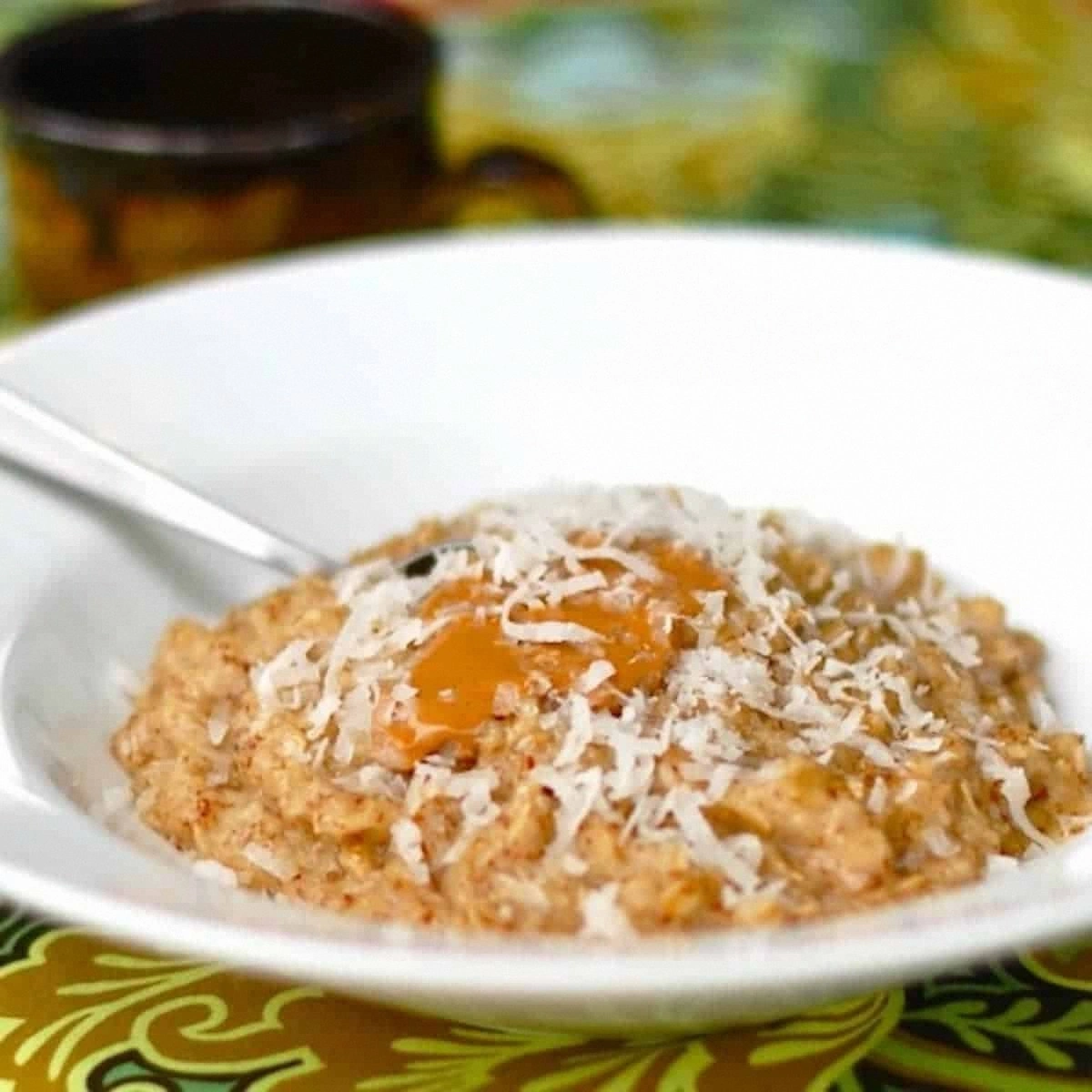
Picture this: a steaming bowl that smells like a tropical sunrise, the aroma of toasted coconut dancing with the earthy notes of rolled oats, and a subtle whisper of vanilla that makes you think you’re on a beach in Bali. The first spoonful is a symphony—silky coconut milk swirls around crunchy oat flakes, while a rich peanut butter ribbon glides through like melted caramel. The toasted coconut on top adds a crackle that shatters like thin ice, releasing a buttery fragrance that makes you pause mid‑bite. The texture is a perfect balance of creamy and chewy, a mouthfeel that feels like a warm blanket on a chilly morning.
Most oatmeal recipes either get the texture wrong—too watery or too dry—or they lack that punch of flavor that keeps you coming back for seconds. This version flips the script by using a 1:1 ratio of coconut milk to water, which gives you that luxurious creaminess without being overly heavy. The secret weapon? A spoonful of creamy peanut butter folded in at the very end, which not only adds protein but also creates a velvety coating that clings to every oat like a second skin. And let’s not forget the toasted coconut, which adds a nutty crunch that most recipes completely overlook.
I’m about to walk you through every single step—by the end, you’ll wonder how you ever made oatmeal any other way. Okay, ready for the game‑changer? This isn’t just a breakfast; it’s a confidence boost in a bowl, a tiny celebration of flavor that will make you the hero of any morning. I dare you to taste this and not go back for seconds. Let’s dive in.
What Makes This Version Stand Out
- Velvet Creaminess: The 1:1 coconut milk to water ratio creates a silky base that coats each oat flake like a gentle hug, ensuring every bite is luxuriously smooth.
- Peanut Butter Punch: Adding creamy peanut butter at the end infuses a rich, nutty depth that transforms ordinary oatmeal into a protein‑packed powerhouse.
- Toasted Coconut Crunch: Lightly toasted shredded coconut provides a satisfying crackle that contrasts the creaminess, making the texture dance on your palate.
- Simple Simplicity: With just nine core ingredients, the recipe stays approachable for beginners yet delivers a flavor profile that seasoned cooks crave.
- Make‑Ahead Magic: This oatmeal holds up beautifully in the fridge, and a quick reheating with a splash of liquid restores its original glory.
- Versatile Base: The neutral yet fragrant base invites endless variations—think chocolate swirls, tropical fruits, or a spicy kick.
- Crowd‑Pleaser: Whether you’re feeding a family, prepping for the office, or impressing brunch guests, this bowl earns applause every single time.
- Nutritious Balance: With healthy fats from coconut and peanuts, complex carbs from oats, and a touch of natural sweetness, it’s a well‑rounded start to any day.
Inside the Ingredient List
The Flavor Base
The foundation of this bowl is rolled oats, which provide a hearty, chewy canvas. Opt for thick‑cut rolled oats rather than quick‑cooking ones; they hold their shape better and give a satisfying bite. Skipping them for instant oats will result in a mushy mess that loses that delightful chew. Swap tip: If you’re gluten‑free, try certified gluten‑free oats or even quinoa flakes for a similar texture.
Coconut milk is the star liquid, delivering a buttery richness that dairy can’t match. Choose a full‑fat version for maximum creaminess; low‑fat versions thin out the texture and mute the coconut flavor. If you’re allergic to coconut, a blend of almond milk and a splash of coconut extract can mimic the flavor without the dairy. Buying tip: Shake the can well before opening to ensure the fat is evenly distributed.
The Texture Crew
Peanut butter adds a silky, nutty layer that binds the oats and coconut milk together. Use a natural, unsweetened variety to keep the sugar level in check and let the honey shine. Skipping peanut butter will make the bowl feel thin and less satisfying; you’ll miss that luxurious coating. Swap tip: Almond butter works, but it brings a milder flavor—perfect if you want a subtler nutty note.
Shredded coconut, toasted to golden perfection, provides the essential crunch. If you use pre‑toasted coconut, you’ll save a step, but fresh coconut toasted in a dry pan releases a deeper aroma that elevates the whole dish. Forgetting this step will leave you with a bland, soggy top that lacks contrast. Buying tip: Look for unsweetened shredded coconut; you can always add sweetness later with honey or maple syrup.
The Unexpected Star
Honey (or maple syrup) brings a gentle sweetness that balances the richness of the coconut and peanut butter. Using raw honey adds a floral note that pairs beautifully with the toasted coconut. Skipping the sweetener will leave the bowl tasting more like a savory porridge, which can be pleasant but not what most expect from this recipe. Swap tip: For a vegan version, swap honey with agave nectar or maple syrup.
A dash of vanilla extract and a pinch of ground cinnamon round out the flavor profile, adding warmth and depth. These aromatics are the quiet heroes that make the bowl feel like a comforting hug. If you forget them, the oatmeal can taste flat and one‑dimensional. Buying tip: Choose pure vanilla extract (not imitation) for the most authentic flavor.
The Final Flourish
A pinch of salt might seem trivial, but it amplifies every other flavor, pulling the sweetness forward and enhancing the nuttiness. Skipping salt is a rookie mistake that leaves the dish tasting dull. Salt also helps the oats release their natural starches, contributing to that coveted creamy texture. Pro tip: Use flaky sea salt on top for a burst of flavor and a subtle crunch.
Optional toppings like sliced banana, fresh berries, or a drizzle of extra peanut butter let you customize each bowl. These add fresh acidity, extra sweetness, or additional protein, depending on your mood. Forgetting toppings isn’t a disaster—they’re optional—but they do turn a good bowl into an unforgettable one.
Everything's prepped? Good. Let’s get into the real action…
The Method — Step by Step
Gather all your ingredients and give the shredded coconut a quick toast. Heat a dry skillet over medium heat, sprinkle the coconut in an even layer, and stir constantly for 3‑4 minutes until it turns a light golden brown and releases a sweet, nutty perfume. That sizzle when it hits the pan? Absolute perfection. Watch Out: Keep the heat medium; too high and the coconut will burn, turning bitter.
In a medium‑sized saucepan, combine 2 cups rolled oats, 2 cups coconut milk, 1 cup water, and a pinch of salt. Give it a good stir so the oats are evenly coated. Turn the heat to medium‑high and bring the mixture to a gentle boil, watching for the first bubbles to appear. When you hear that soft bubbling, you know the base is heating evenly.
Once boiling, reduce the heat to low and let the oats simmer. Stir occasionally to prevent sticking; the edges will start pulling away from the pan, a visual cue that the oats are releasing their starches. Simmer for about 8‑10 minutes, or until the oats have softened but still retain a slight chew. If the mixture looks too thick, splash in a splash of extra coconut milk or water.
When the oats have reached a creamy consistency, remove the pot from heat and stir in ½ cup creamy peanut butter, 2 tbsp honey, 1 tsp vanilla extract, and ½ tsp ground cinnamon. The peanut butter will melt into the hot liquid, forming a glossy ribbon that coats each oat like velvet. Keep stirring until everything is fully incorporated and the aroma of cinnamon fills the kitchen.
Return the pot to low heat for a final 2‑minute cook‑through. This step ensures the flavors meld together and the oatmeal thickens just enough to cling to the spoon. You’ll notice the mixture pulling away from the sides of the pot, a sign that it’s ready.
Turn off the heat and let the bowl sit for a minute; this resting period allows the starches to settle, giving you that perfect, spoon‑ready texture. While it rests, grab your toasted coconut and any optional toppings you’ve prepared.
Ladle the oatmeal into bowls, sprinkle the toasted coconut generously over the top, and add a handful of sliced banana or berries if you like. Drizzle a tiny extra swirl of peanut butter for visual flair and an extra flavor punch. Serve immediately while steam curls up from the bowl, filling the room with that tropical‑nutty perfume.
That's it — you did it. But hold on, I've got a few more tricks that'll take this to another level. Ready for the next secret?
Insider Tricks for Flawless Results
The Temperature Rule Nobody Follows
Never start with boiling water; always begin at a gentle simmer. This gradual heat coax the oats to release their starches slowly, creating a silkier texture. I once tried a high‑heat blast and ended up with a gritty, uneven bowl that tasted like burnt toast. Trust the low‑and‑slow method, and you’ll get that luxurious mouthfeel every single time.
Why Your Nose Knows Best
Your sense of smell is the ultimate doneness gauge. When the oats start to emit a warm, nutty aroma and the coconut butter begins to caramelize, you’re almost there. If you’re unsure, give it a quick sniff; if it smells like plain milk, keep cooking a minute longer. This sensory shortcut saves you from over‑cooking and turning the bowl gummy.
The 5‑Minute Rest That Changes Everything
After you turn off the heat, let the oatmeal rest, uncovered, for exactly five minutes. This pause lets the residual heat finish cooking the oats, and the starches fully hydrate, resulting in a smoother bowl. Skipping this rest often leaves a slightly watery surface and a less cohesive texture. Trust me, those five minutes are worth the anticipation.
Toast the Coconut Like a Pro
Don’t just toss the coconut in the pan and walk away. Keep it moving, and watch for the edges to turn a light amber. The moment you see a faint golden hue, the flavor peaks. If you over‑toast, the coconut becomes bitter, and the whole dish loses its subtle sweetness.
The Power of a Pinch of Salt
Even a tiny pinch of salt can transform the flavor profile, pulling out the sweetness of the honey and the richness of the peanut butter. It acts like a flavor amplifier, making every ingredient sing in harmony. If you’re on a low‑sodium diet, you can still add a dash; the difference in taste is unmistakable.
Finish with a Cold Splash
Right before serving, drizzle a tablespoon of cold coconut water or almond milk over the top. The cold splash creates a subtle contrast that makes the bowl feel lighter and more refreshing, especially on warm mornings. It’s a tiny trick that adds a layer of complexity without extra effort.
Creative Twists and Variations
This recipe is a playground. Here are some of my favorite ways to switch things up:
Chocolate Dream
Stir in 2 tbsp of cocoa powder and a dash of espresso powder with the peanut butter. The result is a mocha‑kissed oatmeal that feels like dessert for breakfast. Top with dark chocolate shavings for extra indulgence.
Tropical Mango Burst
Swap the banana topping for fresh mango cubes and add a splash of lime juice before serving. The bright acidity cuts through the richness, delivering a sun‑kissed flavor that transports you to a beachside café.
Spicy Chili Crunch
Add a pinch of cayenne pepper and a drizzle of chili‑infused honey. The heat pairs surprisingly well with the creamy peanut butter, creating a sweet‑heat balance that wakes up the palate.
Almond Butter & Apple
Replace peanut butter with almond butter and fold in diced sautéed apples seasoned with cinnamon. The apples add a gentle tartness while the almond butter brings a softer nutty profile.
Protein Power
Mix in a scoop of vanilla whey or plant‑based protein powder during the simmering stage. This turns the bowl into a post‑workout refuel, keeping the creamy texture intact while boosting the protein content.
Berry Bliss
Add a handful of frozen mixed berries during the final minute of cooking. The berries burst, releasing juices that naturally sweeten the oatmeal and add a pop of color.
Storing and Bringing It Back to Life
Fridge Storage
Transfer the leftover oatmeal to an airtight container and store in the refrigerator for up to four days. When you’re ready to eat, reheat in the microwave or on the stovetop with a splash of coconut milk to restore creaminess. The texture may thicken overnight, but the added liquid revives it perfectly.
Freezer Friendly
Portion the oatmeal into freezer‑safe bags or containers, leaving a little headspace for expansion. Freeze for up to two months. To reheat, thaw overnight in the fridge, then warm on the stove with extra coconut milk, stirring until smooth.
Best Reheating Method
For the ultimate texture, reheat gently on the stovetop over low heat, adding a tablespoon of water or coconut milk per serving. Stir constantly until the mixture loosens and regains its silky consistency. Microwaving works in a pinch, but the stovetop method gives you better control and prevents scorching.