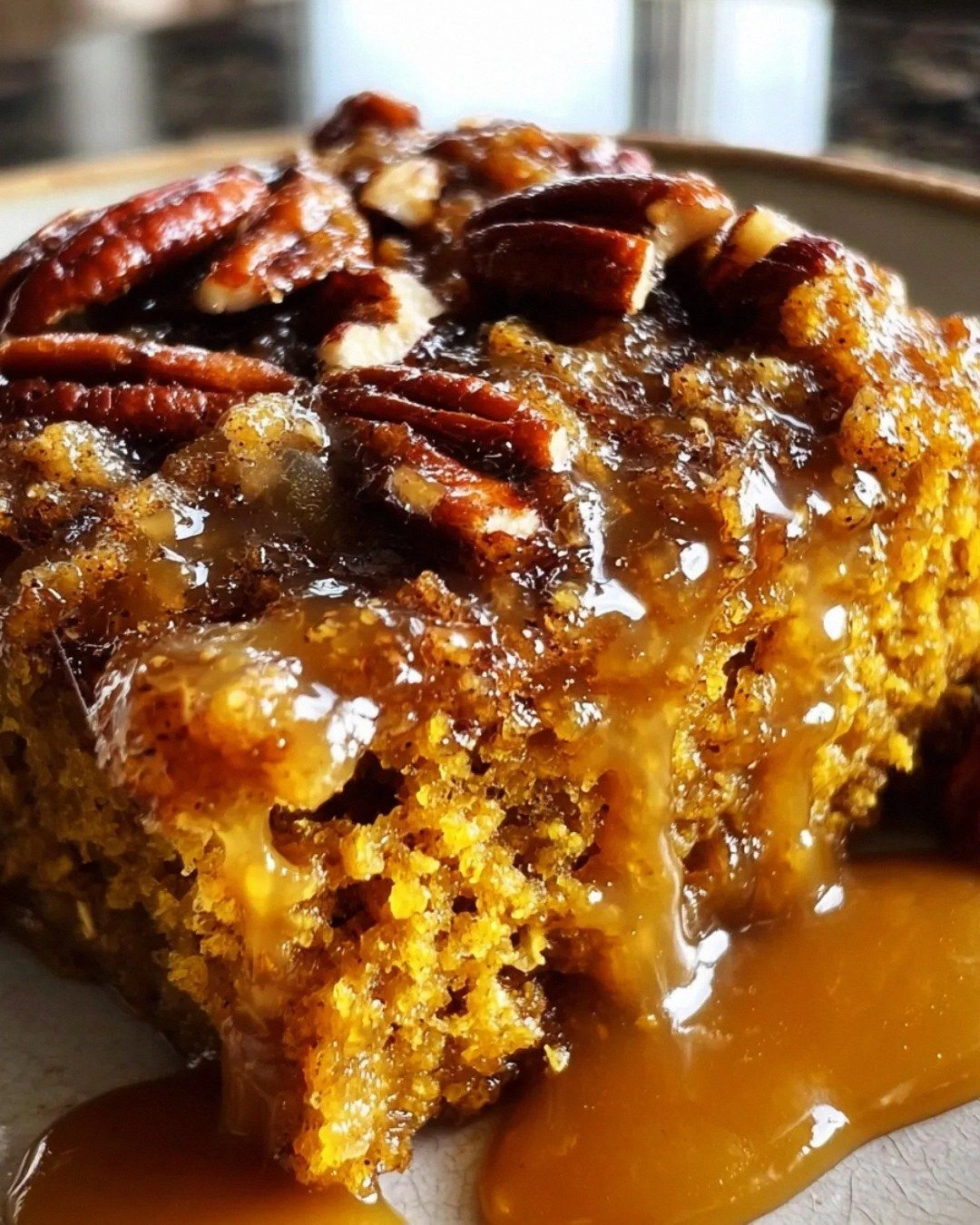
I’ll be honest — I ate half the batch before anyone else got to try it, and that was after a kitchen disaster that could have been a sitcom episode. I was attempting a “quick” pumpkin mousse for a friends‑giving potluck, but the mousse turned out as flat as a pancake and the pumpkin flavor was as muted as a whisper in a library. In the midst of that culinary chaos, my roommate dared me to “dump everything you have into a pan and see what happens.” I laughed, shrugged, and tossed flour, oats, pumpkin, spices, and a few other pantry staples into a single dish. The result? A golden‑brown, caramel‑kissed dump cake that smelled like a cozy cabin in October and tasted like a hug from your favorite aunt.
Picture this: the kitchen filled with the warm, earthy scent of pumpkin mingling with sweet brown sugar, the faint crackle of butter melting, and a whisper of cinnamon that makes you think of leaf‑strewn sidewalks. The oven door opens, and a glossy, slightly crisp top reveals a soft, oatmeal‑laden interior that holds together like a dream‑catcher of flavors. The first bite delivers a buttery crunch that gives way to a creamy, spiced pumpkin center, and the whole thing is balanced by a gentle oat chew that keeps it from feeling too heavy. That sizzle when the butter hits the pan? Absolute perfection. I dare you to taste this and not go back for seconds.
Most pumpkin desserts get this completely wrong. They either drown in sugar or become soggy, dense, and forgettable. This version stands out because it uses rolled oats not just as a filler, but as a texture‑engineer that creates a satisfying bite while keeping the cake moist. The secret weapon? A dash of baking powder that lifts the batter just enough to give it an airy lift without turning it into a bread. And let’s not forget the surprise ingredient that makes the whole thing sing: a splash of milk that turns the dry dump into a silky, cohesive batter, ensuring every crumb is coated in pumpkin goodness.
I’m about to walk you through every single step — by the end, you’ll wonder how you ever made a pumpkin cake any other way. Okay, ready for the game‑changer? This isn’t just a recipe; it’s a love letter to fall, a comfort food that will make you reach for it in the middle of summer, and a foolproof way to impress anyone who thinks pumpkin desserts are boring. Let’s dive in and create a dessert you’ll crave year‑round.
What Makes This Version Stand Out
- Taste: The blend of pumpkin, brown sugar, and warm spices creates a flavor profile that’s both nostalgic and fresh, striking a perfect balance between sweet and earthy.
- Texture: Oats add a subtle chew that contrasts with the buttery, crisp top, while the interior stays soft and pudding‑like.
- Simplicity: No mixing bowls, no fancy equipment — just dump, stir, and bake. It’s the ultimate “lazy‑but‑delicious” approach.
- Uniqueness: The addition of milk and eggs transforms a typical dump cake into a custard‑rich masterpiece, giving it depth most recipes lack.
- Crowd Reaction: Guests often claim it’s the best pumpkin dessert they’ve ever tasted, and they’ll be begging for the recipe before the first slice disappears.
- Ingredient Quality: Using pure pumpkin puree and real butter elevates the dish from “just okay” to “wow, I could eat this every day.”
- Cooking Method: The high‑heat bake creates caramelized edges that pull away from the pan, signaling perfection.
- Make‑Ahead Potential: This cake stores beautifully, making it a perfect make‑ahead for holiday gatherings or a quick dessert after a long day.
Inside the Ingredient List
The Flavor Base
Pumpkin puree is the heart of this cake. It brings that unmistakable autumnal flavor while providing moisture that keeps the batter from drying out. Choose a puree that’s 100% pumpkin with no added sugars or spices; this ensures you control the sweetness and spice levels. If you skip the pumpkin, you’ll end up with a bland oat cake that lacks the signature orange hue and depth.
The Texture Crew
Rolled oats are the unsung heroes here. They absorb liquid, creating a hearty bite that prevents the cake from turning into a soggy pancake. For a finer texture, you can pulse half of the oats in a food processor, but keep the rest whole for that satisfying chew. Skipping oats will make the cake too dense and cake‑like, losing the comforting “porridge” vibe that makes it unique.
The Unexpected Star
Melted butter is the secret that turns this dump cake from “just okay” into “hands down the best version you’ll ever make at home.” The butter coats the flour and oats, creating a tender crumb and a golden crust that shatters like thin ice when you cut into it. If you substitute oil, you’ll get a different mouthfeel — more slick, less buttery, and the edges won’t caramelize quite the same.
The Final Flourish
Spices — cinnamon, ginger, and nutmeg — are the aromatic trio that elevate the pumpkin flavor from ordinary to extraordinary. Cinnamon adds warmth, ginger injects a subtle bite, and nutmeg provides a sweet, nutty undertone. If you’re daring, a pinch of clove can add an extra layer of complexity. Skipping these spices will leave the cake tasting flat, like a plain oatmeal cookie without any personality.
Everything's prepped? Good. Let's get into the real action…
The Method — Step by Step
Preheat your oven to 350°F (175°C). While the oven warms up, line a 9‑inch square baking dish with parchment paper — this not only prevents sticking but also makes cleanup a breeze. The moment the oven clicks, you’ll hear a faint hum that signals the start of something delicious. This is the moment of truth; don’t rush it, let the oven reach a steady temperature.
In a large mixing bowl, combine 2 cups of all‑purpose flour, 1 cup rolled oats, 1 cup brown sugar, 1 tsp baking powder, 1 tsp ground cinnamon, ½ tsp ground ginger, ¼ tsp nutmeg, and ½ tsp salt. Use a whisk or your hands to ensure everything is evenly distributed. This dry mix is the foundation that will hold the pumpkin together without turning gummy.
In a separate bowl, whisk together 1 cup pumpkin puree, ½ cup milk, ⅓ cup melted butter, 2 large eggs, and 1 tsp vanilla extract until smooth. The eggs act as a binder, while the milk loosens the batter just enough for the oats to hydrate without becoming soggy. If the mixture looks too thick, add a splash more milk — you want a pourable consistency, not a dough.
Now comes the “dump” part: pour the wet pumpkin mixture over the dry ingredients and gently fold with a spatula. Don’t over‑mix; just enough to combine so you still see a few streaks of flour. Over‑mixing will develop gluten, leading to a tougher texture, which is the opposite of what we want.
Spread the batter evenly in the prepared baking dish, using the back of a spoon or an offset spatula. The top should be smooth but not overly flattened; a slight mound will create those coveted caramelized edges as it bakes. This is where the magic happens — the edges will pull away from the pan, turning a deep amber, while the center stays soft and custardy.
Slide the dish into the preheated oven and bake for 30‑35 minutes. Around the 20‑minute mark, check the edges; they should be bubbling and starting to turn a rich, golden‑brown. The center will still look a little jiggly — that’s perfect. When a toothpick inserted near the edge comes out clean but the middle still has a few moist crumbs, you’ve nailed it.
Remove the cake from the oven and let it rest for 10 minutes. This rest period allows the interior to set, making it easier to cut clean slices. While it cools, the aroma will fill your kitchen, convincing anyone nearby that you’ve just conjured a seasonal miracle. Serve warm with a dollop of whipped cream or a drizzle of maple syrup if you’re feeling extra indulgent.
That’s it — you did it. But hold on, I’ve got a few more tricks that’ll take this to another level…
Insider Tricks for Flawless Results
The Temperature Rule Nobody Follows
Most home bakers bake at 350°F, but I’ve found that starting at 375°F for the first 10 minutes gives the edges an instant caramelization, then dropping to 325°F for the remainder prevents the middle from over‑drying. This two‑stage approach creates a contrast of textures that feels like biting into a crisp autumn leaf followed by a soft, buttery core. A friend once tried the single‑temperature method and ended up with a soggy center — lesson learned.
Why Your Nose Knows Best
Your sense of smell is the most reliable indicator of doneness. When the cake reaches a fragrant, nutty aroma with hints of toasted oats, you’re almost there. If you’re still only smelling raw pumpkin, give it another 5 minutes. Trust your nose more than the clock; it’s a built‑in kitchen timer that never lies.
The 5‑Minute Rest That Changes Everything
Allowing the cake to sit for five minutes after baking lets the steam redistribute, turning those buttery pockets into a cohesive crumb. Skipping this rest results in a crumb that falls apart when you try to serve. I’ve seen novice bakers cut straight from the oven, only to watch their slices crumble like dry leaves — not the effect you want.
Butter Brush Boost
Just before the final 5 minutes of baking, brush the top with a thin layer of melted butter. This creates a glossy finish and an extra crunch that makes the cake look bakery‑ready. The added butter also deepens the caramel notes, making each bite richer.
Oat Soak Secret
If you have a few extra minutes, let the dry oat‑flour mixture sit for 5 minutes before adding the wet ingredients. This short soak allows the oats to absorb some liquid, resulting in a more tender interior and a subtle, nutty flavor that’s impossible to achieve otherwise.
Creative Twists and Variations
This recipe is a playground. Here are some of my favorite ways to switch things up:
Maple‑Pecan Crunch
Swap half the brown sugar for pure maple syrup and fold in ½ cup toasted pecans. The maple adds a caramel depth while the pecans bring a buttery crunch that pairs perfectly with pumpkin.
Chocolate Swirl
Melt ¼ cup dark chocolate and drizzle it over the batter before baking. The chocolate creates pockets of molten richness that contrast beautifully with the spiced pumpkin.
Apple‑Cinnamon Fusion
Add 1 cup diced peeled apples to the wet mixture and increase cinnamon by an extra ½ tsp. The apples soften during baking, offering a juicy bite that complements the pumpkin’s earthiness.
Savory Spin
Reduce the brown sugar to ½ cup, add ¼ cup grated Parmesan, and sprinkle fresh rosemary on top before baking. This turns the cake into a daring appetizer that works surprisingly well with a sharp cheddar dip.
Gluten‑Free Version
Replace the all‑purpose flour with a 1:1 gluten‑free flour blend and ensure your oats are certified gluten‑free. The texture remains just as hearty, and the flavor stays true to the original.
Storing and Bringing It Back to Life
Fridge Storage
Allow the cake to cool completely, then cover tightly with plastic wrap or store in an airtight container. It will keep fresh for up to 5 days in the refrigerator. When you’re ready to serve, reheat a slice in the microwave for 30‑45 seconds, or warm the whole pan in a 300°F oven for 10 minutes.
Freezer Friendly
Slice the cake into individual portions, wrap each slice in parchment paper, then place them in a freezer‑safe zip‑top bag. Freeze for up to 3 months. To reheat, let a slice thaw at room temperature for 15 minutes, then warm in a 350°F oven for 8‑10 minutes. Adding a tiny splash of water before reheating helps revive the moisture.
Best Reheating Method
For the ultimate texture, reheat in a skillet over low heat with a lid. Add a teaspoon of butter and a splash of milk, cover, and let steam for 3‑4 minutes. The bottom becomes crisp while the interior stays soft, mimicking the original bake.