Let me set the scene: it was a rainy Thursday, the kind of day where the clouds look like they’re about to spill a whole pot of soup onto the kitchen floor. I was half‑heartedly scrolling through recipe blogs, when a friend texted, “Dare you to make the most indulgent lasagna you’ve ever tasted?” I laughed, but the challenge lingered like the scent of garlic on a hot skillet. I rummaged through my pantry, found a half‑used jar of tomato puree, a wilted bunch of spinach, and a block of mozzarella that was practically begging to be melted. I thought, “Why not combine the classic comfort of lasagna with the bright, fresh punch of a Florentine spin?” The result? A dish that makes the heart race faster than a kid on a roller coaster.
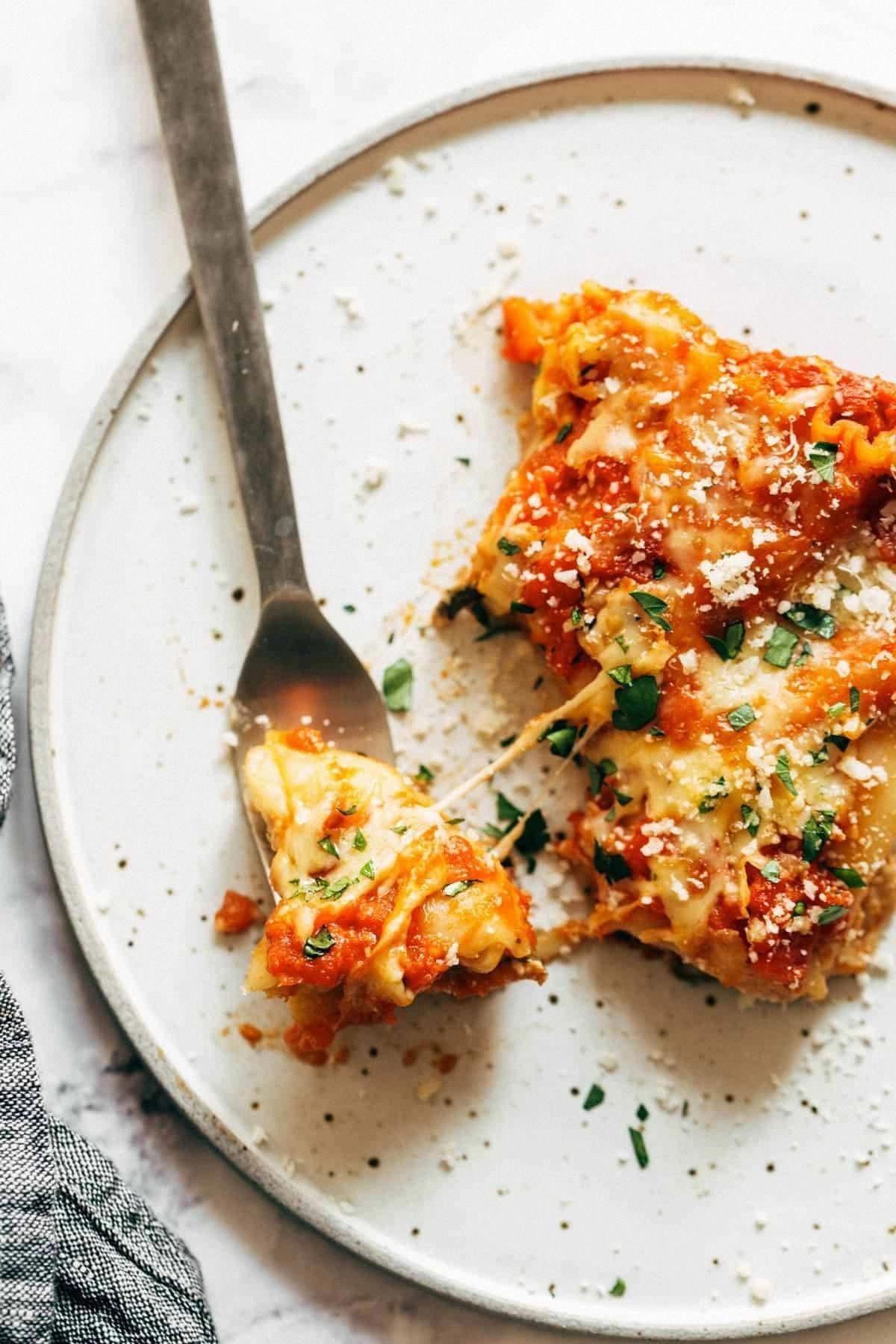
Picture this: the oven door swings open, releasing a wave of steam that carries the sweet tang of tomatoes, the earthy aroma of sautéed spinach, and a buttery, creamy perfume that swirls around the kitchen like a warm hug. The top layer of mozzarella begins to brown, forming those coveted crispy edges that shatter like thin ice when you cut into them. The sauce itself is so velvety it could have been spun from silk; it clings to each noodle like a lover that never lets go. And when you finally take that first forkful, the sauce coats the pasta like velvet, the spinach adds a gentle bite, and the cheese stretches into golden ribbons that practically dance across the plate.
I’ve tried a dozen lasagna recipes in my life, and most of them get one crucial thing wrong: the balance between richness and freshness. Too many rely on a heavy meat sauce that drowns out any nuance, while others skimp on the cream and end up dry as a desert. This version flips the script—by layering a silky tomato‑cream sauce with a generous amount of fresh spinach and a blend of three cheeses, you get a dish that’s both luxurious and bright. The secret ingredient? A splash of heavy cream that turns the tomato base into a smooth, dreamy blanket, and a pinch of nutmeg that whispers warmth without stealing the spotlight.
But wait, there’s a twist you won’t see coming: I’m using a touch of roasted garlic paste instead of raw garlic cloves. The roasting mellows the bite and adds a caramelized depth that makes the sauce sing. I dare you to taste this and not go back for seconds; it’s that good. Let me walk you through every single step — by the end, you’ll wonder how you ever made it any other way.
What Makes This Version Stand Out
- Velvet Texture: The heavy cream melds with the tomato puree, creating a sauce that clings to each noodle like a second skin, eliminating any dry patches.
- Fresh Spinach Boost: Fresh baby spinach is wilted just enough to retain its bright green hue, adding a vegetal crunch that cuts through the richness.
- Three‑Cheese Symphony: Ricotta, mozzarella, and Parmesan each play a distinct role—creaminess, melt, and sharp finish—resulting in a balanced flavor profile.
- Simplicity Meets Elegance: The recipe requires only a handful of pantry staples plus a few fresh items, making it accessible without sacrificing sophistication.
- Crowd‑Pleaser Power: Even the most skeptical eaters (yes, the kids who claim “I don’t like veggies”) will be won over by the cheesy, saucy goodness.
- Ingredient Quality: Using San Marzano tomatoes and fresh spinach elevates the dish from ordinary to restaurant‑grade.
- One‑Pan Technique: By sautéing the aromatics and spinach in the same pan you’ll use for the sauce, you save time and lock in flavor.
- Make‑Ahead Friendly: Assemble the lasagna a day ahead, refrigerate, and bake when you’re ready—perfect for busy weeknights.
Inside the Ingredient List
The Flavor Base
The backbone of this lasagna is a tomato‑cream sauce built on crushed San Marzano tomatoes, which are sweeter and less acidic than regular varieties. The tomatoes bring a bright, sun‑kissed flavor that pairs perfectly with the buttery richness of heavy cream. If you skip the cream, you’ll end up with a sauce that feels more like a soup than a lasagna—thin, watery, and lacking that luxurious mouthfeel. For a dairy‑free version, substitute coconut cream, but expect a faint coconut note that will shift the flavor profile.
The Texture Crew
Ricotta adds fluffiness, while mozzarella delivers that glorious melt. Parmesan, grated fresh, injects a salty, nutty edge that cuts through the creaminess. If you’re allergic to dairy, you can use a blend of cashew “ricotta” and a dairy‑free mozzarella shreds, but the texture will be slightly different—more crumbly, less stretchy. Choosing a good quality, aged Parmesan is non‑negotiable; it’s the secret that turns an ordinary sauce into a masterpiece.
The Unexpected Star
Fresh spinach is the surprise hero here. It provides a burst of color and a subtle earthiness that balances the sweet tomato base. If you opt for frozen spinach, be sure to thaw and squeeze out every drop of water; otherwise, the lasagna becomes soggy. For an extra layer of flavor, you can toss the spinach with a pinch of lemon zest before folding it into the ricotta mixture—this brightens the dish and adds a zing that will make your taste buds do a little dance.
The Final Flourish
A sprinkle of freshly ground black pepper and a dusting of nutmeg in the sauce create a warm, aromatic finish that lingers on the palate. The nutmeg is subtle—just a whisper—but it’s the kind of detail that separates a good lasagna from a great one. If you’re unsure about nutmeg, start with a pinch; you can always add more, but you can’t take it out once it’s in.
Everything's prepped? Good. Let's get into the real action—because the magic really begins when the sauce hits the pan and starts to thicken, and the oven starts to hum with anticipation.
The Method — Step by Step
First, bring a large pot of salted water to a rolling boil. Toss in the lasagna sheets and cook them al dente—about 8‑9 minutes. When you pull a sheet out, it should have a slight bite; this is crucial because the noodles will continue cooking in the oven. Drain, rinse under cold water to stop the cooking process, and lay them flat on a sheet of parchment paper so they don’t stick together. Pro tip: drizzle a whisper of olive oil over the noodles to keep them supple.
While the noodles are cooking, heat two tablespoons of olive oil in a heavy-bottomed saucepan over medium heat. Add a finely chopped onion and let it soften, stirring occasionally, until it becomes translucent and fragrant—about 3 minutes. Then, stir in the roasted garlic paste; you’ll hear a soft sizzle that signals the aromatics are waking up.
Kitchen Hack: Use a garlic press to mash the roasted cloves into a paste; this ensures even distribution and prevents any bitter burnt bits.Next, pour in the crushed San Marzano tomatoes, stirring to combine. Let the mixture simmer gently for 10‑12 minutes, allowing the flavors to meld. You’ll notice the sauce thickening and the scent becoming more concentrated—this is the moment where the sauce starts to develop its silkiness. Add a pinch of salt, a grind of black pepper, and the nutmeg; stir well.
Now, lower the heat and whisk in two tablespoons of butter until it melts completely. Then, slowly drizzle in one cup of heavy cream while whisking continuously. The sauce should turn a luminous orange‑pink hue, and you’ll hear a faint bubbling sound—this is the sauce reaching its perfect emulsion. Let it simmer for another 5 minutes, stirring occasionally, until it coats the back of a spoon.
While the sauce is finishing, heat a large skillet over medium-high heat and add a splash of olive oil. Toss in the fresh spinach in batches, letting each batch wilt before adding the next. The spinach will shrink dramatically—don’t be alarmed. Once all the spinach is wilted, season with a pinch of salt and pepper, then remove from heat. Let it cool slightly, then fold it into the ricotta cheese in a large bowl, adding a quarter cup of grated Parmesan and a tablespoon of freshly chopped basil.
Time to assemble! Spread a thin layer of the tomato‑cream sauce on the bottom of a 9×13‑inch baking dish—just enough to keep the first noodle from sliding. Lay three lasagna sheets over the sauce, overlapping slightly. Spoon half of the ricotta‑spinach mixture over the noodles, spreading it evenly. Drizzle another third of the tomato‑cream sauce over the cheese, then sprinkle a generous handful of shredded mozzarella.
Watch Out: Avoid over‑filling the layers; too much sauce can make the lasagna soggy and cause the top to burn before the interior is fully cooked.Repeat the layering process: another trio of noodles, the remaining ricotta‑spinach mixture, more sauce, and another generous layer of mozzarella. Finish with the final three noodles, the leftover sauce, and a lavish blanket of mozzarella and the remaining Parmesan. For a golden crust, drizzle a thin stream of olive oil over the top and sprinkle a tiny pinch of dried oregano.
Cover the dish tightly with aluminum foil and bake in a pre‑heated oven at 375°F (190°C) for 25 minutes. After 25 minutes, remove the foil to let the cheese brown. Bake uncovered for an additional 15‑20 minutes, or until the edges are bubbling and the cheese has formed those coveted crispy, caramelized spots. The kitchen will fill with a scent that’s simultaneously sweet, savory, and comfort‑inducing.
Once out of the oven, let the lasagna rest for at least 10 minutes before slicing. This resting period allows the layers to set, making each piece hold its shape without spilling over. Serve with a simple arugula salad tossed in a lemon‑olive oil vinaigrette, and watch as your guests go back for seconds—again.
That's it — you did it. But hold on, I've got a few more tricks that'll take this to another level, because a great lasagna deserves a great finish.
Insider Tricks for Flawless Results
The Temperature Rule Nobody Follows
Never bake a lasagna straight from the refrigerator at a high temperature; the shock can cause the sauce to separate. Instead, let the assembled dish sit at room temperature for 20‑30 minutes before popping it into the oven. This gentle warm‑up ensures even cooking and a smoother sauce texture. I once tried skipping this step, and the result was a watery bottom layer that made the whole thing feel like a soggy casserole.
Why Your Nose Knows Best
Trust the aroma as your guide. When the sauce reaches a fragrant, slightly caramelized scent, you know the tomatoes have reduced enough. If you’re unsure, lift the lid and give it a quick sniff—if you detect a raw tomato bite, keep simmering. That nose‑test saved me from a bland, under‑cooked sauce more times than I care to admit.
The 5‑Minute Rest That Changes Everything
After baking, let the lasagna rest uncovered for five minutes before covering it with foil. This short pause lets steam escape, preventing the top from becoming soggy while the interior continues to set. The result is cleaner slices and a more pronounced cheese crust. I swear the difference between a lasagna that slides off the plate and one that holds its shape is exactly those five minutes.
Layering the Cheese Like a Pro
Instead of dumping all the mozzarella at once, distribute it between layers. This creates a creamy melt throughout the dish and a golden, bubbly top. The secret is to use a mix of shredded mozzarella for melt and sliced mozzarella for that luxurious stretch. A friend tried using only shredded cheese, and the top ended up flat and dull—lesson learned.
The Secret of the Fresh Basil Finish
Add a handful of fresh basil leaves just after you pull the lasagna from the oven. The residual heat releases the herb’s essential oils, adding a bright, aromatic finish without the basil turning bitter. If you place the basil too early, it wilts and loses its punch; wait until the final moment for maximum impact.
Creative Twists and Variations
This recipe is a playground. Here are some of my favorite ways to switch things up:
Mushroom Medley
Swap half of the spinach for a mixture of sautéed cremini and shiitake mushrooms. The earthy umami deepens the sauce, and the mushrooms add a meaty texture that satisfies even the most carnivorous eaters. Pair it with a drizzle of truffle oil for a gourmet twist.
Spicy Arrabbiata Kick
Add a teaspoon of red‑pepper flakes to the tomato sauce and a splash of cayenne in the ricotta mixture. The heat cuts through the creaminess, creating a balanced flame that tingles the palate. Serve with a cool cucumber salad to temper the heat.
White Lasagna Florentine
Omit the tomatoes entirely and replace the sauce with a béchamel infused with sautéed garlic and a pinch of nutmeg. The result is a luscious, ivory‑colored lasagna that lets the spinach and cheese shine. This version is perfect for a sophisticated dinner party where the guests crave something a little less traditional.
Vegan Victory
Swap the ricotta for a tofu‑based ricotta (blend silken tofu with nutritional yeast, lemon juice, and a pinch of salt). Use dairy‑free mozzarella and a cashew cream in place of heavy cream. The flavor profile remains rich, and the dish stays cruelty‑free while still delivering that indulgent feel.
Herb‑Infused Delight
Add a handful of fresh thyme and rosemary to the sauce as it simmers. The herbs infuse the sauce with an aromatic woodsy note that complements the tomato’s sweetness. This variation is especially wonderful in the cooler months when you crave comforting, herbaceous meals.
Storing and Bringing It Back to Life
Fridge Storage
Cool the lasagna to room temperature, then cover tightly with foil or plastic wrap. Store in the refrigerator for up to three days. When ready to eat, preheat the oven to 350°F (175°C), add a splash of water around the edges, and bake covered for 20 minutes, then uncover for 10 minutes to re‑crisp the top.
Freezer Friendly
Wrap the baked (but not sliced) lasagna tightly in a double layer of aluminum foil, then place it in a freezer‑safe bag. It will keep for up to two months. To reheat, thaw overnight in the fridge, then bake at 375°F (190°C) for 30‑35 minutes, adding a drizzle of water before covering to keep it moist.
Best Reheating Method
If you’re in a hurry, slice a portion, place it on a microwave‑safe plate, and microwave on high for 2‑3 minutes, covering with a damp paper towel. For the best texture, finish the microwaved slice under a hot broiler for 1 minute to revive the crispy cheese topping.