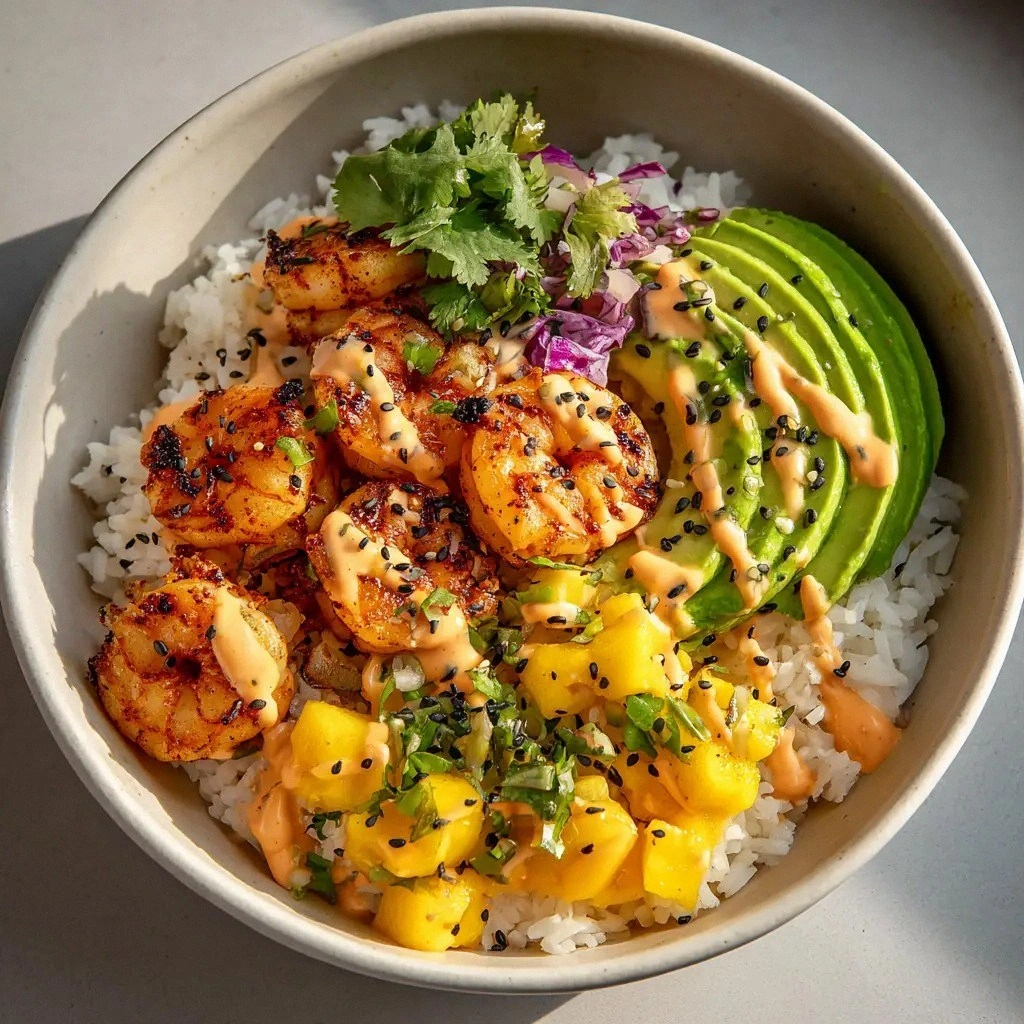
I remember the night I tried to make my first bagel from scratch. The dough was a sticky, intractable mess that clung to every surface of the counter, and I was left staring at a half‑formed, sad‑looking lump that looked more like a failed soufflé than a future breakfast staple. I stared at the recipe, swore I’d never try again, and then a friend dared me to taste this and not go back for seconds. That dare sparked a culinary rebellion in me, and I set out to create a bagel that would not only survive the test of time but also win a taste‑test against every other version on the planet. Picture yourself pulling a batch of these golden, chewy delights out of the oven, the kitchen filling with the aroma of caramelized onions, tangy sourdough, and a faint whisper of olive oil—your senses will be in a state of blissful overload.
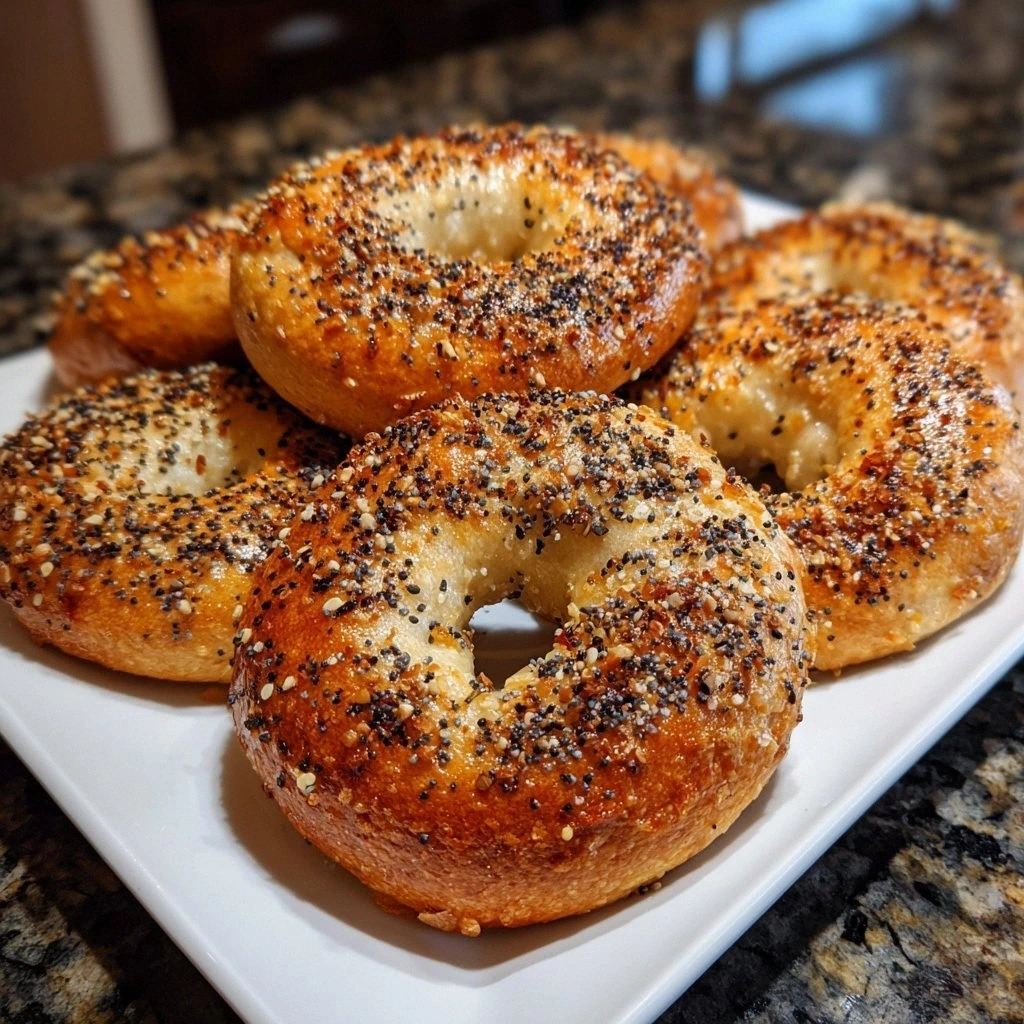
The first bite is a revelation: the crust cracks like thin ice, giving way to a tender, airy interior that practically dissolves on the tongue. The onions, sautéed to a deep amber, add a savory sweetness that cuts through the tang of the starter, creating a flavor profile that feels both familiar and utterly unexpected. The bagels rise slowly, thanks to the patient fermentation of the sourdough starter, which injects a subtle, complex acidity that elevates the entire experience. The olive oil coating gives a glossy finish, and if you sprinkle poppy seeds on top, you get a delightful crunch that contrasts beautifully with the soft dough.
Most bagel recipes get this completely wrong by using instant yeast, skipping the flavor development that comes from a live starter, or over‑boiling the dough, which results in a rubbery texture. What sets this version apart is a combination of techniques that preserve the bagel’s classic chew while infusing it with layers of flavor—think of it as a culinary symphony where each instrument plays a crucial role. This is hands down the best version you'll ever make at home because it balances simplicity with depth, making it accessible yet gourmet. If you've ever struggled with bagels that come out dense or flat, you’re not alone—this recipe has the fix.
Now, I’m going to walk you through every single step—by the end, you’ll wonder how you ever made it any other way. Let’s dive in.
What Makes This Version Stand Out
- Taste: The caramelized onion layer creates a sweet, savory note that contrasts with the sourdough’s tang, producing a flavor profile that feels both comforting and adventurous.
- Texture: The slow rise and brief boil lock in moisture, giving the bagels a chewy center and a crisp, golden crust that snaps pleasantly when bitten.
- Ingredient Quality: Using a high‑protein bread flour and a well‑maintained sourdough starter ensures a robust gluten structure and depth of flavor.
- Convenience: The method is straightforward enough for beginners yet offers enough nuance to impress seasoned bakers.
- Make‑Ahead Potential: The dough can be refrigerated for up to 48 hours, allowing you to prepare in advance and still enjoy freshly baked bagels.
- Visual Appeal: Optional poppy seeds add a pop of color and a subtle crunch that makes the bagels Instagram‑ready.
Inside the Ingredient List
The Flavor Base
Sourdough starter: This is the heart of your bagels, providing that delightful tangy flavor and chewy texture. A well‑active starter (fed and bubbly) will give the dough a complex, slightly sour profile that stands up to the sweet onion. If you skip the starter, the bagels will taste flat and lack depth. For best results, use a starter that has been fed at least 4 hours before mixing.
The Texture Crew
Bread flour: This flour has a higher protein content, giving your bagels that perfect chewiness. A lower‑protein flour will produce a denser, gummy bite, while too high a protein can make the dough tough. If you can’t find bread flour, you can substitute with all‑purpose flour plus a tablespoon of vital wheat gluten per cup.
The Unexpected Star
Onion: Finely chopped, it adds a savory depth that elevates your bagels to a whole new level. The onion’s natural sugars caramelize during the brief boil, creating a sweet, umami burst that pairs wonderfully with the sourdough. If you prefer a milder flavor, use sweet onions or reduce the quantity by half.
The Final Flourish
Olive oil: Used for sautéing the onions, it adds richness and enhances the overall flavor. A splash of extra‑virgin olive oil also gives the bagels a glossy finish and helps the poppy seeds stick. If you’re vegan, any neutral oil will work, but the olive oil’s flavor profile is key to this recipe’s identity.
Everything's prepped? Good. Let's get into the real action...
The Method — Step by Step
- In a large bowl, combine the sourdough starter, warm water, and sugar. Stir until the starter is fully dissolved and the mixture is slightly frothy. This activates the yeast and sets the stage for a good rise.
- Add the bread flour and a pinch of salt, then mix until a shaggy dough forms. Knead on a lightly floured surface for about 8 minutes, or until the dough feels elastic and pulls away from the sides of the bowl. The dough should feel tacky but not sticky.
- Transfer the dough to a greased bowl, cover with a damp cloth, and let it bulk ferment at room temperature for 4–6 hours, or until it has visibly doubled in size. This slow fermentation develops flavor and improves the bagel’s chew.
- After the bulk rise, turn the dough onto a lightly floured surface and divide it into eight equal portions. Roll each portion into a smooth ball, then press your thumb through the center to form a hole. The dough should be firm enough to hold its shape without tearing.
- Prepare a large pot of water and bring it to a gentle simmer. Add the finely chopped onions and a tablespoon of olive oil; let them sauté for 2 minutes until translucent. This step infuses the bagels with caramelized onion flavor.
- Carefully lower each bagel into the simmering onion mixture, one at a time, and boil for 1–2 minutes on each side. Watch for the bagels to rise to the surface, a sign that they’re cooking through. This brief boil locks in moisture and gives the bagels that classic chewy bite.
- Preheat your oven to 425°F (220°C) and line a baking sheet with parchment paper. Brush each boiled bagel with a thin layer of olive oil, then sprinkle poppy seeds over the top if desired. Arrange the bagels on the sheet, leaving space between them.
- Bake for 15–18 minutes, or until the bagels are deep golden brown and emit a nutty aroma. The crust should be crisp, while the interior remains soft and chewy. Remove the bagels from the oven and let them cool on a wire rack for at least 10 minutes before serving.
That's it — you did it. But hold on, I've got a few more tricks that'll take this to another level...
Insider Tricks for Flawless Results
The Temperature Rule Nobody Follows
Many bakers think room temperature is always best, but a slightly warmer environment (around 78°F) accelerates fermentation and yields a lighter crumb. If you’re in a cooler kitchen, wrap the dough in a towel and place it near a sunny window or on top of a warm appliance. I once baked bagels in a drafty basement and the dough never rose; this trick saved the day.
Why Your Nose Knows Best
Before you bake, smell the dough. A pleasant, yeasty aroma indicates proper fermentation; a sour, fermented smell is normal, but if it smells off or overly sour, give it more time. I once rushed the fermentation to meet a deadline and the bagels had a chemical taste—trust your nose, not your clock.
The 5‑Minute Rest That Changes Everything
After boiling, let the bagels rest on the baking sheet for 5 minutes before baking. This rest allows the surface to dry slightly, ensuring a crisper crust. I used to skip this step and ended up with bagels that were soggy on the inside; now I always give them that short pause.
Use a Silicone Mat for Even Baking
A silicone baking mat prevents the bagels from sticking to parchment and promotes even heat distribution. I’ve found that the bagels bake more uniformly and are easier to remove, especially when making large batches.
Finish with a Quick Brush of Olive Oil
Right before baking, brush the bagels with a thin layer of olive oil. This not only adds shine but also creates a barrier that keeps the crust from becoming too hard. The result is a bagel that stays soft inside even after cooling.
Creative Twists and Variations
This recipe is a playground. Here are some of my favorite ways to switch things up:
Cheesy Onion Bagels
Add shredded sharp cheddar into the dough before shaping for a melty, savory bite. The cheese melts into pockets that burst with flavor when you bite. Perfect for a brunch spread.
Herb‑Infused Bagels
Stir in chopped fresh rosemary or thyme into the dough for an aromatic twist. The herbs pair beautifully with the onion’s sweetness, creating a Mediterranean vibe.
Gluten‑Free Version
Use a gluten‑free bread blend and replace the standard flour with a gluten‑free mix that includes xanthan gum. The texture will be slightly different, but the flavor profile remains intact.
Spicy Onion Bagels
Add a pinch of cayenne pepper or a splash of sriracha to the dough for a subtle kick. The heat balances the sweetness of the caramelized onions, offering a bold taste.
Sweet Onion and Cinnamon Bagels
Mix a teaspoon of ground cinnamon into the dough and use sweet onions. The result is a breakfast bagel that feels like a cinnamon roll, but with that signature chewy bite.
Smoked Salmon Topping
After baking, top each bagel with smoked salmon, a dollop of crème fraîche, and a squeeze of lemon. This transforms the bagel into a sophisticated, brunch‑ready delight.
Storing and Bringing It Back to Life
Fridge Storage
Cool the bagels completely, then wrap them tightly in plastic wrap and store in the refrigerator for up to 3 days. The bagels stay soft and flavorful, especially when reheated with a splash of water.
Freezer Friendly
Place the cooled bagels in a freezer bag, removing as much air as possible. Freeze for up to 2 months. When you’re ready, thaw at room temperature or toast directly from the freezer for a crisp finish.
Best Reheating Method
Add a tiny splash of water to a skillet, heat over medium, and place the bagel in the pan for 1–2 minutes on each side. The steam restores moisture and gives the bagel a fresh, warm bite. The trick is to keep the heat moderate so the crust doesn’t burn.