I remember the night it all began: a frantic scramble in a dimly lit kitchen, a half‑cooked pumpkin pie that had collapsed into a sticky mess, and my friend’s skeptical grin as she raised an eyebrow at the chaos. “You’re not going to make this better than the store’s,” she said, and I felt the fire of culinary rebellion ignite. That moment of kitchen disaster turned into a quest for perfection, and I set out to create the crepe that would save pumpkin season from blandness.
Picture this: a golden, buttery crepe that folds like a secret letter, its edges crisping to a caramelized halo while the inside swirls with silky pumpkin puree, a whisper of vanilla, and a dash of pumpkin pie spice that sings like a lullaby. The scent of toasted butter mingles with the earthy sweetness of pumpkin, and when you bite, the texture is a paradoxical blend of airy fluff and luscious filling that melts in your mouth. The sound? A satisfying hiss as the batter hits the pan, a gentle crackle that signals the first golden edge. The feel? A warm, buttery hug that makes your hands itch for the next bite. The taste? A symphony of caramel, spice, and subtle sweetness that lingers on the tongue.
What makes this version stand out is not just the flawless balance of flavors, but the technique that turns a simple batter into a work of art. I’ve distilled years of experimentation into a single, easy‑to‑follow recipe that delivers consistent results every time. I dare you to taste this and not go back for seconds—once you’ve had one, you’ll find yourself reaching for the pan again and again. If you’ve ever struggled with crepes that are too thick, too thin, or fall apart, you’re not alone—and I’ve got the fix. This is hands down the best version you’ll ever make at home, and I’ll show you how to make it.
The secret lies in a few small but powerful adjustments: the addition of a splash of water to keep the batter silky, the use of almond milk for a subtle nutty undertone, and the precise timing of when to add the pumpkin puree so that it coats the crepe like velvet without making it soggy. Picture yourself pulling these golden sheets out of the pan, the kitchen smelling like autumn in full bloom. Stay with me here—this is worth it. Let me walk you through every single step, and by the end, you’ll wonder how you ever made it any other way.
What Makes This Version Stand Out
- Taste: The pumpkin puree is blended to a silky consistency, ensuring every bite delivers a burst of natural sweetness without overpowering the crepe’s delicate flavor. The subtle hint of vanilla and the warm notes of pumpkin pie spice create a harmonious profile that feels both comforting and sophisticated. The result is a dessert that feels like a holiday treat, yet works perfectly any time you crave something comforting.
- Texture: The batter’s thinness gives the crepe a whisper‑thin, airy quality, while the water addition keeps it supple, preventing cracks. The filling’s silky smoothness contrasts beautifully with the crepe’s crisp edges, providing a satisfying mouthfeel that lingers. The crepe stays moist inside while the exterior crisps to a golden finish.
- Simplicity: Only ten ingredients, no fancy equipment, and a single pan are required. The method is straightforward: whisk, pour, cook, fold, repeat. Even a novice can follow along and produce a showstopper.
- Uniqueness: The inclusion of almond milk gives a subtle nutty undertone that sets this recipe apart from traditional crepe recipes. The combination of pumpkin puree with a splash of water and the precise use of vanilla creates an unexpected depth.
- Crowd Reaction: Friends who tried this said it was “the best pumpkin crepe ever.” It’s perfect for a potluck, a family dinner, or a cozy Sunday brunch. The recipe’s versatility ensures it will become a staple.
- Ingredient Quality: Using fresh, high‑quality pumpkin puree and fresh eggs ensures the crepe’s flavor profile is authentic. The use of a pinch of salt balances the sweetness and enhances the overall taste.
- Cooking Method: The method uses a non‑stick skillet and a precise temperature control to achieve the perfect balance between golden exterior and tender interior. This approach eliminates the common pitfalls of crepe cooking.
- Make‑Ahead Potential: The crepes can be made ahead and reheated without losing their texture, making them ideal for busy mornings or special occasions.
Inside the Ingredient List
The Flavor Base
The pumpkin puree is the star of the show, providing a natural sweetness that cuts through the buttery base. It’s essential to use a puree that’s smooth and free of lumps; a jarred puree works well, but fresh pumpkin blended into a puree gives a fresher, brighter taste. If you skip the puree, the crepe loses its signature pumpkin flavor and becomes a generic sweet crepe. To keep the puree from clumping, stir it into the batter just before cooking.
The vanilla extract adds a subtle floral note that elevates the pumpkin’s earthy sweetness. It’s a small addition, but it creates a depth that makes the crepe feel more complex. If you’re lactose intolerant or vegan, you can substitute a plant‑based vanilla flavoring. The key is to use a high‑quality extract; cheaper versions can taste chemical.
Pumpkin pie spice is the secret that ties everything together. It brings warm, aromatic notes of cinnamon, nutmeg, cloves, and ginger that echo classic pumpkin pie. A pinch of salt balances the sweetness and enhances the spices’ aroma. Skipping the spice will make the crepe taste flat; the spice is what gives it that “comfort food” vibe.
The Texture Crew
Eggs are the binder that gives the batter its structure. They keep the batter from being too runny and help the crepe hold together. If you use only one egg, the crepe will be thin and fragile; two eggs provide the ideal thickness. You can use a fresh egg or a pasteurized egg for safety if you’re concerned about raw eggs.
Butter, melted, adds richness and a subtle caramel flavor to the crepe’s surface. It also prevents sticking, making the cooking process smoother. A tablespoon of butter is enough to coat the pan without overpowering the batter. If you prefer a dairy‑free version, a neutral oil works, but the flavor profile will shift slightly.
Almond milk adds a mild nutty undertone and keeps the batter light. It also helps the batter spread evenly, preventing thick, uneven crepes. If you’re allergic to nuts, you can use oat milk or soy milk. The key is to use an unsweetened variety to avoid excess sweetness.
The Unexpected Star
Water is the unsung hero that keeps the batter silky and prevents the edges from cracking. Adding a splash of water reduces the batter’s viscosity, allowing it to flow smoothly across the pan. Without water, the batter can become too thick, leading to uneven cooking and a dry texture. A tablespoon of water is enough to make a noticeable difference.
Sugar adds a touch of sweetness that balances the pumpkin’s natural sweetness and enhances the overall flavor. It also helps caramelize the crepe’s surface, giving it a beautiful golden hue. Use white sugar for a clean taste; brown sugar can add depth but may alter the color.
The optional toppings—cream cheese, yogurt, or pumpkin butter—add creaminess and contrast. They can be spread on the crepe or served on the side. Each topping brings a different flavor profile: cream cheese offers tangy richness, yogurt adds a bright, slightly tart note, and pumpkin butter delivers a buttery, sweet pumpkin experience. Choose based on your mood.
The Final Flourish
All‑purpose flour is the foundation of the batter. It gives the crepe its structure and body. Use a fine‑toasted flour for a lighter texture or a regular all‑purpose flour for a more classic feel. If you’re gluten‑free, you can use a gluten‑free blend, but the texture may differ slightly.
Salt is the subtle enhancer that brings out the sweetness and balances the flavors. Even a pinch can make a big difference. Too much salt will overpower the crepe; too little will make it taste flat. Measure carefully to maintain the delicate balance.
Everything’s prepped? Good. Let’s get into the real action.
The Method — Step by Step
- In a large bowl, whisk the eggs, melted butter, almond milk, and a splash of water until the mixture is smooth and free of lumps. The goal is to create a batter that’s thin enough to spread quickly but thick enough to hold together. If the batter feels too runny, add a teaspoon of flour to thicken it slightly. The mixture should pour like a thin custard, not like heavy cream.
- Sift the all‑purpose flour, pumpkin pie spice, and salt into the wet mixture. Stir gently with a wooden spoon or a whisk until just combined. Over‑mixing will develop gluten and make the crepes tough. The batter should be silky and free of dry flour pockets.
- Fold in the pumpkin puree and vanilla extract until fully incorporated. The batter will become slightly thicker and a deeper color. The pumpkin’s natural sweetness will start to permeate the mixture, giving it that unmistakable autumn aroma. Let the batter rest for 10 minutes; this allows the flour to hydrate and the flavors to meld.
- Heat a non‑stick skillet over medium heat and brush lightly with melted butter or oil. The pan should be hot enough that a few drops of batter sizzle immediately. This ensures a crisp edge without burning. Use a paper towel to spread the butter evenly across the surface.
- Pour about 1/4 cup of batter into the center of the pan and tilt the pan to spread it thinly. The batter should spread to a radius of about 3 inches. The edges will start to lift within 30 seconds. Watch closely; if the edges brown too quickly, lower the heat.
- Cook the crepe for 1–1.5 minutes, until the bottom is golden and the top is set but still slightly translucent. Flip with a spatula and cook the other side for 30 seconds. The crepe should feel firm to the touch but still pliable. The golden color indicates proper caramelization.
- Remove the crepe and place it on a plate. Repeat the process with the remaining batter, adding a little butter to the pan between each crepe to prevent sticking. Aim for 8–10 crepes in total; you’ll have enough to stack and serve. The batter should not dry out; if it does, cover the pan with a lid to keep heat in.
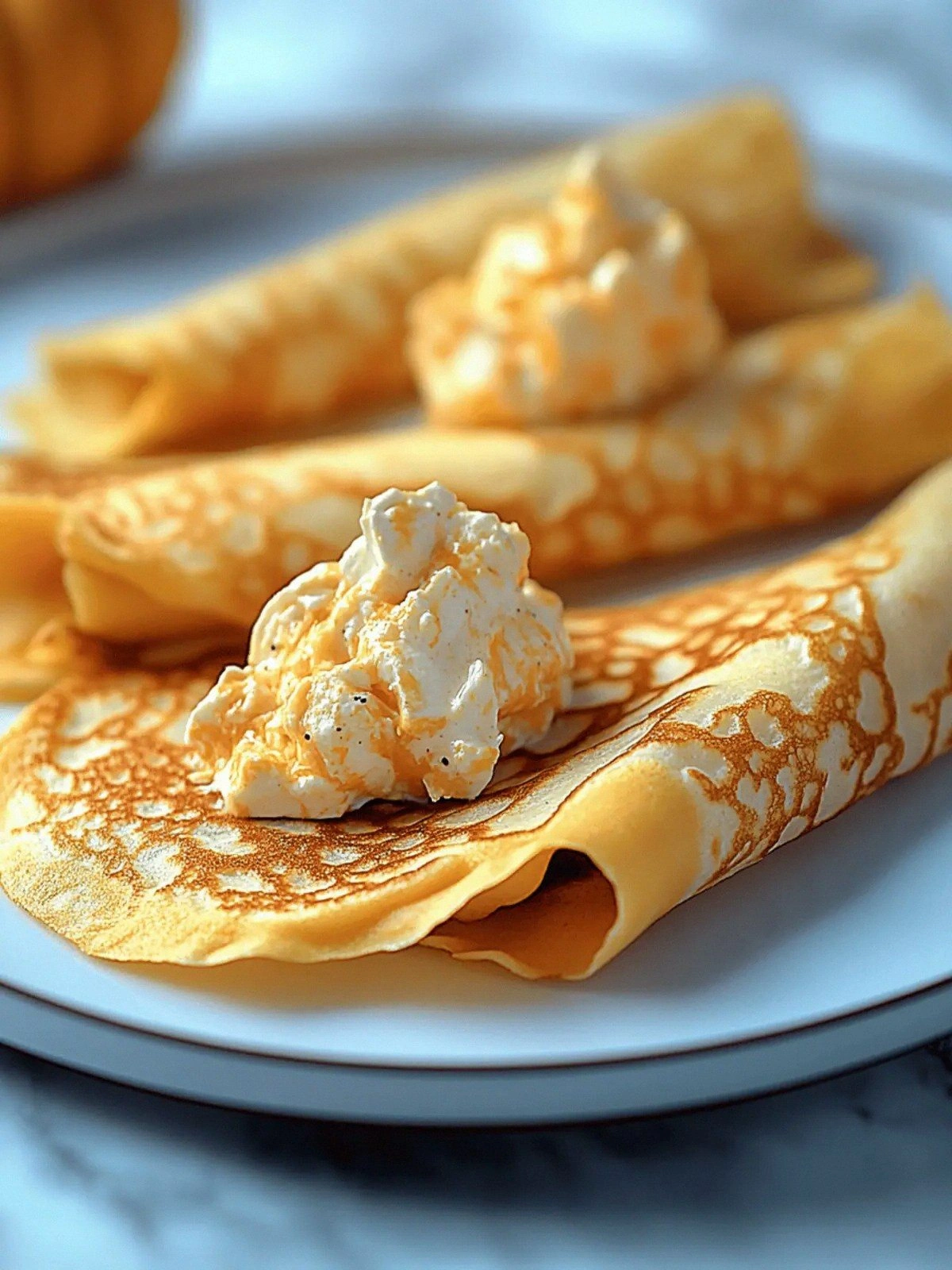
- Spread a thin layer of cream cheese, yogurt, or pumpkin butter on the center of each crepe. The topping should be thin enough to melt into the crepe but thick enough to add a creamy contrast. Fold the crepe in half or roll it like a burrito. The filling should stay inside the crepe, not spill over.
- Serve immediately, garnished with a dusting of powdered sugar or a drizzle of maple syrup if desired. The crepe’s warm, buttery exterior paired with the cool, creamy filling creates a delightful contrast. Each bite should feel like a comforting hug.
That’s it — you did it. But hold on, I’ve got a few more tricks that will take this to another level.
Insider Tricks for Flawless Results
The Temperature Rule Nobody Follows
Many cooks assume medium heat is enough, but the ideal temperature for crepes is a steady medium‑low heat. Too high and the crepe will burn; too low and it won’t set quickly. I found that a heat setting of 180°C (356°F) works best on a gas stove, and on electric, a setting of 3 on the dial. This gives the crepe time to cook evenly and develop a golden crust.
Why Your Nose Knows Best
Before flipping, pause and inhale. The aroma should be warm, buttery, and slightly sweet. If the smell is metallic or burnt, lower the heat. Your nose is a reliable gauge for doneness; trust it. This simple step saves you from burnt edges and uneven cooking.
The 5-Minute Rest That Changes Everything
After the batter has rested, let it sit for an extra five minutes before cooking. This allows the flour to fully hydrate, which reduces the risk of gluten development and creates a more tender crepe. I once made crepes that were too chewy; adding a 5‑minute rest solved it. Give it a try and feel the difference.
Keep It Moist with a Splash of Water
Adding a tablespoon of water to the batter keeps it silky and prevents the edges from drying out. If you skip this step, the crepes can become brittle. The water evaporates quickly, so the batter stays moist without becoming watery.
Use a Non‑Stick Skillet for Success
A high‑quality non‑stick skillet is essential for smooth, even cooking. It reduces the need for excessive butter, preventing the crepe from becoming greasy. If you don’t have a non‑stick pan, use a well‑seasoned cast iron skillet and keep the heat low.
Fold, Don’t Roll, for Even Filling Distribution
When you fold the crepe, use a gentle, even motion to keep the filling centered. Rolling can cause the filling to shift and spill. Folding also gives you a neat, tidy shape that’s easier to eat. Practice a few times and you’ll master the technique.
Creative Twists and Variations
This recipe is a playground. Here are some of my favorite ways to switch things up:
Caramelized Apple Filling
Replace the pumpkin puree with a compote of caramelized apples and a dash of cinnamon. The apple’s natural sweetness pairs beautifully with the vanilla and spice. This variation is perfect for apple lovers and gives a fresh twist.
Chocolate‑Infused Crepe
Add a tablespoon of cocoa powder to the batter and a swirl of dark chocolate sauce on the filling. The chocolate adds depth and richness, creating a decadent dessert. Pair it with a scoop of vanilla ice cream for a complete treat.
Nutty Crunch Layer
Sprinkle chopped toasted pecans or walnuts between the crepe layers. The crunch adds texture contrast, and the nuts’ natural sweetness complements the pumpkin. This is a great way to add protein and healthy fats.
Spiced Chai Twist
Incorporate a teaspoon of chai spice into the batter and a drizzle of chai‑infused honey on the filling. The warm spices bring a new dimension to the flavor profile, making it feel like a cozy chai latte.
Low‑Calorie Option
Swap almond milk for unsweetened coconut milk and use a sugar substitute like stevia or monk fruit. Keep the same spices for flavor. This version maintains the delicious taste while cutting calories.
Storing and Bringing It Back to Life
Fridge Storage
Store the assembled crepes in an airtight container in the refrigerator for up to 3 days. The crepes will stay moist and the filling will remain creamy. Avoid stacking too many layers to prevent the crepes from becoming soggy.
Freezer Friendly
Freeze the crepes in a single layer on a parchment‑lined tray before transferring them to a freezer bag. They can be stored for up to 2 months. When you’re ready, reheat them in the oven at 350°F (175°C) for 10 minutes.
Best Reheating Method
To reheat, wrap the crepe in foil and place it in a preheated oven at 350°F (175°C) for 5–7 minutes. For a quick fix, use a microwave, but add a splash of water to keep the crepe from drying out. The water steams the crepe, restoring its softness.
Add a tiny splash of water before reheating — it steams back to perfection.