I was standing in my kitchen, staring at a pile of over‑ripe rhubarb that had somehow slipped past the grocery store’s eye, and I thought, “If I could turn this into something that feels like a hug, I’ll never have a second‑hand rhubarb again.” That moment was the spark that sent me on a culinary quest to create the ultimate rhubarb custard trifle, a dessert that would make even the most skeptical friend swoon. The kitchen was a symphony of sizzling, the air thick with the tart perfume of rhubarb, the sweet whisper of oranges, and the buttery aroma of fresh cream. I could hear the gentle clink of a whisk against a bowl, the faint hiss of sugar dissolving, and the soft sigh of steam rising from a pot of custard. It was a sensory overload that felt like a promise of something extraordinary.
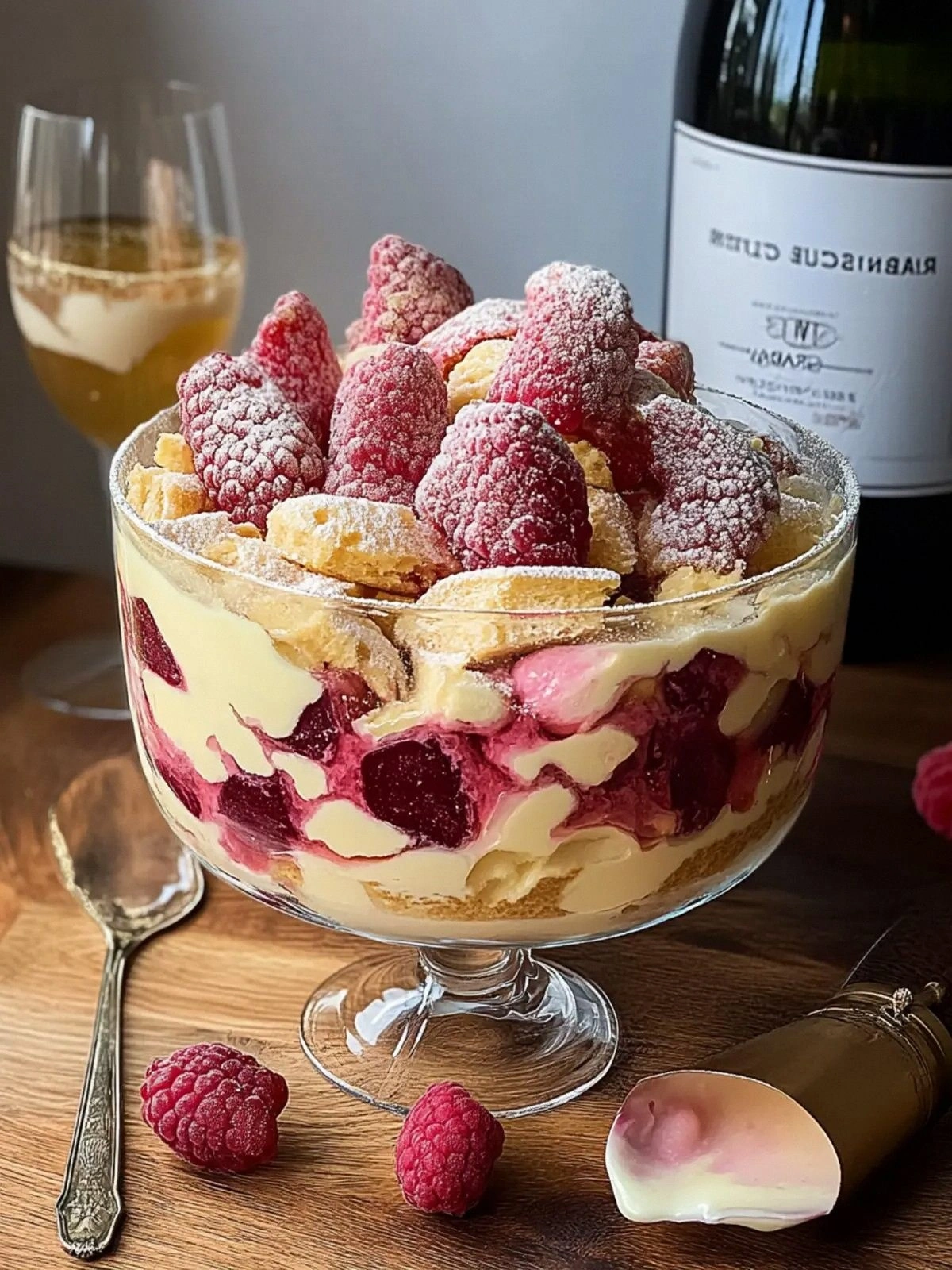
Picture this: a glossy, ruby‑red layer of rhubarb compote, its bright tang cutting through the velvety custard that follows, then a crunch of Nilla wafers that gives way to a burst of fresh raspberries. That contrast of textures—smooth, crunchy, and juicy—creates a dance on your palate that lingers long after the last spoonful. I swear I could taste the citrus zing even before the first bite, and the cardamom’s subtle warmth lingers like a whispered secret. Every bite is a revelation, a little revelation that the humble rhubarb can be the star of a dessert that feels both indulgent and refreshingly light.
What makes this version stand out is not just the combination of flavors but the meticulous layering of techniques that elevate each component. From the precise caramelization of the rhubarb to the silky custard that coats the tongue like velvet, every step is engineered to create a harmony that is both complex and approachable. I dare you to taste this and not go back for seconds—because once you’ve experienced this, the ordinary dessert world feels a little less exciting. It’s the kind of dish that makes you wonder why you ever settled for bland trifles before.
And here’s a hint: the secret sauce is not just in the ingredients but in the way you fold the custard into the layers. A subtle technique of folding the cream, the careful timing of the custard’s set, and a dash of cardamom that you can skip if you’re feeling bold—all combine to create a texture that’s simultaneously airy and dense. The result is a trifle that feels like a dessert and a dessert that feels like a dessert. Let me walk you through every single step—by the end, you’ll wonder how you ever made it any other way.
What Makes This Version Stand Out
- Taste: The bright tartness of rhubarb is balanced by the sweet citrus notes of freshly squeezed orange juice, creating a flavor profile that’s both refreshing and indulgent.
- Texture: A silky custard that clings to each spoonful, a crisp wafer layer that offers a satisfying crunch, and juicy raspberries that burst in your mouth—three distinct textures in one bite.
- Simplicity: Despite its complex layers, the recipe requires only a handful of ingredients and straightforward techniques that even novice cooks can master.
- Uniqueness: The optional cardamom infusion gives the custard a warm, aromatic twist that sets this trifle apart from the usual sweet desserts.
- Crowd Reaction: At gatherings, this dessert becomes the centerpiece, drawing smiles and compliments from guests who can’t resist the layered flavors.
- Ingredient Quality: Using fresh, high‑quality rhubarb and ripe raspberries ensures that each layer bursts with natural sweetness and authentic flavor.
- Cooking Method: The custard is cooked over low heat, preventing curdling, while the rhubarb compote is simmered until it achieves a glossy, jam‑like consistency.
- Make‑Ahead Potential: The trifle can be assembled a day ahead, allowing flavors to meld and the custard to firm up, making it perfect for busy evenings.
Inside the Ingredient List
The Flavor Base
Rhubarb is the star of this dessert, but its sharp acidity needs a sweet partner to shine. 500 g of fresh rhubarb, chopped into bite‑sized pieces, forms the foundation of the compote. The sugar (50 g) dissolves into the rhubarb’s juices, creating a glossy, jam‑like sauce that coats each spoonful. If you skip the sugar, the tartness will dominate, leaving the custard feeling like a salad rather than a dessert.
Orange juice (2 tbsp) adds a citrusy brightness that cuts through the sweetness, preventing the dessert from becoming cloying. Freshly squeezed juice is essential; bottled juice can add unwanted preservatives and a flat flavor. If you’re allergic to citrus, replace the orange juice with a splash of lemon or even a teaspoon of vanilla extract for a different aromatic profile.
The Texture Crew
Corn starch (50 g) is the secret weapon that thickens the rhubarb compote into a silky consistency. It’s added to a small amount of cold water to form a slurry before being stirred into the simmering rhubarb, preventing lumps and ensuring a smooth sauce. Skipping corn starch will leave you with a watery compote that won’t cling to the custard.
Egg yolks (4) are the binding agent of the custard. They give the custard its rich, silky texture and help it set firmly when cooled. If you’re vegan, you can replace the yolks with a plant‑based custard base like silken tofu or a commercial dairy‑free custard mix, but the mouthfeel will differ.
The Unexpected Star
Cardamom (0.5 tsp ground seeds, optional) is the unexpected star that adds a warm, floral note. This spice is subtle, so a little goes a long way. If you don’t have cardamom, a pinch of ginger or a dash of cinnamon can offer a similar warmth, but the flavor profile will shift slightly.
Salt (0.25 tsp fine sea salt) is crucial for balancing sweetness and enhancing the natural flavors of the fruit and custard. A pinch of salt can transform a dessert from ordinary to extraordinary, so don’t skip it.
The Final Flourish
Fresh raspberries (650 g) are the final flourish that adds a burst of juiciness and a pop of color. Their natural tartness pairs beautifully with the sweet custard and the citrusy rhubarb compote. When selecting raspberries, choose firm, bright berries that hold their shape; if you’re using frozen raspberries, thaw them gently to avoid a mushy texture.
Nilla wafers (60) provide a crunchy, buttery contrast that adds depth to each bite. They’re lightly toasted to develop a golden crust, then broken into bite‑sized pieces before layering. If you’re gluten‑free, substitute with gluten‑free wafer cookies or a shortbread alternative.
Everything’s prepped? Good. Let’s get into the real action.
The Method — Step by Step
- Step 1: Prepare the rhubarb compote. In a medium saucepan, combine the chopped rhubarb, 50 g granulated sugar, and 2 tbsp orange juice. Bring to a gentle boil over medium heat, then reduce to a simmer for 10–12 minutes, stirring occasionally. The rhubarb should soften into a jam‑like consistency. If the mixture seems too thick, add a splash of water; if it’s too runny, let it simmer a bit longer.
- Step 2: Thicken with corn starch. In a small bowl, whisk 50 g corn starch with 2 tbsp cold water until smooth. Slowly pour the slurry into the simmering rhubarb, stirring constantly to avoid lumps. The sauce should thicken within a minute and become glossy. Let it sit off the heat for 2 minutes to cool slightly before layering.
- Step 3: Whisk the custard. In a heat‑proof bowl, combine 500 g whole milk, 150 g granulated sugar (divided), 4 egg yolks, 0.25 tsp fine sea salt, and 1 tsp vanilla extract. Whisk until the mixture is smooth. Place the bowl over a saucepan of simmering water (double boiler method) and whisk constantly for 5–7 minutes until the custard thickens enough to coat the back of a spoon. The custard should be silky, not lumpy. Kitchen Hack: Add a pinch of cardamom during this step for a subtle aromatic lift.
- Step 4: Fold in the cardamom and butter. Remove the custard from heat and whisk in 0.5 tsp ground cardamom seeds and 40 g salted butter, softened. The butter melts into the custard, giving it a rich, silky finish. If you’re skipping cardamom, simply whisk in the butter. Let the custard cool to room temperature.
- Step 5: Whip the cream. In a chilled bowl, whip 400 g heavy whipping cream until soft peaks form. Gently fold the whipped cream into the cooled custard, being careful not to deflate the airy texture. The mixture should be light and fluffy, with a slight sheen. Watch Out: Over‑whipping the cream will make the custard grainy; aim for soft peaks.
- Step 6: Toast the wafers. Spread 60 Nilla wafers on a baking sheet and toast in a preheated oven at 180 °C (350 °F) for 5–7 minutes until golden. Let them cool completely, then break into bite‑sized pieces. Toasting the wafers enhances their flavor and gives them a satisfying crunch that won’t become soggy in the trifle.
- Step 7: Assemble the trifle. In a clear glass trifle bowl, start with a thin layer of the rhubarb compote at the bottom. Spoon a generous layer of custard over the compote, then scatter a handful of toasted wafers. Repeat the layers two more times, finishing with a top layer of custard. This creates a visual gradient from deep crimson to creamy ivory.
- Step 8: Add the raspberries. Gently fold 650 g fresh raspberries into the top custard layer, allowing some berries to remain whole for a pop of color and burst of juice. The raspberries should be placed in a way that they’re visible from the top, giving the trifle a vibrant, almost jewel‑like appearance.
- Step 9: Chill and serve. Cover the trifle with plastic wrap, pressing the wrap directly onto the surface to prevent a skin from forming. Refrigerate for at least 3 hours, ideally overnight, so the custard firms up and the flavors meld. When ready to serve, give the trifle a gentle stir to redistribe the layers, then slice a generous portion into a glass, ensuring each serving gets a bit of every component.
Insider Tricks for Flawless Results
The Temperature Rule Nobody Follows
The custard’s texture hinges on maintaining a low, steady heat. A rolling boil will scorch the milk, turning the custard into a curdled mess. Use a double boiler or a heat‑proof bowl over simmering water; the gentle heat allows the custard to thicken without scorching. If you’re short on time, a microwave can work, but keep the power low and stir frequently to avoid hotspots.
Why Your Nose Knows Best
Smell is a powerful indicator of doneness. When the custard is ready, it will emit a warm, sweet aroma that’s almost buttery. If you’re uncertain, gently touch the custard; it should feel firm enough to hold its shape when spooned, but still give slightly under pressure. A quick test is to drop a small spoonful into a glass of cold water—if it floats, it’s set enough.
The 5‑Minute Rest That Changes Everything
After whisking the custard, let it rest for 5 minutes before adding butter and cardamom. This pause allows the egg proteins to settle, preventing lumps and ensuring a silky finish. Skipping this rest step can result in a slightly gritty texture that detracts from the silky custard experience.
Keep the Cream Fresh
Whipping the cream in a chilled bowl and using cold utensils ensures the cream holds its peaks. Warm utensils can cause the cream to soften, leading to a flat, heavy texture that clumps in the custard. If you’re whipping the cream after the custard has cooled, keep the bowl in the fridge for 10 minutes beforehand to maintain the temperature.
Avoiding the “Soggy” Wafers
To keep the wafers crisp, toast them just before assembling the trifle. If you pre‑toast and store them in an airtight container, they’ll absorb moisture from the custard and lose their crunch. If you’re assembling the trifle in advance, place the wafers on a separate plate and add them just before serving.
The Sweet‑Salt Balance
The fine sea salt is a subtle yet vital component; it amplifies the fruit’s brightness and balances the sweetness. A pinch of salt can elevate the dessert’s complexity, but too much will dominate the delicate flavors. Taste the custard before adding the salt, then adjust gradually to achieve a balanced profile.
Creative Twists and Variations
Rhubarb & Lemon
Swap the orange juice for fresh lemon juice and zest for a tart, citrusy twist. The lemon’s sharpness cuts through the custard’s richness, creating a bright, refreshing dessert. This variation is perfect for summer gatherings where a light, zesty flavor is appreciated.
Chocolate‑Infused Trifle
Fold in 30 g of melted dark chocolate into the custard for a decadent, bittersweet layer. The chocolate pairs wonderfully with the tart rhubarb, adding depth and a luxurious mouthfeel. Top with a drizzle of chocolate ganache for an extra wow factor.
Almond‑Butter Variation
Replace the salted butter with 30 g almond butter for a nutty undertone that complements the fruit. The almond butter adds a subtle earthiness, making the trifle feel more complex. This version works well with a sprinkle of toasted almond slivers on top.
Vegan Custard
Use coconut milk in place of whole milk and a thickening agent like agar‑agar instead of egg yolks. Sweeten with maple syrup and add a pinch of turmeric for color. The result is a creamy, vegan trifle that still delivers on flavor and texture.
Ginger‑Spiced Twist
Add 1 tsp ground ginger to the custard for a warm, spicy kick. Ginger’s peppery undertones complement the cardamom and orange, creating a complex flavor profile. This variation is ideal for autumn or holiday menus.
Berry Medley
Replace half the raspberries with blueberries or strawberries for a colorful, multi‑berry experience. The additional berries add varying degrees of sweetness and tartness, creating a layered flavor that’s both vibrant and harmonious. This version is a crowd‑pleaser at brunches and family gatherings.
Storing and Bringing It Back to Life
Fridge Storage
Store the assembled trifle in an airtight container in the refrigerator for up to 3 days. The custard will firm up, while the fruit stays fresh and juicy. Before serving, give the trifle a gentle stir to redistribute the layers. The custard may be slightly denser after refrigeration, but it will regain its silky texture once at room temperature.
Freezer Friendly
For longer storage, separate the layers and freeze each component individually. The custard can be frozen for up to 2 months; thaw in the refrigerator overnight before assembling. The rhubarb compote and raspberries can also be frozen; thaw and gently warm before layering. Avoid refreezing once thawed to maintain texture.
Best Reheating Method
To bring the trifle back to life, let it sit at room temperature for 30 minutes before serving. If you prefer a slightly warm dessert, gently warm the custard in a saucepan over low heat for 2–3 minutes, stirring constantly. Add a splash of milk or water to loosen the custard, then stir in the raspberries and wafers. This method ensures the dessert remains creamy and flavorful.