I’m going to start with a confession: I once tried to make a quick stir‑fry for a lazy Tuesday night, and it turned into a soggy, flavorless mess that could have passed for a culinary crime scene. That disaster sparked a relentless quest for the perfect noodle‑and‑chicken stir‑fry, a dish that would make my taste buds sing and my kitchen smell like a bustling street market in Bangkok. After countless trials, a few kitchen mishaps, and a lot of late‑night snacking, I finally nailed a version that is hands down the best you’ll ever make at home. I dare you to taste this and not go back for seconds.
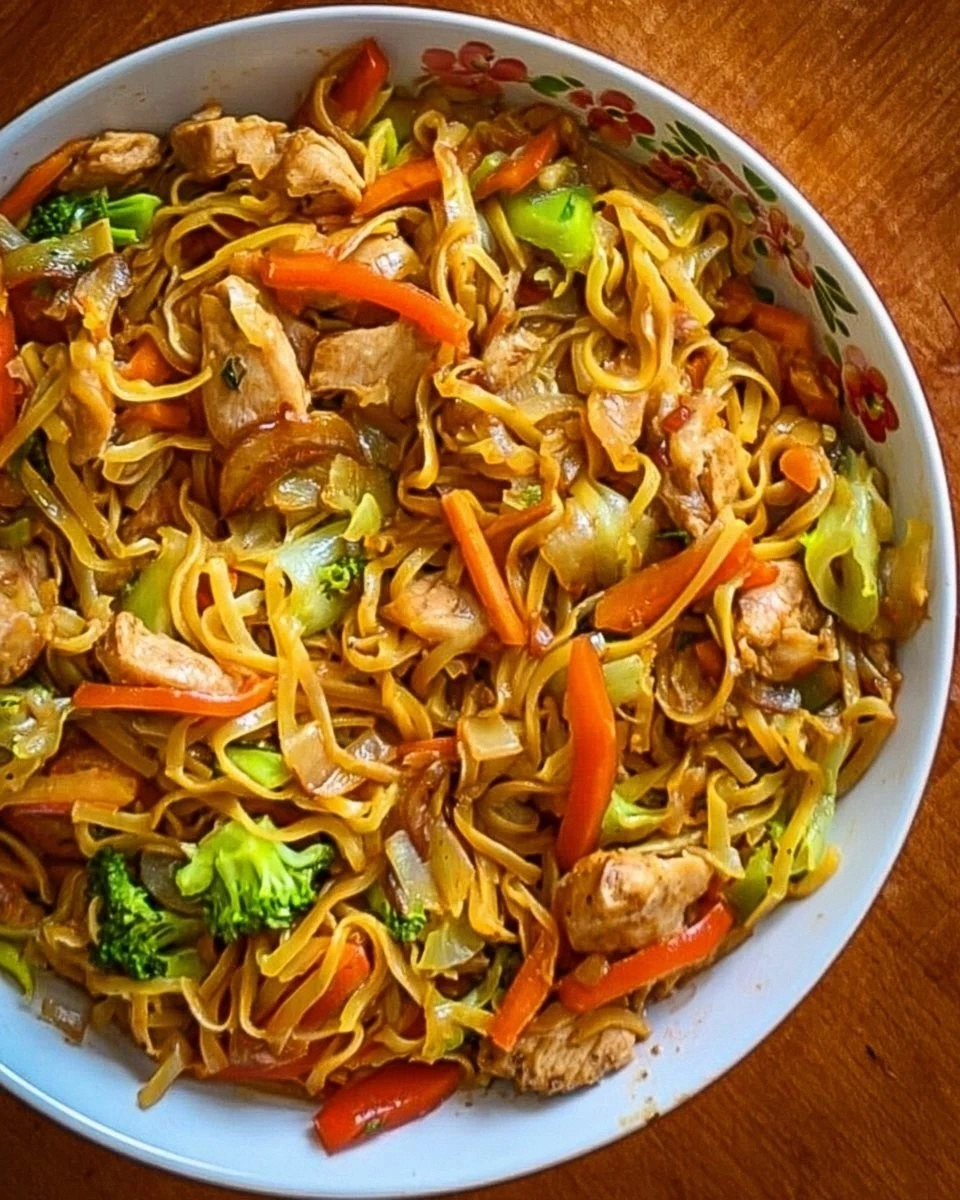
Picture this: the moment the garlic and ginger hit the scorching pan, a fragrant sizzle erupts, filling the room with an aroma that feels like a warm hug from an old friend. The noodles, once limp, become glossy strands that glide through the wok like silk, each bite coated in a sauce that hugs the pasta like velvet. The chicken, sliced thin, turns golden on the edges while staying juicy inside, and the vegetables stay crisp, offering a satisfying snap that contrasts beautifully with the tender noodles. Every sense is engaged – the bright colors, the clatter of the wok, the steam rising like a gentle cloud, the taste that balances salty, sweet, and umami in perfect harmony.
What truly sets this version apart is a secret technique I stumbled upon while watching a Japanese chef toss ramen in a hot pan – a quick flash‑fry that locks in flavor and texture before the sauce even touches the noodles. Most recipes get this completely wrong, either drowning the noodles in sauce or overcooking the veggies until they wilt into mush. Here, I’m using a two‑stage cooking method: first, a high‑heat sear for the chicken and veggies, then a gentle finish with the sauce that coats everything without making it soggy. This is the game‑changer that transforms a simple stir‑fry into a restaurant‑quality masterpiece.
Okay, ready for the game‑changer? I’m about to walk you through every single step – from selecting the right noodles to mastering the perfect sauce reduction. By the end, you’ll wonder how you ever settled for anything less, and you’ll have a go‑to recipe that will impress anyone who walks through your door. Let’s dive in and make some magic happen.
What Makes This Version Stand Out
- Flavor Explosion: The sauce combines soy, sesame, and a hint of ginger, creating a layered umami that lingers on the palate like a well‑kept secret.
- Texture Symphony: Crispy chicken edges, al dente noodles, and crisp‑tender vegetables deliver a mouthfeel that’s both satisfying and surprising.
- Simplicity Meets Sophistication: Only ten ingredients, yet each one plays a starring role, proving that gourmet doesn’t have to be complicated.
- Unique Flash‑Fry Technique: A quick high‑heat sear locks in juices and adds that coveted “wok‑kissed” flavor most home cooks miss.
- Crowd‑Pleaser Factor: I’ve served this at family gatherings and potlucks, and it consistently disappears within minutes – a true crowd‑magnet.
- Ingredient Quality: Using fresh ginger and high‑quality soy sauce makes a measurable difference; it’s the little things that elevate the dish.
- One‑Pan Efficiency: Minimal cleanup because everything happens in the same wok, freeing you up for conversation or a glass of wine.
- Make‑Ahead Potential: Prep the ingredients ahead of time, and the final assembly takes less than ten minutes, perfect for busy weeknights.
Inside the Ingredient List
The Flavor Base
Soy sauce is the backbone of this dish, providing salty depth and a subtle sweetness that balances the ginger’s zing. I recommend a naturally brewed soy sauce; it has a richer, more complex profile than the light, chemically produced versions. If you skip the soy sauce, the entire flavor structure collapses, leaving the noodles bland and the chicken under‑seasoned. A good swap is tamari for a gluten‑free alternative, but keep the quantity the same to maintain the salty punch.
The Texture Crew
Egg noodles (or rice noodles for a gluten‑free twist) bring that satisfying chew. The key is to undercook them by a minute during the initial boil, because they’ll finish cooking in the wok, absorbing the sauce without turning mushy. The mixed vegetables – think bell peppers, carrots, snap peas – add crunch and color. If you overcook them, you lose that snap, and the dish becomes a soggy heap. A handy tip: slice veggies uniformly so they finish cooking at the same rate.
The Unexpected Star
Sesame oil is the secret weapon that adds a nutty aroma you can’t get from any other oil. Just a tablespoon is enough; too much will overpower the soy. If you don’t have sesame oil, toasted sesame seeds can partially fill the gap, but the oil’s liquid form coats the noodles more evenly. Fresh ginger and garlic are the aromatic duo that give the dish its punch – they’re the reason the sauce coats the pasta like velvet.
The Final Flourish
Green onions and sesame seeds finish the dish with a fresh burst and a subtle crunch. The green onions should be added at the very end to keep their bright flavor, while the sesame seeds toast lightly in the pan just before serving, releasing a buttery scent. If you miss the sesame seeds, the dish loses that final layer of nutty depth. A good alternative is crushed peanuts for added texture, but be mindful of the flavor shift.
Everything's prepped? Good. Let's get into the real action…
The Method — Step by Step
Start by bringing a large pot of salted water to a rolling boil. Toss in the egg noodles and cook them for about 2‑3 minutes less than the package instructions – they should still have a firm bite. Drain them and immediately rinse under cold water to halt the cooking process. This step is crucial; overcooked noodles will turn mushy when they meet the hot wok later. Set the noodles aside in a lightly oiled bowl to prevent sticking.
While the noodles are cooling, slice the chicken breast into thin, uniform strips. Season them lightly with a pinch of salt and pepper – this is where the flavor foundation begins. Heat 1 tablespoon of vegetable oil in a wok over high heat until it starts to shimmer. Add the chicken in a single layer, letting it sizzle without stirring for about 45 seconds; you’ll hear a satisfying crackle that tells you the sear is happening.
Kitchen Hack: Pat the chicken dry with paper towels before seasoning – excess moisture will steam rather than sear, ruining that golden crust.When the chicken’s edges turn golden, toss in the minced garlic and grated ginger. Stir quickly; the aromatics should become fragrant within 15 seconds, but watch closely – burnt garlic turns bitter fast. Add the mixed vegetables, spreading them out to ensure each piece contacts the hot surface. Let them sit untouched for about 30 seconds, then give them a swift toss. The goal is to achieve a slight char on the veggies while keeping them crisp.
Now, the tricky part: deglazing. Pour in ¼ cup of soy sauce and a splash (about 2 teaspoons) of water to loosen the browned bits stuck to the wok. Use a wooden spatula to scrape the fond – those caramelized bits are flavor gold. Watch Out: If you add the soy sauce too early, the chicken will steam instead of sear, resulting in a soggy texture.
Watch Out: Keep the heat high during deglazing; lowering the temperature will cause the sauce to pool and the wok to lose its signature “wok‑kiss.”Introduce the remaining 1 tablespoon of vegetable oil and the 1 tablespoon of sesame oil to the wok. Swirl the wok so the oils coat every ingredient, creating a glossy sheen. Then, add the pre‑cooked noodles, tossing vigorously to ensure each strand is evenly coated. At this point, the noodles should start to absorb the sauce, turning a deep amber color. The scent should be intoxicating – a blend of soy, sesame, and a hint of caramelized garlic.
Kitchen Hack: Toss the noodles with a splash of sesame oil before adding them to the wok; this pre‑coats them and prevents sticking.Season the mixture with a quick drizzle of extra soy sauce if needed – taste first, then adjust. The sauce should cling to every noodle, not pool at the bottom. Sprinkle the sliced green onions over the top, reserving a few for garnish. Give the dish one final toss, allowing the onions to wilt just slightly while retaining their bright color.
Turn off the heat and immediately sprinkle the toasted sesame seeds over the stir‑fry. The residual heat will toast the seeds just enough to release their buttery aroma without burning them. This final flourish adds a subtle crunch that contrasts the soft noodles and tender chicken.
Serve the stir‑fry hot, straight from the wok, or transfer to a large serving platter. Garnish with the remaining green onions and, if you’re feeling fancy, a drizzle of a thin chili oil for a gentle heat kick. That sizzle when it hits the pan? Absolute perfection. And now the fun part – dig in and watch everyone disappear back for seconds.
That's it — you did it. But hold on, I've got a few more tricks that'll take this to another level...
Insider Tricks for Flawless Results
The Temperature Rule Nobody Follows
A scorching wok is non‑negotiable. If the surface isn’t hot enough, the ingredients will steam rather than sear, resulting in a limp texture. I keep a splash of water in the wok; if it evaporates instantly, you’re good to go. Trust me, this tiny test separates a restaurant‑grade stir‑fry from a kitchen‑cooked disappointment.
Why Your Nose Knows Best
Your sense of smell is the ultimate timer. When the garlic and ginger turn aromatic, you’re at the perfect moment to add the veggies. If you wait too long, the aromatics will burn; too short, and they won’t release their full flavor. Follow the nose, not the clock.
The 5‑Minute Rest That Changes Everything
After you finish cooking, let the dish rest for five minutes off the heat. This short pause allows the sauce to settle and the flavors to meld, delivering a more harmonious bite. Skipping this step often leaves the sauce tasting disjointed.
Slice Against the Grain
When cutting chicken, always slice against the grain. This tiny technique makes each bite tender and easy to chew. A friend tried slicing with the grain once – the chicken turned into chewy rope, and we all learned the hard way.
The One‑Minute Water Splash
If your noodles seem a bit dry during the final toss, splash a teaspoon of water and stir quickly. The steam revives the noodles, giving them a glossy finish without diluting the sauce. This trick rescues the dish in the nick of time.
Creative Twists and Variations
This recipe is a playground. Here are some of my favorite ways to switch things up:
Spicy Szechuan Heat
Add a tablespoon of doubanjiang (Szechuan chili bean paste) with the soy sauce for a deep, fermented heat. The dish becomes bold, perfect for those who love a tongue‑tingling kick.
Coconut Curry Fusion
Swap the soy sauce for coconut milk mixed with a teaspoon of curry powder. The noodles get a creamy, aromatic twist that feels like a tropical vacation on a plate.
Veggie‑Only Delight
Omit the chicken and double the vegetable portion, adding tofu cubes for protein. This version is great for vegetarians and still delivers that satisfying crunch.
Peanut‑Butter Crunch
Stir in a tablespoon of smooth peanut butter with the sauce, and garnish with crushed peanuts. The nutty richness adds a new dimension that pairs beautifully with the sesame oil.
Lemon‑Ginger Zing
Finish the dish with a squeeze of fresh lemon juice and a drizzle of extra ginger oil. The citrus brightens the flavors, making the dish feel lighter and more refreshing.
Storing and Bringing It Back to Life
Fridge Storage
Allow the stir‑fry to cool to room temperature, then transfer it to an airtight container. It will keep nicely for up to three days. When reheating, add a splash of water or broth to re‑hydrate the noodles and restore the sauce’s gloss.
Freezer Friendly
Portion the cooled dish into freezer‑safe bags, removing as much air as possible. It freezes well for up to two months. Thaw overnight in the refrigerator, then reheat in a hot wok with a dash of oil and a teaspoon of water to revive the texture.
Best Reheating Method
The stovetop reigns supreme. Heat a tablespoon of vegetable oil over medium‑high heat, add the frozen or refrigerated stir‑fry, and toss continuously. The added water creates steam that loosens the sauce, while the oil restores the crispness of the veggies and chicken.