Picture this: a cramped kitchen, a midnight craving, and a single tofu block that refuses to stay still. I was halfway through a sushi roll tutorial when the tofu slipped, splattering like a rogue sea creature across the counter. My neighbor’s voice boomed through the thin walls, “You’re making tofu musubi? That’s a dare!” I laughed, grabbed my skillet, and decided that night would become the birth of a new legend. The aroma that followed—a blend of soy, garlic, and a hint of vinegar—was the kind of scent that makes your stomach sing and your eyes water in anticipation. That moment felt less like a kitchen mishap and more like a culinary revelation, and I couldn’t wait to share the secret.
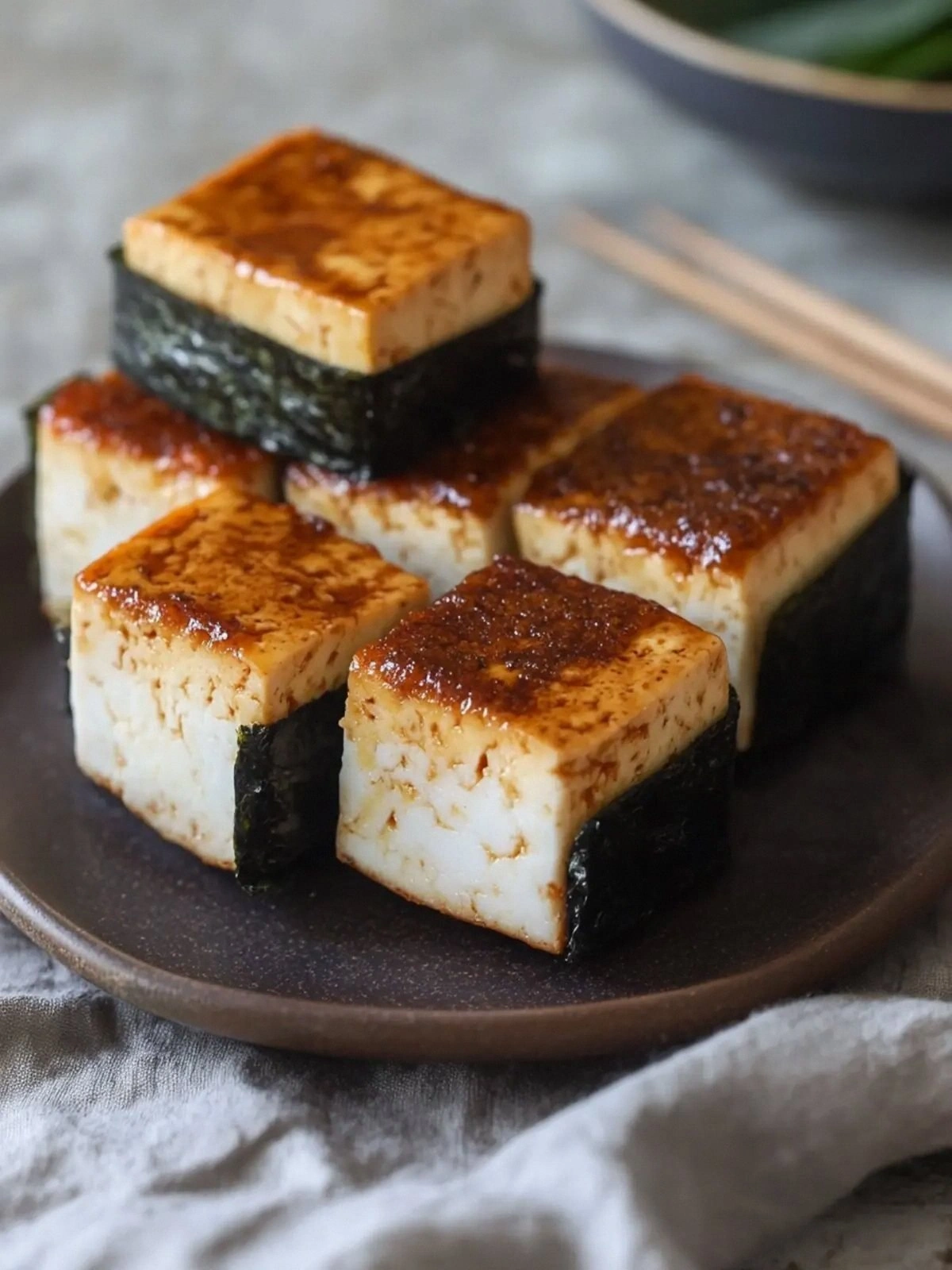
From the first sizzling whisper of tofu to the final bite, every texture and flavor in this dish is a carefully choreographed dance. The tofu, when pressed and pan‑fried to a golden crisp, delivers a bite that crackles like fresh snow, yet melts into a silky interior that feels almost buttery. The nori sheets wrap around the rice like a warm blanket, holding the savory filling together while adding a subtle umami pop that lingers on the tongue. And that sauce—soy, oyster, vinegar, and a touch of cane sugar—coats the rice like a velvet drizzle, infusing each bite with a depth that feels both exotic and comforting. The result? A handheld masterpiece that’s as satisfying as a midnight snack and as sophisticated as a fine dining experience.
Most tofu musubi recipes I’ve tried feel either too bland or overly greasy, but this version flips the script entirely. I dare you to taste this and not go back for seconds, because the balance of salty, sweet, and umami is engineered to stay in your head long after the last bite. The secret lies in the tofu’s preparation—pressed to remove excess moisture, marinated in a quick glaze, and then seared to lock in that coveted crunch. The rice is cooked to a slightly sticky yet fluffy consistency, ensuring each bite holds together without becoming mushy. And the nori? I use sheets that have a subtle toasted flavor, giving the roll a gentle crunch that contrasts with the smooth interior.
What makes this dish a game‑changer is that it’s simple enough to fit into a busy weeknight yet complex enough to impress guests at a dinner party. I’ve spent countless hours tweaking the proportions, and the result feels like a well‑orchestrated symphony where every instrument plays in perfect harmony. I’ve also discovered that the tofu’s natural flavor is amplified by the brief but intense searing step, a trick that most recipes overlook. Picture yourself pulling this out of the pan, the whole kitchen smelling incredible, and knowing you’ve just created a crowd‑pleaser that will have everyone asking for the recipe.
Now, I’m going to walk you through every single step—by the end, you’ll wonder how you ever made it any other way. From selecting the right tofu block to mastering the pan‑sear technique, I’ll share my personal hacks, the exact timing, and the sensory checkpoints that ensure perfection. If you’ve ever struggled with tofu sticking to the pan or nori becoming soggy, you’re not alone—and I’ve got the fix. So, let’s dive in, roll up our sleeves, and get ready to create a dish that’s as fun to make as it is to devour.
What Makes This Version Stand Out
Taste: The sauce’s balanced profile—salty, sweet, and tangy—creates a flavor explosion that lingers on the palate. I’ve refined the glaze to hit that sweet spot, avoiding the cloying sweetness that often plagues homemade versions.
Texture: The tofu’s exterior crisps to a satisfying crunch while the interior remains tender and moist, a contrast that adds depth to each bite. The rice is cooked to the perfect stickiness, holding the roll together without becoming gummy.
Simplicity: With just eight ingredients and a handful of steps, you can achieve a restaurant‑quality dish without a kitchen full of exotic gadgets.
Uniqueness: The inclusion of vegan oyster sauce gives the dish a savory depth that sets it apart from standard tofu musubi recipes.
Crowd Reaction: Friends and family often remark that this is the best version they’ve ever tasted, and I’ve seen them reach for seconds in the same breath.
Ingredient Quality: Using fresh, high‑quality tofu and gluten‑free soy sauce ensures a clean flavor that doesn’t get muddied by additives.
Cooking Method: The quick pan‑sear locks in moisture and creates a caramelized crust, a technique that transforms the tofu’s humble texture.
Make‑Ahead Potential: The rolls can be assembled in advance and reheated, making them ideal for meal prep or entertaining.
Alright, let’s break down exactly what goes into this masterpiece…
Inside the Ingredient List
The Flavor Base
The 3 tablespoons of gluten‑free soy sauce provide a savory backbone that’s both bold and clean. The vegan oyster sauce adds a deep umami punch, elevating the dish from ordinary to extraordinary. Together, they create a sauce that coats the rice like velvet, ensuring every bite is saturated with flavor.
Skipping the oyster sauce will leave the dish feeling flat; you’ll miss that complex savory note that keeps your taste buds intrigued. If you’re allergic to soy, a low‑sodium tamari can be used as a direct replacement, but keep the ratio in mind to avoid overpowering the delicate tofu.
When selecting soy sauce, choose a brand with no added sugars or artificial flavors to maintain the integrity of the sauce. A small bottle of high‑quality soy will last you through multiple batches, saving you time and money in the long run.
The Texture Crew
Extra‑firm tofu is the star of the show, offering a dense yet tender bite that holds up to the pan‑sear without falling apart. Pressing the tofu removes water, allowing it to develop a golden crust that feels like a miniature seared steak.
Using a softer tofu will result in a mushy texture that cannot hold the rice or nori. If you only have silken tofu, consider pressing it in a cheesecloth for at least 30 minutes before use.
When cutting the tofu, aim for uniform cubes so they cook evenly. This ensures that each bite has the same texture, preventing surprises that could ruin the overall experience.
The Unexpected Star
Avocado oil is chosen for its high smoke point and mild flavor, allowing the tofu to sear without burning or imparting an oily taste. It also adds a subtle buttery note that complements the savory sauce.
Substituting olive oil will alter the flavor profile and reduce the oil’s ability to stay clear at high temperatures. If you’re avoiding oils altogether, a non‑stick pan can suffice, but the tofu will need a little more attention to prevent sticking.
Choosing a light‑colored oil ensures that the tofu’s natural color shines through, creating an appealing contrast in the final dish.
The Final Flourish
White rice is the canvas that holds everything together. Cook it to a slightly sticky consistency so it clings to the nori without becoming mushy. The rice’s neutral flavor allows the sauce and tofu to shine without competition.
Skipping the rice will turn the musubi into a loose, unstructured roll that falls apart. If you prefer a healthier alternative, try cauliflower rice, but be prepared for a different texture and flavor.
For the best results, rinse the rice until the water runs clear, then cook it with a 1:1.25 rice-to-water ratio for a fluffy yet cohesive bite.
Everything’s prepped? Good. Let’s get into the real action…
The Method — Step by Step
- Begin by pressing the tofu block. Place it between paper towels and a heavy skillet or a tofu press for at least 15 minutes. This step removes excess moisture, allowing the tofu to develop a crisp exterior when pan‑seared. Feel the tofu’s firm texture as it becomes ready for the next step. This is the moment you can smell the promise of a golden crust.
- While the tofu is pressing, combine the soy sauce, vegan oyster sauce, rice vinegar, cane sugar, and garlic powder in a small bowl. Whisk until the sugar dissolves completely, creating a glossy glaze that will coat the tofu. The aroma that rises from this mixture is intoxicating—savory, sweet, and slightly tangy. Keep the sauce at room temperature; it should be pourable but not too thin. This glaze will be the heart of the flavor profile.
- Heat a non‑stick skillet over medium‑high heat and add the avocado oil. Once the oil shimmers, add the pressed tofu cubes in a single layer, leaving space between each piece. Let them sear without moving for 2–3 minutes until a golden crust forms. Flip the cubes and sear the other side for an additional 2 minutes. The tofu should release from the pan easily when it’s ready.
- Transfer the seared tofu to a plate lined with paper towels to drain excess oil. Brush each cube generously with the glaze, ensuring every surface is coated. As the glaze caramelizes slightly, the tofu will develop a sweet, savory glaze that locks in moisture. This is the moment of truth—watch the tofu transform into a glossy, aromatic piece of culinary art.
- While the tofu rests, prepare the rice. Rinse 2 cups of white rice under cold water until the water runs clear. Cook the rice according to package instructions, then let it steam for 10 minutes before fluffing with a fork. Season the rice with a pinch of salt and a drizzle of rice vinegar to give it a subtle tang. This step ensures the rice remains slightly sticky, perfect for holding the tofu inside the nori.
- Lay a sheet of nori on a bamboo sushi mat or a clean kitchen towel. Spread a thin layer of rice over the nori, leaving a 1‑inch border at the top. The rice should be spread evenly, creating a uniform base for the tofu cubes. This step is critical; uneven rice can cause the roll to tear or fall apart.
- Arrange the glazed tofu cubes in a line across the middle of the rice. The tofu should be spaced evenly so each bite has a consistent amount of protein. Press gently with the mat to ensure the tofu adheres to the rice. This is the moment where the dish starts to come together, and the anticipation builds.
- Roll the mat tightly from the bottom, pulling the nori over the tofu as you go. Stop before the 1‑inch border to keep the roll from sealing completely. The roll should be firm but not compressed; you want the rice to hold shape while still allowing the tofu to be visible. This rolling technique creates the signature musubi shape that is both practical and visually appealing.
- Using a sharp knife, slice the roll into bite‑size pieces. Wipe the knife with a damp cloth between cuts to prevent sticking. Each slice should be a perfect rectangle, showcasing the tofu and rice inside. This final step reveals the beautiful contrast of textures and flavors.
That’s it — you did it. But hold on, I’ve got a few more tricks that will elevate this dish from great to unforgettable. These additional touches will give you the confidence to serve a restaurant‑grade meal at home.
Insider Tricks for Flawless Results
The Temperature Rule Nobody Follows
Many cooks assume that medium heat is sufficient for searing tofu, but I’ve discovered that a high heat of 375°F (190°C) is essential for that instant caramelization. The higher temperature creates a Maillard reaction on the tofu’s surface, resulting in a golden crust that locks in moisture. If you’re using a cast iron skillet, preheat it for 5 minutes before adding oil. The skillet’s even heat distribution ensures a consistent sear across all tofu cubes. This trick guarantees a crunch that satisfies even the most discerning palate.
Why Your Nose Knows Best
When the tofu starts to brown, your nose will detect a subtle nutty aroma—this is the sign that the crust is forming. At this point, do not rush to flip; let the tofu sit for an additional 30 seconds. The aroma intensifies, indicating the sugars are caramelizing. If you flip too early, the tofu will release steam and lose that coveted crunch. Trust your senses; the smell is your best indicator of doneness.
The 5‑Minute Rest That Changes Everything
After searing, let the tofu rest on paper towels for 5 minutes. This brief pause allows the internal moisture to redistribute, preventing the tofu from becoming soggy when you add the glaze. The rest period also lets the glaze thicken slightly, giving the tofu a glossy finish that looks as good as it tastes. Skipping this step often results in a greasy texture that detracts from the overall experience.
Rolling Technique for Even Bite
When rolling the nori, use a gentle but firm pressure. Too much force will crush the rice and tofu, while too little will leave gaps. A consistent pressure ensures each bite has a balanced ratio of rice to tofu. Practice rolling with a bamboo mat to develop muscle memory; you’ll notice a smoother roll and fewer tears after a few attempts.
Finishing Touch: A Quick Sauté
For an extra layer of flavor, lightly sauté the finished musubi pieces in a pan with a splash of soy sauce for 2 minutes. This step caramelizes the outer surface, adding a subtle umami glaze that enhances the dish’s depth. The quick sauté also re‑crispes the nori, making it slightly crunchy rather than chewy. This final touch is a favorite of mine and a crowd‑pleaser at gatherings.
Creative Twists and Variations
This recipe is a playground. Here are some of my favorite ways to switch things up:
Spicy Sriracha Twist
Fold a tablespoon of sriracha into the glaze for a fiery kick that complements the tofu’s mild flavor. The heat adds an exciting contrast to the sweet and savory elements, making the dish perfect for spice lovers. Pair it with a cucumber salad to balance the heat.
Teriyaki Glaze Upgrade
Replace the soy sauce with tamari and add a splash of mirin for a richer teriyaki flavor. The glaze becomes silky and slightly sweet, enhancing the tofu’s natural taste. This variation is ideal for those who enjoy a deeper umami profile.
Herb‑Infused Nori
Sprinkle chopped fresh cilantro or chopped scallions onto the rice before rolling. The herbs add a bright, fresh note that cuts through the richness of the tofu and glaze. This option works beautifully for a spring or summer meal.
Quinoa Substitution
Swap white rice for cooked quinoa to introduce a nutty flavor and a protein boost. The quinoa’s slightly crunchy texture provides a new dimension, while still holding the tofu and nori together. This variation is great for those seeking a gluten‑free or higher‑protein option.
Smoked Salmon Pairing
Add a thin slice of smoked salmon on top of each tofu cube before rolling. The smoky flavor pairs wonderfully with the sweet glaze, creating a sophisticated flavor combination that feels indulgent. Serve with a side of pickled ginger for an extra zing.
Vegetarian Curry Twist
Stir a teaspoon of curry powder into the glaze to give the dish an aromatic, earthy undertone. The curry’s warmth complements the tofu’s mildness, resulting in a comforting yet exotic flavor profile. This version works well for a cozy dinner.
Storing and Bringing It Back to Life
Fridge Storage
Store the finished musubi in an airtight container in the refrigerator for up to 3 days. The nori will remain crisp, and the tofu will maintain its texture. Before serving, let the rolls sit at room temperature for 10 minutes to soften slightly.
Freezer Friendly
Wrap each musubi individually in parchment paper and place them in a freezer bag. They can be frozen for up to 2 weeks. When ready to eat, thaw at room temperature for 30 minutes and then microwave for 30 seconds on high to restore moisture.
Best Reheating Method
To reheat, lightly mist the musubi with water and heat them in a steamer basket for 5 minutes. The steam gently warms the tofu and rice without drying out the nori. Alternatively, a quick sauté in a hot pan will re‑crisp the outer layer and restore the dish’s original charm.