I was standing in my kitchen, the kind of kitchen where the old copper pots still hang like relics from a bygone era, when my roommate dared me to create a drink that could make the coldest December night feel like a cozy hug from an old friend. I laughed, grabbed the nearest bottle of Cabernet, and thought, “What if I melt chocolate into wine?” The idea was as reckless as it was brilliant, and the first sip was a revelation that made my taste buds do a tiny victory dance. That moment sparked a culinary obsession that has now turned into the ultimate indulgent red wine hot chocolate you’re about to read about.
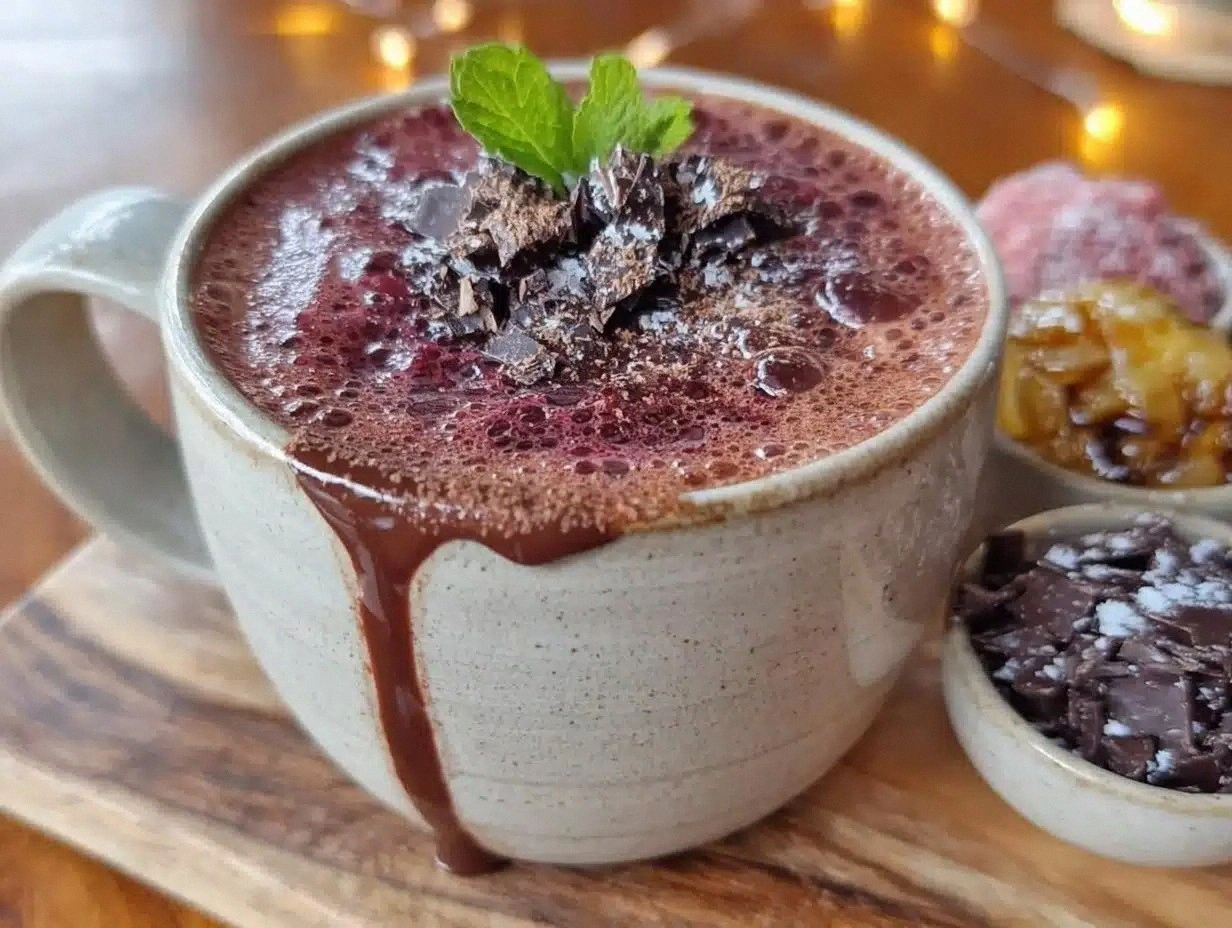
Picture this: a deep mahogany mug cradled in your hands, steam spiraling up like a lazy dragon, the aroma of cocoa mingling with the subtle tannins of a robust red wine. You hear the faint crackle of the stovetop as the mixture comes to a gentle simmer, and you can almost taste the velvety richness before it even touches your lips. The first sip is an orchestra of flavors—dark chocolate’s bittersweet depth, the silkiness of whole milk, the luxurious lift of heavy cream, and that unmistakable, slightly fruity whisper from the wine that makes you think of winter evenings by the fireplace.
Most hot chocolate recipes either drown in sugar or fall flat because they miss that secret ingredient that adds complexity without overwhelming the palate. I’ve tried a dozen variations—some too sweet, some too watery, some that just didn’t have that “wow” factor. This version stands out because it balances decadence with restraint, using high‑quality dark chocolate and a dry red wine that brings a subtle acidity to cut through the richness. The result is a drink that feels both indulgent and sophisticated, perfect for a holiday party or a quiet night when you need a little extra comfort.
And here’s the kicker: I’m going to reveal a technique that most recipes completely skip—a gentle tempering of the chocolate with a splash of warm milk before it meets the wine. This prevents the chocolate from seizing and creates a silky texture that coats your tongue like velvet. I dare you to taste this and not go back for seconds. Let me walk you through every single step — by the end, you’ll wonder how you ever made it any other way.
What Makes This Version Stand Out
- Depth: The dry red wine adds a layer of fruity complexity that plain chocolate simply can’t achieve, turning a simple drink into a tasting experience.
- Silkiness: Whole milk paired with heavy cream creates a mouthfeel that’s as smooth as a silk scarf sliding over skin on a chilly night.
- Balance: Using 70% dark chocolate ensures a bittersweet backbone, while a modest amount of sugar lets the natural sweetness of the wine shine.
- Simplicity: Only nine ingredients, all pantry‑friendly, mean you can whip this up in under an hour without a grocery run.
- Show‑stopper: The garnish options—whipped cream, chocolate shavings, or a dusting of cinnamon—turn this into a visual masterpiece that guests will Instagram.
- Quality‑first: Insisting on whole milk and a good-quality dry red wine makes the difference between “okay” and “hands down the best version you’ll ever make at home.”
- Make‑ahead potential: You can prep the base in advance and simply reheat, making it perfect for holiday gatherings where you’re juggling multiple dishes.
- Versatility: Swap the wine for a fortified sherry or a spiced mulled wine for a seasonal twist without losing the core magic.
Inside the Ingredient List
The Flavor Base
Milk is the silent hero of this drink. Whole milk provides the perfect balance of fat and lactose, giving the hot chocolate its creamy backbone while allowing the wine’s tannins to shine. If you opt for almond or oat milk, you’ll still get a silky texture, but the flavor profile shifts slightly toward nutty or oat‑sweet notes. Skipping milk altogether would make the drink feel thin, as if the chocolate were trying to swim in a sea of wine without any buoyancy.
Red wine is the unexpected star. A dry Cabernet Sauvignon or Merlot brings subtle fruit‑forward notes—think blackcurrant and a whisper of oak—that cut through the chocolate’s richness. The wine’s acidity acts like a culinary high‑lighter, preventing the drink from feeling cloyingly sweet. If you’re daring, try a Pinot Noir for a lighter, earthier nuance that pairs beautifully with the chocolate’s bitterness.
The Texture Crew
Heavy cream is the indulgent secret weapon. Its high butterfat content adds a velvety thickness that makes each sip feel like a dessert in a mug. Skipping the cream will still yield a tasty drink, but you’ll lose that luxurious mouthfeel that makes this recipe feel like a celebration rather than a simple comfort beverage. For a lighter version, you can halve the cream and replace the rest with extra milk, though the texture will be less opulent.
Dark chocolate, preferably at least 70% cocoa, is the backbone of flavor. The higher cocoa content gives a deep, slightly bitter edge that balances the wine’s fruitiness and the sugar’s sweetness. If you use bittersweet chips, make sure they’re not coated in additives that could affect the texture. A low‑quality chocolate will taste flat and may cause the mixture to seize when combined with the hot liquid.
The Unexpected Star
Cocoa powder adds an extra punch of chocolate intensity without the fat of melted chocolate. It also helps to thicken the drink slightly, giving it that perfect, sip‑able consistency. Unsweetened cocoa ensures you control the sweetness entirely with the granulated sugar, which you can adjust based on the wine’s natural sweetness. Skipping cocoa would make the drink less robust and could lead to a thinner texture.
Granulated sugar is the subtle sweetener that ties everything together. Because you’re using dark chocolate and a dry wine, a modest amount of sugar is enough to round out the bitterness without overwhelming the complex flavors. Feel free to taste as you go; a touch more sugar can be added if your wine is particularly austere.
The Final Flourish
Vanilla extract is the aromatic whisper that elevates the entire drink, smoothing out any harsh edges from the cocoa or wine. Just a splash—about one teaspoon—adds a warm, comforting note that feels like a cozy blanket on a cold night. Salt, just a pinch, is the unsung hero that enhances the chocolate’s depth and balances the sweetness, much like a director’s subtle cut that makes a scene unforgettable.
Optional garnishes such as whipped cream, chocolate shavings, marshmallows, or a sprinkle of cinnamon are not just decorative—they add texture contrasts that make each sip an adventure. Whipped cream adds airy lightness, chocolate shavings give a crunchy surprise, while cinnamon introduces a spicy undertone that pairs wonderfully with the wine’s fruit notes.
Everything's prepped? Good. Let's get into the real action...
The Method — Step by Step
Start by gathering all your ingredients and measuring them out. This might sound like a no‑brainer, but trust me, the chaos of hunting for a measuring cup mid‑simmer is a recipe‑killing nightmare. Place the whole milk, heavy cream, and red wine in a medium‑sized saucepan. I like to use a heavy‑bottomed pot because it distributes heat evenly, preventing scorching.
Kitchen Hack: If you’re short on time, combine milk and cream in a microwave‑safe bowl and heat for 1‑2 minutes before adding to the pot. This jump‑starts the temperature and reduces stovetop time.Turn the heat to medium‑low and gently warm the liquid mixture. You want it to steam, not boil—think of a gentle sigh rather than a shout. As the mixture warms, you’ll hear a soft hiss, the sound of bubbles forming at the edges. This is your cue that the base is ready for the chocolate.
While the liquid is warming, chop the dark chocolate into roughly uniform pieces. This ensures even melting. If you’re using chocolate chips, you can skip the chopping, but I still give them a quick toss in the bowl to break up any clumps.
Now comes the magic: tempering. Add about a quarter of the warm milk‑cream‑wine mixture to the chopped chocolate, stirring constantly with a whisk. The chocolate should melt into a glossy, smooth paste. Once fully melted, pour the chocolate mixture back into the saucepan, whisking continuously. This step prevents the chocolate from seizing and creates that velvety texture we all crave.
Kitchen Hack: Use a silicone spatula for the whisking; it clings to the sides better than metal and reduces the chance of lumps.Add the unsweetened cocoa powder and granulated sugar to the pot. Stir vigorously until there are no streaks—this is where the drink starts to look like a deep, luxurious brown river. The cocoa powder will thicken the mixture slightly, so keep the heat low and watch the texture evolve. At this point, the scent should be intoxicating: rich chocolate mingling with a faint hint of wine.
Drop in the vanilla extract and a pinch of salt. The vanilla adds warmth, while the salt amplifies the chocolate’s depth. Give the pot a final stir, then let the mixture come to a gentle simmer—just a few bubbles breaking the surface. Watch out: If the mixture boils, the chocolate can become grainy and the wine’s alcohol may evaporate too quickly, dulling the flavor.
Watch Out: Keep the pot moving; a sudden boil will cause the chocolate to seize, turning the drink into a clumpy mess.Once the mixture has reached the perfect silky consistency, remove the pot from heat. This is the moment of truth—taste it. If you need a touch more sweetness, add a teaspoon of sugar; if the wine flavor feels shy, a splash more wine will bring it forward. Remember, the flavors will meld as the drink sits, so trust your instincts.
Now, pour the hot chocolate into pre‑warmed mugs. Warming the mugs prevents the drink from cooling too quickly, ensuring each sip stays luxuriously hot. If you’re feeling extra indulgent, top with a generous dollop of whipped cream, a sprinkle of cocoa, or a few chocolate shavings. The garnish isn’t just for looks—it adds a textural contrast that makes each sip a multi‑sensory experience.
Serve immediately, and watch your guests’ faces light up. The steam, the aroma, the glossy surface—all combine to create a moment that feels almost ceremonial. And if you’re anything like me, you’ll find yourself sipping the last drop while the night is still young, already planning the next batch. That's it — you did it. But hold on, I've got a few more tricks that'll take this to another level...
Insider Tricks for Flawless Results
The Temperature Rule Nobody Follows
Never let the milk‑cream‑wine blend exceed 180°F (82°C). Anything hotter will scorch the milk proteins and give the drink a burnt flavor. Use an instant‑read thermometer for precision; a quick dip will tell you when you’re in the sweet spot. I once let the mixture creep to a full boil and ended up with a chalky, bitter mess—lesson learned.
Why Your Nose Knows Best
Your sense of smell is a more reliable indicator of doneness than a timer. When the mixture starts to emit that deep, roasted chocolate aroma, you’re close to perfection. If you can smell the wine’s fruit notes coming through, the flavors have melded nicely. Trust that nose—it’s the secret weapon of seasoned chefs.
The 5‑Minute Rest That Changes Everything
After you remove the pot from heat, let the drink sit for five minutes before serving. This short rest allows the cocoa particles to fully hydrate, smoothing out any lingering graininess. It also gives the wine’s tannins a chance to integrate, resulting in a more harmonious flavor profile. Skipping this step is like serving a cake without letting it cool—everything feels off.
Garnish Layering Mastery
If you’re adding whipped cream, do it in two layers: a thin base layer, then a second fluffy peak. This creates a textural sandwich that keeps the cream from sinking too quickly. Finish with a dusting of cocoa or a pinch of cinnamon for visual contrast and an extra flavor burst. I once tried a single thick dollop and it sank like a stone—double‑layer is the way to go.
The Secret of the “Wine‑First” Approach
Adding the wine early, as we do in this recipe, allows its alcohol to evaporate gently, concentrating the fruit flavors without losing the nuanced aromatics. If you add the wine at the very end, the alcohol remains sharp and can overpower the chocolate. This subtle timing tweak is what separates a good hot chocolate from a great one.
Creative Twists and Variations
This recipe is a playground. Here are some of my favorite ways to switch things up:
Spiced Mulled Wine Chocolate
Swap the dry red wine for a homemade mulled wine infused with star anise, cloves, and orange zest. The warm spices will deepen the chocolate’s flavor and make the drink perfect for holiday markets.
Peppermint Bliss
Add a drop of peppermint extract and garnish with crushed candy canes. The cooling mint cuts through the richness, creating a festive after‑taste that’s reminiscent of a winter wonderland.
Coffee‑Infused Noir
Stir in a shot of cold brew espresso or a tablespoon of instant coffee granules. The coffee adds a bitter edge that pairs beautifully with the wine’s fruit notes, turning the drink into a sophisticated after‑dinner treat.
Vegan Velvet
Replace whole milk with oat milk and heavy cream with coconut cream. Use a dairy‑free dark chocolate (70% cocoa, no dairy). The result is a plant‑based version that still feels indulgent and rich.
Caramel Swirl
Drizzle a spoonful of caramel sauce into the mug before pouring the hot chocolate. As you stir, the caramel creates ribbons of sweetness that melt into the drink, adding a buttery depth.
Chili Kick
Add a pinch of cayenne pepper or a few drops of chili oil for a subtle heat that awakens the palate. The spice juxtaposes the smooth chocolate, creating a thrilling contrast.
Storing and Bringing It Back to Life
Fridge Storage
Transfer any leftovers to an airtight glass jar and refrigerate for up to three days. The flavors actually improve after a night as the chocolate and wine meld further. When you’re ready to serve, reheat gently on the stovetop over low heat, stirring constantly.
Freezer Friendly
For longer storage, pour the cooled mixture into freezer‑safe containers and freeze for up to two months. Thaw overnight in the fridge, then reheat with a splash of milk or water to restore the silky texture. This is a lifesaver for busy holiday hosts.
Best Reheating Method
When reheating, add a tiny splash (about a tablespoon) of water or extra milk per cup. This steam‑infusion technique revives the drink’s body, preventing it from becoming too thick or grainy. Heat slowly, never let it boil, and you’ll have a freshly indulgent cup every time.