Picture this: the kitchen is a battlefield, the stove a volcano, and you, the culinary warrior, standing in the middle with a handful of apples that look more like tiny suns than fruit. I was in the middle of a frantic Sunday brunch, juggling a dozen plates, when the air thickened with the sweet, cinnamon‑laden aroma of a skillet cake that I had only ever imagined in my head. That instant, the chaos faded, replaced by a single, irresistible craving that screamed, “I need this right now.”
I stared at the apples, their skins shimmering like polished amber, and felt the familiar tug of anticipation. The sound of the skillet sizzling was a drumbeat that set my pulse racing. The heat kissed my fingertips, sending a comforting warmth that promised something extraordinary. When I took the first bite, the apples burst with a crisp, caramelized sweetness, while the cake’s crumb was airy and buttery, like a cloud that had finally decided to land on my tongue. That single moment made me swear: this is hands down the best version you’ll ever make at home.
Most recipes get this completely wrong. They either over‑bake the apples until they’re mushy or under‑season the batter, leaving it bland and lifeless. I’ve spent years tinkering, trying to find the perfect balance of moisture, spice, and structure. The secret? A pinch of extra cinnamon, a generous splash of applesauce, and a touch of butter that melts into the batter, creating a silky, velvety texture that coats the skillet like velvet. I dare you to taste this and not go back for seconds.
If you’ve ever struggled with gluten‑free baking, you’re not alone — and I’ve got the fix. Picture yourself pulling this out of the oven, the whole kitchen smelling incredible, the edges crisping to a golden brown that shatters like thin ice under your fork. That sizzle when it hits the pan? Absolute perfection. Stay with me here — this is worth it. Let me walk you through every single step — by the end, you’ll wonder how you ever made it any other way.
What Makes This Version Stand Out
- Taste: The combination of fresh apples, brown sugar, and a generous splash of vanilla creates a flavor profile that is both comforting and adventurous. Each bite delivers a burst of sweet‑spicy harmony that lingers on the palate.
- Texture: The batter’s airy crumb, paired with the tender, caramelized apple slices, offers a delightful contrast between soft and slightly crunchy, a dance that keeps the mouth moving.
- Simplicity: With only a handful of ingredients and a single skillet, this recipe is a one‑pan wonder that cuts prep time in half, making it a go‑to for busy evenings.
- Uniqueness: The use of applesauce as a binder not only keeps the dish gluten‑free but also adds a subtle, natural sweetness that sets it apart from traditional cakes.
- Crowd Reaction: Friends and family can’t stop raving. I’ve hosted potlucks where this skillet cake was the star of the show, and the applause never stops.
- Ingredient Quality: Fresh, firm apples and high‑quality gluten‑free flour blend elevate the dish from ordinary to extraordinary.
- Cooking Method: Cooking in a skillet allows the bottom to crisp while the top remains moist, creating a balanced bite that feels like a dessert and a main dish rolled into one.
- Make‑Ahead Potential: Once baked, it keeps wonderfully for a couple of days, and you can reheat it to taste freshly baked.
Alright, let's break down exactly what goes into this masterpiece...
Inside the Ingredient List
The Flavor Base
The 2 cups of gluten‑free flour blend form the backbone of this cake, giving it structure while remaining tender. Choosing a blend that includes a bit of xanthan gum can help bind the batter, but if yours doesn’t, adding a teaspoon of xanthan gum will do the trick. Skipping the flour entirely turns the dish into a flat, mushy pancake that lacks the cake-like quality we crave.
The 2 teaspoons of baking powder are the silent hero that creates lift. Without it, the batter would sink, and you’d end up with a dense, heavy skillet cake. If you’re sensitive to sodium, you can use low‑sodium baking powder, but keep the same ratio to maintain the rise.
The Sweet & Spice Ensemble
A teaspoon of ground cinnamon is the aromatic anchor that ties the dish together. Cinnamon’s warm, woody flavor cuts through the apple’s natural tartness, creating a comforting scent that fills the kitchen. If you’re a fan of extra spice, a pinch of nutmeg or cloves can add a subtle depth, but be cautious: too much can overpower the apples.
The 1 cup of granulated sugar feeds the caramelization process, turning the apple slices into golden jewels. Using brown sugar instead of white sugar adds molasses undertones, but the recipe balances both for a harmonious sweetness. If you prefer a lower‑glycemic option, a blend of coconut sugar and stevia can replace the granulated sugar while keeping the texture intact.
The Protein & Moisture Layer
Three large eggs are the glue that holds everything together. They provide protein for structure and help the batter rise. If you’re vegan, replace the eggs with flaxseed eggs (1 tbsp ground flaxseed + 3 tbsp water) for a similar binding effect.
The 1 cup of unsweetened applesauce not only keeps the batter moist but also introduces subtle apple flavor that complements the fresh slices. It reduces the need for added butter, keeping the dish lighter. If you’re looking for an extra touch of flavor, a splash of lemon juice can brighten the applesauce’s natural sweetness.
The Dairy & Flavor Finisher
A cup of milk or dairy‑free alternative (almond, oat, or soy) provides the liquid needed to achieve the right batter consistency. For a richer flavor, opt for whole milk; for a lighter version, use oat milk. If you’re lactose intolerant, the dairy‑free option works just as well and doesn’t alter the taste.
The teaspoon of vanilla extract adds depth, turning the batter into a fragrant, aromatic delight. Vanilla’s subtle sweetness balances the apples and cinnamon. If you’re on a budget, a splash of almond extract can provide a different flavor profile, but vanilla is the classic choice for this recipe.
The 1/2 teaspoon of salt is the unsung hero that enhances every other flavor. It brings out the sweetness of the apples and the richness of the butter. Skipping it will result in a flat, unbalanced taste.
The Apple Ensemble
Four medium fresh apples, peeled and sliced, are the star of the show. Choose firm varieties like Honeycrisp or Gala for their natural sweetness and ability to hold shape during cooking. If you prefer a tart edge, try a Granny Smith; the tartness will contrast nicely with the sweet batter.
The 1/2 cup of brown sugar, combined with the apples, creates a caramelized glaze that coats the slices. It’s the secret to that glossy, buttery finish that makes the dish irresistible. If you’re watching carbs, you can reduce the brown sugar slightly, but the caramelization will be less pronounced.
The Butter & Final Touch
Two tablespoons of butter, melted, adds richness and a glossy sheen to the top of the cake. The butter also helps the apples caramelize beautifully, creating a crispy, golden crust. If you’re vegan, a tablespoon of coconut oil can replace the butter with a subtle coconut undertone.
The final teaspoon of extra cinnamon, sprinkled over the top, gives the dish a fragrant finish and a hint of spice that lingers long after you’ve taken a bite. This small addition elevates the entire experience.
Everything's prepped? Good. Let's get into the real action...
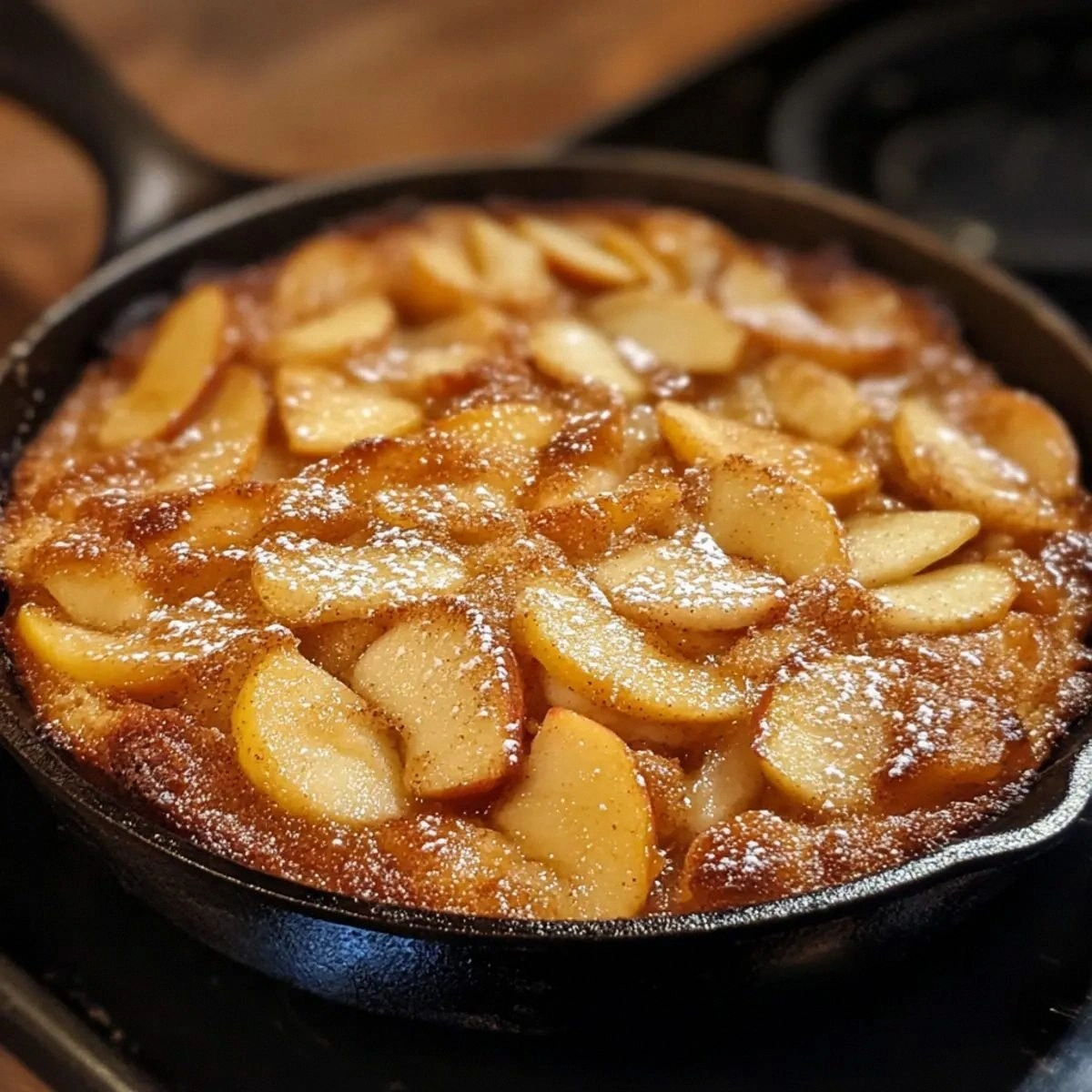
The Method — Step by Step
- Heat a 12‑inch cast‑iron skillet over medium heat and melt the butter, swirling it around until it coats the bottom. The butter should hiss softly, signaling the skillet is ready. This step ensures a non‑stick surface and a buttery crust that will caramelize the apples.
- Add the sliced apples to the skillet, sprinkle with the 1/2 cup of brown sugar, and toss them gently. Let the apples cook for 3–4 minutes, stirring occasionally, until they start to soften but still hold their shape. The sugar will melt into a syrup that coats each slice, giving that glossy finish.
- In a large bowl, whisk together the gluten‑free flour, baking powder, ground cinnamon, and salt. This dry mix ensures even distribution of leavening and spice throughout the batter.
- In a separate bowl, combine the eggs, applesauce, milk (or dairy‑free alternative), vanilla extract, and granulated sugar. Beat until the mixture is smooth and the sugar dissolves completely. The wet ingredients should feel silky, not lumpy.
- Pour the wet mixture into the dry mixture and stir until just combined; a few streaks of flour are fine. Over‑mixing will make the cake tough, so keep it gentle. The batter should be thick enough to coat the back of a spoon.
- Pour the batter over the caramelized apples in the skillet, spreading it evenly. The batter will pool around the apples, creating a layered effect. This is the moment of truth: the batter should cover the apples but still leave some exposed.
- Reduce the heat to low, cover the skillet, and let the cake bake for 25–30 minutes. The lid traps steam, ensuring the batter cooks through without drying out. Listen for a subtle crackle as the batter sets.
- After 25 minutes, lift the lid and sprinkle the remaining teaspoon of cinnamon over the top. The cinnamon will sizzle, releasing a warm aroma that signals the cake is nearly done. Flip the skillet (carefully) and let it cook for an additional 5 minutes to crisp the bottom.
- Remove the skillet from the heat and let the cake rest for 10 minutes. The residual heat will finish cooking the batter, and the rest allows the flavors to meld. The cake should feel firm to the touch but still slightly springy when pressed.
- Serve warm from the skillet, optionally dusted with powdered sugar or drizzled with a simple maple glaze. The warm, buttery, apple‑laden cake pairs beautifully with vanilla ice cream or a dollop of whipped cream for an extra indulgent treat.
That's it — you did it. But hold on, I've got a few more tricks that'll take this to another level...
Insider Tricks for Flawless Results
The Temperature Rule Nobody Follows
Many cooks think low heat is always best, but a short burst of medium‑high heat at the start caramelizes the sugars on the apple slices, giving that signature golden crust. After that, dropping to low ensures the batter cooks evenly without burning. If you’re using a non‑stick skillet, skip the butter and use a spray to prevent sticking.
Why Your Nose Knows Best
The aroma that rises from the skillet is a powerful cue for doneness. When the scent is warm, cinnamon‑rich, and slightly sweet, the cake is ready. If it still smells raw, give it a few more minutes. Your nose is the most reliable judge of flavor.
The 5‑Minute Rest That Changes Everything
Resting the cake after cooking allows the steam to redistribute, preventing a dry center. It also lets the caramelized sugars settle, creating a more cohesive bite. Skip this step at your peril; you’ll end up with a cake that feels uneven.
The Butter Swap
If you’re avoiding dairy, coconut oil or vegan butter works wonderfully. It imparts a subtle tropical note that pairs surprisingly well with the apples. Just remember to melt it before adding to the skillet.
The Extra Cinnamon Layer
Sprinkling an extra teaspoon of cinnamon after the initial bake adds a fragrant finish. The cinnamon will caramelize slightly, creating a crunchy rim that adds texture. If you’re watching sodium, use a pinch of smoked paprika instead for a smoky twist.
Creative Twists and Variations
This recipe is a playground. Here are some of my favorite ways to switch things up:
Nutty Crunch
Add 1/4 cup of chopped walnuts or pecans into the batter before pouring into the skillet. The nuts provide a satisfying crunch and a nutty undertone that complements the apples. Toast the nuts lightly before mixing to enhance flavor.
Maple‑Infused
Replace the granulated sugar with 2 tablespoons of pure maple syrup and add a splash of maple extract to the batter. The result is a subtle maple flavor that pairs beautifully with the cinnamon, creating a cozy, autumnal taste.
Chocolate Chip Delight
Fold in 1/2 cup of dairy‑free chocolate chips into the batter before pouring. The chocolate melts into pockets of gooey sweetness, turning the skillet cake into a dessert‑meets‑breakfast hybrid.
Citrus Twist
Add the zest of one orange and a tablespoon of orange juice to the batter. The citrus brightens the dish, cutting through the sweetness and adding a fresh, zesty note that’s perfect for spring.
Spiced Up
Introduce a pinch of cayenne pepper or a splash of bourbon to the batter for a warm, spicy kick. The heat balances the sweetness, making it a great option for a dinner side dish.
Berry Fusion
Swap half of the apples for fresh blueberries or sliced strawberries. The berries add a burst of tartness and a pop of color, turning the cake into a vibrant, multi‑fruit masterpiece.
Storing and Bringing It Back to Life
Fridge Storage
Cool the skillet cake completely before slicing. Store slices in an airtight container in the refrigerator for up to 4 days. The cake retains its moistness and flavors when properly sealed.
Freezer Friendly
Wrap the cooled cake tightly in plastic wrap, then in aluminum foil, and freeze for up to 2 months. Thaw overnight in the refrigerator before reheating. The texture remains tender, and the apple flavors stay vibrant.
Best Reheating Method
Reheat slices in a preheated 350°F oven for 5–7 minutes, or in a skillet over medium heat for 2 minutes per side. Add a tiny splash of water to the skillet before reheating; it steams the cake back to perfection, keeping it moist and warm.