Picture this: it’s a rainy Thursday, the kind where the clouds look like they’re about to burst and you’re stuck in a kitchen that smells like burnt toast from a failed attempt at a quick snack. I was scrambling for something to rescue the mood, flipping through tabs of “easy dip” recipes, when my eyes landed on a lone line that read “tahini + herbs = magic.” I thought, “No way that’s all it takes,” but the dare was on the table—my roommate challenged me to make a dip that could actually melt the stubborn heart of a cheese board. I accepted, and what happened next was a culinary epiphany that rewrote my whole approach to sauces.
The first whiff of the blend was nothing short of a green thunderstorm in my nostrils—fresh parsley and cilantro colliding with the nutty richness of tahini, all brightened by a splash of lemon that cut through the earthiness like a knife through butter. The sound? A gentle, almost reverent hum as the blender whirred, the blades slicing through the herbs and turning them into a silky, emerald river. My fingertips tingled from the cool metal of the bowl, and the texture? Imagine a silk scarf draped over a warm loaf of bread, hugging every crevice. The taste hit my palate like a spring garden after a long winter—bright, herbaceous, and somehow comforting at the same time.
Most tahini sauces I’ve tried either end up gritty, overly bitter, or just too thin to cling to anything. This version, however, is a revelation. I’ve tossed in a secret weapon— a splash of cold water at just the right moment, which transforms the mixture from a stubborn paste into a pourable, velvety glaze that clings to roasted veggies like a love‑struck vine. The balance of salty, tangy, and herbaceous notes is so precise that it feels like a symphony where every instrument knows its exact cue. I’m about to spill the beans (and the herbs) on why this recipe eclipses every other green tahini you’ve ever seen.
Let me walk you through every single step — by the end, you’ll wonder how you ever made it any other way. Ready to dive in? Okay, ready for the game‑changer?
What Makes This Version Stand Out
- Flavor Explosion: The combination of parsley, cilantro, and lemon creates a bright, herb‑forward profile that sings louder than any plain tahini dip you’ve tried.
- Creamy Texture: Adding a measured splash of cold water at the right moment turns the mixture into a silky sauce that coats everything without sliding off.
- Simplicity: Only nine ingredients, all pantry‑friendly, yet each one is treated with respect to maximise impact.
- Unique Ingredient: A pinch of cayenne pepper adds a whisper of heat that makes your taste buds sit up and take notice.
- Crowd‑Pleaser: I dare you to taste this and not go back for seconds; it’s the dip that turns skeptics into believers.
- Ingredient Quality: Using fresh, vibrant herbs and stone‑ground tahini makes a world of difference compared to pre‑ground, stale versions.
- Make‑Ahead Potential: This sauce stores beautifully, meaning you can prep it on Sunday and have it ready for any weekday gathering.
- Versatility: Works as a dip, a drizzle, a salad dressing, or even a base for a vibrant marinara.
Inside the Ingredient List
The Flavor Base
First up, the tahini. This is the heart of the sauce, a thick, nutty paste made from ground sesame seeds. It brings a deep, almost buttery richness that anchors the bright herbs. If you skimp on quality here—using a cheap, oily tahini—you’ll end up with a greasy, one‑dimensional dip. Opt for stone‑ground, unsweetened tahini for the purest flavor. Pro tip: give the jar a quick stir before measuring; the oil separates and can throw off your ratios.
Next, the fresh parsley and cilantro. These two herbs are the dynamic duo that delivers that vivid green color and a fresh, slightly peppery bite. Parsley offers a clean, grassy note, while cilantro adds a citrusy, almost floral edge. If you’re not a cilantro fan, you can swap half of it for fresh mint for a different but equally refreshing twist. When selecting, look for bunches with deep green leaves and no yellowing—those are the freshest.
The Aroma Crew
Garlic is the aromatic powerhouse that adds depth and a pungent warmth. Two cloves, lightly crushed, are enough to infuse the sauce without overwhelming the delicate herbs. If you love garlic, you can roast the cloves first for a sweeter, milder flavor that adds complexity. Skipping garlic altogether will leave the sauce feeling a bit flat, as the missing bite is what ties the earthiness of the tahini to the brightness of the herbs.
Fresh lemon juice is the bright, acidic spark that lifts everything. The acidity cuts through the oiliness of the tahini, balancing the richness and preventing the sauce from feeling heavy. Use a good quality, thin‑skinned lemon for the most juice and aromatic oils. If you’re out of lemons, a splash of white wine vinegar can substitute, though you’ll lose some of the citrusy aroma.
The Unexpected Star
Olive oil is the secret smoothener that gives the sauce a luxurious mouthfeel. A couple of tablespoons of extra‑virgin olive oil add a fruity undertone that complements the herbs while helping the sauce emulsify. If you prefer a neutral taste, you can replace it with grapeseed oil, but you’ll miss that subtle peppery note that makes the sauce sing.
Cold water might sound like a boring addition, but it’s the game‑changer here. Adding it gradually while the blender runs creates a perfect emulsion, turning the thick tahini paste into a silky, pourable sauce that clings to food like a second skin. Too much water, and you end up with a runny soup; too little, and it stays stubbornly thick. The key is patience—add water in a thin stream and watch the texture transform.
The Final Flourish
Salt is the silent enhancer that amplifies every other flavor. A half‑teaspoon of sea salt is enough to bring out the herbal brightness without making the sauce salty. If you’re on a low‑sodium diet, you can reduce it, but expect a slightly muted taste. Finally, a pinch of cayenne pepper adds a whisper of heat that lingers on the palate, turning a good dip into a great one. If you’re spice‑averse, omit it, but you’ll miss that subtle kick that makes the sauce unforgettable.
Everything's prepped? Good. Let's get into the real action...
The Method — Step by Step
Gather all your ingredients and give the herbs a quick rinse. Pat them dry with a clean kitchen towel—any excess water will dilute the sauce later. While you’re doing this, pre‑heat your blender to a low setting; this helps the blades catch the herbs before they get stuck in the tahini. I like to start with the tahini at the bottom of the jar; this creates a stable base that prevents the blades from spinning uselessly.
Drop the tahini, parsley, cilantro, and garlic into the blender. Secure the lid and pulse on low for about five seconds, just enough to break up the herbs. You’ll hear that satisfying “crunch” as the blades start to mingle the flavors. Power transition: This is the moment where the green color begins to emerge, turning the mixture from a dull beige to a vibrant jade.
Kitchen Hack: Add the lemon juice right after the first pulse; the acid helps break down the cell walls of the herbs, releasing more flavor.Now drizzle in the olive oil while the blender runs on medium speed. You’ll notice the mixture becoming smoother, almost glossy, as the oil emulsifies with the tahini. The scent will shift, taking on a fruity, slightly peppery aroma that hints at the final depth of the sauce. Keep an eye on the texture; at this stage it should be thick but still fluid enough to swirl.
Introduce the lemon juice and sea salt. The lemon’s acidity will cause a slight bubbling as it reacts with the tahini, a sign that the emulsion is forming correctly. Taste at this point—if it feels a bit flat, add a pinch more salt. This is where most recipes go wrong by adding salt too early; you lose the chance to adjust for the final bright flavor.
Begin the slow water addition. Turn the blender to low and pour in cold water in a thin, steady stream. Watch as the sauce transforms, becoming glossy and pourable. The secret here is patience; a sudden rush of water will cause the mixture to separate, leaving you with a watery mess. Watch Out: If the sauce looks grainy, you’ve probably added water too quickly.
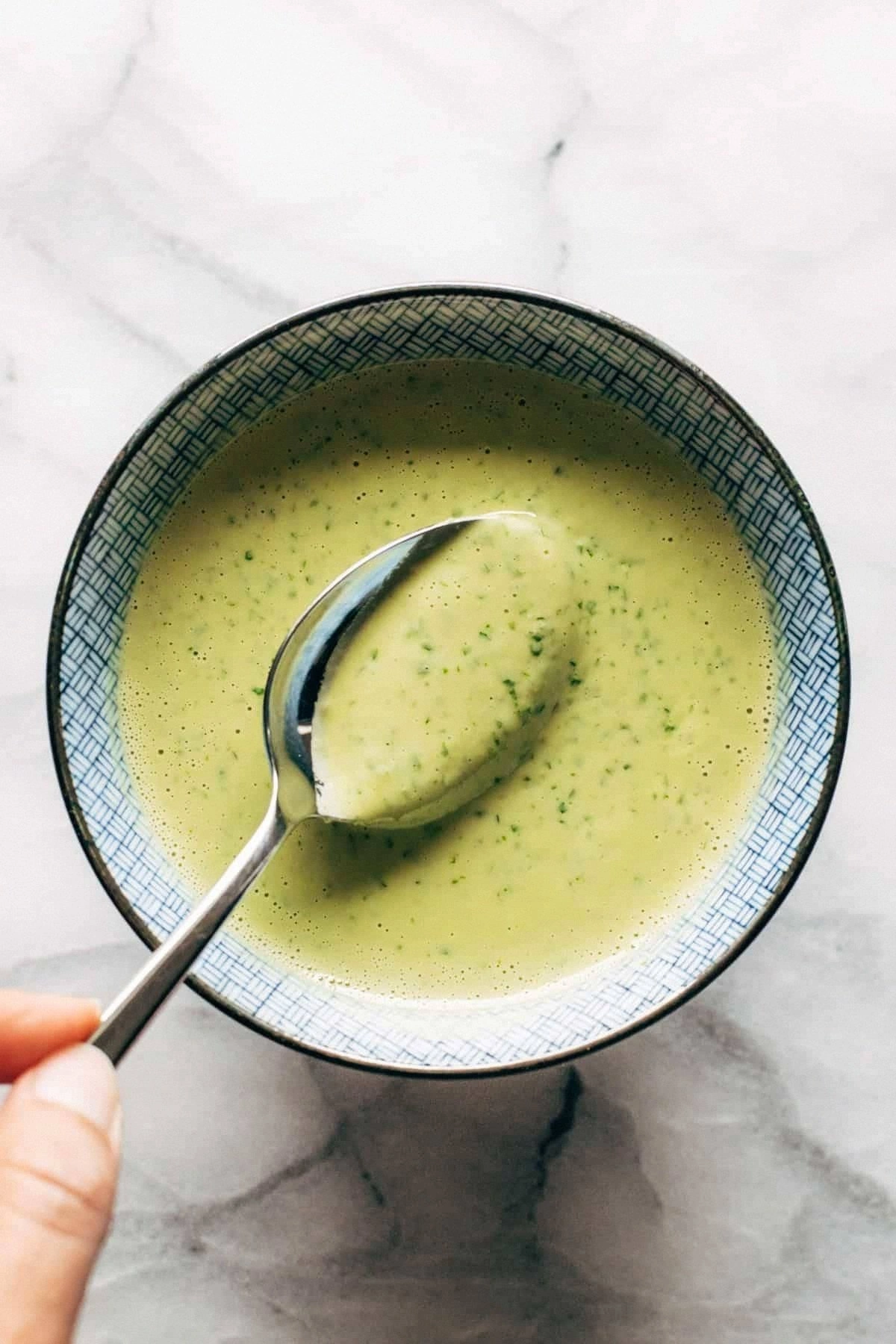
Watch Out: Adding water when the blender is on high speed can cause the sauce to split; always keep the speed low during this step.Once you’ve reached a smooth, pourable consistency (think a thick vinaigrette), taste again. This is the final checkpoint—if the sauce feels too thick, add a splash more water; if it’s too thin, a quick dash more tahini will bring it back. Feel that buttery glide as you swirl the spoon through the bowl; that’s the texture you’re aiming for. I like to finish with a pinch of cayenne pepper, letting its heat linger on the tongue.
Transfer the sauce to a clean glass jar. Seal tightly and let it rest at room temperature for ten minutes; this resting period allows the flavors to marry, creating a cohesive profile that’s deeper than the sum of its parts. During this time, the sauce may thicken slightly as the oil and water fully bind together.
Serve immediately or store for later. The sauce is perfect drizzled over roasted cauliflower, tossed with a grain bowl, or used as a dip for warm pita. If you’re serving it right away, give it a quick stir to re‑emulsify any settling that may have occurred. This next part? Pure magic. The aroma that hits you as you scoop the first dollop will convince anyone that you’ve spent hours perfecting this dip.
And that’s it—you did it. But hold on, I’ve got a few more tricks that’ll take this to another level. Trust me, once you master the basics, you’ll want to experiment with nuts, spices, and even fruit juices to keep things fresh.
Insider Tricks for Flawless Results
The Temperature Rule Nobody Follows
Never blend cold tahini straight from the fridge. Let it sit at room temperature for at least 20 minutes before you start. Cold tahini is too stiff, making it harder for the blender to emulsify, which can lead to a gritty texture. I once tried to shortcut this step and ended up with a sauce that felt like sandpaper on my tongue. Warm tahini blends like silk, giving you that buttery glide you crave.
Why Your Nose Knows Best
During the blending process, rely on your sense of smell as a guide. When the sauce starts to release that fresh herb aroma mixed with a hint of toasted sesame, you’re hitting the flavor peak. If the scent smells flat or overly oily, it’s a sign you need a splash more lemon or a pinch of salt. Trusting your nose saves you from over‑seasoning and ensures a balanced final product.
The 5‑Minute Rest That Changes Everything
After blending, let the sauce rest uncovered for five minutes. This pause allows the flavors to meld and the oil‑water emulsion to stabilize. Skipping this step results in a sauce that can taste disjointed, as the bright notes haven’t had a chance to fully integrate. I always set a timer; the anticipation builds, and the first taste after the rest is pure bliss.
Blender vs. Food Processor: The Showdown
Both work, but a high‑speed blender creates a smoother texture faster. A food processor can leave a slightly coarser bite, which some people love for extra herb texture. I once used a processor for a “rustic” version and the result was a dip with tiny herb flecks that added visual appeal. Choose based on the final mouthfeel you desire.
Seasonal Swaps for a Twist
When spring rolls around, swap half the cilantro for fresh dill and add a teaspoon of grated lemon zest for an extra zing. In autumn, a handful of toasted pumpkin seeds blended in adds a nutty depth that pairs beautifully with roasted squash. These seasonal tweaks keep the sauce fresh year‑round and let you experiment without rewriting the whole recipe.
Creative Twists and Variations
This recipe is a playground. Here are some of my favorite ways to switch things up:
Spicy Chipotle Green Tahini
Blend in one chipotle pepper in adobo sauce for a smoky heat that complements the herbs. The sauce becomes a perfect dip for grilled corn or a drizzle over tacos.
Mint‑Lime Green Tahini
Replace cilantro with fresh mint and add a splash of lime juice. The result is a refreshing, Middle‑Eastern‑inspired sauce that pairs beautifully with falafel.
Roasted Garlic & Sun‑Dried Tomato
Swap the raw garlic for roasted garlic and toss in a tablespoon of chopped sun‑dried tomatoes. This creates a richer, umami‑laden version ideal for pasta salads.
Nutty Almond Green Tahini
Blend in a quarter cup of toasted almonds for a subtle crunch and nutty flavor that elevates the sauce into a hearty dressing for grain bowls.
Coconut‑Infused Green Tahini
Add two tablespoons of coconut milk and a pinch of toasted coconut flakes. The tropical twist works wonders on grilled shrimp or as a dip for sweet potato fries.
Storing and Bringing It Back to Life
Fridge Storage
Store the sauce in an airtight glass jar for up to one week. The flavors actually deepen after a day, so you’ll notice a richer profile the next time you dip. Give it a quick stir before each use; a thin layer of oil may rise to the top, which is perfectly normal.
Freezer Friendly
Green tahini freezes beautifully for up to three months. Portion it into silicone ice‑cube trays, then transfer the frozen cubes to a zip‑lock bag. When you need it, pop a cube into a saucepan, add a splash of water, and warm gently while whisking.
Best Reheating Method
To revive the sauce, place the desired amount in a small saucepan over low heat. Add a teaspoon of water (or more, depending on thickness) and whisk continuously. The steam created will bring back that silky glide without breaking the emulsion. Avoid microwaving, as it can cause uneven heating and separation.