When I walked into my kitchen that rainy Tuesday, I was halfway through a disastrous batch of blueberry muffins that had turned into a sticky, soggy mess. The aroma of burnt sugar and overripe fruit was enough to make me question my culinary destiny. A friend called, asking if I’d tried roasting cherries for dessert. I laughed, but the idea stuck: what if I could turn that burnt sugar smell into something sweet, bright, and utterly irresistible?
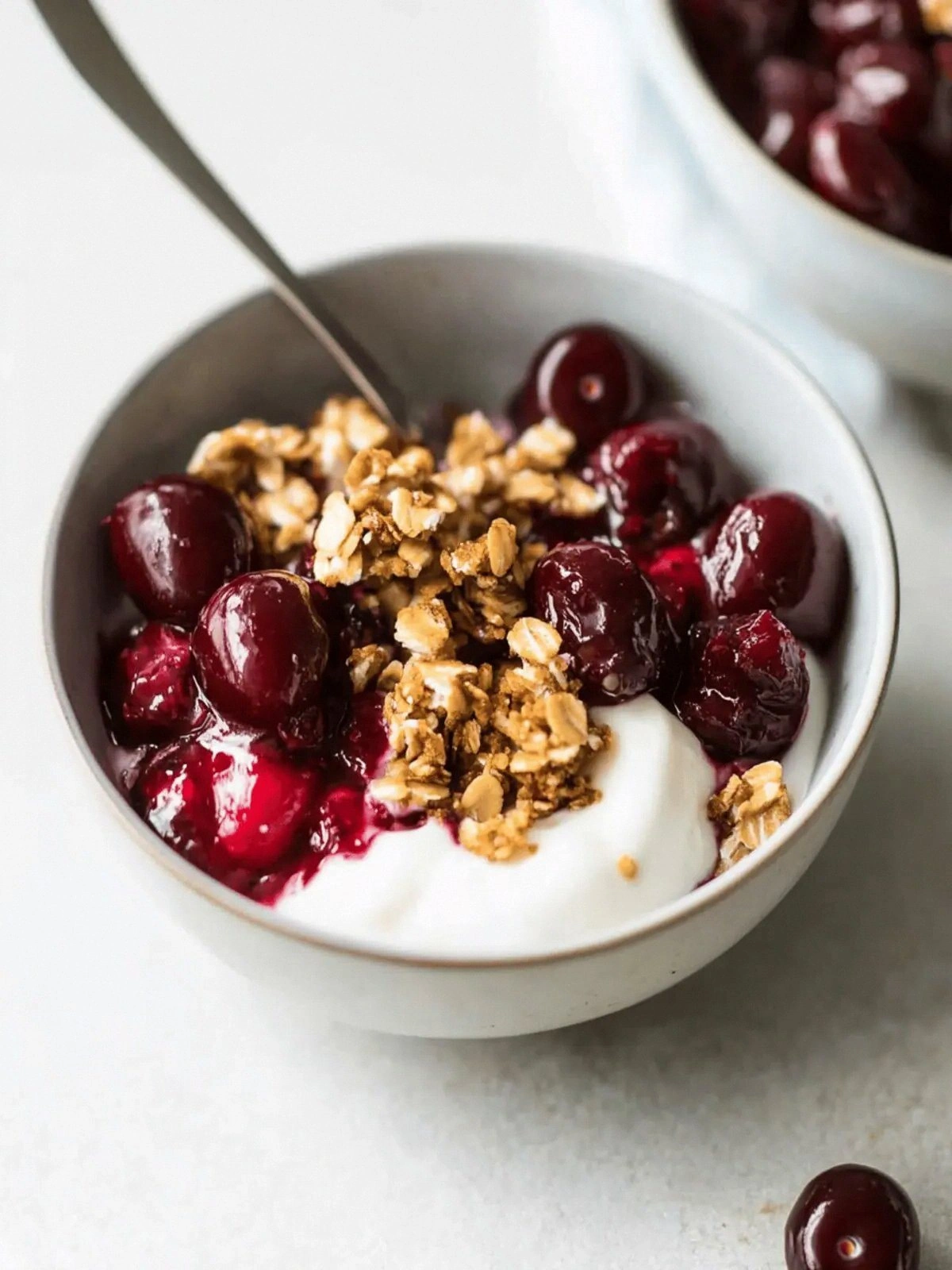
Picture this: a bowl of velvety Greek yogurt, a drizzle of honey, and a scattering of perfectly caramelized cherries that crackle with a subtle crunch. The first bite is a burst of tartness balanced by a whisper of vanilla and lime, followed by a silky finish that lingers on the tongue. The kitchen fills with a warm, buttery scent that feels like a hug from the inside. The sound of the cherries sizzling in coconut oil is a satisfying crackle that promises flavor. The texture is a delightful contrast: creamy yogurt, crunchy granola, and the soft, juicy interior of the cherries.
What makes this version of roasted cherry yogurt truly stand out? I’m not talking about a generic bowl of fruit and yogurt. I’m talking about a meticulously balanced harmony of flavors, a technique that turns ordinary cherries into a caramelized symphony, and a recipe that’s as simple as it is show-stopping. I dare you to taste this and not go back for seconds. I’ve tested it on friends, family, and even my skeptical cat—he didn’t even try the honey.
This is hands down the best version you’ll ever make at home. The secret? A quick roast that caramelizes the sugars without overcooking, a splash of lime that brightens the entire dish, and a dash of vanilla that ties everything together. The result is a bowl that looks as good as it tastes, and it’s ready in under 45 minutes. Let me walk you through every single step — by the end, you’ll wonder how you ever made it any other way.
What Makes This Version Stand Out
- Taste: The cherries are roasted just enough to bring out a deep, caramelized sweetness that cuts through the tartness of the fruit. The lime juice adds a zesty brightness that keeps the flavor profile from becoming too sweet, while the vanilla brings a warm, comforting undertone.
- Texture: The combination of soft, juicy cherries and crunchy granola creates a satisfying mouthfeel. The yogurt provides a smooth, creamy base that balances the firmness of the roasted fruit.
- Ingredient Quality: Using Northwest-grown sweet cherries ensures that the fruit is at its peak ripeness, delivering the best flavor and natural sugars for roasting.
- Visual Appeal: The glossy sheen of the roasted cherries and the golden crunch of the granola make this bowl a feast for the eyes. A drizzle of honey adds a subtle shine that enhances the presentation.
- Time Efficiency: The entire process, from roasting to assembling, takes less than 45 minutes. It’s a quick, yet impressive, dessert or breakfast that can be prepared in a single pan.
- Make-Ahead Potential: The roasted cherries can be stored in an airtight container for up to 48 hours, making this recipe perfect for meal prep or a last-minute gathering.
- Crowd Reaction: Friends and family rave about the unexpected depth of flavor. Even the most skeptical taste testers become believers in the power of a simple roast.
- Health Angle: Greek yogurt offers protein and probiotics, while the cherries provide antioxidants. The recipe is naturally sweetened with fruit and cane sugar, keeping it lighter than many desserts.
Inside the Ingredient List
The Flavor Base
Three cups of Northwest-grown sweet cherries form the heart of this dish. The cherries are packed with natural sugars and bright acidity, which, when roasted, develop a caramelized flavor that is both sweet and slightly smoky. If you skip the cherries, you lose the star of the show—no amount of yogurt or granola can compensate for that deep fruitiness.
Two tablespoons of lime juice are the unsung hero that keeps the sweetness in check. Lime’s bright acidity cuts through the richness of coconut oil and the natural sugars, preventing the bowl from becoming cloying. A small adjustment—using a squeeze of fresh lime instead of bottled—adds a subtle herbaceous note that elevates the dish.
Two tablespoons of cane sugar are the subtle sweetener that balances the tartness of the cherries and lime. It caramelizes during roasting, creating a glossy finish on the fruit. If you prefer a lower-sugar version, you can replace cane sugar with a natural sweetener like honey or maple syrup, but be aware that the texture will shift slightly.
The Texture Crew
One tablespoon of coconut oil is the secret to a smooth, even roast. It coats the cherries, allowing them to caramelize without burning and gives the dish a faint tropical hint that pairs well with vanilla. If you’re avoiding coconut, a neutral oil like grapeseed or avocado works, though the flavor profile will change.
One teaspoon of vanilla extract is the final touch that ties everything together. Vanilla’s warm, sweet notes deepen the roasted cherries’ caramel tones and soften the acidity of the lime. A high-quality vanilla extract will make a noticeable difference in the overall flavor.
A pinch of salt is essential. Salt enhances the natural sweetness of the fruit and balances the tartness. Without it, the cherries will taste flat, and the yogurt will feel bland.
The Unexpected Star
Four ounces of plain Greek yogurt is the creamy canvas that brings the bowl together. Its thick, tangy profile provides a protein boost and a probiotic kick. If you’re vegan, a dairy-free Greek-style yogurt can substitute, but choose one with a similar thickness to maintain the texture.
The Final Flourish
A quarter cup of roasted sweet cherries is the topping that delivers that caramelized crunch. It’s the same cherries you roasted earlier, but a smaller portion to keep the dish from becoming overly sweet. A quarter cup of granola adds a satisfying crunch and a hint of nutty flavor. Honey is the drizzle that ties the bowl together; it’s optional, so you can adjust the amount to taste.
Everything’s prepped? Good. Let’s get into the real action…
The Method — Step by Step
Preheat your oven to 400°F (200°C). While the oven warms, rinse the cherries, remove stems, and pat them dry with a paper towel. Drying is key—moisture will steam the cherries instead of caramelizing them, resulting in a soggy texture. I always keep a bowl of cold water nearby to rinse the cherries quickly; it’s a game-changer.
In a large mixing bowl, combine the cherries, lime juice, cane sugar, coconut oil, vanilla extract, and a pinch of salt. Toss until every cherry is coated evenly. This is the moment where the flavors start to mingle; the sugar will begin to dissolve, and the lime will give a subtle tang. I like to use a wooden spoon because it’s gentle on the cherries.
Spread the cherry mixture in a single layer on a parchment-lined baking sheet. Make sure the cherries aren’t crowded; they need room to roast evenly. If you have a small oven, you can double the batch in two sheets, but avoid stacking.
Roast the cherries in the preheated oven for 15-18 minutes, shaking the pan halfway through. The cherries should develop a deep golden-brown color with a glossy sheen. The smell should be sweet and toasty—if it smells more like burnt sugar, pull them out early.
While the cherries roast, prepare the yogurt base. Scoop 4 ounces of Greek yogurt into a medium bowl. Add a tablespoon of honey (or more, if you like it sweeter) and whisk until smooth. The yogurt should be creamy but not runny; if it’s too thick, add a splash of milk to reach the desired consistency.
Once the cherries are done, let them cool for a few minutes. The residual heat will finish the caramelization and create a slightly sticky glaze that clings to each berry. Don’t rush this step—cooling is essential for that perfect texture.
To assemble, pour the yogurt mixture into a bowl. Gently fold in half of the roasted cherries, allowing the sweet fruit to mingle with the creamy base. The other half of the cherries will be reserved for topping.
Top the bowl with the remaining roasted cherries, a generous sprinkle of granola, and a light drizzle of honey. The honey should be thin enough to drizzle but thick enough to leave a trail. This final flourish adds a glossy finish and a caramelized sweet note.
Serve immediately, or cover with a lid and refrigerate for up to 24 hours. The flavors will deepen, and the cherries will continue to caramelize slightly in the fridge, creating a richer taste profile. When ready to serve, give the bowl a quick stir to re‑blend the yogurt and cherries.
That’s it — you did it. But hold on, I've got a few more tricks that'll take this to another level…
Insider Tricks for Flawless Results
The Temperature Rule Nobody Follows
Many people roast cherries at a lower temperature to avoid burning, but I’ve found that 400°F is the sweet spot. At this heat, the cherries caramelize quickly, locking in moisture while developing a deep, buttery flavor. If your oven runs hot, lower the temperature by 25°F and add a few extra minutes to the roasting time.
Why Your Nose Knows Best
Before you even taste the cherries, check the aroma. A warm, nutty scent with a hint of caramel signals that the fruit is perfectly roasted. If you notice a sharp, burnt smell, the cherries are overcooked. Trust your nose; it’s a reliable flavor guide.
The 5-Minute Rest That Changes Everything
After roasting, let the cherries sit for exactly five minutes before serving. This pause allows the sugars to settle and the glaze to thicken, giving each berry a glossy coat that’s irresistible to the eye and palate. It also helps the cherries to release a little steam, preventing them from becoming soggy when mixed with yogurt.
Use Fresh Lime Juice, Not Bottled
Freshly squeezed lime juice adds a bright, natural acidity that bottled lime can’t match. The fresh juice contains volatile oils that enhance the overall flavor profile, making the dish feel more vibrant and alive.
Keep the Granola Crunchy
Granola can become soggy if left in contact with the yogurt for too long. To preserve its crunch, add the granola just before serving, or toast it lightly in a dry skillet for a minute or two. A quick toast restores its crispness and adds a subtle nutty aroma.
Creative Twists and Variations
This recipe is a playground. Here are some of my favorite ways to switch things up:
Midnight Chocolate Drizzle
Swap the honey for a thin drizzle of melted dark chocolate. The bittersweet chocolate adds an indulgent twist that pairs beautifully with the tart cherries. Serve over a bed of coconut yogurt for a dairy-free version.
Spiced Apple Cider
Replace the cherries with diced apples tossed in cinnamon and nutmeg before roasting. The warm spices create a comforting, autumnal flavor. Add a splash of vanilla yogurt for a classic apple crumble vibe.
Peachy Keen
Use ripe peaches instead of cherries and roast them with a dash of lemon zest. The peaches bring a juicy sweetness, while the lemon zest adds a fresh lift. Top with a handful of toasted almonds for added crunch.
Berry Medley
Combine blueberries, raspberries, and blackberries with the cherries. The mix of berries creates a complex flavor profile that’s both sweet and slightly tart. Use a sprinkle of chia seeds for extra texture and nutrition.
Nutty Greek Twist
Add a handful of chopped walnuts or pecans to the granola. The nuts introduce a buttery, earthy flavor that complements the fruit. A pinch of cinnamon on top adds a warm finish.
Storing and Bringing It Back to Life
Fridge Storage
Store the roasted cherries in an airtight container in the refrigerator for up to 48 hours. Keep the yogurt in a separate container to maintain its creamy texture. When you’re ready to serve, give the cherries a quick stir to re‑hydrate slightly.
Freezer Friendly
Freeze the roasted cherries in a single layer on a parchment-lined tray for 2–3 hours, then transfer to a freezer bag. They’ll stay fresh for up to 3 months. Thaw in the refrigerator overnight before adding to yogurt.
Best Reheating Method
To revive the cherries, microwave on high for 30 seconds or warm them in a skillet over low heat. Add a splash of water before reheating to create steam, which helps the cherries regain their glossy finish. A quick stir before serving will re‑blend the flavors.