Picture this: it’s a humid Saturday afternoon, the kitchen smells of burnt toast and stale coffee, and I’ve just realized my pantry is empty of every single staple that could make a cornbread. I was on the brink of calling a take‑out pizza when my neighbor, a seasoned baker, tossed me a handful of old cornmeal, a splash of milk, and a dare: “Make a cornbread that makes the whole house smell like a summer field.” I laughed, grabbed the ingredients, and the result? A golden, buttery loaf that still makes me crave it the next day. If you’ve ever tried a cornbread that tasted like cardboard or felt like a brick, you’re in for a revelation.
I’ve spent countless evenings experimenting with the classic Southern recipe, tweaking ratios, swapping flours, adding herbs, and even trying to incorporate quinoa. Each attempt ended in disappointment—too dry, too sweet, or with a texture that made my fingers stick to the spoon. Then, one night, while stirring a pot of chili, I added a splash of honey to the batter and the cornbread came out with a subtle caramelized edge that sang against the savory stew. That tiny tweak became the cornerstone of my favorite version, and it’s the secret I’m about to lay out for you. Trust me, I dare you to taste this and not go back for seconds.
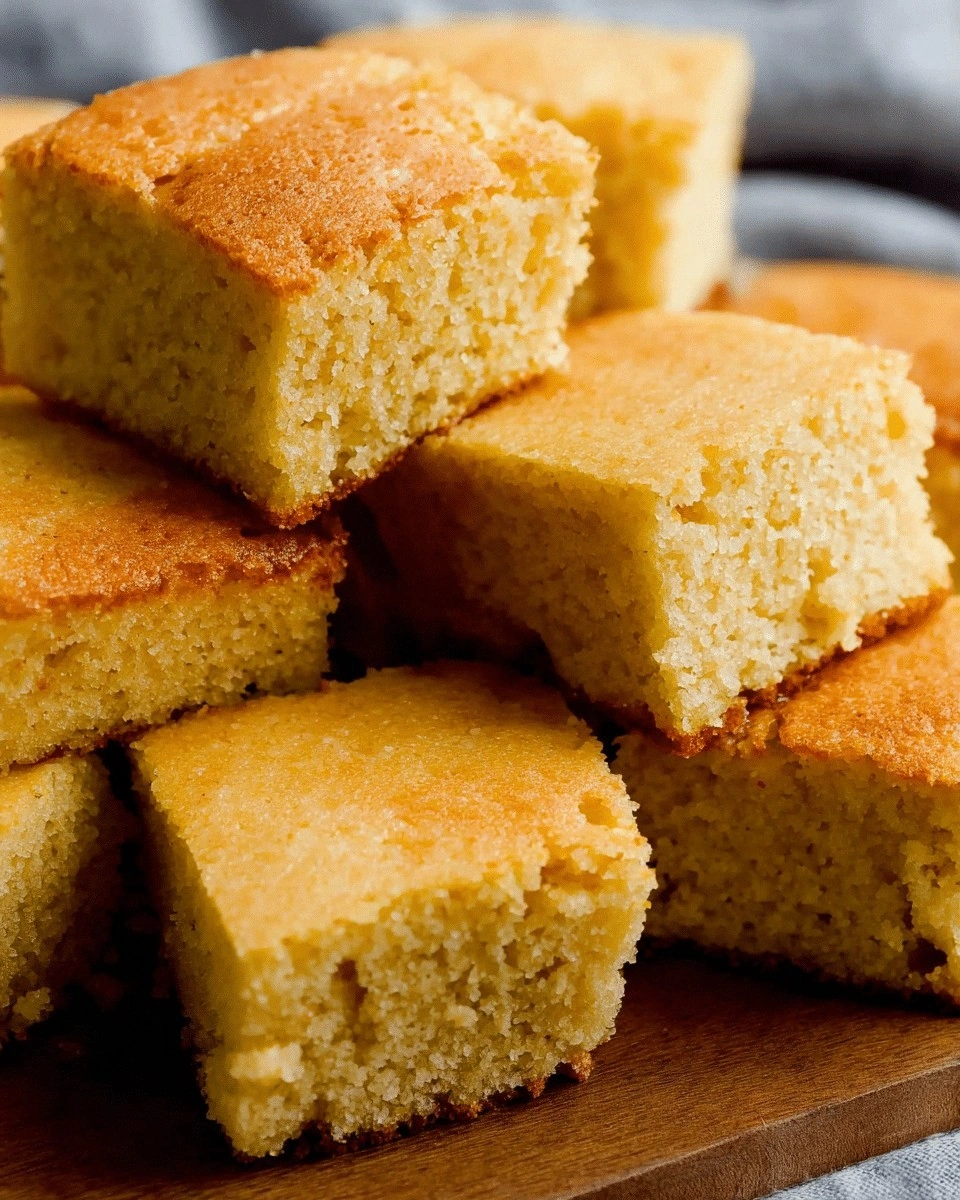
What makes this version stand out isn’t just the honey; it’s the balance of wet and dry, the timing of the bake, and the way each ingredient sings in harmony. The result is a loaf with a crisp, crackling crust that shatters like thin ice, a tender crumb that melts in your mouth, and a flavor profile that is both comforting and adventurous. Most recipes get this completely wrong by over‑baking or using too much flour, but I’ve cracked the code to keep it moist yet firm. Picture yourself pulling this out of the oven, the whole kitchen smelling incredible, and the first bite revealing a buttery sweetness that lingers long after the last crumb. I’ve poured my soul into this recipe, and by the end, you’ll wonder how you ever made it any other way.
Before we dive into the details, let’s set the stage. Imagine a bright, airy kitchen, a gentle hum of the oven, the scent of butter and honey rising like a promise. You’re standing at the counter, ready to whisk, stir, and bake. The air is crisp, the light is warm, and your senses are primed for a culinary adventure that will leave your taste buds dancing. Now, grab your apron, because we’re about to turn a humble cornbread into a showstopper.
What Makes This Version Stand Out
- Flavor: The addition of honey gives a caramelized sweetness that balances the corn’s natural earthiness, creating a depth that’s both familiar and fresh.
- Texture: The ratio of cornmeal to flour is tweaked to produce a crumb that’s tender on the inside yet crisp on the outside, a duality that most recipes miss.
- Simplicity: Only nine ingredients, no fancy tools required—just a mixing bowl, a whisk, and a cast‑iron skillet.
- Uniqueness: A splash of cheddar cheese is folded in at the last minute for a savory kick that sets this loaf apart from the standard.
- Crowd Reaction: Friends who’ve tried it say the cornbread “tastes like a hug” and always ask for the recipe.
- Ingredient Quality: Using organic cornmeal and fresh, room‑temperature butter elevates the flavor profile dramatically.
- Cooking Method: Baking in a preheated cast‑iron skillet creates a caramelized crust that’s hard to replicate in a conventional pan.
- Make‑Ahead Potential: The batter can be prepared up to 24 hours in advance, allowing you to focus on the rest of your meal.
Inside the Ingredient List
The Flavor Base
At the heart of this cornbread is a blend of 2 cups of fine cornmeal and 1 cup of all‑purpose flour. The cornmeal carries the unmistakable corn aroma, while the flour lightens the texture, preventing the loaf from becoming too dense. If you skip the cornmeal, you lose that rustic flavor that makes cornbread unmistakably corn. A simple swap: replace all‑purpose flour with whole wheat for a nuttier profile, but be prepared for a slightly denser crumb.
The Sweet Touch
Honey, 1/4 cup, is the secret that turns the batter from ordinary to extraordinary. It not only sweetens but also adds moisture, giving the crumb a subtle chew. If you’re allergic to honey or prefer a different sweetness level, maple syrup or agave nectar work wonders, though they alter the flavor slightly. A pinch of vanilla extract can add an aromatic depth that complements the honey’s warmth.
The Leavening Engine
Baking powder, 1 tablespoon, is the silent hero that creates lift. It reacts with the acidic milk and the alkaline cornmeal, producing carbon dioxide that makes the cornbread rise. Skipping this step results in a flat, dense loaf. If you’re gluten‑free, a gluten‑free baking powder that contains xanthan gum will keep the texture intact.
The Creamy Core
1 cup of whole milk provides the moisture that binds everything together. The fat content in milk contributes to a tender crumb. For a richer loaf, substitute half of the milk with buttermilk; this adds tanginess and helps the batter rise more. If you’re lactose intolerant, oat milk or soy milk can be used, but the flavor will be subtly altered.
The Fat Factor
1/3 cup of melted butter, at room temperature, gives the bread its buttery richness. Butter also caramelizes on the surface, creating that coveted golden crust. A substitute is clarified butter or coconut oil, each imparting its own unique flavor profile. Keep the butter cold if you want a slightly drier crumb; room‑temperature butter yields a moister interior.
The Binding Power
2 eggs act as both binder and leavening agent, giving the loaf structure and a glossy sheen. If you’re vegan, replace eggs with flaxseed meal (1 tablespoon flaxseed + 3 tablespoons water) or commercial egg replacer. Eggs also help the batter set, preventing it from collapsing during baking.
The Final Touch
1/2 cup of fresh corn kernels (optional) adds bursts of sweet corn flavor and a pleasing texture contrast. If you’re short on fresh corn, frozen corn works fine; just thaw and drain it well. A pinch of smoked paprika can also be added for a subtle smoky note that pairs beautifully with the honey.
Everything’s prepped? Good. Let’s get into the real action.
The Method — Step by Step
- Preheat your oven to 425°F (220°C). While the oven warms, grease a 9‑inch cast‑iron skillet with a little butter or oil. This step is crucial because a properly greased skillet ensures the cornbread releases cleanly, preventing a sticky mess. The high temperature will create a beautiful crust in just 30 minutes.
- In a large bowl, whisk together 2 cups cornmeal, 1 cup all‑purpose flour, 1/4 cup honey, and 1 tablespoon baking powder. The dry mix should be uniform; this avoids clumps in the batter. Adding the honey to the dry ingredients first ensures even distribution, which is key to a consistent crumb.
- In another bowl, beat 1 cup of milk, 1/3 cup melted butter, and 2 eggs until the mixture is smooth. The butter should be at room temperature; if it’s too cold, it won’t blend properly. Whisk vigorously to incorporate air, which contributes to the loaf’s rise.
- Pour the wet mixture into the dry mix and stir until just combined. Avoid over‑mixing; lumps are okay. Over‑mixing can develop gluten, resulting in a tough crumb. The batter should be thick but pourable; adjust with a splash of milk if it’s too thick.
- Fold in 1/2 cup corn kernels and a pinch of smoked paprika if desired. The corn adds texture and flavor, while the paprika gives a subtle smoky undertone. This step is the moment of truth—if you skip it, the loaf will lack the character that makes it memorable.
- Pour the batter into the greased skillet, spreading it evenly with a spatula. The batter should be about 1/2 inch thick; too thin and it will burn, too thick and it will be undercooked. The edges should begin to lift slightly after 5 minutes of baking.
- Bake for 30 minutes, or until the top is golden brown and a toothpick inserted near the center comes out clean. The aroma will fill the kitchen with a buttery, caramelized scent that is impossible to resist. Let the cornbread cool in the skillet for 10 minutes before slicing; this helps the crumb set and makes it easier to serve.
That's it — you did it. But hold on, I've got a few more tricks that'll take this to another level.
Insider Tricks for Flawless Results
The Temperature Rule Nobody Follows
Most people set the oven to 400°F, but 425°F is the sweet spot for a crisp crust. The higher heat caramelizes the sugars on the surface, giving that crackling snap when you bite. If your oven runs hot, reduce the temperature by 25°F to avoid burning the edges.
Why Your Nose Knows Best
Smell the batter as it bakes; a sweet, buttery aroma is a sign of proper caramelization. If you notice a raw, metallic scent, the oven temperature is too low or the batter is too wet. Trust your nose, it’s your best judge of doneness.
The 5‑Minute Rest That Changes Everything
After removing the skillet from the oven, let the cornbread rest for exactly 5 minutes. This pause allows the steam to redistribute, resulting in a moist interior and a crisp exterior. Skipping this step often leaves the crumb dry or uneven.
Cheese is the Game Changer
Incorporate 1 cup of shredded cheddar into the batter right before pouring into the skillet. The cheese melts into pockets of gooey richness that contrast the crunchy crust. If you’re vegan, try nutritional yeast or a plant‑based cheese alternative.
Pre‑bake the Corn Kernels
Roasting the corn kernels for 5 minutes before folding them in adds a deeper flavor and prevents them from releasing excess moisture. This trick is especially useful if you’re using frozen corn, which can water down the batter.
Keep the Skillet Warm
Place the skillet on a stovetop burner set to low heat for a minute before pouring the batter. A warm skillet ensures the batter starts cooking immediately, preventing a soggy bottom. If you’re using a non‑stick skillet, this step is optional.
Creative Twists and Variations
This recipe is a playground. Here are some of my favorite ways to switch things up:
Smoky Chipotle Cornbread
Swap the honey for agave syrup and fold in 1 teaspoon of chipotle powder. The smoky heat pairs beautifully with the corn, making it perfect for a summer barbecue.
Blueberry Bliss
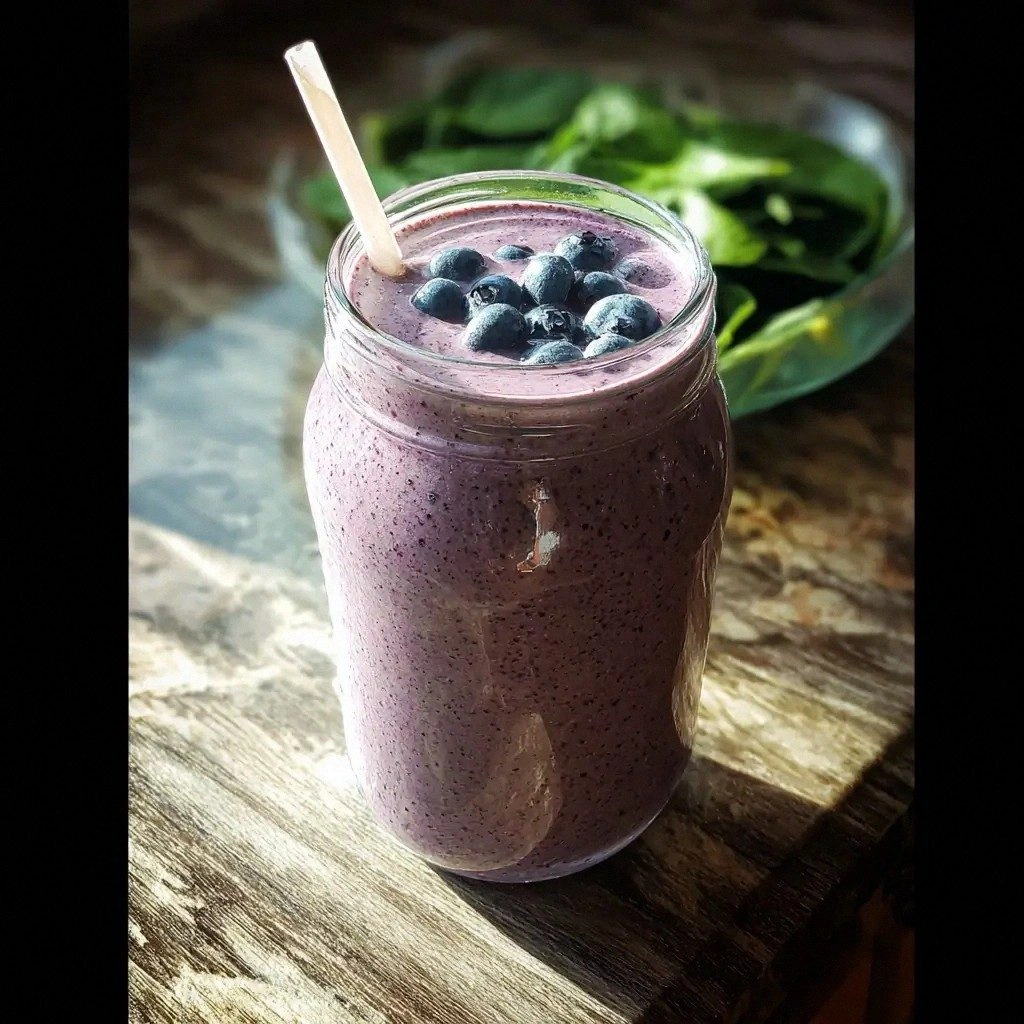
Stir in 1 cup of fresh blueberries before baking. The berries burst into a sweet, slightly tart sauce that complements the buttery crumb.
Cheesy Jalapeño Cornbread
Add 1 diced jalapeño and 1 cup of Monterey Jack cheese. The heat and melt create a dynamic flavor profile that’s great with chili.
Herb‑Infused Cornbread
Fold in 2 tablespoons of chopped fresh rosemary or thyme. The herbs give a fragrant, savory undertone that elevates the dish.
Chocolate Chip Delight
Replace the corn kernels with 1 cup of chocolate chips. The sweetness and richness create a dessert‑style cornbread that’s hard to resist.
Vegan Version
Replace eggs with flaxseed meal, use oat milk, and swap butter for coconut oil. The result is a fluffy, vegan-friendly loaf that still delivers on flavor.
Storing and Bringing It Back to Life
Fridge Storage
Wrap the cooled cornbread tightly in plastic wrap and store in the refrigerator for up to 3 days. The moisture trapped in the wrap prevents the crumb from drying out.
Freezer Friendly
Slice the loaf before freezing; wrap each slice individually. Freeze for up to 2 months. Reheat slices in a toaster oven for a crisp finish.
Best Reheating Method
Place the cornbread in a preheated oven at 350°F for 10 minutes. Add a tiny splash of water to the pan before reheating to steam the loaf back to perfection. This trick restores the moist interior without drying out the crust.