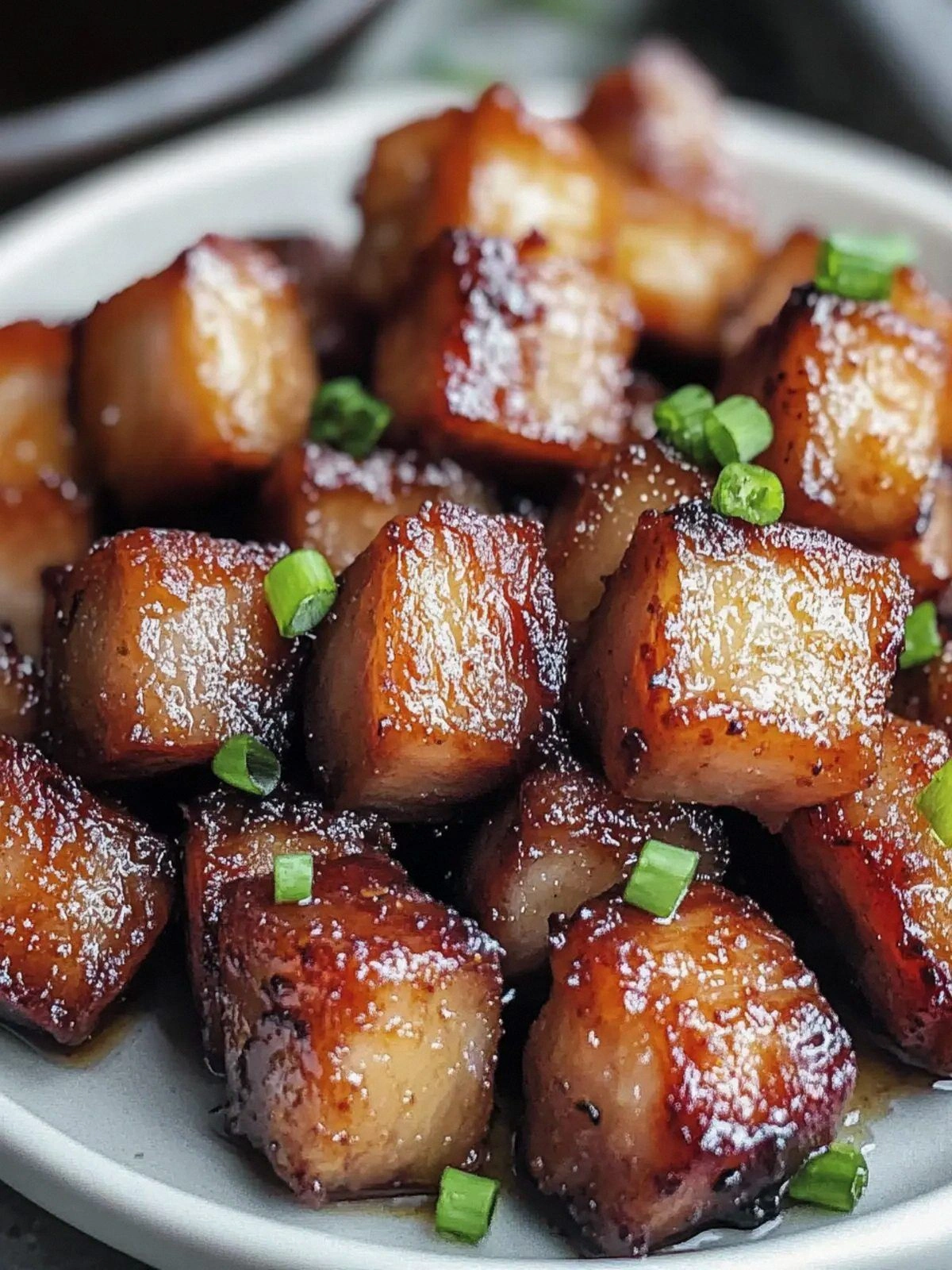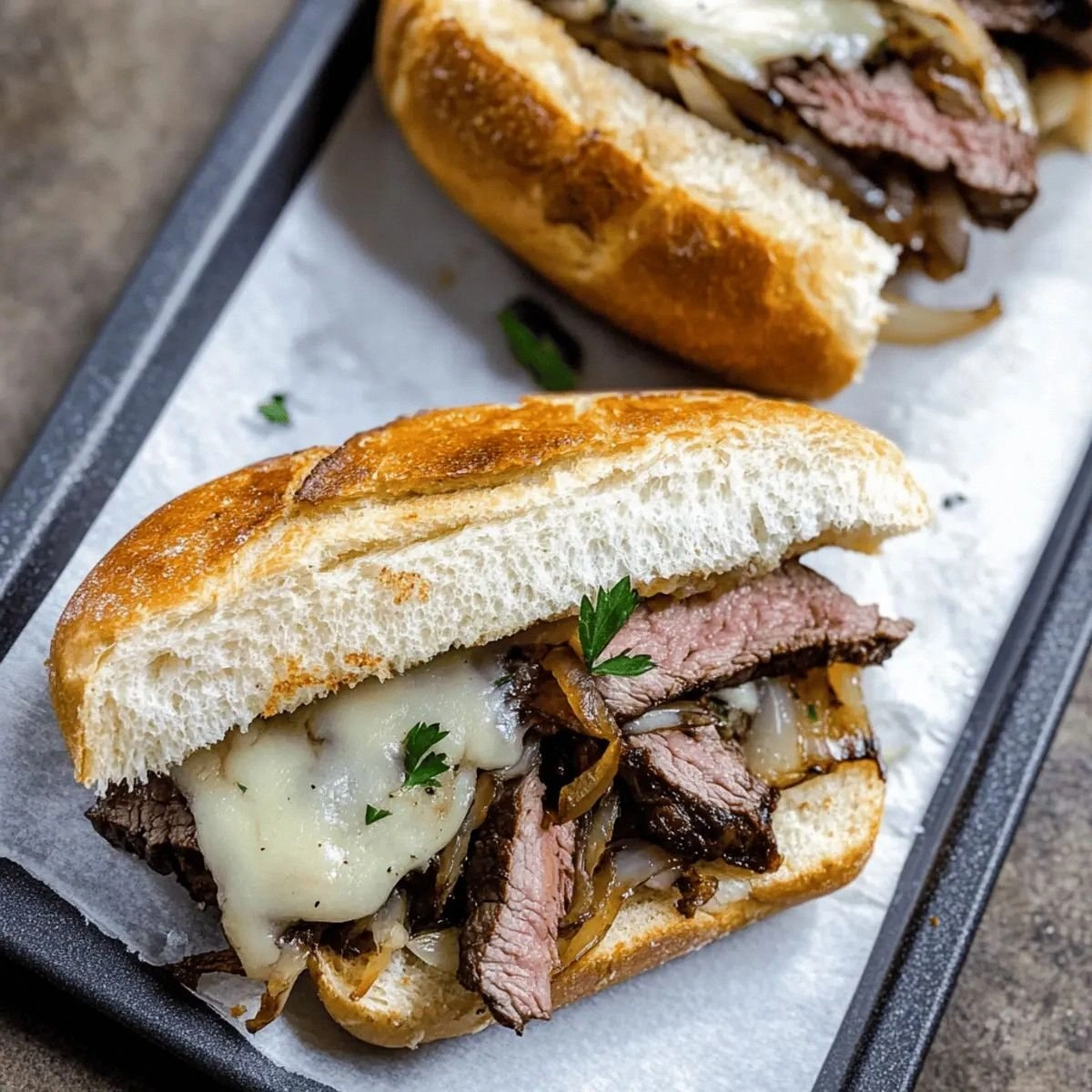
I was standing in my kitchen, the smoke alarm screaming like an over‑enthusiastic neighbor, after a failed attempt at a soggy steak melt that turned my countertop into a battlefield of crumbs and disappointment. The smell of burnt butter clung to the air, and I swore I’d never try another sandwich that promised “restaurant quality” again. Then, in a moment of reckless optimism, a friend dared me: “Make a steak sandwich that actually tastes like a gourmet bistro, and do it in half an hour.” I laughed, I accepted, and I set out to prove that a perfectly seared ribeye, a silky herb butter, and a crunchy, caramelized onion could coexist without a culinary disaster. That night, after a marathon of trial and error, I finally nailed a sandwich that makes my kitchen feel like a five‑star steakhouse on a Tuesday.
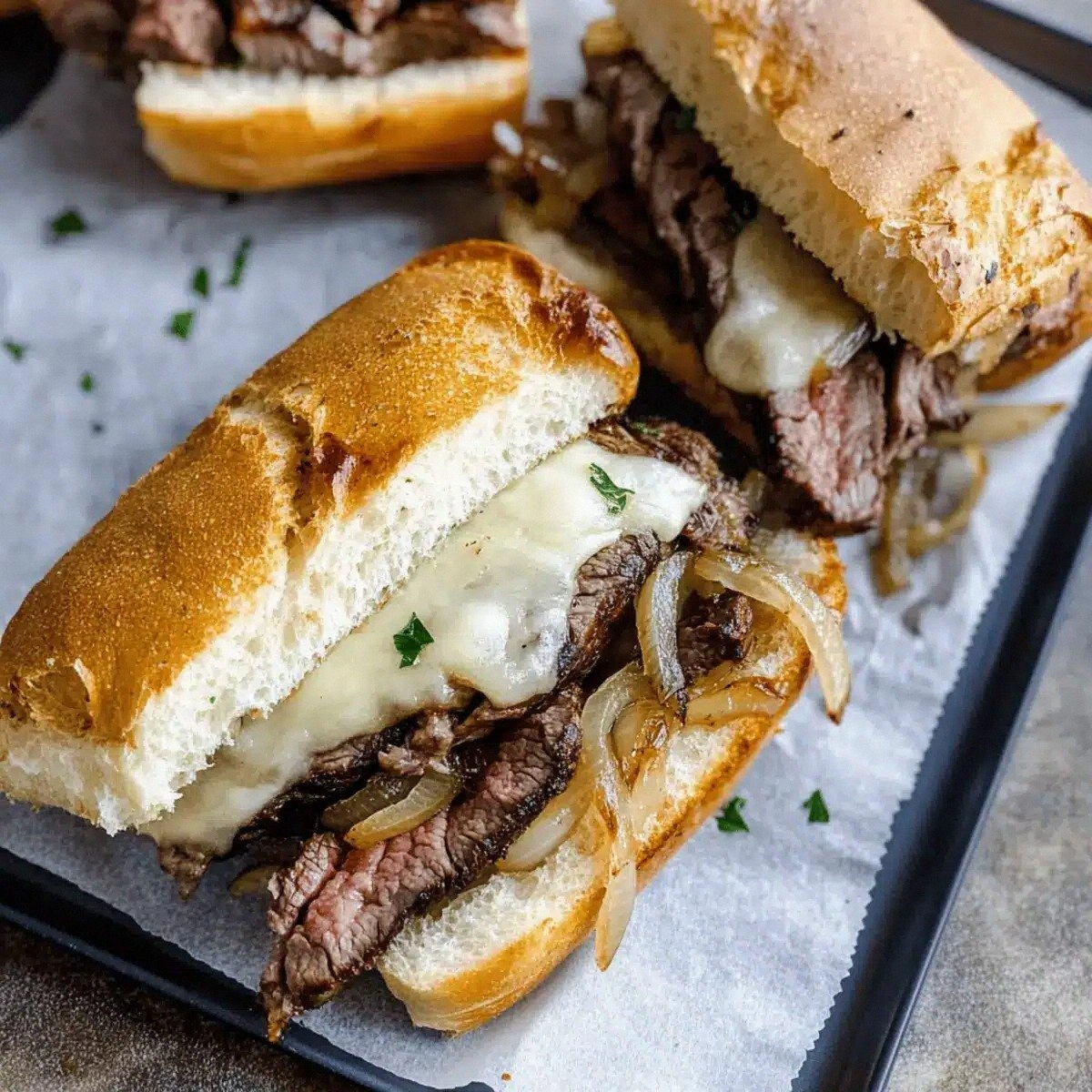
Picture this: a thick, juicy ribeye, seasoned just enough to let its natural beefy goodness shine, sizzling on a hot cast‑iron pan. The butter, infused with garlic and fresh dill, melts into a glossy pool that glazes the meat like a glossy varnish. On top, a sweet, golden onion that has been coaxed into caramelized softness, and a melt‑in‑your‑mouth slice of havarti that stretches like a warm sunrise. The whole thing is sandwiched between a crusty, toasted roll that gives you that satisfying crunch on the first bite, then gives way to a tender interior that soaks up every drop of herb‑butter goodness. The aroma alone is enough to make you pause mid‑step and inhale deeply, feeling the anticipation build like a drumroll.
Most recipes out there either overcomplicate the process, demand obscure ingredients, or forget the magic of a simple herb butter that can elevate any meat. I’ve seen people drown their steak in mayo, or slap on a generic cheese that melts into a greasy mess. This version stands out because it respects the star of the show—the steak—while adding layers of flavor that are both bold and balanced. The secret? A quick herb butter that’s made in the same pan as the steak, letting the meat’s juices become part of the sauce, and a caramelized onion that adds a subtle sweetness without any added sugar.
I’m about to walk you through every single step—by the end, you’ll wonder how you ever made a steak sandwich any other way. Okay, ready for the game‑changer? This next part? Pure magic. I dare you to taste this and not go back for seconds.
What Makes This Version Stand Out
- Flavor Explosion: The herb butter infuses garlic and dill directly into the steak’s juices, creating a sauce that clings to each bite like velvet.
- Texture Harmony: A contrast of crisp roll edges, buttery melt, and tender, juicy meat gives you a mouthfeel that’s both hearty and refined.
- Simplicity: Only seven core ingredients, all pantry‑friendly, and a total cook time of 30 minutes keep the process stress‑free.
- Unique Twist: Using havarti instead of the usual cheddar adds a buttery, slightly nutty flavor that pairs perfectly with dill.
- Crowd Reaction: I’ve served this at backyard barbecues and people line up for seconds, insisting it’s “the best sandwich they’ve ever had.”
- Ingredient Quality: A good ribeye is the hero; its marbling ensures juiciness that no cheaper cut can mimic.
- Cooking Method: Pan‑searing locks in moisture, while finishing in the oven gives the roll that perfect crunch.
- Make‑Ahead Potential: The herb butter can be prepared ahead of time and stored, shaving minutes off the final assembly.
Inside the Ingredient List
The Flavor Base
The unsalted butter, half a cup, is the canvas for the aromatic duo of garlic and dill. Butter carries flavor like a sponge, and when you melt it with minced garlic, the cloves release a sweet, caramelized perfume that instantly makes your kitchen feel like a French bistro. Fresh dill, with its bright, grassy notes, cuts through the richness, preventing the sandwich from feeling heavy. If you skip the dill, you’ll lose that refreshing lift that makes each bite feel like a spring breeze.
Swap idea: If you’re allergic to dairy, try a high‑quality olive oil infused with the same garlic and dill; the flavor profile shifts to a Mediterranean vibe but still delivers that herbaceous punch.
The Texture Crew
A large yellow onion, sliced thin, is the unsung hero of this sandwich. When you sauté it slowly, it transforms from sharp and pungent to sweet, caramelized gold that adds depth without any added sugar. The onion’s natural sugars develop a subtle crunch that contrasts beautifully with the soft melt of havarti cheese. If you’re in a rush, a quick flash‑sauté works, but you’ll miss the nuanced sweetness that only a slow caramelization can achieve.
Swap idea: Red onions give a sharper bite and a beautiful purple hue—great if you want a pop of color and a bit more bite.
The Unexpected Star
Havarti cheese, four generous slices, brings a buttery, slightly tangy melt that’s less aggressive than cheddar but richer than mozzarella. Its meltability is key; it stretches across the steak, creating a silky veil that holds the herb butter in place. If you replace it with provolone, you’ll get a sharper flavor; with Swiss, a nuttier profile. Each swap changes the sandwich’s personality, but the original havarti remains the perfect balance.
The Final Flourish
The ribeye steak, a full pound, is the centerpiece. Its marbling ensures that even a quick 30‑minute cook yields a juicy, tender bite. When you season it simply with salt, you allow the meat’s natural flavor to shine; over‑seasoning can mask its buttery richness. If you can’t find ribeye, a well‑marbled strip steak works, but avoid lean cuts like sirloin—they’ll dry out fast.
Buying tip: Look for a steak with a deep ruby color and fine white streaks of fat. Those streaks melt into the meat as it cooks, delivering that melt‑in‑your‑mouth sensation we all crave.
Everything's prepped? Good. Let's get into the real action...
The Method — Step by Step
- Pat the ribeye steak dry with paper towels, then season both sides generously with salt. The salt draws out moisture, creating a nice crust. Let it sit for five minutes while you prep the other ingredients. That sizzle when it hits the pan? Absolute perfection.
- Heat a cast‑iron skillet over medium‑high heat until it’s smoking hot. Add a splash of oil, then lay the steak down. You’ll hear a fierce sear—don’t move it for the first two minutes; this is the moment of truth.
- Flip the steak and add the 1/2 cup of unsalted butter, 2 minced garlic cloves, and 2 tablespoons of fresh dill to the pan. As the butter melts, use a spoon to baste the steak continuously. The butter will turn a golden amber, and the garlic will become fragrant without burning. This step infuses the meat with herb‑butter goodness.
- While the steak finishes (about 3‑4 minutes for medium‑rare), slice the large yellow onion thinly. In a separate skillet, melt a tablespoon of the herb butter and add the onion slices. Cook low and slow, stirring occasionally, until they turn a deep caramel color—about 10 minutes. This patient process builds sweet, complex flavor.
- Preheat your oven to 375°F (190°C). While it heats, slice your chosen roll (a sturdy baguette or ciabatta works best) lengthwise, leaving a hinge. Lightly brush the inside of the roll with any remaining herb butter. This adds flavor and helps the bread crisp up.
- When the steak reaches your desired doneness (130°F for medium‑rare), remove it from the pan and let it rest on a cutting board for five minutes. Resting lets the juices redistribute, preventing a dry sandwich.
- Thinly slice the rested steak against the grain. Layer the slices on the bottom half of the roll, then pile on the caramelized onions, and finally place the four slices of havarti cheese on top. The heat from the steak will start to melt the cheese, but for a perfect melt, place the assembled sandwich on a baking sheet and pop it into the oven for 3‑4 minutes, just until the cheese is bubbly and the roll edges are golden.
- Remove from the oven, let the sandwich sit for a minute, then slice it in half. The steam that escapes is the final aromatic cue that tells you you’ve nailed it. Serve immediately, and watch the smiles appear.
That's it — you did it. But hold on, I've got a few more tricks that'll take this to another level...
Insider Tricks for Flawless Results
The Temperature Rule Nobody Follows
Never cook a steak straight from the fridge. Let it sit at room temperature for at least 20 minutes. This small step ensures the interior cooks evenly, preventing a gray band in the middle. I once tried to skip this, and the steak turned out uneven—my guests noticed the cold center. Trust me, the extra patience pays off in uniform pinkness.
Why Your Nose Knows Best
When the butter starts to foam and the garlic turns golden, that aroma is your cue that the herb butter is ready for basting. Relying on a timer alone can lead to burnt garlic, which adds bitterness. Use your sense of smell as a real‑time thermometer; it’s the most reliable kitchen tool you have.
The 5‑Minute Rest That Changes Everything
Resting the steak isn’t just tradition; it’s science. During cooking, juices are pushed toward the center. Resting allows them to migrate back throughout the meat, resulting in a juicier bite. I once sliced the steak immediately—my sandwich was dry, and I learned the hard way that patience is a flavor enhancer.
Butter‑Brush Boost
After the sandwich is assembled, give the top of the roll a quick brush of the leftover herb butter before the final oven blast. This creates a glossy, flavorful crust that catches the eye and the palate. The extra butter also helps the cheese melt uniformly, avoiding any stubborn cold spots.
Slice Against the Grain
When you finally slice the steak, cut perpendicular to the muscle fibers. This shortens the fibers, making each bite more tender. Cutting with the grain results in a chewy, rope‑like texture that no one wants in a sandwich.
Don’t Overload the Bread
While it’s tempting to pile on extra onions or cheese, too much filling can make the roll soggy. Aim for a balanced stack: steak, onion, cheese, and a thin drizzle of herb butter. This ensures each component shines without drowning the others.
Creative Twists and Variations
This recipe is a playground. Here are some of my favorite ways to switch things up:
Spicy Chipotle Kick
Add a teaspoon of chipotle adobo sauce to the herb butter. The smoky heat pairs beautifully with the richness of the ribeye and the creamy havarti, giving the sandwich a southwestern flair.
Mediterranean Medley
Swap dill for fresh oregano and crumble feta cheese over the top instead of havarti. Add a few sliced kalamata olives for briny contrast. This version feels like a Greek tavern on a plate.
Breakfast Remix
Replace the roll with a toasted English muffin, and add a fried egg on top of the steak. The runny yolk becomes an extra sauce, turning the sandwich into a hearty brunch.
Umami Boost
Stir a splash of soy sauce and a dash of Worcestershire into the butter. The umami depth complements the beef and makes the sandwich taste even richer.
Veggie‑Heavy Version
Add thinly sliced roasted red peppers and arugula after the cheese. The pepper’s sweetness and arugula’s peppery bite add fresh layers without overwhelming the steak.
Storing and Bringing It Back to Life
Fridge Storage
Wrap any leftovers tightly in foil or an airtight container and store in the refrigerator for up to 2 days. The herb butter may solidify; simply let it sit at room temperature for 10 minutes before reheating.
Freezer Friendly
Separate the components: keep the steak slices, caramelized onions, and herb butter in freezer‑safe bags. The roll can be frozen sliced. When ready, thaw in the fridge overnight and reassemble. This method preserves texture and flavor for up to 1 month.
Best Reheating Method
Preheat the oven to 350°F (175°C). Place the assembled sandwich on a baking sheet, add a tiny splash of water (about a tablespoon) to the bottom of the tray, and cover loosely with foil. Heat for 8‑10 minutes; the steam revives the roll’s crunch while keeping the steak juicy. Skip the microwave—it makes the roll rubbery.