I was standing in my cramped kitchen, the smell of burnt toast still clinging to the counter, when a friend texted me with a challenge: “Make the best Philly cheesesteak soup.” The idea sounded absurd at first, but the craving for that iconic sandwich flavor was too strong to ignore. I stared at the fridge, the only thing that looked promising was a slab of sirloin and a handful of bell peppers. I was not going to let that challenge go unanswered. The result would be a soup that feels like a warm hug after a long day.
What I discovered was a soup that not only captures the iconic flavors of a Philly cheesesteak but also wraps them in a velvety, comforting broth that feels like a warm hug after a long day. The beef, the peppers, the cheese—each element plays its part like a well‑orchestrated symphony. The broth is thick enough to coat the noodles but light enough to stay airy. This version is hands down the best you’ll ever make at home, because I’ve perfected the balance of savory beef, crisp veggies, and melty cheese, all in one pot. I dare you to taste this and not go back for seconds.
If you’ve ever struggled with a thick, clumpy soup, you’re not alone—this recipe fixes that with a simple roux. The next part? Pure magic. The moment the butter meets the flour, a golden crust forms, turning the mixture into a silky base. The cheese melts like a velvet blanket over the broth, creating a mouth‑watering texture that lingers. And when you add the last spoonful of fresh parsley, the aroma lifts the entire dish into something unforgettable.
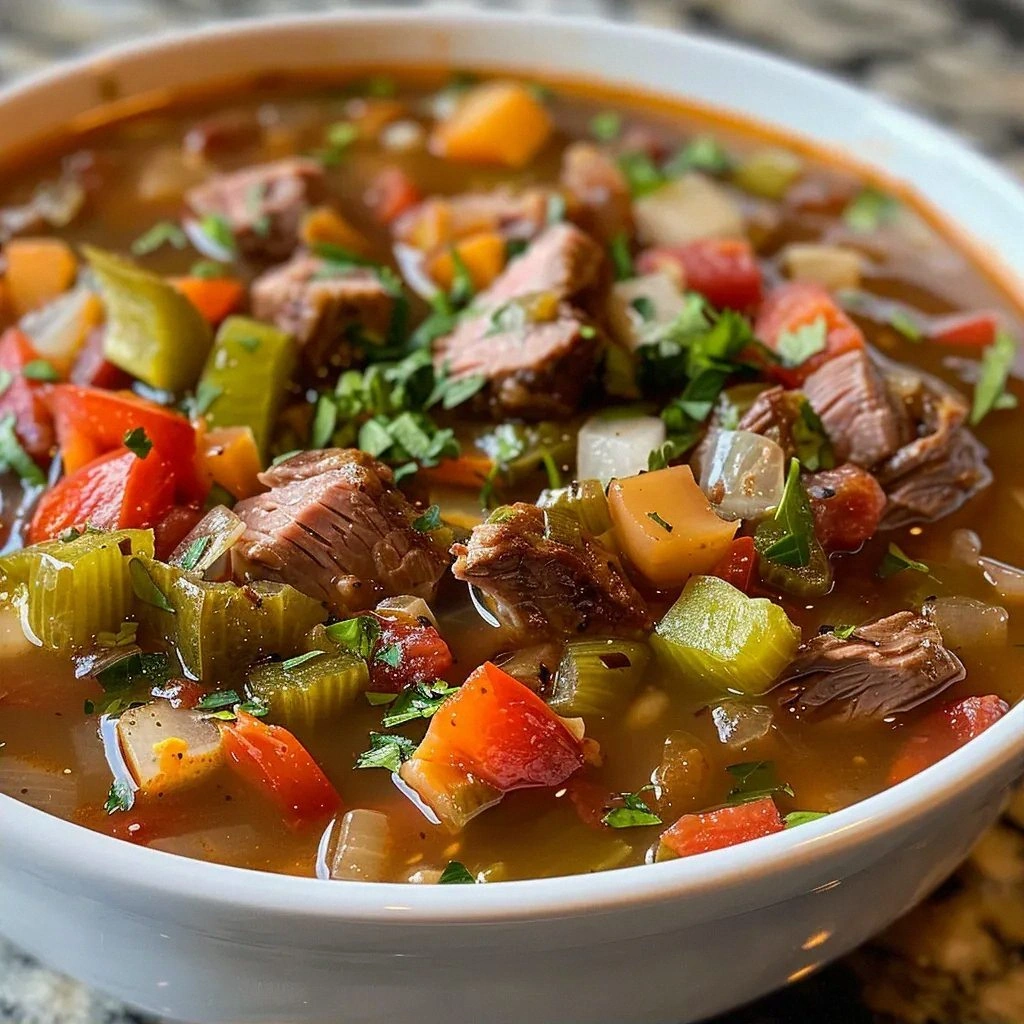
The secret of this soup lies in how each component is layered, not just tossed together. The steak is sliced thin against the grain, ensuring every bite is tender and flavorful. The onions and bell peppers are sautéed until caramelized, releasing their natural sugars into the broth. The broth itself is a blend of beef stock, diced tomatoes, Worcestershire sauce, thyme, and a pinch of red pepper flakes, giving depth and warmth. By the time the soup finishes simmering, every spoonful is a symphony of savory, sweet, and cheesy notes.
This is the kind of recipe that transforms an ordinary night into a culinary celebration. The broth’s richness, the steak’s tenderness, and the cheese’s meltability combine to create an experience that feels both comforting and indulgent. The dish is versatile enough to be a main course, a hearty side, or a crowd‑pleasing starter at gatherings. The best part is that it’s simple enough to make in a single pot, yet sophisticated enough to impress. Let me walk you through every single step—by the end, you’ll wonder how you ever made it any other way.
What Makes This Version Stand Out
- Flavor Depth: The combination of beef broth, diced tomatoes, and Worcestershire sauce creates a robust base that’s reminiscent of a classic Philly cheesesteak. The slow simmer allows the flavors to meld, producing a broth that’s both savory and slightly sweet. This depth is what sets this soup apart from ordinary beef soups.
- Texture Harmony: The thinly sliced sirloin stays tender, while the sautéed onions and bell peppers add a pleasant crunch that contrasts with the creamy broth. The roux thickens the soup without making it heavy, and the melted cheeses give it a silky finish. The result is a balanced mouthfeel that feels both comforting and satisfying.
- Simplicity of Prep: All the ingredients are pantry staples or easy to find in any grocery store. No exotic spices or hard‑to‑find components are required, making this recipe approachable for beginners and seasoned cooks alike. The step‑by‑step method ensures you never get lost.
- Crowd‑Pleaser Factor: Whether you’re cooking for a family, a group of friends, or a potluck, this soup delivers. The familiar flavors of a cheesesteak combined with the warmth of soup create a dish that’s universally loved. It’s the kind of meal that people ask for again and again.
- Make‑Ahead Magic: The soup keeps well in the refrigerator for up to five days, and it reheats beautifully without losing its texture. The flavors actually deepen when the soup sits, making it a great option for meal prep. Just remember to stir in a splash of milk or water before reheating to restore its silky consistency.
- Cheese Melt Mastery: Using both provolone and mozzarella creates a layered cheese experience—provolone provides a sharp, nutty bite, while mozzarella offers a gooey, stretchy melt. The cream cheese adds creaminess and a subtle tang, balancing the richness of the other cheeses. Together, they produce a cheese coating that feels like a blanket of flavor.
Inside the Ingredient List
The Flavor Base
Olive oil is the first thing you’ll see sizzling in the pot, and it’s essential for building a flavorful foundation. The oil’s mild taste lets the onions, bell peppers, and steak shine without overpowering them. Each sliced onion releases sweetness that caramelizes as it cooks, while the green and red bell peppers add a subtle peppery bite. The steak, cut thin against the grain, sears quickly, locking in juices that infuse the broth with a meaty richness. If you skip any of these, the soup will feel flat and less complex.
The beef broth is the backbone of the soup, providing depth and body. It should be a good quality broth, preferably homemade or a low‑sodium store brand, to keep the salt levels in check. The diced tomatoes, undrained, add acidity and a gentle sweetness that balances the richness of the cheese. Worcestershire sauce contributes a savory umami note that is unmistakably Philly. The dried thyme and optional red pepper flakes add herbal warmth and a subtle kick, respectively. Together, these ingredients create a broth that feels like a comforting hug.
The Texture Crew
Butter and flour form the roux, a classic thickening agent that gives the soup a silky texture. The butter’s fat content enriches the broth, while the flour’s starches absorb liquid and create body. The milk, added after the roux, brings a creamy element that softens the broth’s acidity. The cream cheese, softened, melts into the soup, adding a velvety texture and a mild tang that cuts through the richness of the cheeses. Without this texture crew, the soup would be thin and unremarkable.
If you’re watching calories, you can reduce the butter or use a low‑fat milk, but the flavor will suffer slightly. However, the key to a smooth broth is patience—let the roux cook for a minute before whisking in the milk to avoid lumps. The cream cheese should be at room temperature; otherwise, it will form clumps that ruin the soup’s mouthfeel. Each component plays a role in balancing the soup’s viscosity and creaminess, ensuring every spoonful feels luxurious.
The Unexpected Star
Provolone cheese brings a sharp, nutty flavor that cuts through the broth’s richness, while mozzarella provides a stretchy, gooey melt that coats the pasta and steak. The combination of these cheeses creates a multi‑layered cheese experience that’s both bold and comforting. Garlic powder and onion powder are subtle aromatics that enhance the soup’s savory profile without dominating it. These spices are often overlooked but are essential for a balanced flavor profile. If you skip them, the soup may taste flat and one‑dimensional.
The fresh parsley garnish adds a burst of color and a hint of herbal freshness that lifts the dish. It’s a simple yet effective finishing touch that keeps the soup from feeling too heavy. The extra shredded provolone or mozzarella on top of each bowl adds a final cheesy crunch that satisfies the craving for a classic cheesesteak. Together, these elements transform a simple soup into a dish that feels like a gourmet experience. They’re the secret ingredients that elevate the entire meal.
The Final Flourish
Crusty rolls are the perfect vessel for scooping up the hearty soup, providing a satisfying crunch that contrasts with the smooth broth. The rolls absorb the flavors, becoming an integral part of the dish rather than a side. Fresh parsley adds a pop of color and a fresh, herbal note that brightens the overall presentation. The extra shredded provolone or mozzarella on top creates a gooey, melty finish that feels indulgent. These final touches are what make the dish complete and unforgettable.
Everything’s prepped? Good. Let’s get into the real action and watch the magic unfold in the pot. The aroma will start to dance even before the first stir, and you’ll know you’re about to create something extraordinary.
The Method — Step by Step
- Heat the olive oil in a large stockpot over medium heat until it shimmers. Add the chopped onion, green bell pepper, and red bell pepper, sautéing until they become translucent and fragrant. The onions should develop a slight caramelization, adding sweetness to the broth. Stir occasionally to prevent sticking, and let the vegetables release their juices. The aroma should hint at a savory, slightly sweet base that’s inviting.
- Add the thinly sliced sirloin steak to the pot, spreading it out in a single layer. Sear the steak for 2-3 minutes on each side, allowing it to develop a golden crust. The steak should not be fully cooked at this point; it’s only browning to lock in flavor. Once browned, remove it from the pot and set aside on a plate. The steak’s juices will later enrich the broth, creating a deeper flavor profile.
- Pour in the beef broth and diced tomatoes, ensuring the vegetables and steak are fully submerged. Stir in the Worcestershire sauce, dried thyme, and optional red pepper flakes. Bring the mixture to a gentle boil, then reduce the heat to low and let it simmer for 20 minutes. This slow simmer allows the flavors to meld, creating a broth that’s both rich and balanced. The simmering time also tenderizes the steak further, making it melt‑in‑your‑mouth.
- While the broth simmers, prepare the roux by melting the butter in a separate small saucepan over medium heat. Add the flour to the butter, stirring constantly until the mixture turns a light golden brown. This process creates a thickening agent that will give the soup body. Once the roux is ready, whisk it into the simmering broth, ensuring there are no lumps. The mixture should thicken slightly and become silky to the touch.
- Slowly pour in the milk while whisking vigorously to avoid lumps. The milk adds creaminess and balances the acidity from the tomatoes. Continue whisking until the mixture is smooth and the broth has thickened to a velvety consistency. This step is crucial for achieving that luxurious mouthfeel. The soup should now feel like a rich, comforting hug.
- Reduce the heat to low and gently stir in the softened cream cheese, allowing it to melt into the broth. The cream cheese adds a subtle tang and a silky texture that coats the noodles and steak. Once the cream cheese is fully incorporated, add the shredded provolone and mozzarella cheeses. Stir until the cheeses have melted, creating a glossy, molten surface. The soup should now resemble a creamy, cheesy masterpiece.
- Season the soup with salt and freshly ground black pepper to taste, adjusting the flavors as needed. The final seasoning should bring out the richness without overpowering the delicate balance. Once seasoned, remove the pot from the heat and let it rest for 5 minutes. This resting period allows the flavors to meld even further. The soup is now ready to serve.
- Serve the soup hot, spooning it into bowls and topping each with a generous handful of crusty rolls. Sprinkle chopped fresh parsley over the top for a burst of color and freshness. If you like an extra cheesy bite, add a pinch of extra shredded provolone or mozzarella on top. The rolls should be dipped into the broth, creating a satisfying crunch that complements the creamy texture. Enjoy the comforting, indulgent experience that only a Philly cheesesteak soup can offer.
That’s it — you did it. But hold on, I’ve got a few more tricks that will take this to another level. The next section will reveal insider secrets that will elevate your soup from good to unforgettable.
Insider Tricks for Flawless Results
The Temperature Rule Nobody Follows
Many cooks think the hotter the pot, the better the soup, but that’s a myth. Keeping the soup at a gentle simmer ensures the flavors develop fully without evaporating or scorching. This also keeps the steak tender; high heat can toughen the meat. A steady, low heat allows the roux to thicken smoothly and the cheeses to melt evenly. The end result is a soup that’s silky and full of depth.
Why Your Nose Knows Best
The aroma of a simmering soup is a powerful indicator of progress. If the smell is sweet and caramelized, the onions are doing their job. A sharp, umami scent means the broth has absorbed the beef and tomatoes. When the cheese starts to melt, a rich, buttery aroma will fill the kitchen. Trust your nose; it’s the best judge of when each step is complete.
The 5‑Minute Rest That Changes Everything
After you remove the soup from the heat, let it rest for 5 minutes before serving. This brief pause allows the flavors to settle and the cheese to set slightly, creating a thicker, more cohesive mouthfeel. The rest also lets the roux finish thickening, preventing a runny texture. Many cooks skip this step, resulting in a soup that feels thin. I swear by the rest; it makes the soup feel like a single, unified dish.
The Secret to a Silky Broth
A common mistake is whisking too fast, which can introduce air bubbles and make the broth feel frothy. Instead, whisk slowly and steadily, especially when adding the milk. This technique ensures a smooth, silky texture that coats the noodles and steak. If you do get lumps, a fine mesh sieve will rescue the soup. The result is a broth that feels luxurious on the palate.
Balancing Salt Without Overpowering
Salt is the backbone of flavor, but too much can drown the delicate balance. Taste the soup at each stage, adding a pinch at a time. The broth’s natural saltiness from the beef stock and Worcestershire sauce means you’ll need less than you think. A well‑balanced soup will have a savory depth without feeling salty. This subtlety is what makes the dish feel sophisticated.
Creative Twists and Variations
This recipe is a playground. Here are some of my favorite ways to switch things up:
Cheesy Vegan Version
Swap the sirloin for sliced mushrooms and use a plant‑based milk, like oat or soy, instead of dairy milk. Replace the cream cheese with a vegan cheese alternative that melts well. Add a splash of nutritional yeast for a cheesy flavor boost. This version delivers all the comfort of the original while keeping it plant‑friendly. The mushrooms add a meaty texture that satisfies the craving for beef.
Spicy Southwestern Twist
Incorporate diced jalapeños and a dash of chipotle powder into the broth. Use a smoky chipotle pepper instead of red pepper flakes for a deeper heat. Add a handful of corn kernels for a sweet contrast. This variation brings a southwestern flair that pairs nicely with the cheesy base. The result is a soup that’s bold, spicy, and utterly delicious.
Herb‑Infused Mediterranean
Replace the thyme with oregano and add a handful of chopped fresh basil after the soup has simmered. Substitute the provolone with feta cheese for a tangy Mediterranean twist. Toss in a handful of spinach or arugula just before serving for added freshness. The herbs bring a bright, aromatic quality that elevates the dish. This version feels lighter while still being hearty.
Low‑Carb Keto Bowl
Omit the crusty rolls and replace them with cauliflower rice or zucchini noodles. Use a low‑carb broth made from beef stock and a splash of heavy cream for extra richness. Add a handful of chopped kale for fiber and nutrients. This version keeps the calories down while maintaining the creamy, cheesy experience. It’s perfect for those following a keto lifestyle.
Kid‑Friendly Mac & Cheese
Use elbow macaroni instead of noodles for a familiar shape kids love. Add a handful of diced carrots for subtle sweetness and color. Keep the cheese blend the same, but consider using a mild cheddar to appeal to younger palates. Serve the soup in a large bowl with a side of mini grilled cheese sandwiches. This version turns the soup into a comforting, family‑friendly meal.
Breakfast‑Inspired Brunch Soup
Add a splash of maple syrup and a pinch of cinnamon to the broth for a sweet twist. Replace the sirloin with diced ham or bacon for a savory breakfast protein. Top the soup with a fried egg or a poached egg for a brunch‑ready dish. The combination of sweet, savory, and cheesy elements creates a breakfast that feels indulgent. It’s a great way to start a lazy weekend morning.
Storing and Bringing It Back to Life
Fridge Storage
Cool the soup completely before transferring it to an airtight container. Store it in the refrigerator for up to five days. The flavors will deepen, making it even more comforting. When ready to eat, give it a quick stir before reheating. The soup will be just as delicious as when it was freshly made.
Freezer Friendly
Divide the soup into freezer‑safe portions, leaving a little headspace for expansion. Freeze for up to three months for best quality. When thawing, let the soup sit in the refrigerator overnight. This slow thaw preserves the texture and flavor. The soup can be reheated directly from the freezer with a splash of milk to restore creaminess.
Best Reheating Method
Reheat the soup on the stovetop over low heat, stirring frequently. Add a splash of milk or water to loosen the broth if it has thickened too much. Keep the heat low to avoid scorching or curdling the cheese. Once the soup is heated through, taste and adjust seasoning if needed. Serve hot with fresh rolls for the best experience.