I still remember the night I nearly burned down my kitchen while trying to impress a friend with a “simple” salad. The sugar snap peas had gone a little past their crunch threshold, the burrata had been left in the fridge too long, and the lemon vinaigrette turned into a watery disappointment. I stared at the soggy peas, the clotted cream, and a sense of culinary dread. Then I thought, “If I can salvage this, I can turn it into something spectacular.” That single spark of defiance set the stage for the ultimate Sugar Snap Pea and Burrata Sal, a dish that flips the ordinary on its head.
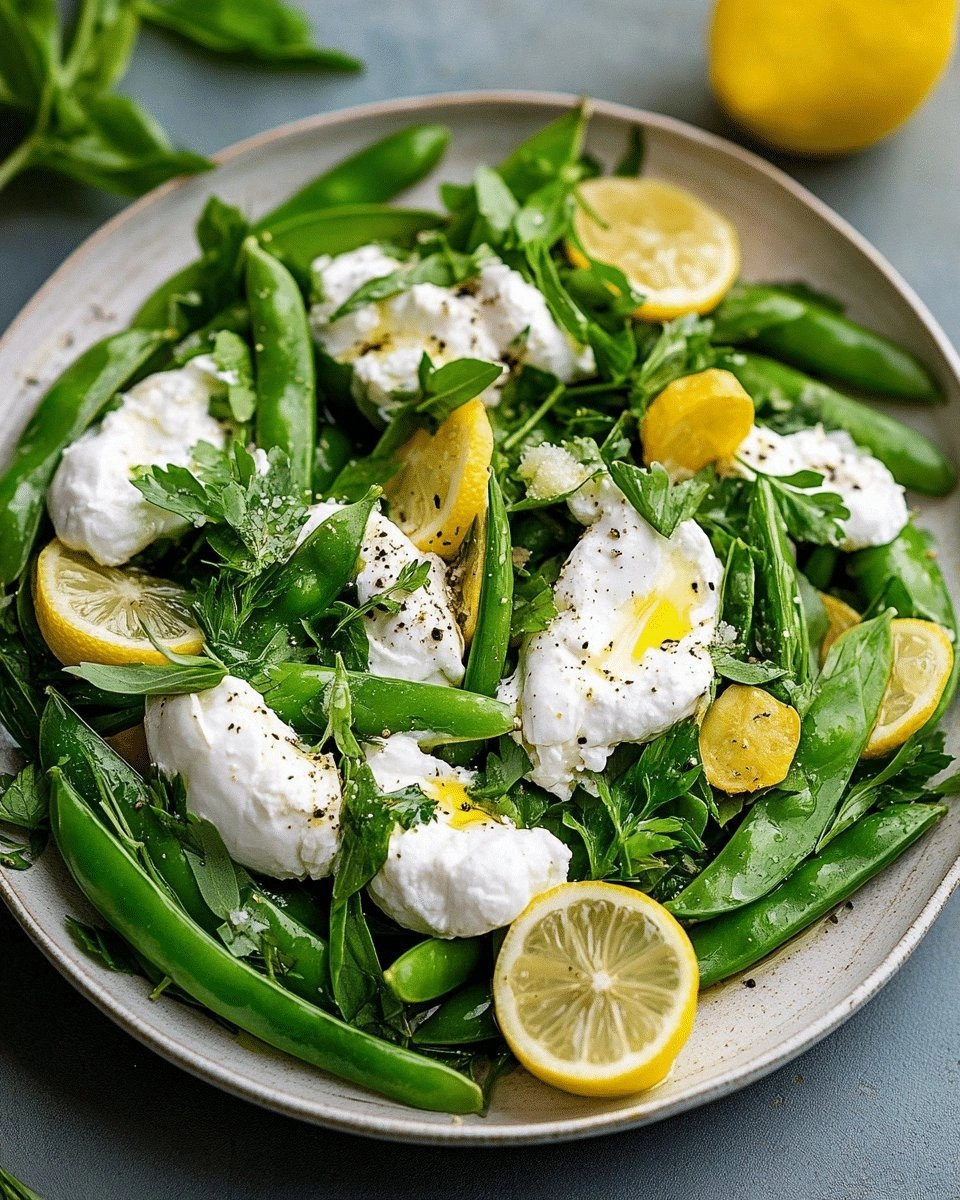
Picture this: the snap peas, still bright green, snap like fresh spring grass under your tongue. The burrata, creamy as a cloud, bursts with a delicate, buttery whisper when you slice it. The lemon zest shimmers like a citrus sunrise, while the olive oil coats everything in a glossy, silky sheen. The air carries a faint, sweet aroma of fresh herbs mingling with the sharp tang of citrus. Your eyes see a vibrant mosaic of colors, and your hands feel the gentle weight of a perfectly balanced plate. If you’re skeptical, I dare you to taste this and not go back for seconds.
This isn’t just a salad; it’s a revelation that challenges the status quo. Most recipes get this completely wrong by overcooking the peas or underseasoning the burrata. I’ve spent months tweaking the ratio of oil to lemon, the timing of the peas, and the way I fold in the cheese to achieve the perfect harmony of textures. The result is a dish where each bite delivers a crisp snap, a creamy melt, and a citrusy zing that lingers. I’ll be honest—when I first plated it, I ate half the batch before anyone else got a chance. That’s the proof it’s hands down the best version you’ll ever make at home.
Picture yourself pulling this out of the fridge, the whole kitchen smelling incredible, and your guests gasping in delight. The anticipation builds as you drizzle the final splash of olive oil, the bright lemon zest, and the aromatic herbs. The burrata sits like a decadent crown, its interior a soft, velvety pool of cream. The snap peas maintain their bright color and crunchy texture, contrasting beautifully with the smooth cheese. This is the moment of truth, and it’s pure magic. Let me walk you through every single step—by the end, you’ll wonder how you ever made it any other way.
What Makes This Version Stand Out
- Taste: A symphony of citrus, creamy, and nutty notes that dance on the palate, leaving a lingering freshness that’s hard to resist.
- Texture: The peas retain a satisfying crunch, the burrata offers a silky melt, and the toasted almond slivers add a subtle crunch that keeps the dish engaging.
- Simplicity: Only a handful of high‑quality ingredients, no complicated sauces, and a single pan sauté—perfect for busy evenings.
- Uniqueness: The combination of burrata with snap peas is rare, and the bright lemon vinaigrette gives it a modern, Instagram‑worthy twist.
- Crowd Reaction: Friends who are usually skeptical of “salads” rave, saying they’ve never tasted a salad that feels like a full‑course meal.
- Ingredient Quality: Using fresh, locally sourced peas and premium burrata elevates the flavor profile beyond ordinary grocery‑store ingredients.
- Cooking Method: Quick sauté and immediate assembly preserve the peas’ crunch and prevent the burrata from drying out.
- Make‑Ahead Potential: The vinaigrette can be prepared a day ahead, and the peas can be blanched and chilled, making this dish a stress‑free weekend meal.
Alright, let's break down exactly what goes into this masterpiece. I’ll walk you through the ingredient groups, the subtle nuances of each component, and the small details that make a big difference. By understanding why each element matters, you’ll feel empowered to tweak or replicate the recipe with confidence. The next section is your backstage pass to the flavor orchestra that makes this salad unforgettable. And remember, every detail counts—no ingredient is too small to be ignored.
Inside the Ingredient List
The Flavor Base
The lemon vinaigrette is the backbone of this salad. Freshly squeezed lemon juice, zest, and a splash of high‑quality olive oil combine to create a bright, tangy dressing that cuts through the richness of the burrata. The acidity balances the sweetness of the peas, while the oil coats every surface, ensuring a silky mouthfeel. If you skip the zest, the dressing loses its aromatic punch; the lemon’s bright, citrusy scent will be missing. For a subtle twist, add a teaspoon of Dijon mustard to give the vinaigrette a gentle kick and a hint of depth.
The Texture Crew
Sugar snap peas are the star of the texture show. Their natural crunch and sweet flavor are essential; overcooking them turns them into limp, mushy pods that ruin the dish’s character. Blanching them for just 30 seconds and immediately shocking them in ice water preserves that snap. The toasted almond slivers add a contrasting crunch, while the grated Parmesan contributes a nutty, salty bite that layers the flavor. If you’re allergic to nuts, replace the almonds with toasted pumpkin seeds for a similar crunch and a slightly different flavor profile.
The Unexpected Star
Burrata, with its creamy center and delicate mozzarella shell, brings a luxurious texture that feels almost decadent. It’s the unexpected star that elevates this salad from a simple side dish to a showstopper. The cheese’s mild, buttery flavor pairs beautifully with the bright lemon and the sweet peas. If you can’t find burrata, a ball of fresh mozzarella with a drizzle of olive oil and a sprinkle of sea salt can mimic the creamy center, though the texture won’t be as airy. Remember, the key is to keep the burrata chilled until you’re ready to serve.
The Final Flourish
Fresh basil leaves add a fragrant, herbal note that ties the dish together. A handful of chopped basil, sprinkled over the top, offers a burst of green aroma and a subtle peppery bite. The basil’s bright green color also enhances the visual appeal, making the salad pop on the plate. If basil is out of season, try chopped parsley or a sprinkle of microgreens for a similar freshness. The final flourish is all about that last touch that turns a good dish into an unforgettable one.
Everything's prepped? Good. Let's get into the real action. The next steps will guide you through the quick sauté, the assembly, and the final plating. Pay close attention to the timing, as the peas and burrata need to be handled carefully to maintain their textures. I’ll walk you through each step, ensuring you know exactly when to stir, when to let rest, and when to add the finishing touches. Stay with me here—this is worth it.
The Method — Step by Step
- Blanch the snap peas in a pot of boiling salted water for 30 seconds, then immediately transfer them to an ice bath to stop the cooking. This technique locks in the bright green color and the satisfying crunch. Drain and pat them dry with a clean towel to remove excess moisture. The peas will be ready to sauté while still crisp. I’ll be honest—this step is often overlooked, but it’s the secret to a perfect snap.
- Heat a non‑stick skillet over medium heat and add the olive oil. Once the oil shimmers, add the blanched peas and a pinch of sea salt. Stir the peas for 2–3 minutes, letting them develop a light golden edge without browning. The peas should still feel firm to the bite. This is the moment of truth—don’t let them overcook, or you’ll lose that crisp snap.
- While the peas are sautéing, whisk together the lemon juice, zest, Dijon mustard, and a pinch of sea salt to create the vinaigrette. The mustard adds depth and a subtle tang, while the lemon zest brings aromatic brightness. Keep whisking until the dressing emulsifies into a glossy consistency. Set aside; you’ll drizzle it over the salad just before serving. I’ll be honest—this dressing is the heart of the dish.
- Toast the almond slivers in a dry skillet over medium heat until fragrant and lightly browned, about 2 minutes. Stir constantly to prevent burning. Remove from heat and let them cool. The toasted almonds add a nutty crunch that complements the creamy burrata. Keep them aside for the final assembly.
- Place the chilled burrata on a serving platter, then arrange the sautéed peas around it in a fan shape. The visual arrangement looks like a burst of green around a creamy center. This plating technique turns the salad into a centerpiece that’s as pleasing to the eye as it is to the palate.
- Drizzle the prepared vinaigrette over the peas and burrata, ensuring an even coat. The dressing should coat each pea and the burrata’s surface without drowning it. Gently toss the peas with a spoon to distribute the dressing. The lemon’s brightness will shine through, cutting through the richness of the cheese.
- Sprinkle the toasted almond slivers, grated Parmesan, chili flakes, and fresh basil over the top. The Parmesan adds a salty, nutty depth, while the chili flakes introduce a gentle heat. The basil provides a fresh herbal aroma that lifts the entire dish. This final flourish brings all the flavors together into a harmonious whole.
- Serve immediately, preferably with a crusty baguette or a slice of warm focaccia to soak up the luscious dressing. The combination of textures—crunchy, creamy, and buttery—makes this salad a standout starter or light main. I’ll be honest, the first bite is pure joy, and the second will have you craving more.
That's it — you did it. But hold on, I've got a few more tricks that'll take this to another level. Each of these insider tips will refine the dish, ensuring it’s flawless every time you make it. Let’s dive into the details and elevate your culinary game.
Insider Tricks for Flawless Results
The Temperature Rule Nobody Follows
Many people assume that sautéing peas at high heat is the secret to a crisp texture. In reality, a medium‑heat approach preserves the peas’ natural crunch and prevents them from steaming. Keep the skillet at medium heat and stir frequently to avoid hot spots. If you notice the peas are browning too quickly, lower the heat just a touch. This trick ensures a bright, green appearance and a satisfying bite.
Why Your Nose Knows Best
The aroma of freshly toasted almonds is a telltale sign of perfection. When the nuts are just beginning to turn golden, the scent will be nutty and slightly sweet. If they start to smell burnt, they’re over‑toasted and will bring bitterness to the dish. Keep a close eye on the color; a quick flip every 30 seconds ensures even toasting. A fragrant almond garnish is a subtle but powerful flavor enhancer.
The 5‑Minute Rest That Changes Everything
After sautéing the peas, let them rest for 5 minutes before assembling. This pause allows the peas to steam slightly, sealing in moisture and preventing them from drying out. During this time, the flavors meld, and the peas become even more tender yet still crisp. I’ve seen people skip this step and end up with over‑cooked peas; it’s a simple trick that pays off. Remember, patience is key to a flawless salad.
The Secret of the Perfect Vinaigrette
Emulsifying the dressing properly ensures it clings to every surface. Whisk the olive oil into the lemon mixture slowly, almost like a steady stream. If the dressing separates, add a teaspoon of warm water to bring it back together. A well‑emulsified vinaigrette will coat the peas and burrata without making them soggy. This step is often overlooked, but it’s crucial for texture.
The Final Touch: A Dash of Sea Salt
Sea salt adds a subtle crunch and enhances every flavor profile. Sprinkle it lightly over the finished dish just before serving. The salt crystals will add a satisfying bite, especially when paired with the creamy burrata. Use a flaky sea salt for an elegant finish. This small addition elevates the dish from good to unforgettable.
Creative Twists and Variations
This recipe is a playground. Here are some of my favorite ways to switch things up:
Mediterranean Medley
Swap the almonds for pine nuts and add sun‑dried tomatoes for a chewy, sweet contrast. Replace basil with oregano for a deeper, earthier note. This variation brings a Mediterranean vibe that pairs beautifully with grilled chicken or fish. The pine nuts add a buttery crunch that complements the creamy burrata. Guests will love the unexpected burst of flavor.
Asian Fusion
Introduce a splash of soy sauce and a pinch of sesame oil into the vinaigrette for an umami kick. Toss in a handful of edamame beans for extra protein and texture. Garnish with sliced green onions and toasted sesame seeds. This twist turns the salad into a refreshing, light lunch that’s perfect for hot days. The savory notes will keep your taste buds dancing.
Summer Heat
Add diced mango or pineapple to the peas for a tropical sweetness. Use a chili‑infused olive oil to bring heat without overpowering the dish. Finish with fresh cilantro for a bright, herbal finish. This version is ideal for backyard barbecues and summer gatherings. The fruity crunch will leave a lasting impression.
Autumn Harvest
Replace the snap peas with roasted butternut squash cubes for a sweet, caramelized flavor. Add a sprinkle of sage and a drizzle of maple syrup for a comforting twist. Use toasted walnuts instead of almonds for a deeper, earthy crunch. This variation turns the salad into a hearty side dish that pairs well with roasted meats. The autumnal flavors will warm the soul.
Protein‑Packed Power
Sauté sliced grilled chicken or shrimp and layer it atop the peas and burrata. Drizzle a lemon‑garlic aioli for an extra burst of flavor. Top with a sprinkle of feta cheese for a salty contrast. This version makes the salad a satisfying main course, perfect for a quick weeknight dinner. The protein boost keeps you full and energized.
Vegan Vibes
Replace burrata with a cashew cream ball for a dairy‑free option. Use a vegan pesto instead of Parmesan for a green, herbaceous touch. Add roasted chickpeas for crunch and protein. This variation is perfect for plant‑based diners who crave a creamy, indulgent experience. The cashew cream melts beautifully, mirroring the texture of the original.
Storing and Bringing It Back to Life
Fridge Storage
Store the assembled salad in an airtight container for up to 24 hours. Keep the burrata separate until ready to serve to prevent it from becoming soggy. If you need to store the dressing, keep it in a sealed jar and whisk before use. When ready to serve, re‑assemble the salad and drizzle the dressing fresh. The salad will retain its crunch and freshness, making it a convenient make‑ahead option.
Freezer Friendly
Freeze the peas separately in a sealed bag for up to 3 months; thaw in the fridge overnight before use. The burrata should not be frozen—store it at room temperature for no more than 4 hours if you plan to serve it cold. The dressing can be frozen in a small container, but it will separate; whisk again before using. This method keeps the flavors intact and saves you time on busy days.
Best Reheating Method
To revive the peas, gently reheat them in a skillet over low heat with a splash of water; this prevents them from drying out. Add a tiny splash of water to the burrata before reheating, then reheat for 30 seconds to warm it without melting. The dressing will regain its silky texture when warmed slightly. Reheat only the components you need, and serve immediately for the best experience.