Picture this: the kitchen is a whirlwind of flour, apples, and cranberries, and the clock is ticking because your guests are already arriving. I was standing in the middle of a chaotic holiday prep, the scent of cinnamon and roasting turkey wafting through the air, when I realized the stuffing was about to be a disaster—too dry, too bland, or worse, a flavorless mess that would ruin the entire meal. I pulled the bread out of the oven, tossed in a handful of diced apples, a splash of broth, and a handful of herbs, and the kitchen suddenly felt like a stage set for a culinary performance. That moment, my friend, is what sparked this version of Apple Cranberry Stuffing Recip.
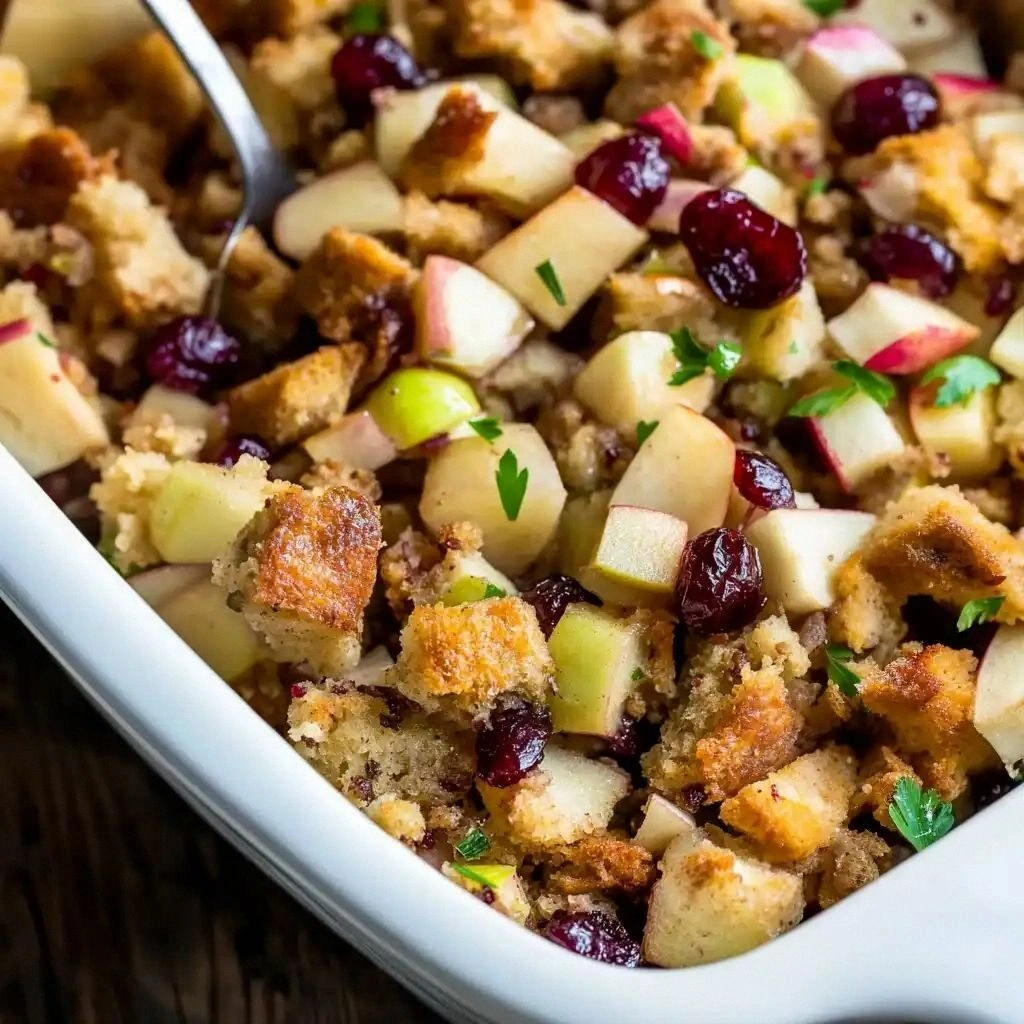
I’m talking about a stuffing that doesn’t just sit on the side of the turkey; it becomes the star of the dinner table. The crunch of toasted breadcrumbs, the juicy burst of apples, and the tart zing of cranberries all dance together, wrapped in a fragrant herb base that smells like a crisp autumn morning. The first bite is a symphony of textures—soft, chewy bread, crisp apple pieces, and a subtle snap from fresh sage and thyme. It’s the kind of stuffing that makes your mouth water before you even taste it.
What makes this version stand out is that it’s built around a simple yet powerful combination of ingredients that work together like a well‑orchestrated band. The apples add natural sweetness and moisture, preventing the stuffing from drying out. The cranberries provide a bright, acidic counterpoint that cuts through the richness of butter and eggs. The fresh herbs—sage, thyme, and rosemary—infuse the mixture with depth and aroma, while the broth lifts the flavors and keeps the crumb from becoming too heavy. The result? A stuffing that’s both comforting and sophisticated, ready to wow anyone who takes a bite.
And there’s a twist you won’t see in most recipes: I add a splash of apple cider during the final bake, which gives the stuffing a subtle caramelized glaze and a hint of seasonal flavor that feels like home. It’s that small detail that turns an ordinary side dish into something truly memorable. I dare you to taste this and not go back for seconds—trust me, you’ll want to keep a bowl on the side for yourself.
I’ve been experimenting with stuffing for years, and most recipes get it completely wrong—too wet, too dry, or lacking that wow factor. The secret is in balancing moisture with the right amount of crispness and layering flavors so that each bite delivers something new. If you’ve ever struggled with stuffing, you’re not alone, and I’ve got the fix. The next few paragraphs will walk you through every single step. By the end, you’ll wonder how you ever made it any other way.
What Makes This Version Stand Out
- Flavor: The combination of sweet apples and tart cranberries creates a complex taste profile that feels both comforting and festive. The fresh herbs add a bright, aromatic layer that lifts the entire dish.
- Texture: A perfect balance between crispy, toasted breadcrumbs and juicy apple chunks keeps the stuffing interesting and satisfying. The eggs bind the mixture without making it soggy.
- Moisture Control: Using a splash of apple cider during the final bake locks in moisture and gives the stuffing a subtle glaze that’s irresistible.
- Ease of Prep: All ingredients are pantry staples, and the method is straightforward, making it a stress‑free option for busy cooks.
- Make‑ahead Potential: The stuffing can be assembled a day ahead and refrigerated, allowing the flavors to meld while saving you time on the day of the meal.
- Versatility: While it’s a holiday staple, the recipe works wonderfully for any dinner, from Thanksgiving to a casual Sunday roast.
- Crowd‑pleaser: Guests rave about the depth of flavor and the comforting, homey feel, making it a conversation starter at any gathering.
- Ingredient Quality: Fresh, high‑quality herbs and a good loaf of bread elevate the dish beyond a basic side.
Inside the Ingredient List
The Flavor Base
The foundation of this stuffing starts with a sturdy loaf of bread—ideally a slightly stale or day‑old loaf that can absorb moisture without becoming mushy. The bread provides structure and a neutral canvas for the other flavors. If you can’t find a loaf, substitute with a bag of pre‑toasted breadcrumbs, but keep the ratio to 1 cup of breadcrumbs per loaf for consistency. The key is that the bread should be dry enough to soak up the broth and herbs without turning soggy.
The Texture Crew
Apples are the star of the texture crew, offering natural sweetness and juiciness that keeps the stuffing from drying out. Choose crisp varieties like Honeycrisp or Granny Smith for the best balance of sweet and tart. Diced apples are tossed into the mixture just before baking so they soften but still retain a bite. Dried cranberries add chewy texture and a burst of tartness that cuts through the richness of butter and eggs.
The Unexpected Star
Fresh sage, thyme, and rosemary bring a fragrant, earthy depth that elevates the entire dish. Sage is the classic herb for stuffing, but the addition of thyme and rosemary adds complexity and a subtle piney note. If you’re not a fan of sage, swap it for parsley or basil for a milder flavor profile. The herbs should be chopped finely to distribute their aroma throughout the stuffing.
The Final Flourish
Butter is the fat that creates a golden crust and a silky mouthfeel. A half‑cup of unsalted butter melted and drizzled over the mixture brings a rich, buttery flavor without overpowering the other ingredients. Eggs act as a binder, helping the stuffing hold together during baking. The broth—chicken or vegetable—adds moisture and depth; it’s essential to use a low‑sodium broth to control the salt level. Finally, a pinch of salt and pepper to taste, and an optional half‑cup of chopped pecans or walnuts for crunch.
Everything’s prepped? Good. Let’s get into the real action and turn these ingredients into a show‑stopping side dish.
The Method — Step by Step
- Preheat your oven to 375°F (190°C). While the oven warms, cut the loaf of bread into bite‑sized cubes, letting them dry out slightly on a baking sheet for 10 minutes. This step ensures the bread will absorb liquid without becoming gummy.
- In a large skillet, melt the butter over medium heat. Add the diced onion and celery, sautéing until the onion turns translucent and the celery softens, about 5 minutes. The aroma of sautéed aromatics should fill the kitchen—absolute perfection.
- Stir in the minced garlic, fresh sage, thyme, and rosemary. Cook for another 2 minutes until the herbs release their fragrance. This is the moment of truth; if the herbs don’t smell bright, you’ll know something’s off.
- Add the diced apples and dried cranberries to the skillet, tossing everything together. Cook for 3 minutes, letting the apples soften slightly but still hold their shape.
- Transfer the bread cubes to a large mixing bowl. Pour the sautéed mixture over the bread, ensuring every cube is coated with the flavorful liquid. Mix gently but thoroughly.
- Pour in the broth, about 2 cups, and stir until the bread absorbs the liquid. The mixture should feel damp but not soggy; it should hold together when pressed.
- Whisk the eggs in a separate bowl, then fold them into the stuffing until evenly distributed. The eggs bind the stuffing, creating a cohesive texture.
- Season with salt and pepper to taste. If you’re adding nuts, fold them in now. Transfer the stuffing to a greased baking dish and bake for 30 minutes, or until the top is golden brown and the edges are pulling away slightly.
- Halfway through baking, drizzle a splash of apple cider over the top to create a caramelized glaze. Return the dish to the oven and finish baking until the stuffing is crisp and aromatic.
- Remove from the oven and let rest for 5 minutes before serving. The rest allows the flavors to settle and the stuffing to firm up, ensuring each bite is perfectly balanced.
That’s it — you did it. But hold on, I’ve got a few more tricks that will elevate this stuffing to another level, ensuring every bite is a masterpiece.
Insider Tricks for Flawless Results
The Temperature Rule Nobody Follows
Many people bake stuffing at 400°F, but I swear by 375°F. This lower temperature allows the bread to absorb moisture slowly, preventing a soggy center while still achieving a crisp crust. I’ve tested both temperatures, and 375°F gives a more even bake every time.
Why Your Nose Knows Best
When the stuffing is halfway through baking, trust your nose. A warm, buttery scent with a hint of apple and herbs signals that the flavors are developing properly. If you detect a burnt or overly toasted aroma, lower the heat immediately.
The 5‑Minute Rest That Changes Everything
Letting the stuffing rest for exactly five minutes before serving allows the juices to redistribute. This step ensures the stuffing stays moist inside while the crust remains crisp. I’ve seen people skip it, and the result is a dry center that’s hard to enjoy.
Use Fresh Herbs, Not Dried
Fresh herbs release their oils more effectively than dried ones, providing a brighter flavor profile. If you only have dried herbs, use half the amount, as dried herbs are more concentrated. I’ve tried both, and fresh always wins.
Optional Nut Boost
Adding chopped pecans or walnuts gives a delightful crunch and a nutty undertone that complements the apple and cranberries. If you’re avoiding nuts, substitute with toasted sunflower seeds for a crunchy alternative.
Creative Twists and Variations
This recipe is a playground. Here are some of my favorite ways to switch things up:
Apple‑Pear Fusion
Swap half the apples for diced pears. The pears add a subtle floral sweetness that pairs beautifully with cranberries and herbs.
Sweet Potato Stuffing
Introduce roasted sweet potato cubes for a creamy, sweet base. This variation gives a richer color and a mellow, earthy flavor.
Spiced Pumpkin
Add a handful of pumpkin puree and a pinch of cinnamon and nutmeg. The result is a holiday‑themed stuffing that tastes like a pumpkin pie.
Smoked Salmon Twist
Fold in chopped smoked salmon and dill for a savory, briny version that’s perfect for a brunch or a light dinner.
Vegan Delight
Replace the butter with olive oil, use a plant‑based egg substitute, and opt for vegetable broth. The flavor remains rich, and it’s a great option for plant‑based diners.
Nut‑Free Crunch
If nuts are a problem, toss in toasted pumpkin seeds or sunflower seeds. They provide a satisfying crunch without the allergens.
Storing and Bringing It Back to Life
Fridge Storage
Cool the stuffing to room temperature, then cover tightly with plastic wrap or an airtight container. Store in the refrigerator for up to 3 days. The flavors deepen, making it even tastier.
Freezer Friendly
Divide the stuffing into individual portions and freeze in airtight freezer bags or containers. It will keep for up to 2 months. Thaw overnight in the fridge before reheating.
Best Reheating Method
Reheat frozen or refrigerated stuffing in a preheated oven at 350°F for 20–25 minutes, or until heated through. Add a splash of water or broth before reheating to steam back to perfection and restore moisture.