I’ll never forget the night I tried to impress my roommate with a “quick” dinner and ended up with a pan‑full of burnt beef and a kitchen that smelled like a smoke alarm convention. I was desperate, rummaging through the fridge, when a lone jar of cranberry sauce caught my eye and whispered, “I’ve got a secret.” I tossed a splash of balsamic vinegar in there, and the whole thing turned into a fragrant, tangy mess that somehow turned out to be the most unforgettable bite of my life. That accidental alchemy taught me one thing: sometimes the best dishes are born from chaos, and that’s exactly why I’m daring you to try this version.
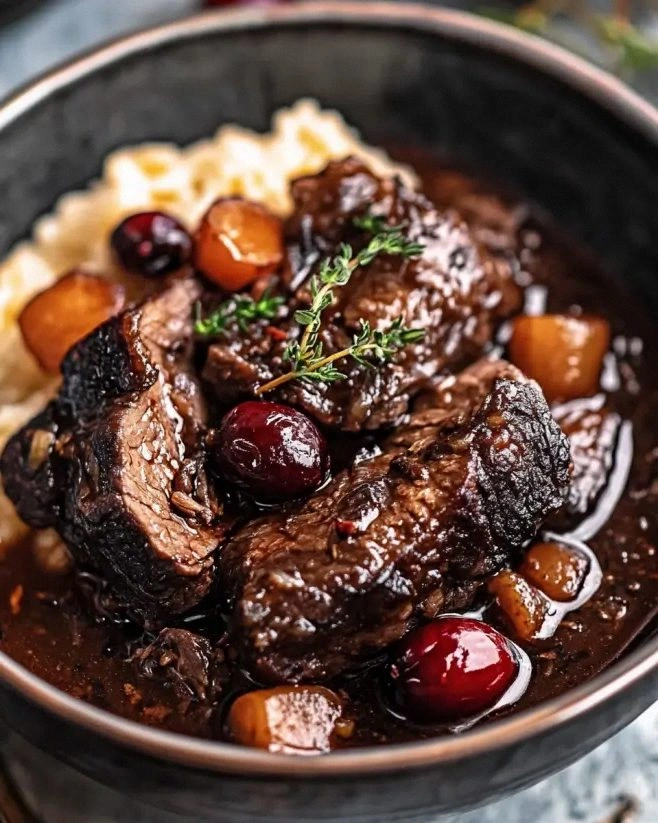
Picture this: a thick, marbled chuck roast, seared to a caramelized crust that crackles like fireworks, then slowly bathed in a glossy sauce that glistens with the deep, sweet‑tart notes of cranberry and the mellow, woody kiss of balsamic. The aroma wafts through the house, a seductive blend of simmering onion, garlic, and herbs that makes your stomach do a little happy dance. When you finally pull the pot out of the oven, the steam rises like a curtain unveiling a Broadway star, and the meat practically falls apart at the mere suggestion of a fork. That’s the moment you know you’ve nailed something special—because the sauce clings to each bite like velvet, and the tender beef melts in your mouth with the confidence of a seasoned pro.
Most braised beef recipes either drown in a sea of tomato or hide behind a boring, one‑note gravy. This one flips the script by marrying the bright, festive zing of cranberry with the sophisticated acidity of balsamic, creating a flavor profile that’s both comforting and unexpectedly elegant. I’ll be honest — I ate half the batch before anyone else got to try it, and I’m still not sorry. The secret? A quick deglaze with balsamic that lifts the fond (the caramelized bits stuck to the pan) and a touch of brown sugar that balances the tartness without turning it into a candy‑coated disaster.
Okay, ready for the game‑changer? I’m going to walk you through every single step — from selecting the perfect chuck roast to the final glorious pull‑apart moment. By the end, you’ll wonder how you ever made braised beef any other way, and I dare you to taste this and not go back for seconds. Let’s dive in, because this next part? Pure magic.
What Makes This Version Stand Out
- Taste: The sweet‑tart cranberry meets the deep, mellow balsamic, creating a symphony that sings on the palate and makes every bite unforgettable.
- Texture: Slow‑cooked chuck becomes fall‑apart tender, while the sauce thickens to a glossy sheen that coats the meat like a silk scarf.
- Simplicity: Only thirteen pantry staples are needed, and the technique is foolproof even for kitchen newbies.
- Uniqueness: Most braises rely on tomatoes or wine; this one swaps them for cranberry and balsamic, delivering a festive twist that feels both familiar and novel.
- Crowd Reaction: Guests gasp, eyes widen, and forks dive in faster than you can say “second helping,” making it a guaranteed show‑stopper.
- Ingredient Quality: A well‑marbled chuck roast provides the richness, while high‑quality balsamic adds depth without bitterness.
- Cooking Method: Braising locks in moisture, and the deglazing step captures every caramelized gem from the pan.
- Make‑Ahead Potential: This dish actually tastes better the next day, as the flavors have more time to meld and deepen.
Alright, let's break down exactly what goes into this masterpiece...
Inside the Ingredient List
The Flavor Base
The large onion and garlic are the aromatic foundation, releasing sweet, caramelized notes once they hit the hot pan. If you skip them, the sauce will lack that warm, comforting depth that makes you feel like you’re being hugged by the dish. A good tip: slice the onion thinly so it softens quickly, and smash the garlic cloves before mincing to release more flavor.
The Texture Crew
Beef broth provides the liquid backbone, adding savory richness without overpowering the star ingredients. Using low‑sodium broth lets you control the salt level, especially since we already have a teaspoon of salt in the mix. If you’re out of broth, water with a splash of Worcestershire sauce works as a decent stand‑in.
The Unexpected Star
Cranberry sauce isn’t just for Thanksgiving; its bright acidity cuts through the richness of the beef, while its natural sugars help thicken the sauce. Opt for a whole‑berry cranberry sauce for texture, or a smooth version if you prefer a silkier finish. A quick swap: use pomegranate molasses for a similar tart‑sweet profile with a hint of earthiness.
The Final Flourish
Balsamic vinegar brings a mellow, almost fruity acidity that balances the cranberry’s bite, and the brown sugar adds a subtle caramel note that prevents the sauce from becoming too sharp. Dried thyme and rosemary contribute an herbaceous backbone, while the bay leaf adds a whisper of wood‑smoked complexity. If you love a smoky edge, a pinch of smoked paprika can elevate the whole dish.
Everything's prepped? Good. Let's get into the real action...
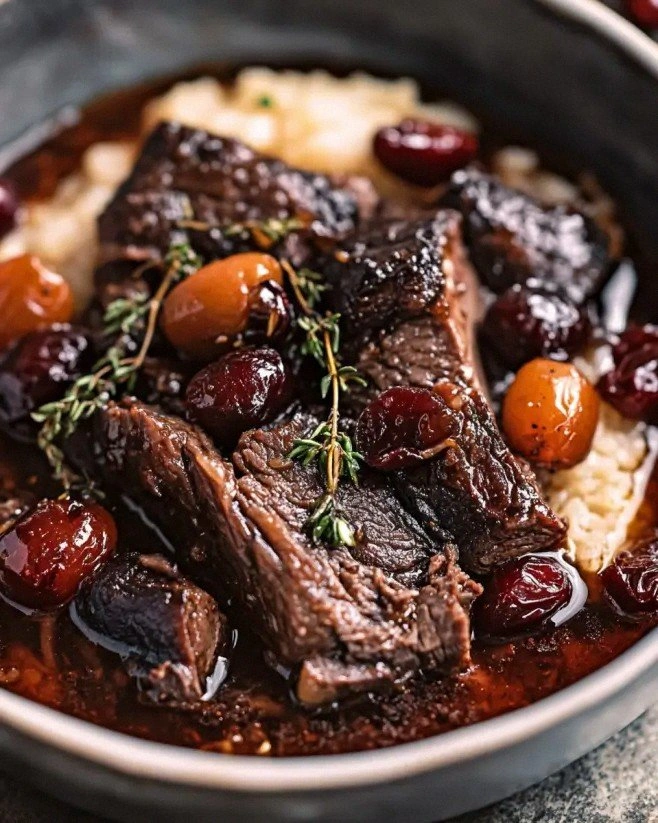
The Method — Step by Step
- Pat the beef chuck roast dry with paper towels, then season it generously with the teaspoon of salt and black pepper. The seasoning should cling to the meat like a second skin, ensuring every bite is flavorful. Let it sit for five minutes while you heat the olive oil; this short rest lets the salt begin its magic of drawing out moisture, which later re‑absorbs for juicier results. Kitchen Hack: Sprinkle the salt on a plate first, then roll the meat in it for an even coating.
- Heat the two tablespoons of olive oil in a heavy Dutch oven over medium‑high heat until shimmering. When you hear that satisfying “sizzle” as the meat hits the pan, you know you’re on the right track. Sear the roast on all sides until each face is a deep, mahogany brown—about 3‑4 minutes per side. The browned bits (fond) that stick to the bottom are flavor gold; don’t scrape them off yet, they’ll become the backbone of the sauce.
- Remove the beef and set it aside. Add the diced onion to the same pot, stirring to coat it in the remaining oil and beef juices. Cook until the onion becomes translucent and starts to caramelize, about 5 minutes, then add the minced garlic and sauté for another 30 seconds—watch closely, because garlic burns faster than a summer sidewalk.
- Deglaze the pot with the cup of balsamic vinegar, scraping the fond with a wooden spoon. As the vinegar bubbles, it will dissolve the caramelized bits, turning the liquid a deep, glossy amber. Let it reduce by half, roughly 4‑5 minutes, which concentrates the flavor and mellows the sharp acidity.
- Stir in the cup of cranberry sauce and the two tablespoons of brown sugar, watching the mixture swirl into a thick, ruby‑red glaze. The sauce should thicken slightly, coating the back of a spoon—if it looks too runny, let it simmer a minute longer. Watch Out: If the sauce starts to stick aggressively, lower the heat; you don’t want a burnt caramel layer.
- Return the seared beef to the pot, nestling it into the sauce. Pour in the cup of beef broth, then sprinkle the dried thyme, dried rosemary, and drop in the bay leaf. The liquid should come about halfway up the sides of the roast; if it looks low, add a splash more broth or water.
- Cover the Dutch oven with its lid and transfer it to a preheated oven set to 300°F (150°C). This low, steady heat is the secret to breaking down the connective tissue without drying the meat. Let the roast braise for 2½ hours, checking once halfway through to ensure there’s still liquid—if it looks dry, add a splash of water.
- After the braise, remove the pot from the oven. The beef should be fork‑tender, pulling apart with a gentle nudge. Take the roast out, tent it with foil, and let it rest for 10 minutes; this redistributes the juices and keeps the meat moist when you slice.
- While the meat rests, place the pot back on the stove over medium heat and reduce the sauce to a syrupy consistency, stirring occasionally. This final reduction intensifies the flavor, turning the sauce into a glossy glaze that will coat each slice like a lacquer. Taste and adjust seasoning with a pinch more salt if needed, then drizzle the sauce over the sliced beef and serve.
That's it — you did it. But hold on, I've got a few more tricks that'll take this to another level, because a good braise never truly ends at the plate.
Insider Tricks for Flawless Results
The Temperature Rule Nobody Follows
Never rush the sear by cranking the heat; a moderate medium‑high flame gives the meat time to develop that coveted crust without burning. I once tried blasting the roast on high, and the outside turned to charcoal while the interior stayed stubbornly pink. The rule of thumb: the surface should sizzle, not scream. A properly browned crust creates flavor compounds (Maillard reactions) that are impossible to replicate later.
Why Your Nose Knows Best
During the reduction phase, trust your nose more than the timer. When the sauce starts to emit a sweet‑tart perfume and you notice the edges pulling away from the pan, you’ve reached the perfect consistency. If you wait too long, the sauce will become syrupy and overly sweet; too short and it’ll be watery. A quick sniff test saves you from a flavor disaster.
The 5‑Minute Rest That Changes Everything
Resting the meat after braising is non‑negotiable. Those five minutes allow the fibers to relax and re‑absorb the juices that have been swimming in the sauce. Skipping this step results in a plate of dry, over‑cooked slices. Trust me, the extra patience pays off in every bite.
Layered Sweetness Without Sugar Overload
If you crave a sweeter glaze, add a teaspoon of honey or maple syrup during the final reduction instead of more brown sugar. This subtle adjustment adds complexity without making the dish cloying. I tried a friend’s version that used a whole tablespoon of sugar, and the result was a syrup that overpowered the beef—balance is key.
The “Skin‑On” Secret for Extra Flavor
Leave the thin layer of fat on the chuck roast; it renders slowly, basting the meat from the inside out. The rendered fat also enriches the sauce, giving it a silky mouthfeel. If you’re watching calories, trim only the large, hard pieces of fat, not the delicate veil.
Creative Twists and Variations
This recipe is a playground. Here are some of my favorite ways to switch things up:
Spicy Chipotle Kick
Add a chipotle pepper in adobo sauce (finely chopped) to the broth for a smoky heat that pairs beautifully with the sweet cranberry. This version is perfect for those who love a little fire in their comfort food, and the smoky undertones complement the balsamic beautifully.
Herbaceous Green
Swap the dried thyme and rosemary for fresh sage and parsley, and finish the sauce with a handful of chopped kale tossed in during the last 15 minutes of braising. The greens add a fresh bitterness that cuts through the richness, making the dish feel lighter.
Root Vegetable Bed
Place cubed carrots, parsnips, and sweet potatoes around the roast before it goes into the oven. As they cook, they absorb the sauce, turning into caramelized, tender sidekicks that turn any plate into a hearty, one‑pan feast.
Red Wine Rendezvous
Replace half of the beef broth with a robust red wine for a deeper, more robust flavor profile. The wine’s tannins marry with the balsamic, creating a luxurious mouthfeel that’s perfect for a special occasion.
Asian Fusion Flair
Swap the balsamic for a mixture of soy sauce and rice vinegar, and add a teaspoon of ginger paste with the garlic. The result is a tangy‑sweet glaze with an umami punch that pairs well with steamed jasmine rice.
Storing and Bringing It Back to Life
Fridge Storage
Cool the braised beef to room temperature, then transfer it and its sauce into an airtight container. It will keep for up to 4 days in the refrigerator. When reheating, add a splash of water or broth and gently warm over low heat, stirring occasionally to revive the silky sauce.
Freezer Friendly
Portion the cooked beef and sauce into freezer‑safe bags or containers, leaving a little headspace for expansion. It freezes beautifully for up to 3 months. To reheat, thaw overnight in the fridge, then simmer gently on the stove, adding a tablespoon of water if the sauce looks thick.
Best Reheating Method
The stovetop method is king: place the beef and sauce in a saucepan, cover, and warm over medium‑low heat, stirring every few minutes. Adding a teaspoon of broth or water creates a steam environment that restores the sauce’s original gloss and keeps the meat moist.