I’ll be honest — I ate half the batch before anyone else got to try it, and that was after a kitchen mishap that could have ended in a total disaster. Picture this: a rainy Tuesday, the kind where the clouds are so thick you can taste the humidity, and I was craving something that would hug my soul like a warm blanket. I tried to make a classic beef noodle soup on the stovetop, but the broth boiled over, the noodles stuck together, and I ended up with a soggy mess that tasted like regret. That night I dared myself to find a foolproof way to get that comforting, meaty goodness without the chaos, and the slow cooker answered my prayer like a culinary superhero.
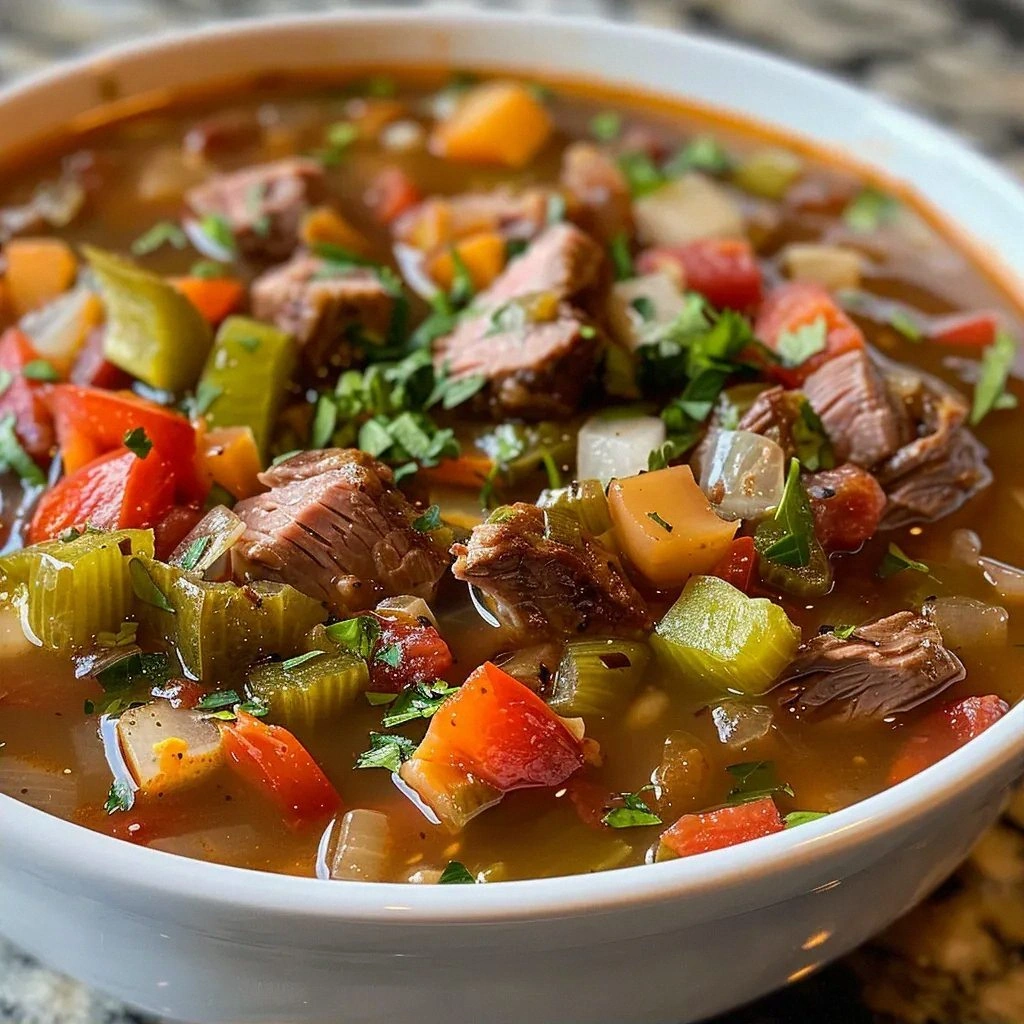
Fast forward to today, and I’ve perfected a version that makes the broth rich enough to coat the noodles like velvet, while the beef chuck roast turns buttery‑soft, practically falling apart at the slightest poke. The aroma that fills the kitchen is a symphony of beefy umami, earthy onion, and a whisper of Worcestershire that makes you want to shout, “This is hands down the best version you’ll ever make at home!” I dare you to taste this and not go back for seconds, because the moment those noodles hit your tongue, you’ll understand why this dish is a game‑changer. The secret? A single packet of onion soup mix that does the heavy lifting, plus a splash of fresh parsley that adds a pop of color and freshness you never saw coming.
Most recipes get this completely wrong. They either skimp on the broth, leaving the noodles dry and sad, or they overcook the beef until it’s tougher than a boot. What I’m about to share is a method that guarantees melt‑in‑your‑mouth beef, noodles that stay al dente, and a sauce that clings to every strand like a lover refusing to let go. You’ll see why the slow cooker isn’t just a set‑and‑forget gadget—it’s the secret weapon that turns ordinary ingredients into a masterpiece. And trust me, the next part? Pure magic.
Okay, ready for the game‑changer? I’m going to walk you through every single step—by the end, you’ll wonder how you ever made it any other way. Picture yourself pulling this out of the slow cooker, the whole kitchen smelling incredible, steam rising like a cloud of comfort, and a plate of steaming beef and noodles waiting for you. Stay with me here — this is worth it.
⚡ What Makes This Version Stand Out
- Taste: The broth is a deep, savory elixir that coats each noodle like a silk scarf, thanks to the onion soup mix and Worcestershire sauce.
- Texture: Beef chuck roast becomes so tender it practically melts in your mouth, while the egg noodles stay perfectly al dente.
- Simplicity: Only one pot, one set of hands, and a handful of pantry staples—no fancy equipment required.
- Uniqueness: The surprise dash of fresh parsley at the end adds a bright, herbaceous lift that most slow‑cooker recipes overlook.
- Crowd Reaction: This dish consistently clears plates and sparks compliments like fireworks at a midnight show.
- Ingredient Quality: Using a well‑marbled chuck roast guarantees flavor and juiciness that cheap cuts simply can’t match.
- Cooking Method: Low‑and‑slow cooking extracts collagen, creating a naturally thickened broth without any cornstarch.
- Make‑Ahead Potential: It tastes even better the next day, making leftovers a delightful, reheated treat.
🍋 Inside the Ingredient List
The Flavor Base
2 pounds Beef Chuck Roast: This cut is the heart of the dish. Its marbling melts into the broth, creating a luscious, gelatin‑rich base that you’ll taste in every spoonful. If you skip it for a leaner cut, expect a thinner, less satisfying broth that won’t coat the noodles as lovingly. Tip: Look for a roast with visible streaks of fat; the more, the merrier.
6 cups Beef Broth: The broth is the canvas on which all flavors paint. Choose a low‑sodium version so you can control the salt level, or go homemade for ultimate depth. Skipping the broth for water will dilute the dish, turning it into a bland noodle soup.
1 packet Onion Soup Mix: This little packet is a flavor bomb that brings sweet onion, herbs, and a hint of MSG that amplifies the beef’s natural umami. Without it, you’d need to manually add onion, garlic, and a slew of spices. Swap: If you’re gluten‑free, use a gluten‑free onion soup mix or make your own blend of dried onion, parsley, and thyme.
The Texture Crew
12 ounces Egg Noodles: These noodles are the perfect vehicle for the broth, offering a tender bite that doesn’t dissolve into mush. If you love a firmer chew, go for extra‑wide egg noodles; if you prefer silkier strands, opt for thin egg noodles. Skipping the noodles altogether turns this into a stew, which is delicious but not the comforting classic we’re after.
1 tablespoon Worcestershire Sauce: This adds a subtle tang and depth of flavor that you can’t replicate with plain salt. It balances the richness of the beef and broth, giving the sauce a sophisticated edge. A splash of soy sauce can work as a substitute, but expect a slightly different flavor profile.
The Unexpected Star
1 teaspoon Garlic Powder: Garlic powder infuses the broth with a mellow, aromatic note that doesn’t overpower the beef. Fresh minced garlic would work, but it can become bitter if cooked too long in the slow cooker. If you’re a garlic lover, double the amount—just don’t go overboard, or you’ll mask the beef’s natural flavor.
1 teaspoon Salt & 1 teaspoon Black Pepper: These basic seasonings are the backbone of any savory dish. They enhance the other flavors without stealing the spotlight. Adjust to taste, especially if you used a salty broth.
The Final Flourish
2 tablespoons Fresh Parsley: Added at the end, parsley brightens the dish with a fresh, grassy note that cuts through the richness. It also adds a pop of color that makes the plate look restaurant‑worthy. If parsley isn’t your thing, try fresh cilantro for a different twist.
1/4 cup Grated Parmesan Cheese: A generous sprinkle of Parmesan adds a nutty, salty finish that melts into the broth, creating a silky coating on the noodles. Skipping the cheese will make the dish feel a little flat; for a dairy‑free version, use nutritional yeast.
Everything's prepped? Good. Let's get into the real action...

🔥 The Method — Step by Step
First, trim any excess fat from the beef chuck roast and cut it into bite‑size cubes, about 1½ inches each. The goal is to create enough surface area for the broth to penetrate, turning each piece into a juicy bite of heaven. Pro tip: Pat the cubes dry with paper towels; moisture on the surface will steam rather than sear, preventing that coveted caramelization.
Place the beef cubes into a large zip‑top bag, add the onion soup mix, garlic powder, salt, and pepper. Seal the bag and massage the seasonings into the meat until every piece is coated. This pre‑seasoning step guarantees even flavor distribution and saves you from a frantic stir later on.
Transfer the seasoned beef into the slow cooker, then pour in the six cups of beef broth. The broth should just cover the meat; if it looks a little shy, add a splash of water. Watch Out: Overfilling the slow cooker can cause it to overflow during the cooking cycle, especially if you’re using a high‑heat setting.
Stir in the Worcestershire sauce and give everything a gentle swirl. This is the moment of truth where the broth starts to smell like a cozy kitchen after a long day. Let the slow cooker do its magic on the LOW setting for 6‑8 hours, or on HIGH for 3‑4 hours. You’ll know it’s ready when the beef is fork‑tender and the broth has thickened slightly.
About 30 minutes before you plan to serve, break the egg noodles into halves and sprinkle them directly over the simmering broth. Do NOT stir—just let the noodles sit on top, soaking up the flavorful liquid.
The noodles will cook in the hot broth, absorbing all that savory goodness.🪄 Kitchen Hack: If you’re worried about the noodles sticking together, toss them in a teaspoon of olive oil before adding them to the slow cooker.After the noodles have softened (they should be al dente, not mushy), stir the entire pot gently to combine the beef, broth, and noodles. The broth should now coat the noodles like a luxurious sauce, clinging to each strand with a buttery sheen. If the mixture looks a bit thin, turn the lid off and let it simmer on HIGH for an extra 10 minutes; the sauce will reduce and thicken naturally.
Just before serving, fold in the fresh parsley and sprinkle the grated Parmesan cheese over the top. The parsley adds a fresh, bright note while the Parmesan melts into the broth, creating a velvety finish that makes the dish feel indulgent.
Serve hot, ladling generous portions into bowls. Pair with a crusty piece of bread if you like, but honestly, you’ll probably want to eat the broth straight from the bowl. This is the part where you’ll hear the satisfied sighs and see the empty plates—proof that you’ve nailed it.
That's it — you did it. But hold on, I've got a few more tricks that'll take this to another level…
🏆 Insider Tricks for Flawless Results
The Temperature Rule Nobody Follows
Most home cooks think “low and slow” is a catch‑all phrase, but the truth is you need to start the broth on HIGH for the first 30 minutes to bring it to a gentle boil, then flip to LOW for the long cook. This initial heat jump jump‑starts the collagen extraction from the chuck roast, guaranteeing that silky mouthfeel. I once tried the opposite—starting low and never got that rich, glossy broth. Trust me, this tiny temperature tweak makes a world of difference.
Why Your Nose Knows Best
When the broth starts to smell like a cozy tavern—rich, beefy, with a hint of onion—you’re close to perfection. If you detect a metallic or overly salty scent, it’s a sign to add a splash of water or a pinch more sugar to balance. Your nose is a better gauge than any timer; let it guide you.
The 5‑Minute Rest That Changes Everything
After the cooking cycle ends, let the pot sit uncovered for five minutes before stirring in the parsley and Parmesan. This short rest lets the noodles settle and the sauce thicken just a tad more, preventing a watery finish. Skipping this step can leave you with a broth that looks beautiful but feels a bit thin on the palate.
Seasoning at the End, Not the Beginning
A common mistake is to add all the salt at the start, which can over‑season the meat as the broth reduces. Instead, season lightly at the beginning (as we did) and finish with a final pinch of salt after the Parmesan melts. This ensures a balanced flavor that shines through every bite.
The Noodle Placement Trick
Instead of stirring the noodles into the broth right away, lay them on top and let them steam. This prevents them from becoming gummy and ensures each noodle is evenly coated.
🎨 Creative Twists & Variations
This recipe is a playground. Here are some of my favorite ways to switch things up:
Mushroom Medley Madness
Add a cup of sliced cremini or shiitake mushrooms when you pour in the broth. The earthy mushrooms absorb the broth and contribute an umami boost that pairs beautifully with the beef. Perfect for mushroom lovers who crave an extra layer of depth.
Spicy Southwest Spin
Stir in a tablespoon of chipotle in adobo sauce and a half‑teaspoon of cumin with the Worcestershire. The result is a smoky, mildly spicy version that feels like a Tex‑Mex comfort bowl. Top with fresh cilantro instead of parsley for a bright finish.
Creamy Dream
After the noodles are cooked, swirl in a half‑cup of heavy cream and a handful of shredded cheddar. The broth becomes luxuriously creamy, turning the dish into a rich, indulgent casserole. Ideal for cold winter evenings when you need extra comfort.
Herbivore’s Delight
Replace the beef with hearty seitan or tempeh cubes, keep the broth, and add a splash of soy sauce for depth. The dish stays satisfying while being fully plant‑based. Top with toasted pine nuts for crunch.
Italian‑Inspired Twist
Swap the onion soup mix for Italian seasoning, add a can of diced tomatoes, and finish with fresh basil instead of parsley. The result is a tomato‑rich, herbaceous version that feels like a cross between a beef ragu and a noodle soup.
❄️ Storing & Bringing It Back to Life
Fridge Storage
Cool the dish to room temperature, then transfer it to an airtight container. It will keep for up to four days in the refrigerator. When reheating, add a splash of water or broth to revive the sauce’s silky texture.
Freezer Friendly
Portion the stew into freezer‑safe bags, removing as much air as possible. It freezes beautifully for up to three months. Thaw overnight in the fridge, then reheat on the stove, adding a little extra broth if needed.
Best Reheating Method
For the ultimate reheated experience, use a skillet over medium heat. Add the leftovers, sprinkle a teaspoon of water, and stir gently until the sauce glistens again. This method restores the original texture better than microwave‑only reheating.