I was standing in my kitchen, staring at a pile of half‑done pancakes that looked more like a sad, soggy pancake cake than breakfast. I had tried every recipe I could find—flour, milk, eggs, a dash of salt—and each batch ended up either too dense or too dry. I was about to throw the batter in the trash when a friend texted me a link to a cottage cheese pancake recipe that promised a protein punch and airy texture. I laughed, because cottage cheese in pancakes? It sounded like a culinary prank. But I was hungry for something that would actually work, so I decided to give it a shot.
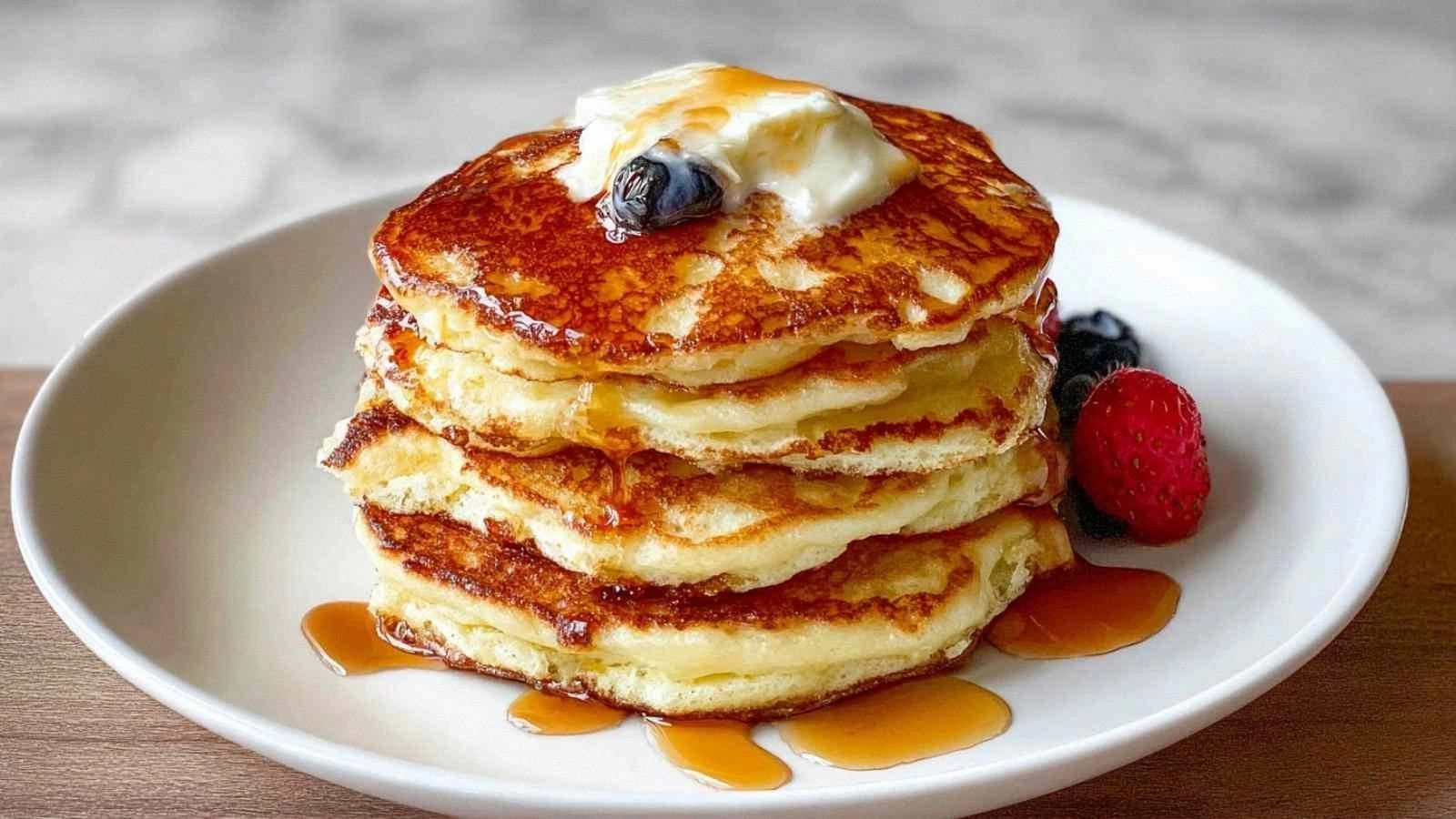
The first bite was a revelation. The pancake was light as a cloud, yet packed a satisfying bite thanks to the protein from cottage cheese and eggs. The aroma was buttery and vanilla‑sweet, like a warm hug on a cold morning. The texture was a perfect balance: a crisp outer edge that cracked like thin ice when you bit into it, and a tender, almost custard‑like interior that melted in your mouth. It was the kind of breakfast that makes you want to sit on the counter and savor every crumb, as if you were in a quiet, sunlit kitchen that never ends. I felt a surge of confidence—this was not just another bland, over‑cooked pancake.
I dare you to taste this and not go back for seconds. This is hands down the best version you'll ever make at home. I’ll be honest—my friends were skeptical at first, but the moment they tasted the first bite, they were hooked. They asked for the recipe, then for the next batch. It’s the kind of dish that turns a simple Sunday morning into a shared celebration. I’ve had people come over just to see how I do it. Picture yourself pulling this out of the pan, the whole kitchen smelling incredible, and everyone reaching for the next bite.
If you've ever struggled with pancakes that fall apart or taste like cardboard, you're not alone. The secret lies in the humble cottage cheese, which adds moisture and protein without the heaviness of milk or yogurt. I’ve tweaked the method, added a pinch of baking powder for lift, and used a simple vanilla extract for depth. The result? A pancake that rises beautifully, holds its shape, and delivers a buttery, slightly sweet flavor that lingers. And the best part? It’s quick, it’s easy, and it’s a game‑changer for anyone who wants a high‑protein breakfast that doesn’t compromise on taste.
What Makes This Version Stand Out
- Protein Power: Cottage cheese and eggs combine to give each pancake a protein punch that fuels your day. It’s the kind of protein that’s easy to digest and leaves you feeling satisfied for hours. No need for whey or soy; this is natural, clean, and delicious.
- Texture Triumph: The batter is silky yet thick enough to hold its shape. When it hits the hot griddle, it sizzles like a small campfire, forming a golden crust that cracks softly when you lift it. The inside remains airy, almost like a soufflé.
- Flavor Depth: Vanilla extract adds a warm, comforting sweetness that balances the savory cottage cheese. The sugar is minimal, so the pancakes aren’t overly sweet—just enough to highlight the natural flavors.
- Speed and Simplicity: In under 45 minutes you can have a stack of fluffy, protein‑rich pancakes ready to serve. No complicated steps, no fancy equipment—just a whisk, a bowl, and a skillet.
- Make‑Ahead Friendly: You can prepare the batter ahead of time and refrigerate it for up to 24 hours. When you’re ready to cook, just stir it gently and pour—no extra prep needed.
- Versatility: This base works beautifully with sweet or savory toppings. Think fresh berries, maple syrup, smoked salmon, or a sprinkle of herbs. It’s a blank canvas that adapts to any craving.
- Audience Appeal: Whether you’re a fitness enthusiast, a busy parent, or a foodie looking for a new breakfast adventure, these pancakes fit every lifestyle.
Inside the Ingredient List
The Flavor Base
Cottage cheese is the star of this recipe, offering a subtle tang and a creamy texture that’s unlike any milk or yogurt. It’s the secret ingredient that keeps the pancakes moist without making them heavy. If you skip it, the batter will dry out quickly, and the pancakes will lose that signature fluffy bite. For the best flavor, choose a full‑fat variety; the richer the cheese, the creamier the result.
The Protein Crew
Eggs are the backbone of the batter, binding everything together and providing structure. They also contribute to the rise, thanks to the proteins that expand when heated. If you’re vegan, you can substitute with flaxseed meal mixed with water, but the texture will be slightly different. For a lighter option, use two egg whites and two whole eggs; this reduces fat while maintaining the protein boost.
The Unexpected Star
Vanilla extract is a subtle but powerful enhancer that brings warmth to the batter. A teaspoon is enough to lift the flavor profile without overpowering the natural taste of cottage cheese. If you prefer a different note, try almond or coconut extract for a tropical twist. The vanilla also helps balance the savory notes, making the pancakes versatile for both sweet and savory toppings.
The Final Flourish
All‑purpose flour provides the structure and gives the pancakes that classic golden crust. The baking powder is the key leavening agent; it reacts with the eggs and cottage cheese to produce carbon dioxide, which creates the airy interior. If you’re gluten‑free, swap the flour for a 1:1 blend of oat and rice flour, and use a gluten‑free baking powder. The sugar is minimal—just enough to balance the tang of the cheese and to give a slight caramelized edge when cooked.
Everything’s prepped? Good. Let’s get into the real action and watch these pancakes rise like a sunrise on your skillet.
The Method — Step by Step
- Whisk the Wet Ingredients: In a large bowl, combine the cottage cheese, eggs, and vanilla extract. Beat them together until the mixture is smooth and the cottage cheese is fully integrated. The batter should look slightly chunky but without large curds. This step ensures that the protein sources are evenly distributed, preventing lumps.
- Fold in the Dry: Sift the flour, baking powder, and sugar into the wet mixture. Gently fold with a spatula, being careful not to overmix. Overworking the batter can develop gluten, making the pancakes tough. You want a few small streaks of flour left visible, which is fine.
- Let the Batter Rest: Cover the bowl with plastic wrap and let the batter sit for 10 minutes. This allows the baking powder to activate and the flour to hydrate, resulting in a smoother texture. During this time, the cottage cheese can absorb some moisture, preventing a dry final product.
- Preheat Your Skillet: Place a non‑stick skillet over medium heat and add a small pat of butter or a splash of oil. Let it melt until it starts to shimmer, but not brown. The right temperature ensures a golden crust without burning.
- Test the Heat: Drop a single drop of water onto the skillet. If it sizzles and evaporates almost immediately, the pan is ready. If it pools, lower the heat slightly.
- Cook the Pancakes: Pour about 1/4 cup of batter onto the skillet for each pancake. Let it spread naturally; don’t press it down. When the edges start to set and small bubbles form on the surface, flip with a wide spatula. Cook for an additional 1‑2 minutes until the other side is golden.
- Watch the Edges: As the pancake cooks, the edges will pull away from the skillet. This is a good indicator that it’s ready to flip. Don’t rush; flipping too early can cause the interior to remain liquid.
- Stack and Keep Warm: As soon as a pancake is done, place it on a plate and cover loosely with foil. Continue cooking the rest, stacking them as you go. The foil keeps the pancakes warm and fluffy.
- Serve Immediately: Plate the pancakes and add your favorite toppings—fresh berries, a drizzle of maple syrup, a dollop of Greek yogurt, or a sprinkle of chopped nuts. The pancakes are best enjoyed hot, so don’t let them sit too long before eating.
That’s it—you did it. But hold on, I’ve got a few more tricks that will take this to another level and ensure each bite is flawless.
Insider Tricks for Flawless Results
The Temperature Rule Nobody Follows
Many people skip the heat test and start cooking immediately. The truth is, the perfect pancake starts with a skillet that’s hot enough to create a crust but not so hot that it scorches. I recommend a medium setting and using a small drop of water to gauge. If the water sizzles, you’re good; if it splashes, reduce the heat.
Why Your Nose Knows Best
When a pancake is done, it gives off a buttery, slightly caramelized scent. Trust your nose to tell you when the edges have set. This sensory checkpoint saves you from flipping too early and ending up with a lumpy interior.
The 5‑Minute Rest That Changes Everything
After you finish cooking, let the pancakes rest for five minutes on a warm plate. This allows the steam to redistribute, making the interior fluffy and preventing a dry top. I’ve seen pancakes that look perfect on the skillet but dry out once they sit.
Mix, Don’t Whisk
A gentle fold preserves the airy texture. Whisking vigorously can incorporate too much air and cause the batter to become too light, leading to a fragile pancake that breaks apart. Use a spatula to fold until just combined.
Keep It Covered
If you’re cooking more than a few pancakes, keep the finished ones covered with foil or a low‑temperature oven (around 200°F) to keep them warm. This prevents the bottom from drying out while you finish the rest.
Creative Twists and Variations
This recipe is a playground. Here are some of my favorite ways to switch things up: Berry Burst: Add fresh blueberries or sliced strawberries directly into the batter before cooking; the berries pop with each bite. Savory Spin: Mix in chopped spinach, feta, and a pinch of oregano; serve with a dollop of Greek yogurt for a Mediterranean twist. Chocolate Chip: Fold in dark chocolate chips and a dash of espresso powder for a mocha‑flavored pancake that satisfies your sweet tooth. Nutty Delight: Sprinkle chopped walnuts or almonds on top before serving for added crunch and healthy fats. Spiced Morning: Add a pinch of cinnamon or nutmeg to the batter for a warm, cozy flavor that pairs beautifully with maple syrup.
Storing and Bringing It Back to Life
Fridge Storage
Cool the pancakes completely, then stack them with parchment paper between each layer. Store in an airtight container in the refrigerator for up to 3 days. The pancakes will stay moist and ready to reheat.
Freezer Friendly
Place the cooled pancakes on a baking sheet and freeze until solid. Transfer to a freezer bag, removing as much air as possible. They can be stored for up to 2 months. When you’re ready, pop them out and keep them warm.
Best Reheating Method
Reheat frozen pancakes in a preheated oven at 350°F for 10 minutes, or in a skillet over medium heat for 2–3 minutes on each side. Add a splash of water or milk to the skillet before heating; the steam will revive the moisture and keep them from drying out.