I still remember the first time I tried to impress my future in-laws with what I thought would be a simple chocolate bundt cake. Three hours later, I was staring at a cratered, sunken disaster that looked more like a chocolate donut than anything you'd proudly serve to guests. My mother-in-law took one polite bite, smiled sweetly, and said "It's... interesting." That was the moment I vowed to create the most incredible chocolate bundt cake anyone had ever tasted. After months of testing, tweaking, and taste-testing (my neighbors still talk about those weeks), I finally cracked the code. The secret? A generous pour of Guinness that transforms ordinary chocolate cake into something that makes grown adults close their eyes and sigh with pleasure.
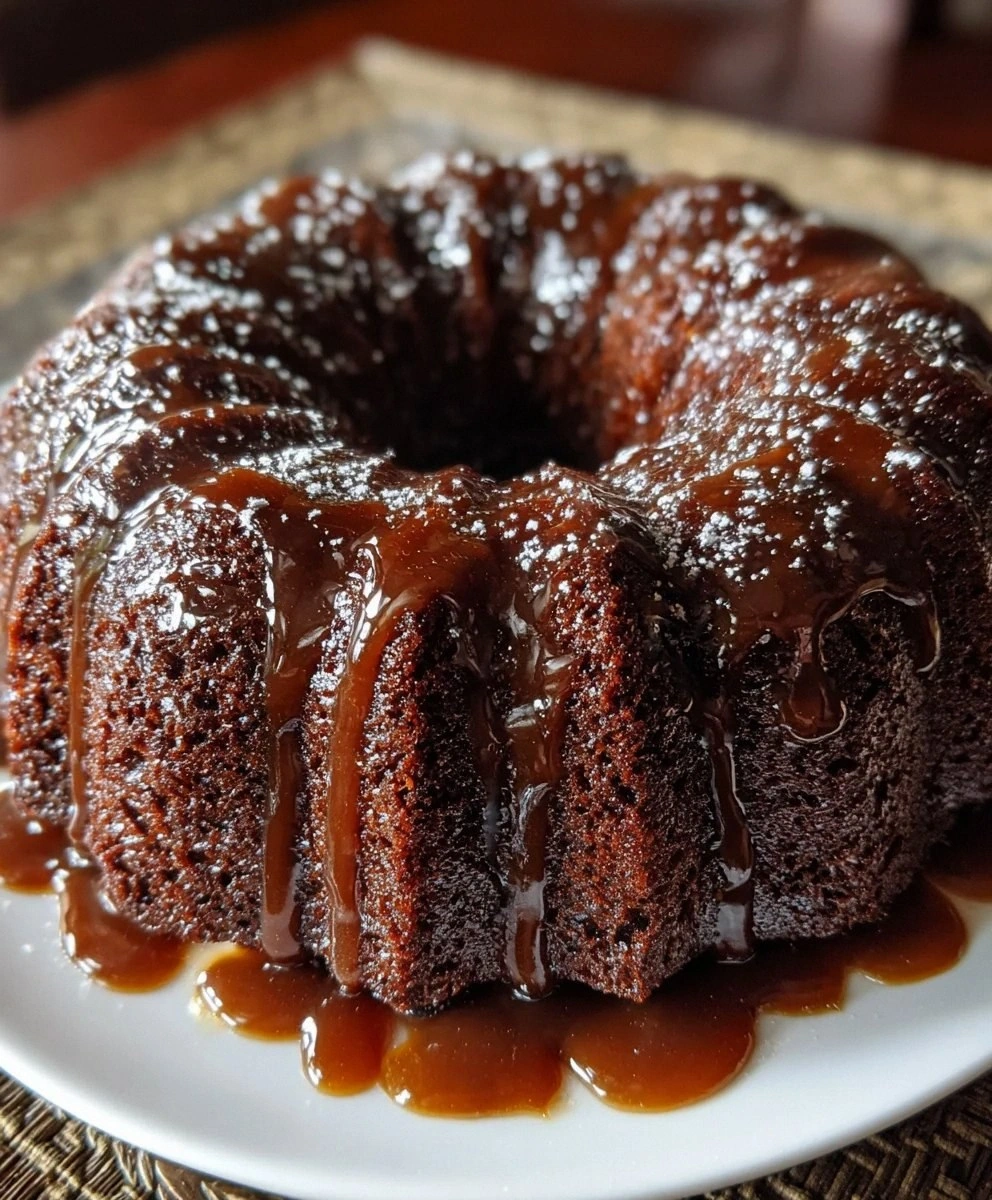
Picture this: It's a chilly Saturday evening, your kitchen windows are fogged with steam, and the most intoxicating aroma of deep chocolate, malt, and caramel is wafting through your home. You pull out a glossy, midnight-black bundt cake that releases from the pan like it was never even attached. The first slice reveals a crumb so moist it practically shimmers, with tiny pockets of air that tell you this cake is going to melt on your tongue like a chocolate truffle. Then comes that first bite — the way the stout enhances the chocolate's complexity, creating layers of flavor that dance between bitter cocoa, sweet malt, and that mysterious something that keeps everyone guessing what your secret ingredient might be.
This isn't just another chocolate cake recipe. This is the recipe that converted my stout-skeptic best friend into a believer, the one my neighbor requests for every birthday, the cake that disappeared in twenty minutes flat at last year's office potluck. I dare you to taste this and not go back for seconds. Actually, I double-dog dare you. Because once you understand how the Guinness works its magic — tenderizing the crumb, deepening the chocolate notes, and adding this incredible malty backbone — you'll never look at chocolate cake the same way again.
Let me walk you through every single step — by the end, you'll wonder how you ever made it any other way.
What Makes This Version Stand Out
Unbeatable Moisture: This cake stays impossibly moist for days thanks to the combination of sour cream, oil, and that magical Guinness. Most chocolate cakes dry out faster than autumn leaves, but this one stays luscious and tender even if you sneak pieces from the fridge for a week straight (not that I'd know from experience, of course). Depth of Flavor: The stout doesn't just add moisture — it creates this incredible complexity that makes people ask "What IS that amazing flavor?" It's like the difference between a flat soda and a perfectly carbonated one; the Guinness awakens the chocolate and makes it sing in three-part harmony. Foolproof Release: After that first bundt disaster, I became obsessed with perfecting the release. This recipe uses a specific combination of nonstick spray and a little-known dusting technique that guarantees your cake will slide out like it's on a waterslide at Six Flags. Irish Cream Buttercream: Forget basic chocolate frosting. We're making a silky Baileys buttercream that tastes like the liquid version of your favorite Irish pub. It's so good I've caught people eating it straight from the bowl with a spoon (again, no personal experience here... okay, maybe a little). Crowd-Pleasing Balance: Not too sweet, not too bitter — this cake hits that perfect middle ground that has both kids and grandparents coming back for more. The Guinness adds sophistication without making it taste like you're eating a pint of beer for dessert. Make-Ahead Magic: This cake actually improves overnight as the flavors meld and deepen. Make it Friday, serve it Saturday, and you'll swear it got better while it slept. Most cakes peak right out of the oven; this one plays the long game.Alright, let's break down exactly what goes into this masterpiece...
Inside the Ingredient List
The Flavor Base
Let's start with the star of our show: Guinness Extra Stout. Don't you dare reach for that light beer hiding in the back of your fridge — this cake needs the real deal. The roasted barley in Guinness creates these incredible mocha-caramel notes that cheap beer simply can't replicate. When the alcohol bakes off, it leaves behind this complex, malty essence that makes chocolate taste more like chocolate. If you skip the stout, you'll still have a decent cake, but you'll be missing that mysterious depth that makes people close their eyes when they take a bite.
Both granulated and brown sugar work together like a perfectly choreographed dance. The white sugar provides clean sweetness and helps create that gorgeous mahogany crust, while the brown sugar brings molasses notes that marry beautifully with the stout. I once tried making this with all white sugar when I ran out of brown, and the cake tasted flat — like listening to music with the bass turned all the way down.
The Texture Crew
Here's where most chocolate cakes go wrong: they rely solely on butter for fat, which creates a dense, heavy crumb. This recipe uses a combination of oil and butter — the oil keeps things incredibly moist (it stays liquid at room temperature), while the butter provides that irreplaceable flavor. Think of oil as the marathon runner (goes the distance) and butter as the sprinter (intense but short-lived). Together, they create a cake that's both rich and cloud-light.
Full-fat sour cream is non-negotiable. I've tried using Greek yogurt as a "healthy" substitute, and while the cake was edible, it lacked that luxurious mouthfeel. The sour cream's acidity also reacts with the baking soda, creating extra lift and tenderness. Plus, it adds this subtle tang that balances all that chocolate richness — like adding a squeeze of lemon to a rich stew.
The Unexpected Star
Espresso powder is my secret weapon in every chocolate dessert. It doesn't make things taste like coffee; instead, it amplifies the chocolate flavor the way salt amplifies sweetness. Just one teaspoon makes the difference between "this is good chocolate cake" and "holy cow, what IS this amazing thing?" I buy mine in bulk because I use it in everything from brownies to chocolate chip cookies.
The cocoa powder matters more than you'd think. Go for a high-quality Dutch-processed cocoa — it has a smoother, less acidic flavor than natural cocoa and creates that gorgeous dark color. Hershey's Special Dark works in a pinch, but if you can get your hands on Valrhona or Ghirardelli, this cake becomes transcendent.
The Final Flourish
For the Baileys buttercream, real Irish cream makes all the difference. Those cheap coffee creamers might seem like a bargain, but they taste artificial and cloying. Real Baileys has this perfect balance of cream, whiskey, and vanilla that creates frosting dreams are made of. I once brought cupcakes with real Baileys frosting to a party and ones with imitation to another — the real stuff disappeared in minutes while the fakes sat sadly ignored.
Everything's prepped? Good. Let's get into the real action...
The Method — Step by Step
- First things first — preheat your oven to 350°F and position the rack in the center. This isn't the time to get impatient and crank it higher; chocolate cake is finicky about temperature. While it's heating, grab your bundt pan and spray it thoroughly with nonstick baking spray, making sure to get into every single nook and cranny. Here's the trick most people miss: after spraying, dust the pan with cocoa powder, tapping out the excess. This creates a thin barrier that guarantees your cake will release like a dream and adds an extra whisper of chocolate to the exterior.
- In a medium bowl, whisk together your flour, cocoa powder, espresso powder, baking soda, baking powder, and salt. Don't just dump everything in — whisk it for a full 30 seconds. This distributes the leavening agents evenly, which means your cake will rise uniformly instead of doming in the middle. The cocoa should coat every bit of flour, turning it into a uniform chocolatey brown. Set this aside and resist the urge to taste it — raw cocoa powder is surprisingly bitter and will make you question everything we're doing here.
- In your stand mixer (or with a hand mixer if you're feeling ambitious), cream together the butter and both sugars on medium-high speed for a full three minutes. I know that seems excessive, but this is where we incorporate air into the batter. The mixture should become pale and fluffy, like chocolate mousse. When you stop the mixer and lift the paddle, it should leave soft peaks that slowly melt back into themselves. This step is crucial — skip it and your cake will be dense enough to use as a doorstop.
- Add the eggs one at a time, beating well after each addition. Crack them into a small bowl first (nobody wants eggshells in their cake), then drop them in. The batter might look slightly curdled after the eggs go in — don't panic! That's just the fat and liquid having a momentary disagreement. Keep beating and they'll come back together in a smooth, glossy emulsion that looks like the most luxurious chocolate pudding you've ever seen.
- Okay, ready for the game-changer? Reduce the mixer speed to low and pour in the Guinness. It will foam up dramatically — this is good! The carbonation helps lighten the batter. Once it's mostly incorporated, add the oil, sour cream, milk, and vanilla. The mixture will look like a chocolate milkshake at this point, and you'll be tempted to stick in a straw. Resist. (Okay, maybe taste a tiny spoonful. Quality control, right?)
- Here's where things get interesting. Add the dry ingredients in three additions, mixing just until combined after each. Overmixing develops gluten, which leads to a tough cake — we want tender, not chewy. Stop the mixer when you still see a few streaks of flour, then finish by hand with a spatula. The batter should be thick but pourable, like lava. If it's too thick, add a tablespoon of milk. Too thin? A tablespoon of flour. But trust the recipe — it's pretty forgiving.
- Pour the batter into your prepared pan and smooth the top with an offset spatula. Give the pan a few firm taps on the counter — this releases any air bubbles that could create tunnels in your finished cake. Slide it into the oven and set your timer for 45 minutes. Now, don't even think about opening that door for at least 40 minutes. The temperature drop from peeking can cause the center to sink faster than my hopes during that first bundt attempt.
- While the cake bakes, let's make the Baileys buttercream. Beat the butter until it's pale and fluffy, about 2 minutes. Add the confectioners' sugar gradually — unless you enjoy being coated in a fine layer of sugar dust. Once it's incorporated, add the Baileys one tablespoon at a time. The frosting will transform from thick and pasty to silky and spreadable. If it gets too thin, add more sugar; too thick, more Baileys. This is a very scientific process that may require multiple taste tests.
- When the timer goes off, check for doneness. The cake should have pulled away slightly from the sides, and a toothpick should come out with just a few moist crumbs. Let it cool in the pan for exactly 10 minutes — no more, no less. Too short and it will fall apart; too long and it will steam itself to the pan. Place a wire rack on top, invert in one confident motion, and lift the pan straight up. If you've done everything right (and you have), the cake will slide out like a figure skater hitting a perfect landing.
- Cool completely before frosting — I know, waiting is torture when your house smells like chocolate heaven. But warm cake will melt the buttercream into a puddle. Once cool, spoon the frosting into a piping bag fitted with a large star tip, or just spread it on with a spatula if you're feeling rustic. The traditional bundt presentation is a simple drizzle, but I like to pipe rosettes around the top and let them cascade down the ridges like chocolate waterfalls.
That's it — you did it. But hold on, I've got a few more tricks that'll take this to another level...
Insider Tricks for Flawless Results
The Temperature Rule Nobody Follows
Room temperature ingredients aren't just a suggestion — they're the difference between a lumpy, curdled mess and a smooth, glossy batter. Cold eggs hitting warm butter create little beads of solidified fat that never quite incorporate. Take everything out 30 minutes before you start, or speed things up by placing eggs in warm water for 10 minutes and microwaving the milk for 15 seconds. Your future self will thank you when you're not staring at a broken batter wondering where it all went wrong.
Why Your Nose Knows Best
Don't rely on the timer alone — your nose is your best kitchen tool. When this cake is perfectly baked, your house will smell like a chocolate factory had a baby with a coffee roastery. If you start smelling something sharp or burnt, you've gone too far. The aroma should be rich and inviting, not acrid. I once had a friend who set three timers and still overbaked because she didn't trust her senses. Trust the process — and your nose.
The 5-Minute Rest That Changes Everything
After you add the Guinness to the batter, let it rest for five minutes before continuing. This allows the carbonation to distribute evenly and the cocoa to bloom in the liquid, creating deeper flavor. It's like letting a fine wine breathe — a short rest dramatically improves the final result. Use this time to grease your pan or start the buttercream. Multitasking at its finest.
The Secret to Bakery-Quality Crust
That gorgeous, slightly crisp exterior comes from the sugar caramelizing on the pan's surface. To maximize this effect, make sure your oven is fully preheated and don't open the door during the first 30 minutes. The initial high heat sets the crust, which then protects the tender interior as it finishes baking. It's like creating a chocolate force field around your cake.
Storage That Actually Works
Most people wrap cakes in plastic wrap and wonder why they get soggy. The secret is to let the cake cool completely, then store it in a cake carrier or under a dome at room temperature. Plastic wrap traps moisture and ruins that beautiful crust. If you must refrigerate (because of the Baileys frosting), let it come to room temperature for 30 minutes before serving — cold chocolate cake tastes flat and dull.
Creative Twists and Variations
This recipe is a playground. Here are some of my favorite ways to switch things up:
Midnight Mint Chocolate
Add 1/2 teaspoon of peppermint extract to the batter and replace the Baileys in the frosting with crème de menthe. Top with chocolate shavings and crushed candy canes for a winter version that tastes like an after-dinner mint in cake form. My cousin requests this every December, claiming it tastes like Christmas morning in dessert form.
Salted Caramel Indulgence
Fold 1/2 cup of caramel bits into the batter and replace the Baileys buttercream with the included Irish whiskey caramel sauce. Drizzle extra caramel over the top and finish with flaky sea salt. The sweet-salty combination is addictive — I once watched my neighbor eat four slices in one sitting, claiming she couldn't stop herself.
Mocha Madness
Increase the espresso powder to 2 tablespoons and add 1/4 cup of instant coffee granules to the batter. Replace half the milk in the frosting with strong coffee for a mocha explosion that will keep you buzzing for hours. Perfect for brunch when you want dessert but also need caffeine. It's like coffee and cake had a beautiful baby.
Orange-Chocolate Sophistication
Add the zest of two oranges to the batter and replace the vanilla with orange extract. The citrus brightens the chocolate and creates a flavor profile reminiscent of those fancy chocolate oranges you get at Christmas. My mother-in-law (yes, the same one who witnessed my first bundt disaster) requests this version for every family gathering now.
Spiced Winter Warmer
Add 1 teaspoon each of cinnamon and cardamom, plus 1/2 teaspoon of nutmeg to the dry ingredients. The warm spices complement the stout beautifully, creating a cake that tastes like the best parts of winter baking. Serve it warm with a dollop of whipped cream for a dessert that feels like a cozy blanket on a cold night.
White Chocolate Raspberry
Replace the cocoa powder with an equal amount of flour and add 1/2 cup of melted white chocolate to the batter. Fold in fresh raspberries and top with the white chocolate variation of the buttercream. It's completely different from the original but equally addictive — like the original recipe's sophisticated cousin who studied abroad in Paris.
Storing and Bringing It Back to Life
Fridge Storage
Because of the Baileys frosting, this cake needs refrigeration after the first day. But here's the trick: store it in a cake carrier or under a cake dome, not wrapped in plastic. The plastic wrap will trap moisture and turn your beautiful crust soggy. If you don't have a cake carrier, place it in a large bowl inverted over a plate. It'll keep for up to 5 days in the fridge, though I've never seen it last that long. Let slices sit at room temperature for 15-20 minutes before serving — cold chocolate cake tastes flat and the texture becomes unpleasantly firm.
Freezer Friendly
This cake freezes beautifully, which is dangerous knowledge for midnight cravings. Wrap individual slices in wax paper, then aluminum foil, and store in a freezer bag for up to 3 months. Thaw overnight in the fridge or for 2 hours at room temperature. Pro tip: freeze slices before adding the frosting, then make fresh buttercream when you're ready to serve. The texture is better, and you get to lick the frosting bowl again. Win-win.
Best Reheating Method
If you must reheat (though it's best at room temperature), wrap a slice in damp paper towel and microwave for 10-15 seconds. The damp paper towel creates steam that refreshes the crumb without drying it out. For the full experience, warm it in a 300°F oven for 5 minutes — this restores that fresh-baked texture and aroma. Add a tiny splash of water before reheating — it steams back to perfection like it was just baked.