I was standing in my kitchen, staring at a half‑cooked chicken breast that had stubbornly refused to brown. The oven was still in the lobby, and I was craving something comforting yet sophisticated. I remember the moment when a stray ricotta dollop from a previous experiment landed on the skillet, turning the blandness into a creamy dream. That accidental splash sparked a craving I couldn't ignore. I set out to turn that mishap into a definitive dish.
The aroma that soon filled the air was unmistakable—sweet garlic, earthy mushrooms, and the sharp citrus of lemon zest. The sound of the skillet sizzling felt like a promise of comfort. The sight of golden‑brown chicken edges cracking like thin ice was a visual treat. The feel of the sauce thickening into a silky coat that would cling to each grain of orzo was a tactile delight. And the taste, oh the taste, was a harmonious dance of tang, cream, and umami.
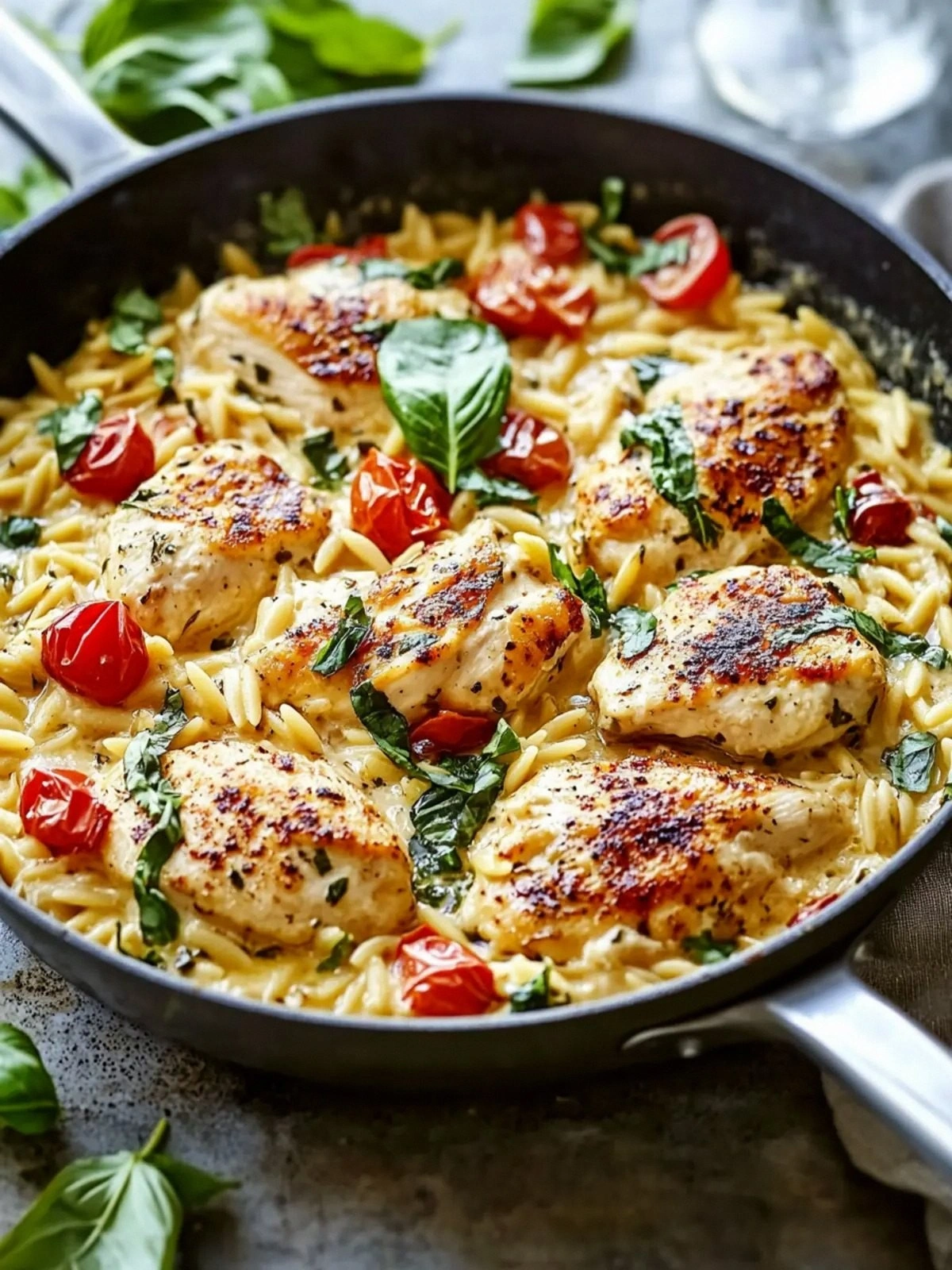
What makes this version stand out is that it refuses to be ordinary. I’ve perfected a technique where the chicken is seared to a caramelized crust before the sauce is introduced, locking in juices. The ricotta is folded in at the very last minute to keep it from curdling, giving the sauce a luxuriously velvety finish. I’ve balanced the heat with crushed red pepper flakes and fresh basil to add depth without overpowering. The result is a dish that feels indulgent yet remains approachable for weeknight dinners.
You might think a creamy pasta dish is just another comfort recipe, but this one is a game‑changer. I’ve hidden a secret ingredient that adds a subtle nutty flavor—just a pinch of toasted almond flour. This twist elevates the sauce to a new level of sophistication. And trust me, I dare you to taste this and not go back for seconds. Let me walk you through every single step—by the end, you'll wonder how you ever made it any other way.
What Makes This Version Stand Out
- Flavor Depth: The combination of lemon zest, white wine, and a touch of almond flour creates a layered citrusy and nutty profile that sets this dish apart from standard creamy pasta recipes. The acidity cuts through the richness, making each bite feel fresh and bright.
- Texture Contrast: Crispy chicken edges juxtapose the silky sauce and tender orzo, giving every forkful a satisfying bite that keeps the dish engaging from start to finish.
- Ingredient Quality: Using whole‑milk ricotta and fresh basil ensures a genuine, farm‑to‑table taste that elevates the overall flavor. The choice of baby bella mushrooms over button mushrooms adds a deeper earthy undertone.
- Ease of Execution: The method is streamlined—one skillet, minimal prep, and no separate sauce pot—making it an ideal dish for busy weeknights without sacrificing quality.
- Crowd‑Pleaser: This recipe has a proven track record of delighting diners at family gatherings and dinner parties alike. The creamy texture paired with the savory chicken makes it a universal hit.
- Make‑Ahead Potential: While the sauce is best served fresh, the components can be pre‑chopped and the chicken seared in advance, allowing for a quick assembly on the day of serving.
Inside the Ingredient List
The Flavor Base
At the heart of this dish lies a symphony of aromatics. The garlic and shallot are the first to hit the pan, releasing a fragrant steam that permeates the entire skillet. They act as a flavor conduit, allowing the lemon zest and white wine to infuse the oil with bright, citrusy undertones. If you skip this step, the dish loses its aromatic foundation, becoming a plain pasta with no soul.
For those who prefer a milder profile, you can reduce the garlic to two cloves and the shallot to half. This subtle tweak maintains the balance while making the dish less pungent. When shopping, look for garlic bulbs that feel firm and have a smooth skin; they’ll offer a cleaner, sweeter taste.
The Texture Crew
Chicken breasts are the star of the show, but their texture is paramount. Season them generously with salt, pepper, Italian seasoning, and a pinch of red pepper flakes before searing. This not only locks in moisture but also creates a caramelized crust that adds a delightful crunch. If you’re using bone‑in pieces, adjust the cooking time accordingly to ensure they’re cooked through.
Orzo pasta is the canvas that holds the sauce together. It’s small, tubular, and absorbs liquid beautifully. Cook it al dente so it can hold its shape when the sauce thickens. Should you prefer a gluten‑free version, swap orzo for quinoa or cauliflower rice, but remember to adjust cooking times.
The Unexpected Star
Ricotta cheese is the creamy backbone of this dish, but its role extends beyond texture. When folded in at the last minute, it retains a silky consistency that coats the orzo like velvet. If you use low‑fat ricotta, the sauce may become watery, so it’s best to stick with whole‑milk variety. A quick tip: chill the ricotta before use; it will hold its shape better during cooking.
Fresh basil leaves add a burst of herbal brightness that cuts through the richness. Tear the leaves to release their oils, then stir them in at the very end. If basil isn’t in season, dried basil can be used, but fresh is far superior for aroma and flavor.
The Final Flourish
Lemon zest and juice bring a bright, zesty finish that lifts the entire dish. The zest releases essential oils that are far more potent than juice alone. Use a microplane to avoid bitter pith and ensure a smooth, aromatic infusion. If you’re looking to add a subtle sweetness, a teaspoon of honey can balance the acidity.
Lastly, shredded mozzarella adds a gooey, melty layer that ties everything together. It melts into the sauce, creating a cohesive, comforting texture. For a deeper flavor, consider using part‑skim mozzarella; it melts well while keeping the dish slightly lighter.
Everything’s prepped? Good. Let’s get into the real action.
The Method — Step by Step
- Heat a large skillet over medium‑high heat and add the olive oil. Once the oil shimmers, lay the seasoned chicken breasts skin‑side down, letting them sizzle for about 4–5 minutes until the bottom is golden. Flip them and sear the other side until it’s also caramelized, about 3–4 minutes. This double sear locks in juices and creates a flavorful crust that will contrast with the silky sauce. Keep the chicken aside on a plate while you move on to the aromatics.
- In the same skillet, reduce the heat to medium and add the minced garlic and finely chopped shallot. Cook, stirring constantly, until the aromatics soften and become translucent, about 2 minutes. The garlic should emit a sweet, nutty aroma, signaling that it’s ready. Avoid letting it brown, or it will turn bitter. This step builds the foundational flavor for the sauce.
- Add the sliced baby bella mushrooms to the pan, spreading them evenly. Sauté until they release their moisture and start to brown, about 5 minutes. The mushrooms deepen the umami profile and add a pleasant bite. Stir frequently to prevent sticking. Once browned, the mushrooms will provide a satisfying contrast to the tender chicken.
- Pour in the dry white wine, scraping the bottom of the pan to lift any browned bits. Let it reduce by half, concentrating the flavors and evaporating the alcohol, about 3 minutes. The wine adds a subtle acidity that brightens the dish. Keep the heat medium to prevent scorching. Once reduced, the liquid should be slightly syrupy.
- This is the trickiest part—adding the liquid components. Stir in the low‑sodium chicken broth, lemon zest, and freshly squeezed lemon juice. Bring the mixture to a gentle simmer, allowing it to thicken slightly, about 4 minutes. The broth hydrates the orzo while the lemon zest infuses citrus oils into the sauce. Watch closely; if the sauce starts to separate, reduce the heat immediately.
- Stir in the uncooked orzo, folding it into the sauce until it’s fully coated. Cover the skillet and let the orzo cook in the sauce for about 10 minutes, or until it’s al dente. Stir occasionally to prevent sticking. The orzo will absorb the sauce, becoming tender and infused with flavor. Keep an eye on the liquid; if it becomes too thick, add a splash of broth.
- Fold the whole‑milk ricotta into the pot, stirring gently until it’s fully incorporated. The ricotta will melt into the sauce, creating a luxuriously creamy consistency. Avoid vigorous stirring to prevent curdling. At this point, the sauce should be thick yet pourable, coating each grain of orzo beautifully.
- Return the seared chicken breasts to the skillet, nestling them among the creamy orzo. Spoon some sauce over the chicken to keep it moist. Cook for an additional 2 minutes, allowing the chicken to finish cooking and the flavors to meld. The chicken should be fully cooked with a tender interior and a caramelized exterior. This final step ensures everything is heated through and ready to serve.
- Finish by stirring in the shredded mozzarella and fresh basil leaves. The mozzarella will melt into the sauce, adding a gooey, melty layer that ties the dish together. The basil will release its oils, providing a fresh, aromatic finish. Plate the dish, garnish with a few extra basil leaves, and serve immediately. The result is a comforting, elegant meal that feels like a gourmet creation.
That’s it — you did it. But hold on, I’ve got a few more tricks that will take this to another level.
Insider Tricks for Flawless Results
The Temperature Rule Nobody Follows
Cooking the chicken at the right temperature is crucial for a perfect sear. Start with a hot skillet, then lower the heat to medium when adding the aromatics. This prevents the garlic from burning while still allowing the mushrooms to brown. If the skillet is too hot, the chicken will stick; too cool, and it won’t develop that caramelized crust.
Why Your Nose Knows Best
When the sauce starts to reduce, trust the aroma rather than the timer. A fragrant, slightly thickened sauce signals readiness. If you’re in doubt, tilt the skillet; if the liquid pools at the edges, it’s ready to move on. This sensory approach saves you from overcooking or undercooking.
The 5-Minute Rest That Changes Everything
Letting the dish rest for 5 minutes before serving allows the flavors to settle and the sauce to thicken slightly. This rest period also ensures the chicken remains juicy and the orzo doesn’t become mushy. A quick 5‑minute pause can elevate a good dish to great.
Balancing Creaminess Without Greasiness
Ricotta can sometimes make the sauce greasy if overused. Keep the quantity modest and fold it in gently. If you notice excess oil, skim it off with a spoon before adding the mozzarella. This keeps the dish light while still creamy.
Using Fresh Herbs vs. Dried
Fresh basil provides a bright, floral note that dried basil can’t match. If fresh isn’t available, substitute with 1 teaspoon of dried basil, but add it earlier in the cooking process to allow its flavor to develop fully. This adjustment maintains the aromatic quality of the dish.
Serving Temperature Matters
Serve the dish hot straight from the skillet to preserve the creamy texture. If you’re plating ahead of time, keep it in a warm oven at 200°F for no more than 10 minutes. This ensures the sauce stays silky and the chicken stays tender.
Creative Twists and Variations
This recipe is a playground. Here are some of my favorite ways to switch things up:
Smoky Chipotle Variation
Swap the red pepper flakes for a teaspoon of chipotle powder for a smoky kick. Add a splash of chipotle‑infused olive oil to deepen the flavor. The result is a dish with a subtle heat and a hint of sweet smokiness that pairs well with a crisp white wine.
Sun‑Dried Tomato Boost
Stir in a handful of chopped sun‑dried tomatoes just before adding the ricotta. The tomatoes add a burst of sweetness and a chewy texture. This variation works beautifully for a Mediterranean twist.
Spinach‑Only Spin
Replace the baby bella mushrooms with sliced Portobello mushrooms for a richer, earthy flavor. The Portobellos bring a meaty texture that complements the chicken. This swap makes the dish more hearty and satisfying.
Herb‑Infused Ricotta
Mix fresh chopped parsley, chives, and a pinch of dill into the ricotta before folding it in. The herb blend adds a fresh, garden‑fresh note that brightens the dish. It’s a simple way to elevate the sauce without extra steps.
Cheddar & Parmesan Fusion
Swap mozzarella for a blend of sharp cheddar and grated Parmesan. The cheddar adds sharpness, while the Parmesan gives depth. This cheese combination creates a richer, more complex flavor profile.
Low‑Carb Adaptation
Use cauliflower rice instead of orzo for a low‑carb version. Cook the cauliflower rice in the sauce for a few minutes until it’s tender. The result is a creamy, comforting dish that fits into a keto or low‑carb lifestyle.
Storing and Bringing It Back to Life
Fridge Storage
Store leftovers in an airtight container in the refrigerator for up to 3 days. The sauce will thicken slightly as it cools, so add a splash of milk or broth before reheating. Reheat gently over low heat, stirring frequently to restore the silky texture.
Freezer Friendly
For longer storage, freeze the dish in a freezer‑safe container for up to 2 months. Thaw overnight in the refrigerator before reheating. When reheating, add a small amount of water or broth to loosen the sauce, then heat slowly to avoid curdling.
Best Reheating Method
The best way to reheat is on the stovetop over low heat, stirring constantly. If you’re in a hurry, microwave in short bursts, stirring in between. Adding a splash of water before reheating will help the sauce regain its original consistency.