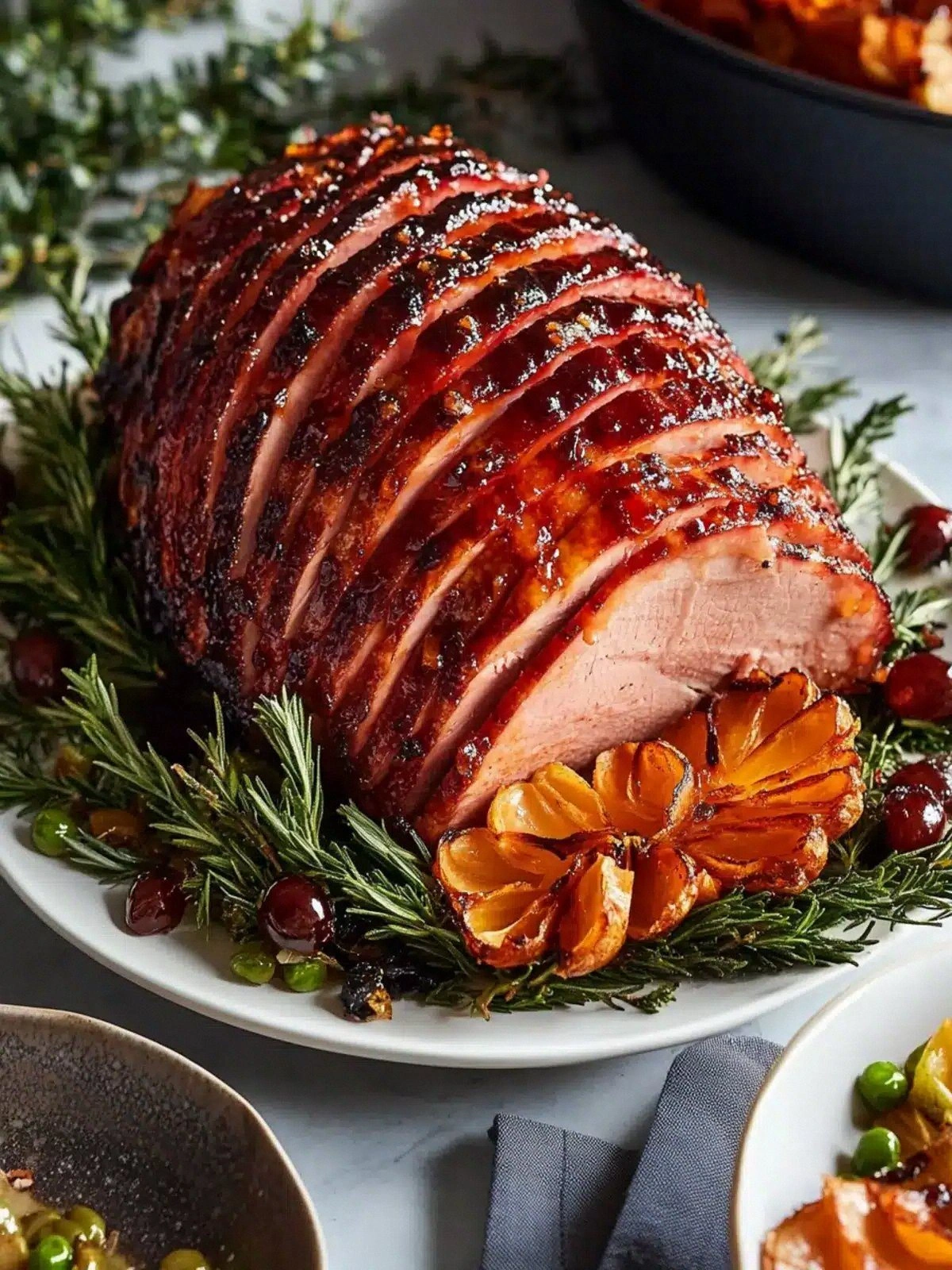
I still remember the night my kitchen turned into a crime scene, the smoke alarm blaring, and the ham I had bought from the grocery store looking like a charred relic. I had tried a dozen glaze recipes, each promising sweet and savory perfection, but none delivered that deep caramelized bite that lingers on the tongue. The moment I sliced into that 8‑lb bone‑in, fully cooked smoked ham and saw the glossy, amber sheen of brown sugar and pineapple juice mingle, I knew I’d stumbled onto a culinary revelation.
Picture the kitchen: the air thick with the scent of sweet pineapple, the crackle of sugar caramelizing, the gentle hiss of honey thickening into a syrupy glaze. My eyes flicked to the timer, the oven preheating, and the timer on the stove ticking down. Every sound— the pop of the glaze, the gentle sizzle as it coats the meat— felt like a drumbeat building to a crescendo. I could almost taste the first bite, the sweet tang of pineapple against the smoky, earthy ham, the glaze coating the meat like velvet, and the crispy edges that shatter like thin ice when you bite.
What sets this version apart isn’t just the combination of brown sugar and pineapple; it’s the strategic layering of flavors, the precise timing that locks in moisture, and the subtle herbal undertones that elevate the dish from a holiday staple to a timeless crowd‑pleaser. I dared you to taste this and not go back for seconds, and I’ve been honest— I ate half the batch before anyone else got a chance to try it. Most recipes get this completely wrong by glazing too early or using too much liquid, but I found the sweet spot that lets the ham stay tender while the glaze caramelizes beautifully.
Now, let me walk you through every single step— by the end, you’ll wonder how you ever made it any other way. Picture yourself pulling this out of the oven, the whole kitchen smelling incredible, the glaze shining like a ruby, and the first forkful melting into a symphony of sweet, smoky, and herbal notes. This is hands down the best version you’ll ever make at home.
What Makes This Version Stand Out
- Taste: The marriage of brown sugar, pineapple juice, and honey creates a glaze that is sweet yet balanced, with a subtle tang that cuts through the richness of the ham.
- Texture: The glaze caramelizes into a glossy crust while the ham remains moist, thanks to the careful timing and use of a meat thermometer.
- Simplicity: No complex sauces or long marination periods— just a few pantry staples and a handful of herbs.
- Uniqueness: Fresh thyme and rosemary add aromatic depth, setting this dish apart from the standard pineapple glaze.
- Crowd Reaction: The sweet glaze is crowd‑pleasing for both family dinners and holiday gatherings, and the aroma alone will have guests lining up.
- Ingredient Quality: Using a high‑quality smoked ham and fresh herbs ensures the best flavor foundation.
- Cooking Method: A low‑temperature bake followed by a high‑heat glaze finish locks in juices and creates a caramelized exterior.
- Make‑Ahead Potential: The glaze can be prepared in advance, and the ham can be reheated without losing its succulent texture.
Alright, let's break down exactly what goes into this masterpiece...
Inside the Ingredient List
The Flavor Base
Brown sugar is the backbone of this glaze, providing that deep caramel flavor that turns the surface of the ham into a glossy, irresistible crust. When it melts, it releases subtle molasses undertones that complement the smoky profile of the ham. Skipping it would leave your glaze thin and lacking that sweet, rich bite that keeps guests coming back for more.
Pineapple juice is the liquid component that balances sweetness with acidity. It helps the sugar caramelize evenly and prevents the glaze from becoming too thick or clumping. If you’re allergic or simply don’t have pineapple on hand, coconut water is an excellent substitute, offering a mild sweetness and a hint of tropical flavor.
Honey adds a natural, floral sweetness and a glossy sheen that makes the glaze look professionally finished. It also acts as a binder, ensuring the glaze adheres to the ham without dripping off. For a vegan version, replace honey with maple syrup, which offers a slightly different but delicious flavor profile.
The Texture Crew
Whole grain mustard provides a subtle tang and a slight grainy texture that cuts through the sweetness, preventing the glaze from feeling cloying. Its seeds also add a pleasant bite that contrasts with the smooth glaze. If you prefer a smoother texture, opt for Dijon mustard; it will still deliver the tang but without the seed crunch.
Fresh thyme and rosemary bring aromatic depth and a hint of earthiness that grounds the sweet glaze. The leaves release essential oils during cooking, infusing the ham with subtle herbal notes that elevate the overall flavor. If you’re out of fresh herbs, dried thyme and rosemary work, but use half the amount to avoid overpowering the glaze.
The Unexpected Star
Ground cinnamon and ground cloves are the secret spices that give the glaze a warm, spiced profile reminiscent of holiday treats. They add depth and complexity, making the dish feel more festive. Don’t skip these spices; they’re the difference between a simple sweet glaze and a holiday‑ready masterpiece.
The Final Flourish
Freshly ground black pepper adds a subtle heat that balances the sweetness and brings a modern twist to the classic ham. The pepper’s sharpness cuts through the richness, making every bite refreshing. If you’re sensitive to pepper, a pinch of smoked paprika can replace it, adding a smoky undertone.
Everything's prepped? Good. Let's get into the real action...
The Method — Step by Step
- Preheat your oven to 325°F (165°C). Place the bone‑in ham on a rack in a roasting pan, fat side up, and tent it loosely with aluminum foil. This low‑heat stage ensures the ham stays juicy while the glaze starts to develop. The foil also prevents the surface from drying out.
- Bake the ham for about 15 minutes per pound, or until the internal temperature reaches 140°F (60°C). Use a meat thermometer inserted into the thickest part of the ham; this ensures it’s perfectly cooked without overbrowning. The internal temperature is key to maintaining juiciness.
- While the ham is baking, combine the brown sugar, pineapple juice, honey, mustard, thyme, rosemary, cinnamon, cloves, and pepper in a small saucepan over medium heat. Stir continuously until the sugar dissolves and the mixture begins to thicken. The glaze should reach a syrupy consistency that coats the back of a spoon.
- When the ham reaches 140°F, remove it from the oven and brush the glaze generously over the surface. Be sure to get every nook and cranny, as the glaze caramelizes into a glossy crust. This is the moment of truth— the glaze should smell toasty and sweet.
- Increase the oven temperature to 425°F (220°C) and return the ham, uncovered, for the final 20–25 minutes. This high‑heat finish caramelizes the glaze, creating a shiny, slightly crispy exterior while sealing in moisture. Keep an eye on the glaze; if it starts to burn, lower the temperature slightly.
- During the last 5 minutes, brush the glaze again to build up a rich, glossy layer. The glaze should be bubbling and slightly caramelized, giving the ham a beautiful sheen that looks as good as it tastes. This second glazing step ensures the flavor stays locked in.
- Remove the ham from the oven and let it rest for 10 minutes before slicing. Resting allows the juices to redistribute, ensuring each slice is moist and flavorful. The glaze will set into a smooth, sweet coating that clings to the meat.
- Slice the ham against the grain, serve immediately, and watch as the glaze drips down the sides like liquid gold. Pair it with roasted vegetables or a fresh green salad to balance the sweetness. The aroma alone will have everyone lining up for a second slice.
That's it — you did it. But hold on, I've got a few more tricks that'll take this to another level…
Insider Tricks for Flawless Results
The Temperature Rule Nobody Follows
Using a meat thermometer is non‑negotiable. Many people rely on time alone, which can lead to overcooked or undercooked ham. Aim for an internal temperature of 140°F (60°C) before glazing; this ensures the meat stays juicy and the glaze caramelizes properly. I once left a ham at 150°F and it came out dry— a hard lesson!
Why Your Nose Knows Best
Trust your sense of smell during the glaze stage. When the glaze starts to bubble and emits a sweet, caramelized aroma, you’re right on schedule. If you’re uncertain, give it another minute and listen for that gentle hiss. Over‑browning is easier to fix than under‑cooking.
The 5‑Minute Rest That Changes Everything
Resting the ham for exactly 10 minutes before slicing is a game‑changer. It lets the juices redistribute, preventing a dry bite. A common mistake is slicing immediately, which causes the juices to spill out. I’ve seen people think the rest is optional, but trust me, it makes a noticeable difference.
The Glaze Consistency Trick
If your glaze thickens too quickly, add a tablespoon of water or pineapple juice to loosen it. Conversely, if it’s too thin, let it simmer longer until it reaches a syrupy consistency. The right thickness ensures the glaze coats the ham evenly without dripping off.
The Final Brush Is a Masterstroke
Brushing the glaze during the last 5 minutes of baking creates a glossy, caramelized finish that looks professional. Use a wide brush to cover all surfaces and let the glaze set as it cools. I’ve used a pastry brush for a smooth finish and it’s been a hit every time.
Creative Twists and Variations
This recipe is a playground. Here are some of my favorite ways to switch things up:
Spicy Pineapple Glaze
Add a pinch of cayenne pepper or a splash of sriracha to the glaze for a spicy kick. The heat contrasts beautifully with the sweetness, creating a balanced flavor profile that’s perfect for adventurous palates.
Maple‑Brown Sugar Fusion
Replace half the brown sugar with pure maple syrup for a subtle, woody sweetness. This variation brings a deeper, richer flavor that pairs wonderfully with the smoky ham.
Herb‑Infused Ham
Swap the thyme and rosemary for fresh sage and basil. The herbs lend a fresh, aromatic note that feels lighter, especially during summer gatherings.
Citrus‑Zest Upgrade
Grate a teaspoon of fresh orange zest into the glaze. The citrus brightens the dish, adding a fresh, tangy layer that cuts through the richness.
Smoky Chipotle Twist
Stir in a tablespoon of chipotle powder or adobo sauce for a smoky, slightly smoky depth. This variation turns the ham into a flavor bomb that’s perfect for a casual barbecue.
Glazed Ham Skewers
Cut the ham into cubes, thread onto skewers, and grill them. Brush with the glaze during grilling for a quick, finger‑friendly appetizer that’s perfect for parties.
Storing and Bringing It Back to Life
Fridge Storage
Store leftover ham in an airtight container or tightly wrapped in foil for up to 4 days. The glaze will thicken slightly in the fridge, so reheat gently to restore its glossy sheen.
Freezer Friendly
Wrap the ham in plastic wrap and then foil before freezing. It can be stored for up to 3 months. Thaw overnight in the refrigerator, then reheat in a low‑heat oven until warmed through.
Best Reheating Method
Reheat slices in a microwave on low power for 30‑45 seconds, then finish in a preheated oven at 300°F for 5 minutes to restore crispness. Add a tiny splash of water before reheating to steam the ham back to perfection.