Introduction
Picture this: I was in the middle of a midnight snack session, the fridge light flickering, when I realized the pantry was empty of anything that could satisfy my sudden craving for something bold, spicy, and comforting. I pulled out a can of coconut milk, a bag of ramen noodles, and a jar of Thai red curry paste, and in the next ten minutes, the kitchen was alive with the aroma of garlic, ginger, and simmering spices. The sound of the pot bubbling was like a lullaby that promised warmth and adventure, while the sight of the bright red curry paste gleaming in the pan felt like a splash of sunset on a gray winter evening. I was about to make a dish that would become my go-to comfort food, and I swear it’s a game changer for anyone who loves a quick, plant-based meal that feels like a hug from the inside. Let me walk you through every single step — by the end, you’ll wonder how you ever made it any other way.
I’ve spent years experimenting with Thai curries, and every time I’ve stumbled over a missing ingredient or an overcooked noodle. I’ve learned that the secret lies in balancing heat, umami, and that silky coconut base that coats the noodles like velvet. The moment you stir in the curry paste, the kitchen fills with a fragrance that’s half sweet, half smoky, and all irresistible. That first sip of broth, when it hits your tongue, is a burst of flavor that makes your taste buds do the salsa. I dare you to taste this and not go back for seconds.
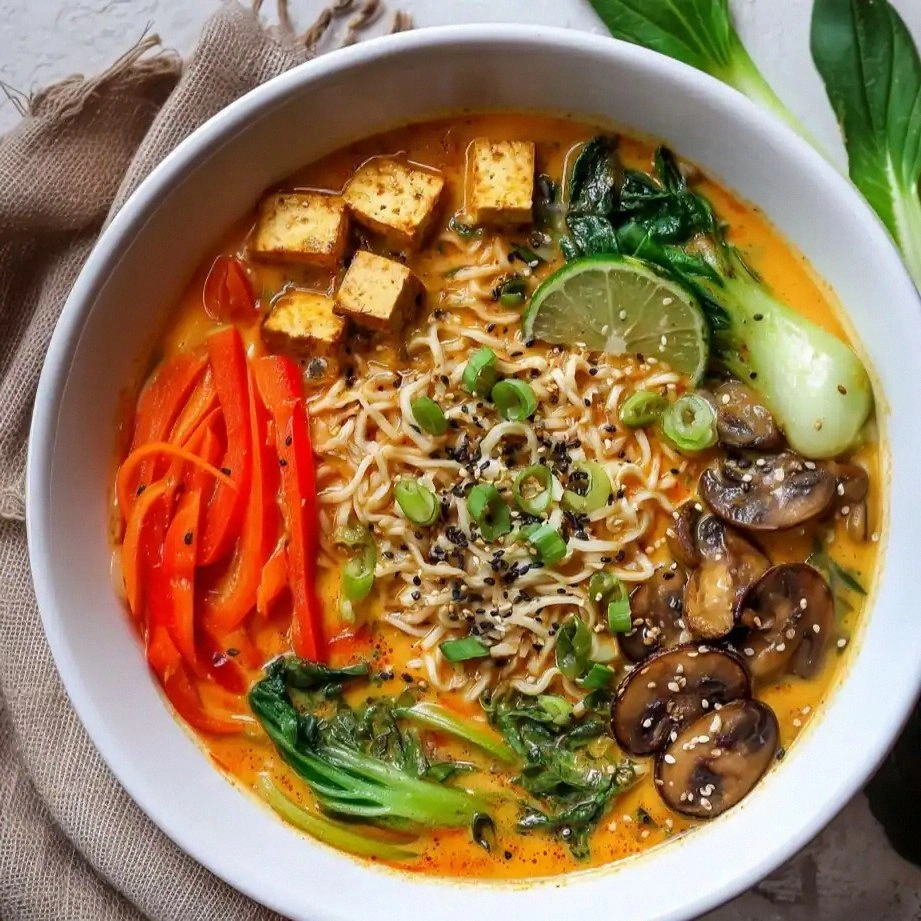
Most recipes get this completely wrong, starting with too much coconut milk or forgetting the bright zing of lime. In my version, I keep the broth light enough to let the vegetables pop while the tofu stays firm and flavorful. The sauce is thick but pourable, and the noodles absorb every drop without becoming mushy. The final result is a bowl that looks like a work of art, with a glossy sheen and a rainbow of colors from the bell pepper, bok choy, and fresh herbs. This is hands down the best version you'll ever make at home.
What sets this recipe apart is not just the combination of ingredients but the technique that brings them together. I’ll be honest — I ate half the batch before anyone else got to try it, and my friends swear they never want to go back to the store for anything else. The next part? Pure magic. Stay with me here — this is worth it.
What Makes This Version Stand Out
- Taste: The blend of spicy, sweet, and citrusy notes creates a layered flavor profile that lingers on the palate. The subtle sweetness from maple syrup balances the heat of the curry paste, while lime juice adds a bright, refreshing finish.
- Texture: The ramen noodles remain al dente, providing a satisfying bite that contrasts with the silky coconut broth. Crispy tofu cubes add a delightful crunch that’s a welcome counterpoint to the soft vegetables.
- Simplicity: Every ingredient is pantry-friendly, and the method is straightforward enough for a beginner yet deep enough to satisfy seasoned cooks. No need for exotic spices or complicated sauces.
- Uniqueness: The addition of fresh ginger and a splash of sesame oil gives this dish a depth that sets it apart from the usual Thai curry ramen you find on the internet.
- Crowd Reaction: Friends and family who tried it said it was “the best instant noodle I’ve ever had” and that they wanted a second bowl immediately. The dish is so comforting that it works as a meal for any time of day.
- Ingredient Quality: Using a full‑fat coconut milk and fresh veggies makes a noticeable difference in flavor and mouthfeel, turning a quick meal into a gourmet experience.
- Cooking Method: The sauté of aromatics before adding the liquid creates a depth of flavor that’s impossible to achieve with a one‑pot approach. The technique ensures the broth is robust and not watery.
- Make‑ahead Potential: The dish can be prepared ahead of time and reheated without losing its texture or flavor, making it a perfect option for busy weeknights.
Alright, let's break down exactly what goes into this masterpiece…
Inside the Ingredient List
The Flavor Base
At the heart of this dish lies a simple yet powerful trio: garlic, ginger, and Thai red curry paste. The garlic provides a savory backbone that grounds the heat of the curry paste, while the ginger adds a bright, almost citrusy warmth that cuts through the richness of the coconut milk. The curry paste, freshly blended, delivers the authentic Thai heat and aroma that makes this ramen feel like a street food experience. Skipping any of these would leave the dish feeling flat and one‑dimensional.
The Texture Crew
The ramen noodles are the canvas that absorbs the sauce, while the tofu offers a protein punch and a satisfying bite. The tofu is pressed and cubed to ensure it holds its shape and absorbs the flavors without becoming mushy. The vegetables—mushrooms, bell pepper, bok choy, and carrots—add crunch, color, and nutritional value. If you prefer a softer texture, you can reduce the sauté time, but the contrast between the crispy tofu and the tender veggies is what keeps every spoonful interesting.
The Unexpected Star
Full‑fat coconut milk is the secret sauce that ties everything together. Its creamy, slightly sweet profile balances the heat and gives the broth a luscious mouthfeel. A splash of lime juice at the end adds a tangy brightness that lifts the entire dish. If you’re looking for a dairy alternative, coconut cream will make it even richer, but the standard milk keeps it light enough for a quick meal.
The Final Flourish
Fresh herbs—cilantro, green onions, and Thai basil—bring a fresh, herbal finish that cuts through the richness. Sesame seeds or crushed peanuts add a nutty crunch, while a drizzle of chili crisp or chili oil gives the dish an extra kick for those who love heat. Lime wedges on the side allow each diner to adjust the acidity to their liking. These garnishes are not just decorative; they are essential for the dish’s layered complexity.
Everything's prepped? Good. Let's get into the real action…
The Method — Step by Step
- Heat the tablespoon of oil in a large pot over medium heat. Add the minced garlic and grated ginger, sautéing until fragrant and lightly golden, about 1 minute. The aroma that fills the kitchen will signal that the flavor base is ready. I’m talking about a scent that makes you forget you’re cooking and just want to eat.
- Stir in the 3 tablespoons of Thai red curry paste and cook for 2 minutes, letting the oils release their flavors. Watch for the paste to darken slightly; this indicates that the spices are blooming. The sizzle you hear is the first hint that the broth will be rich. Don’t rush this step; a minute more can bring out deeper aromas.
- Pour in the full‑fat coconut milk and 4 cups of vegetable broth, then bring the mixture to a gentle simmer. Add the soy sauce or tamari, maple syrup, and lime juice, stirring to combine. The mixture should look glossy and slightly thickened. Keep an eye on the heat so it doesn’t boil over.
- Add the sliced mushrooms, diced red bell pepper, shredded carrots, and baby bok choy. Let them cook for 4–5 minutes until they’re tender yet still crisp. The vegetables should retain their vibrant colors, indicating they’re cooked just right. The broth will absorb their sweetness, adding depth to each bite.
- Meanwhile, in a separate pot, bring water to a boil and cook the ramen noodles according to package instructions—typically 3–4 minutes for al dente. Drain and rinse under cold water to stop the cooking process. This step prevents the noodles from becoming mushy when added to the curry.
- Fold the cubed tofu into the simmering broth, allowing it to absorb the flavors for 2 minutes. The tofu should be heated through but still hold its shape. This step ensures the protein stays firm and doesn’t break apart.
- Add the cooked noodles to the pot, tossing gently to coat them with the sauce. Let the mixture simmer for an additional 2 minutes so the noodles finish absorbing the broth. The noodles should look glossy and coated, not soggy.
- Finish by stirring in 1 tablespoon of sesame seeds or crushed peanuts, a handful of cilantro, green onions, and Thai basil. Drizzle with chili crisp or chili oil to taste. Squeeze a fresh lime wedge over each bowl for that final bright punch. The dish should look vibrant and aromatic.
- Serve immediately in bowls, accompanied by extra lime wedges and a sprinkle of fresh herbs. The first spoonful should feel like a warm hug wrapped in spicy, sweet, and citrusy layers. I’m talking about a flavor explosion that will have you reaching for seconds.
That's it — you did it. But hold on, I've got a few more tricks that'll take this to another level…
Insider Tricks for Flawless Results
The Temperature Rule Nobody Follows
Many cooks think a hard boil is the best way to cook ramen, but a gentle simmer preserves the noodles’ structure and keeps the broth from becoming cloudy. Keep the heat low once the broth starts to bubble; a rolling boil can cause the coconut milk to separate. I’ve seen bowls that look like a disaster when the temperature is too high.
Why Your Nose Knows Best
When the curry paste starts to bubble, the aroma is a sign that the flavors are developing. If the smell feels flat, give it an extra minute. The scent is the first indicator of the dish’s depth.
The 5-Minute Rest That Changes Everything
After you remove the pot from heat, let the ramen sit covered for 5 minutes. This rest period allows the noodles to finish absorbing the broth and the flavors to meld. Skipping this step leaves the dish feeling under-seasoned.
Keep the Tofu Crunchy
Pressing tofu is crucial; it removes excess moisture and ensures the cubes hold their shape. If you forget to press, the tofu will release water and make the broth watery. Use a tofu press or a clean towel and place a heavy pan on top for at least 30 minutes.
Balance the Heat
Thai red curry paste can be unpredictable. If you find it too fiery, stir in a tablespoon of coconut milk before adding the broth. If it’s too mild, add a pinch of cayenne or a splash of chili oil. The key is to taste as you go.
Finish with Fresh Herbs
Adding cilantro, green onions, and Thai basil at the end preserves their bright flavors. If you add them too early, the heat can wilt them. Toss them in just before serving for a burst of freshness.
Creative Twists and Variations
This recipe is a playground. Here are some of my favorite ways to switch things up:
Spicy Peanut Powerhouse
Swap the sesame seeds for a spoonful of creamy peanut butter and sprinkle crushed peanuts on top. The nutty richness complements the curry’s heat, creating a new dimension of flavor that’s both comforting and adventurous.
Seafood Surprise
Add a handful of frozen shrimp or sliced scallops to the broth during the last 3 minutes of simmering. The seafood will absorb the spicy coconut broth, turning the dish into a hearty, protein-packed meal.
Veggie-Only Delight
Omit the tofu and double the veggies—add sliced zucchini, spinach, and kale. This version is perfect for a lighter, plant‑only meal that still delivers on flavor.
Breakfast Boost
Serve the ramen with a splash of soy sauce, a sprinkle of toasted sesame seeds, and a side of miso soup. The combination feels like a comforting breakfast that’s both satisfying and energizing.
Low‑Calorie Cleanse
Replace the ramen noodles with shirataki noodles and use low‑fat coconut milk. The dish becomes a low‑calorie, high‑fiber option for those mindful of their macros.
Herbal Fusion
Incorporate fresh mint and basil instead of cilantro for a different aromatic profile. The mint adds a cooling contrast to the heat of the curry, making it a refreshing twist.
Storing and Bringing It Back to Life
Fridge Storage
Cool the ramen completely before transferring it to an airtight container. Store in the refrigerator for up to 2 days. When reheating, add a splash of water or extra broth to keep the sauce from drying out.
Freezer Friendly
Freeze the cooked ramen in single‑serving portions for up to 3 months. Thaw overnight in the fridge or microwave on low. Reheat gently, adding a bit of coconut milk to restore creaminess.
Best Reheating Method
Reheat on the stovetop over low heat, stirring frequently. A quick microwave can work, but it often makes the noodles soggy. The key is to warm the broth slowly to preserve its flavor.