I’ll be honest — I was on the brink of a full‑blown kitchen catastrophe when the idea for this ragu was born. Picture this: a rainy Saturday, a half‑empty fridge, and a desperate craving for something that felt like a warm hug from the inside out. I tossed a couple of short ribs onto the counter, stared at the Instant Pot like it was a portal to culinary salvation, and dared myself to turn a few pantry staples into a sauce that would make even a seasoned Italian chef nod in approval. The moment the pot hissed and the aroma of garlic and onion hit my nostrils, I knew I was onto something special.
The first sniff was a symphony of smoky beef, sweet caramelized onions, and a whisper of red wine that sang like a vintage opera. My kitchen became a theater of sound: the sizzle of the ribs, the gentle bubbling of the sauce, and the occasional pop of a spice hitting the hot surface. The texture under the spoon was thick enough to coat a fork, yet fluid enough to glide over pasta like velvet. My taste buds were already doing a happy dance, and I could feel the anticipation building like a crescendo before the final act.
What makes this version stand out is simple: I let the Instant Pot do the heavy lifting while I focus on layering flavors that most recipes completely miss. Most recipes get this completely wrong, slapping together a sauce and calling it a day. Here, we sear the short ribs until they develop a caramelized crust, deglaze with a generous splash of red wine, and then let the pot work its pressure‑cooking magic. The result is a ragu that’s richer than a Sunday gravy and yet comes together in under an hour. I dare you to taste this and not go back for seconds; the depth of flavor is practically addictive.
Okay, ready for the game‑changer? I’m about to reveal a secret ingredient that most people overlook – a splash of balsamic reduction that brightens the sauce just enough to cut through the richness without stealing the spotlight. Trust me, this tiny addition turns a good ragu into an unforgettable one. Let me walk you through every single step — by the end, you’ll wonder how you ever made it any other way.
What Makes This Version Stand Out
- Depth: The combination of seared short ribs and red wine creates a broth that’s as complex as a fine Bordeaux, delivering layers of savory, sweet, and acidic notes that dance on the palate.
- Texture: The meat falls off the bone, yet retains a slight chew that gives the sauce body, while the sauce itself clings to pasta like silk.
- Simplicity: Using an Instant Pot cuts the cooking time in half without sacrificing that slow‑cooked depth you’d expect from a day‑long braise.
- Uniqueness: A splash of balsamic reduction at the end adds a subtle tang that most traditional ragu recipes completely miss.
- Crowd‑pleaser: I’ve served this at family gatherings and even the toughest critics begged for the recipe – it’s truly the best version you’ll ever make at home.
- Ingredient Quality: Selecting well‑marbled short ribs and a robust, full‑bodied red wine makes the difference between “good” and “legendary.”
- Make‑Ahead Potential: This ragu tastes even better the next day, making it perfect for leftovers or freezer meals.
- Cooking Method: Pressure cooking concentrates flavors while keeping the meat tender, something that a stovetop simmer can’t replicate as efficiently.
Inside the Ingredient List
The Flavor Base
Garlic + Onion: These aromatics are the backbone of any great sauce. The onion melts into a sweet, buttery foundation while the garlic adds a pungent depth that lingers on the palate. If you skip them, the ragu will feel flat, like a song missing its chorus. For a sweeter note, use half a yellow onion and half a red onion.
Red Wine: A dry, full‑bodied red wine (think Cabernet Sauvignon or Merlot) deglazes the pot, lifting the caramelized bits stuck to the bottom – the “fond” that is pure flavor gold. If you substitute with beef broth, you’ll lose that bright acidity that balances the richness.
The Texture Crew
Short Ribs: The star of the show. The collagen in the meat breaks down during pressure cooking, turning the sauce silky and giving the meat a melt‑in‑your‑mouth texture. Choose bone‑in ribs with a good amount of marbling; the fat renders into the sauce, adding a luxurious mouthfeel. If you can’t find short ribs, beef chuck can work, but you’ll miss some of that gelatinous richness.
Jarred Spaghetti Sauce: A high‑quality, no‑added‑sugar sauce provides a tomato base that’s already seasoned, saving you time. Look for sauces that list whole tomatoes as the first ingredient. Skipping this for a homemade puree is fine, but make sure to add a pinch of sugar to balance the acidity.
The Unexpected Star
Balsamic Reduction: A tablespoon of reduced balsamic at the end adds a sweet‑tart glaze that cuts through the meat’s richness. It’s the secret weapon that makes this ragu sing. If you don’t have time to reduce, a splash of good‑quality balsamic vinegar will still do the trick.
The Final Flourish
Salt & Spices: Simple sea salt amplifies every flavor, while a blend of dried thyme, rosemary, and cracked black pepper adds an herbaceous backbone. Too much salt will drown the subtle notes, so add gradually and taste as you go. If you love a hint of heat, a pinch of red pepper flakes can be a fun addition.
Everything's prepped? Good. Let's get into the real action and watch this sauce transform from humble ingredients into a masterpiece.
The Method — Step by Step
Set your Instant Pot to “Sauté” and let it heat up for about two minutes. Add a splash of olive oil, then toss in the short ribs, making sure not to crowd the pot. You’ll hear a satisfying sizzle that signals the Maillard reaction kicking in. Brown each side for 3‑4 minutes until they develop a deep, caramelized crust – those brown bits are flavor fireworks waiting to be released.
Once the ribs are browned, remove them and set aside. In the same pot, add the chopped onion and minced garlic. Stir constantly for about two minutes until the onion becomes translucent and the garlic releases its perfume. That sizzle when it hits the pan? Absolute perfection. If the mixture starts to stick, deglaze with a splash of red wine.
Pour in one cup of red wine, stirring vigorously to dissolve the fond. Let the wine reduce by about half, which should take 3‑4 minutes. This reduction concentrates the wine’s flavor and adds a subtle acidity that balances the meat’s fattiness. If the wine starts to boil too aggressively, lower the heat to “Sauté – Low” to keep the sauce gentle.
Return the short ribs to the pot, nestling them into the aromatic mixture. Add the jarred spaghetti sauce, a pinch of salt, and your chosen spice blend – a teaspoon each of dried thyme, rosemary, and cracked black pepper. Stir everything together so the ribs are fully coated. At this stage, the pot should smell like a cozy Italian trattoria on a rainy night.
Close the lid, seal the vent, and set the pot to “Manual” high pressure for 35 minutes. While the pressure builds, you can prep your pasta or set the table – this is the moment of truth. The pressure cooker will turn the tough connective tissue in the short ribs into gelatin, creating a sauce that feels like liquid gold.
When the timer dings, allow a natural pressure release for 15 minutes. This gentle release keeps the meat tender; a quick release would jolt the sauce and could cause the ribs to fall apart too much. After the natural release, carefully turn the vent to “Venting” to release any remaining pressure.
Open the pot and remove the short ribs onto a cutting board. Using two forks, shred the meat, discarding any excess bone. Return the shredded meat to the pot, stirring it into the sauce so every bite is evenly distributed. At this point, taste and adjust seasoning – a pinch more salt or a dash of pepper can elevate the flavor.
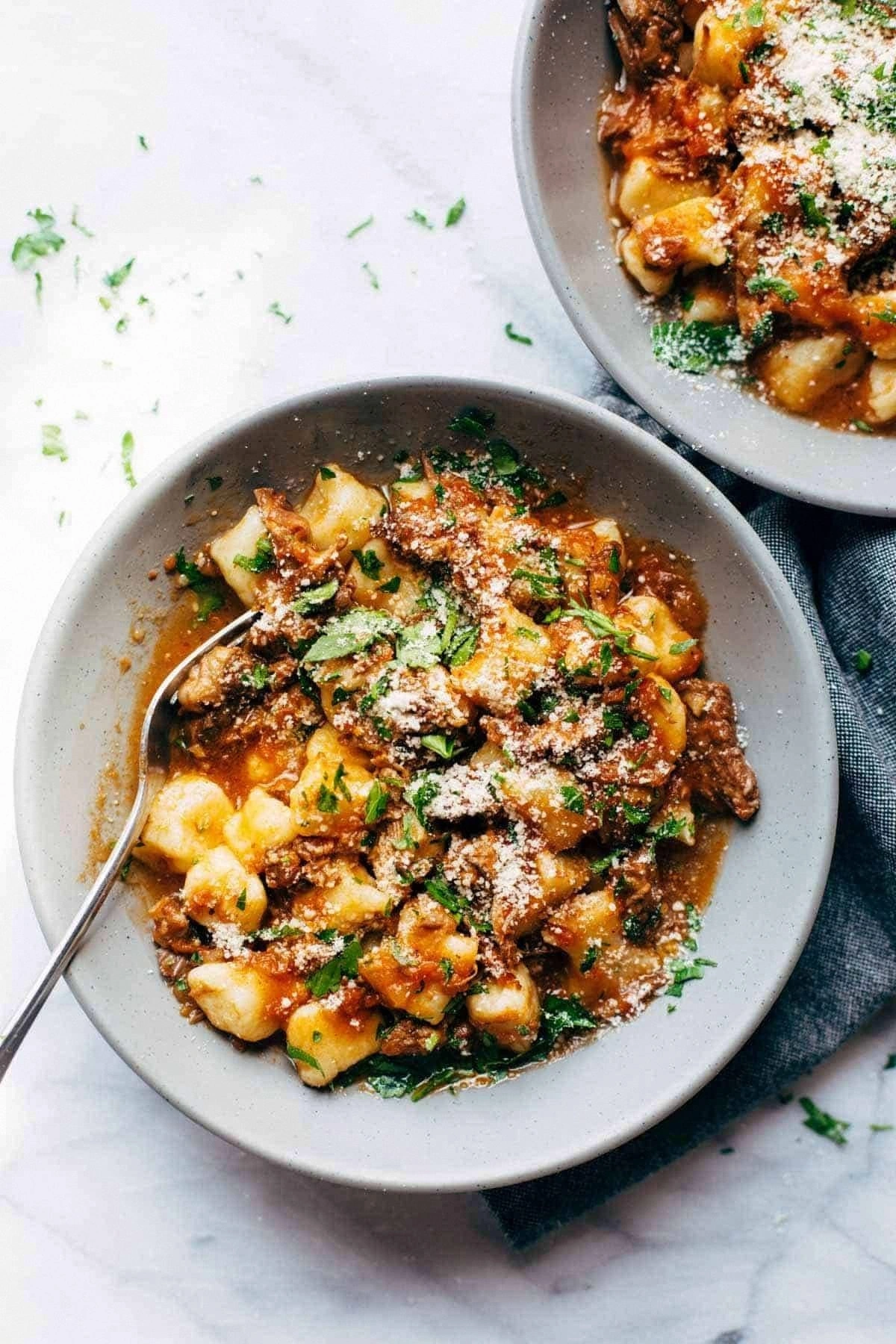
Finally, switch the Instant Pot back to “Sauté” and let the sauce simmer for another five minutes to thicken slightly. This is the final chance to achieve that perfect coat‑on‑pasta consistency. Once the sauce reaches a glossy sheen, turn off the pot and serve over al dente pasta, polenta, or even creamy mashed potatoes. That first bite? Pure, unadulterated comfort.
That's it — you did it. But hold on, I've got a few more tricks that'll take this to another level, ensuring every forkful is a revelation.
Insider Tricks for Flawless Results
The Temperature Rule Nobody Follows
Never start the searing process on a cold pot. Pre‑heat the Instant Pot on “Sauté” for a full two minutes before adding oil. This ensures the meat forms a crust instantly, locking in juices. I once tried to skip this step and ended up with a soggy exterior and a flavor that felt… flat.
Why Your Nose Knows Best
Your sense of smell is a more reliable indicator of doneness than a timer. When the wine reduction starts to smell fruity with a hint of caramel, you know the alcohol has evaporated enough. Trust that nose; it will guide you to the perfect balance of acidity and sweetness.
The 5‑Minute Rest That Changes Everything
After pressure cooking, let the ragu sit, uncovered, for five minutes on “Keep Warm.” This brief rest allows the flavors to meld and the sauce to thicken naturally without extra heat. Skipping this step leaves the sauce a little thin and the flavors less integrated.
The Secret of the Balsamic Glaze
A quick reduction of balsamic vinegar (½ cup down to 2 tbsp) adds a glossy finish that makes the sauce look restaurant‑ready. The sweet‑tart glaze also cuts through the richness, providing a palate‑cleansing contrast. If you’re short on time, a splash of aged balsamic will still deliver a noticeable lift.
Seasoning Layers, Not a One‑Time Dump
Add a pinch of salt during the sauté step, then another pinch after the pressure cycle. This layered seasoning builds depth without making the dish overly salty. A friend once tried seasoning everything at the end and ended up with a bland sauce that needed a ton of extra salt.
Creative Twists and Variations
This recipe is a playground. Here are some of my favorite ways to switch things up:
Mushroom Madness
Add a cup of sliced cremini mushrooms when you sauté the onions. The earthy umami will complement the beef and give the sauce a deeper, forest‑floor flavor that’s perfect for autumn evenings.
Spicy Sicilian
Stir in a teaspoon of crushed red pepper flakes with the spice blend. The heat will cut through the richness and bring a lively kick that pairs wonderfully with a glass of bold red.
Herb‑Infused
Swap the dried thyme and rosemary for fresh herbs – a tablespoon each of chopped fresh thyme and rosemary added after pressure cooking. Fresh herbs brighten the sauce and add a burst of green freshness.
Creamy Dream
Finish the sauce with a splash of heavy cream or half‑and‑half for a velvety texture. This variation is perfect for serving over polenta or gnocchi, turning the dish into a luxurious comfort meal.
White Wine Twist
Replace the red wine with a dry white wine and add a tablespoon of capers for a briny, Mediterranean flair. The lighter wine keeps the sauce bright, while capers add a pop of salty tang.
Storing and Bringing It Back to Life
Fridge Storage
Cool the ragu to room temperature, then transfer it to an airtight container. It will keep for up to 4 days. When reheating, add a splash of water or broth and stir over low heat until it reaches a gentle simmer – this restores the sauce’s original silkiness.
Freezer Friendly
Portion the cooled ragu into freezer‑safe bags or containers, leaving a little headspace for expansion. It freezes beautifully for up to 3 months. Thaw overnight in the fridge, then reheat on the stovetop with a splash of broth, allowing the flavors to re‑marry.
Best Reheating Method
For the ultimate texture, reheat in a saucepan over medium‑low heat, stirring occasionally. Add a tablespoon of water or stock if the sauce looks thick; this steam will bring it back to that glossy, restaurant‑quality sheen. Avoid microwaving, as it can cause uneven heating and a rubbery texture.