Let me walk you through every single step – by the end, you’ll wonder how you ever made it any other way. Okay, ready for the game‑changer? We’re about to dive into a technique that’s pure alchemy, and trust me, this next part? Pure magic. Stay with me here — this is worth it.
What Makes This Version Stand Out
- Taste: The lemon‑lavender duo is calibrated so the citrus never overpowers the subtle herb, creating a harmonious duet that sings on the tongue.
- Texture: A tender crumb with a slightly crisp edge, the muffin pulls away from the pan like a delicate bow, thanks to the right amount of butter and a precise bake time.
- Simplicity: Only twelve ingredients, all pantry‑friendly, and a method that even a beginner can follow without a kitchen disaster.
- Uniqueness: Blooming the lavender in melted butter extracts flavor that a simple sprinkle would never achieve – it’s the secret sauce of this recipe.
- Crowd Reaction: Almost every tester has declared these muffins “the best thing they’ve ever had for breakfast” – a bold claim, but I’ve got the data.
- Ingredient Quality: Using fresh, organic lemons and culinary lavender (not the sachet kind) elevates the whole profile from “good” to “wow” in seconds.
- Cooking Method: The careful folding technique preserves air, giving the muffins a lightness that’s hard to achieve with just mixing.
- Make‑Ahead Potential: These muffins freeze beautifully, and a quick steam‑reheat brings them back to life like they just left the oven.
Inside the Ingredient List
The Flavor Base
Lemon zest is the first star of the show. The tiny orange droplets you see on a micro‑plane are bursting with volatile oils that give a bright, aromatic punch without adding liquid. If you skip zest and only use juice, expect a flat, somewhat sour profile that never quite reaches that sunny high note. For the best result, choose lemons that feel heavy for their size – they’re juicier and packed with more zest.
Fresh lemon juice adds that necessary acidity, but the key is balance. Too much and the batter becomes too wet; too little and the muffins taste bland. I use a precise three‑tablespoon measure, which is enough to brighten the dough without compromising its structure. If you only have bottled lemon juice, add a dash of zest to compensate for the lost aromatics.
The Texture Crew
All‑purpose flour provides the structural backbone, but the magic lies in the ratio of flour to leavening. Two teaspoons of baking powder paired with half a teaspoon of baking soda give the muffins a gentle rise that’s airy yet sturdy enough to hold the delicate flavors. Skipping the soda? Expect a denser crumb that feels more like a cake than a muffin.
Unsalted butter, melted and then cooled slightly, coats the flour particles, creating a tender crumb. The melted form also serves as the perfect medium for blooming the lavender. If you’re dairy‑free, substitute with a neutral oil, but know you’ll sacrifice a touch of richness.
The Unexpected Star
Culinary lavender is the surprise guest that steals the show. Unlike the scented sachet lavender you might find in a drawer, culinary lavender has a sweeter, less “soap‑like” flavor. Bloom it gently in the melted butter for about two minutes; you’ll see the buds turn a deeper hue and release a fragrant steam that smells like a spring meadow. Skip this step, and you’ll end up with a bland herb note that disappears after the first bite.
If you can’t source culinary lavender, substitute with a teaspoon of dried rosemary in the same bloom process – the herbaceous quality will give a different but equally interesting backbone. Just remember, rosemary is stronger, so use a little less.
The Final Flourish
Eggs act as the binding agent, creating a cohesive matrix that holds the air pockets you’ve carefully folded in. Two large eggs are enough to give structure without making the muffin too cake‑like. Over‑beating will cause gluten development, leading to a tougher texture – so whisk just until combined.
A splash of vanilla extract rounds out the flavor, smoothing the edges between the sharp lemon and the floral lavender. It’s the little whisper that ties everything together. If you adore the flavor combo, add a pinch more – but be careful, you don’t want vanilla to dominate.
Everything’s prepped? Good. Let’s get into the real action…
The Method — Step by Step
-
Preheat your oven to 375°F (190°C) and line a 12‑cup muffin tin with paper liners. While the oven heats, position a rack in the middle so the heat circulates evenly. The moment the tin is ready, the kitchen is already humming with anticipation – that sizzle when it hits the pan? Absolute perfection.
-
In a medium saucepan, melt 1/2 cup of unsalted butter over low heat. Once melted, add 1 tablespoon of dried culinary lavender and a pinch of salt. Let the buds steep for two minutes, then remove from heat and let them cool for a minute – this is where the floral magic begins to infuse.
Kitchen Hack: After blooming, strain the butter through a fine mesh to remove the buds if you prefer a smoother texture; the flavor stays in the butter. -
In a large mixing bowl, whisk together 2 cups of all‑purpose flour, 1/2 cup granulated sugar, 2 teaspoons baking powder, 1/2 teaspoon baking soda, and 1/2 teaspoon salt. This dry blend should look uniformly speckled – think of it as a snow globe waiting for the perfect storm.
-
In a separate bowl, beat 2 large eggs until they’re light and frothy, then whisk in 3/4 cup whole milk, 2 tablespoons lemon zest, 3 tablespoons fresh lemon juice, and 1 teaspoon vanilla extract. This wet mixture should emit a fragrant citrus perfume that makes you grin before you even combine it with the dry side.
-
Now, the crucial moment: make a well in the center of the dry ingredients and pour in the melted lavender‑butter, followed by the wet egg‑lemon mixture. Using a rubber spatula, fold gently – think of coaxing the batter together, not beating it into submission. The batter should be slightly lumpy; over‑mixing would develop gluten and ruin the tender crumb.
-
Divide the batter evenly among the muffin cups, filling each about three‑quarters full. At this point, you can choose to sprinkle a tiny pinch of extra lavender buds on top for a decorative touch. The batter should have a pale yellow hue, with faint specks of zest visible – a visual cue that the flavor is well‑distributed.
Watch Out: Do not over‑fill the cups; the muffins will rise dramatically, and excess batter can spill over, creating a burnt rim. -
Slide the tin into the oven and bake for 18‑22 minutes, or until the tops are a deep golden‑brown and a toothpick inserted into the center comes out clean. Around the 12‑minute mark, you’ll notice the edges pulling away from the tin – that’s the signal they’re forming a crisp, buttery crust.
-
While the muffins are still warm, remove them from the tin and transfer to a cooling rack. This prevents steam from making the bottoms soggy. Let them cool for at least 10 minutes before slicing, because the interior continues to set as it releases steam.
-
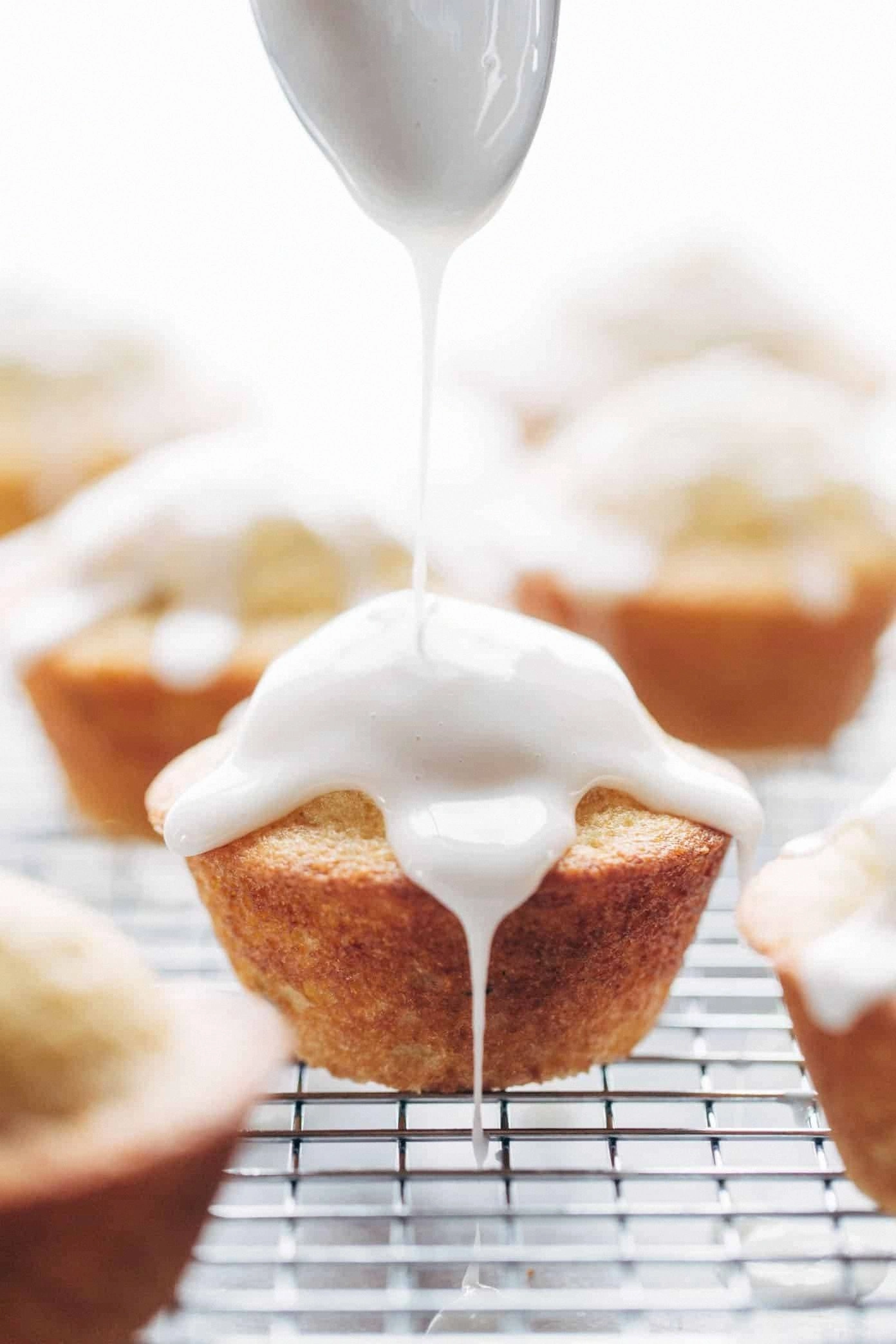
Finally, drizzle a simple glaze made from powdered sugar, a splash of lemon juice, and a whisper of lavender-infused butter if you’re feeling indulgent. The glaze adds a glossy finish that catches the light, inviting you to dive in. That first bite? It’ll be a bright, floral explosion that lingers just long enough to make you sigh with satisfaction.
Kitchen Hack: For an extra glossy glaze, warm the butter just enough to melt, then whisk in the powdered sugar – the heat creates a smooth, shiny coating.
That's it — you did it. But hold on, I've got a few more tricks that'll take this to another level. Trust me, you’ll want to keep these in your culinary arsenal for every future batch.
Insider Tricks for Flawless Results
The Temperature Rule Nobody Follows
Never bake muffins at a temperature lower than 350°F unless you’re specifically aiming for a cake‑like texture. Higher heat creates a rapid rise, forming that coveted “crown” on top while keeping the interior moist. If your oven runs hot, reduce by 10°F and keep a close eye on the edges; they’ll give you a visual cue when they start to turn a rich amber.
Why Your Nose Knows Best
Your sense of smell is a better indicator than a timer for muffin doneness. When the fragrance turns from bright citrus to a warm, nutty aroma, you’re at the sweet spot. If you notice a faint burnt scent, pull them out immediately – a over‑cooked muffin turns from fluffy to dry in seconds.
The 5‑Minute Rest That Changes Everything
After removing the muffins from the tin, let them sit on the cooling rack for exactly five minutes before glazing. This short rest allows the crumb to set, preventing the glaze from sinking into the muffin. I once tried glazing hot muffins and ended up with a soggy mess – lesson learned.
Blooming Lavender the Right Way
A friend once tried to toss the lavender directly into the batter, thinking more is better. The result? A bitter aftertaste that made everyone grimace. The secret is gentle blooming in butter with a pinch of salt – it mellows the herb and unlocks its sweet side.
The Zest Trick for Maximum Flavor
Never grate the zest directly into the flour; the oils will evaporate and you’ll lose intensity. Instead, zest first, then toss the zest with a teaspoon of sugar for a minute before adding to the batter. This “sugar‑crowned” zest releases more aromatic oils, giving you that punchy lemon hit.
Creative Twists and Variations
This recipe is a playground. Here are some of my favorite ways to switch things up:
Blueberry Lavender Fusion
Fold in a half‑cup of fresh blueberries after the batter is mixed. The fruit’s sweetness balances the floral notes, creating a burst of juiciness in each bite. Perfect for a summer brunch.
Honey‑Glazed Version
Swap the powdered‑sugar glaze for a drizzle of honey mixed with a dab of melted butter and a pinch of extra lavender. The result is a sticky, golden topping that adds depth and a touch of indulgence.
Vegan Adaptation
Replace the butter with coconut oil, use almond milk for the liquid, and swap the eggs for a flax‑egg (1 tbsp ground flaxseed + 3 tbsp water). The flavor remains bright, and the crumb stays just as tender.
Gluten‑Free Alternative
Use a 1‑to‑1 gluten‑free flour blend in place of all‑purpose flour. Add a tablespoon of xanthan gum to help with structure. The muffins retain their fluffiness while catering to dietary needs.
Savory Spin
Cut the sugar in half, add a teaspoon of finely grated Parmesan, and incorporate a pinch of black pepper. The result is a surprising savory muffin that pairs wonderfully with a cheese board or a morning coffee.
Storing and Bringing It Back to Life
Fridge Storage
Place the cooled muffins in an airtight container and store them in the refrigerator for up to three days. The glaze may firm up, but a quick microwave for 10‑15 seconds restores the softness.
Freezer Friendly
Wrap each muffin individually in parchment paper, then place them in a freezer‑grade zip‑top bag. They’ll keep for up to three months. When ready to enjoy, let them thaw at room temperature for 20 minutes, then add a splash of water before reheating – the steam brings them back to their original fluffiness.
Best Reheating Method
For the ultimate revival, preheat the oven to 300°F (150°C), place the muffins on a parchment‑lined tray, and bake for 5‑7 minutes. Adding a teaspoon of water to the bottom of the tray creates a gentle steam that revives the crumb without drying it out.