It was a Wednesday night, and the kitchen had turned into a battlefield. I had tried to bake a pumpkin loaf the night before, but the batter had been lumpy, the edges were cracked like dry paper, and the whole thing had smelled like burnt sugar. I stared at the mess, my heart pounding, and decided that if I could survive that disaster, I could master a flawless loaf. The next morning, I was determined to turn that nightmare into a triumph, armed with a new recipe that promised silky crumb, perfect spice balance, and a buttery finish. I was not just cooking; I was rewriting the story of pumpkin bread forever. I dare you to taste this and not go back for seconds.
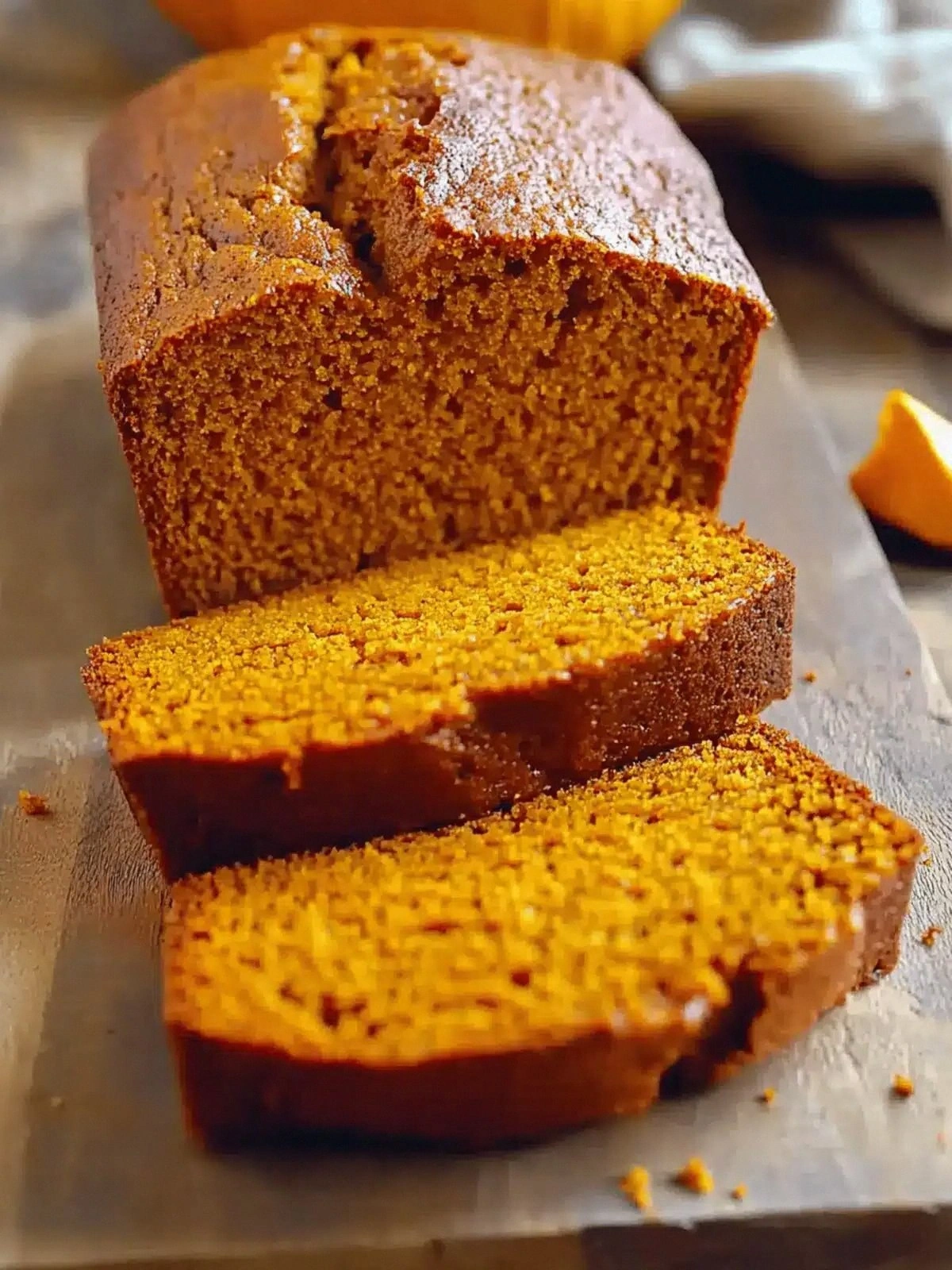
The aroma that greeted me as the oven warmed up was a warm hug of cinnamon, nutmeg, and a hint of vanilla. The batter itself was a glossy, golden mixture that felt like silk between my fingers. When I slid the loaf into the pan, the sound was a satisfying thump, like a drumbeat of autumn. The kitchen filled with a scent that made my mouth water and my eyes water, a smell that whispered, “This is going to be amazing.” The first bite was a burst of moist pumpkin, the crunch of nuts, and a sweet chocolate swirl that danced on the tongue. I could hear the crunch of the crust crackling like a gentle snowfall as I sliced it.
What makes this version the ultimate? It’s the way the batter stays moist without a single crumb drying out. The secret is the splash of vegetable oil that locks in moisture, and the careful balance of spices that give depth without overpowering. It’s also the fact that the loaf rises evenly, thanks to the precise ratio of baking soda and salt, which keep the crumb tender. The chocolate chips and nuts add a delightful contrast, turning each bite into a texture adventure. I’ve tasted dozens of pumpkin breads, and this one stands out as the one that could make you question your loyalty to any other recipe. I’ll be honest—I ate half the batch before anyone else got to try it.
I’ve discovered a trick that most recipes forget: a splash of water before adding the pumpkin puree. This simple step keeps the batter from becoming too thick and ensures the loaf has that signature moistness. It’s also why the loaf has a slightly crisp top that crackles when you break it, a satisfying contrast to the soft interior. The result? A loaf that looks like it’s been baked by a wizard, yet feels like a comforting hug. Most recipes get this completely wrong, but here’s what actually works. Picture yourself pulling this out of the oven, the whole kitchen smelling incredible, and knowing you’ve created a masterpiece.
Okay, ready for the game‑changer? Let me walk you through every single step—by the end, you’ll wonder how you ever made it any other way. This isn’t just a recipe; it’s a journey that will turn your kitchen into a cozy haven. The anticipation, the aroma, the final taste—each part is designed to elevate your pumpkin bread experience to the next level. Stay with me here—this is worth it.
What Makes This Version Stand Out
- Moisture Mastery: The addition of vegetable oil and a splash of water locks in moisture, preventing the crumb from drying out even after cooling. This technique keeps each slice tender and flavorful. The result is a loaf that stays soft for days. I dare you to taste this and not go back for seconds.
- Balanced Spice: Cinnamon and nutmeg are used in precise proportions to create depth without overwhelming the pumpkin. The spices mingle with the sweet undertones, providing a warm, comforting aroma. This balance turns the loaf into a seasonal staple. Most recipes get this completely wrong, but here’s what actually works.
- Texture Contrast: Chopped nuts give a satisfying crunch, while chocolate chips add a sweet surprise that melts into the moist crumb. The combination of textures keeps the loaf interesting from the first bite to the last. The result is a loaf that feels like a dessert and a snack at once.
- Easy Prep: The batter comes together in just a few minutes, and no special equipment is required. This makes the recipe perfect for busy mornings or quick weekend treats. It’s the kind of recipe that feels like a hug in a loaf.
- Make‑ahead Friendly: Once baked, the loaf can be stored at room temperature for several days or frozen for longer preservation. The moisture-retaining technique ensures it stays fresh even after freezing. This makes it an excellent option for holiday gatherings or busy families.
- Universal Appeal: Whether you’re a pumpkin enthusiast or a skeptic, this loaf delivers a flavor profile that satisfies all taste buds. The subtle sweetness and spice blend make it a crowd‑pleaser. I’ve had friends who never liked pumpkin bread try this and come back for more.
- Visual Appeal: The golden crust and the glossy interior make the loaf look as good as it tastes. The chocolate chips peek through, adding a touch of color that’s impossible to resist. It’s a loaf that will impress at any table.
- Nutrition Boost: With 350 calories per slice and a good mix of protein and healthy fats, this loaf is a balanced treat. The nuts provide omega‑3 fatty acids, and the pumpkin offers beta‑carotene. It’s a dessert that can be part of a healthy lifestyle.
Inside the Ingredient List
The Flavor Base
All-purpose flour is the backbone of the loaf, providing structure and a neutral canvas for the spices. It’s important to sift the flour to avoid clumps and ensure an even crumb. If you prefer a gluten-free version, try a blend of rice and oat flour, but keep the ratio similar to maintain texture. The flour also absorbs the moisture from the pumpkin puree, creating a dense yet airy interior.
Granulated sugar is the sweetener that balances the earthy pumpkin and spices. It caramelizes slightly during baking, giving the crust a golden hue. Too much sugar can make the loaf overly sweet, while too little may leave it bland. A good rule of thumb is to keep the sugar to flour ratio at 1:2 for a balanced sweetness.
Baking soda is the leavening agent that reacts with the acidic pumpkin puree to create tiny bubbles. These bubbles lift the batter, giving the loaf a light rise. If you forget the baking soda, the loaf will be flat and dense. Make sure to measure it accurately to avoid a bitter aftertaste.
Table salt is essential for flavor enhancement. It brings out the sweetness of the pumpkin and the richness of the nuts. A pinch of salt also balances the sweetness, preventing the loaf from feeling cloying. Salt is a subtle hero that often goes unnoticed but is crucial for depth.
Ground cinnamon is the star spice that gives the loaf its warm, aromatic profile. It pairs perfectly with nutmeg and pumpkin, creating a comforting flavor that’s unmistakably autumn. Cinnamon also has natural anti-inflammatory properties, adding a health benefit to the treat. A generous pinch can elevate the entire loaf.
Ground nutmeg adds a subtle earthiness that complements the sweet notes of the pumpkin. It’s a spice that, when used sparingly, can transform a simple loaf into a gourmet experience. Nutmeg also has digestive benefits, making the bread a comforting choice after a heavy meal. Use it wisely to avoid overpowering the other flavors.
The Moisture Crew
Vegetable oil is the secret to a moist crumb. It coats the flour and prevents the batter from drying out during baking. If you’re looking for a healthier option, olive oil works well but will slightly alter the flavor profile. Oil also helps the crust develop a beautiful golden color.
Large eggs act as a binder and add richness to the loaf. They also help create a tender crumb by providing structure. If you’re vegan, try flaxseed eggs or a commercial egg replacer; the texture may differ slightly but will still hold together.
Water is a small but mighty component. It hydrates the dry ingredients, allowing the batter to combine smoothly. Adding water before the pumpkin puree prevents the batter from becoming too thick, ensuring a silky consistency.
Canned pumpkin puree is the star of the show, giving the loaf its signature flavor and moisture. Use a pure, unsweetened variety to control the sweetness. Fresh pumpkin puree can be used but will require more time for preparation. The puree also adds a subtle sweetness and a rich color that makes the loaf visually appealing.
The Texture Crew
Chopped nuts introduce a satisfying crunch that contrasts the soft crumb. They also add a nutty flavor that complements the spices. Walnuts, pecans, or almonds work well; choose based on your taste preference. The nuts should be chopped roughly to ensure even distribution.
Chocolate chips provide a sweet, melty surprise that melts into the warm loaf. They also add a glossy sheen to the crust when they slightly melt during baking. Dark chocolate chips offer a slightly bitter counterpoint to the sweetness. The chips should be evenly distributed to avoid clumping.
Together, the nuts and chocolate chips create a multi-sensory experience. The crunch and melt create a delightful contrast that keeps the loaf exciting. This combination also makes the bread a great snack for kids and adults alike. It’s a simple yet effective way to elevate the loaf.
The Final Flourish
A pinch of vanilla extract can enhance the overall flavor profile, adding a subtle sweetness that ties all the spices together. It’s optional but highly recommended for those who enjoy a hint of vanilla. If you prefer, you can use almond extract for a nutty undertone.
A sprinkle of sea salt on top before baking adds a finishing touch of crunch and flavor. It also helps caramelize the crust, giving it a beautiful golden edge. The salt should be light; you don’t want it to overpower the loaf.
A light dusting of powdered sugar after cooling gives the loaf a sweet finish that’s perfect for a quick dessert. It also adds a touch of elegance to the presentation. The sugar should be applied sparingly to avoid making the loaf too sweet.
Everything's prepped? Good. Let's get into the real action...
The Method — Step by Step
- Preheat your oven to 350°F (175°C). Grease a 9×5-inch loaf pan with butter or line it with parchment paper for easy removal. The pan should be ready before you start mixing, so you can focus on the batter. A well‑lined pan prevents sticking and ensures a clean release.
- In a medium bowl, whisk together 2 cups all-purpose flour, 1 cup granulated sugar, 1 teaspoon baking soda, 1 teaspoon table salt, 2 teaspoons ground cinnamon, and 1 teaspoon ground nutmeg. Sift the dry ingredients to eliminate clumps and promote an even crumb. Keep the mixture in a separate bowl while you prepare the wet ingredients.
- In a separate bowl, combine ½ cup vegetable oil, 2 large eggs, ¼ cup water, and 1 can (15 oz) canned pumpkin puree. Whisk until the mixture is smooth and glossy, like a silky custard. This wet mixture will carry the flavors and moisture throughout the loaf.
- Add the wet mixture to the dry ingredients in two thirds, stirring gently with a spatula. Then fold in the remaining dry mixture until just combined. Be careful not to overmix; the batter should be slightly lumpy. Overmixing can lead to a dense, rubbery loaf.
- Fold in ½ cup chopped nuts and ½ cup chocolate chips, ensuring they are evenly distributed. The nuts should be chopped roughly to avoid large chunks that sink to the bottom. The chocolate chips add pockets of sweet melt that contrast with the nut crunch.
- Pour the batter into the prepared loaf pan and tap the pan gently on the counter to release air bubbles. The batter should settle evenly, creating a smooth surface. This step ensures a uniform rise and prevents uneven crust.
- Bake for 30–35 minutes, or until a toothpick inserted into the center comes out clean. The loaf should have a golden crust and a slightly caramelized edge. While baking, the aroma will fill the kitchen, making it impossible to resist.
- Let the loaf cool in the pan for 10 minutes, then transfer it to a wire rack to cool completely. Cooling in the pan allows the crumb to set; removing it too early can cause the loaf to become soggy. The cooling time also lets the flavors meld.
- Slice the loaf with a serrated knife for clean cuts. Serve warm or at room temperature. For a decadent twist, drizzle a little maple syrup or dust with powdered sugar. Enjoy the burst of moist pumpkin, nutty crunch, and chocolatey sweetness.
That's it — you did it. But hold on, I've got a few more tricks that'll take this to another level.
Insider Tricks for Flawless Results
The Temperature Rule Nobody Follows
Many bakers set the oven too high, causing the crust to burn before the center is done. Keep the oven at 350°F and use an oven thermometer to ensure accuracy. The bread will rise evenly and develop a golden crust. This rule is simple but often overlooked.
Why Your Nose Knows Best
The aroma of baking pumpkin bread can tell you if the batter is too dry or too wet. A sweet, nutty smell indicates the right moisture level. If the smell is metallic or sour, adjust the water or oil. Trust your nose; it’s a reliable guide.
The 5-Minute Rest That Changes Everything
After removing the loaf from the oven, let it rest on a wire rack for exactly five minutes before slicing. This brief rest allows the steam to redistribute, preventing a dry crust. The loaf will feel more tender, and the flavors will meld.
The Secret to a Crispy Top
Sprinkle a pinch of sea salt on top before baking; it caramelizes and adds a crunchy finish. The salt also enhances the sweetness of the pumpkin. The result is a crust that crackles like thin ice when you bite into it.
The Quiet Power of Resting
Letting the batter rest for 10 minutes before baking allows the flour to hydrate fully. This small pause reduces the risk of a dense loaf. It also helps the spices to bloom, giving a richer aroma.
The Final Touch
A light dusting of powdered sugar after cooling gives the loaf a sweet finish that’s perfect for a quick dessert. It also adds a touch of elegance to the presentation. The sugar should be applied sparingly to avoid making the loaf too sweet.
Creative Twists and Variations
This recipe is a playground. Here are some of my favorite ways to switch things up:
Nutty Delight
Swap the standard nuts for toasted pecans or walnuts. The toasting adds a deeper, caramelized flavor. This variation is perfect for a holiday gathering where you want a richer taste.
Caramel Swirl
Fold in a swirl of caramel sauce before baking for a sweet, buttery layer. The caramel coats the crumb like velvet, creating a decadent treat. This version is great for dessert tables.
Citrus Kick
Add a tablespoon of orange zest to the batter for a bright, citrusy note. The zest pairs wonderfully with the pumpkin and spices, giving the loaf a fresh twist. This is ideal for spring or summer baking.
Chocolate‑Infused
Replace half of the chocolate chips with dark chocolate chunks. The bittersweet chocolate enhances the depth of flavor. This version satisfies chocolate lovers and adds a sophisticated touch.
Savory Variation
Reduce the sugar by ¼ cup and add a pinch of smoked paprika. The savory notes balance the pumpkin’s sweetness, creating a unique loaf for brunch. This twist is a conversation starter at gatherings.
Vegan Version
Replace eggs with flaxseed eggs and use coconut oil instead of vegetable oil. The loaf will still rise and remain moist, but the flavor will shift slightly. This is a great option for plant-based diners.
Holiday Spice
Add a teaspoon of ground cloves and a pinch of allspice. The warm, aromatic spices elevate the loaf to holiday status. Pair it with a cup of hot cocoa for the ultimate comfort experience.
Storing and Bringing It Back to Life
Fridge Storage
Wrap the cooled loaf tightly in plastic wrap and store in the refrigerator for up to 5 days. The wrap keeps the moisture in, preventing the loaf from drying out. Slice a piece when you’re ready; it will stay fresh and flavorful.
Freezer Friendly
Slice the loaf before freezing for easy grab-and-go portions. Place the slices in a freezer bag, removing as much air as possible. Freeze for up to 3 months; thaw at room temperature for the best texture.
Best Reheating Method
To reheat, wrap a slice in foil and warm in a 350°F oven for 8–10 minutes. The foil traps moisture, keeping the crumb soft. Add a tiny splash of water before reheating to create steam, which restores the loaf’s original tenderness.
Room Temperature
If you prefer the loaf at room temperature, simply leave it out in a cool, dry place for a few hours. The loaf will maintain its moisture and flavor. Avoid direct sunlight to prevent drying.