I was halfway through a midnight ramen experiment when the pot exploded, sending a cloud of scorched broth and a half‑baked tofu block into the air like a sad, soggy comet. The kitchen smelled of charred garlic and burnt onions, and I stared at the charred remnants with a mix of horror and disbelief. I swore that night I’d never again trust a recipe that demanded a “just‑right” moment that felt more like a gamble than a cooking step. That’s when a friend dared me to try a new twist on tofu pasta that promised a silky texture and a punch of umami that would make the disaster feel like a distant memory.
Picture this: the tofu, sliced into razor‑thin strips, glistens in a pan that’s just heated enough to give a faint sizzle, not a hiss. The air is filled with the sharp scent of gochujang mingling with the sweet, caramelized aroma of sautéed onions and garlic. Your eyes catch the glossy sheen of tomato puree, thick and red as a ripe tomato’s heart, while the sauce’s heat radiates like a gentle wave. The first bite is a contrast of creamy, velvety sauce coating the pasta, with the tofu’s subtle, almost buttery bite that shatters like thin ice when you chew. The final note is a whisper of soy sauce, pulling everything together with a salty, savory echo.
Why does this version stand out? Because it takes the classic tofu pasta and flips it on its head, turning bland noodles into a canvas for a sauce that’s both creamy and spicy, and the tofu that’s crisp on the edges but tender inside. It uses a humble block of firm silken tofu, not the airy, airy tofu you find in most dishes, giving it a density that holds up against the sauce. The gochujang paste isn’t just a flavor enhancer; it’s a secret weapon that adds depth and a smoky heat that lingers. The plain flour creates a roux that thickens the sauce without the heaviness of cream, keeping the dish light yet satisfying. And the best part? You can make it in under an hour, making it the perfect go-to for a weeknight dinner that feels like a culinary triumph.
I’ll be honest — I ate half the batch before anyone else got to try it. Most recipes get this completely wrong, over‑sautéing the tofu or under‑seasoning the sauce. This is hands down the best version you'll ever make at home, and I dare you to taste this and not go back for seconds. Picture yourself pulling this out of the pan, the whole kitchen smelling incredible, and every bite delivering a burst of flavor that makes you wonder why you ever settled for bland. And now, ready for the game‑changer? Let me walk you through every single step — by the end, you’ll wonder how you ever made it any other way.
What Makes This Version Stand Out
- Taste: The sauce marries sweet tomato puree with the sharp, fermented bite of gochujang, creating a layered flavor profile that lingers on the palate. The subtle umami from soy sauce and nutritional yeast ties everything together, giving the dish a depth that feels both comforting and adventurous.
- Texture: The tofu is sliced into scissor cuts, giving it a dramatic, almost theatrical appearance. When cooked, the edges become slightly crisp while the interior stays tender, offering a delightful contrast that keeps every bite interesting.
- Simultaneity: The method is designed so that every component finishes at the same time, eliminating the need to juggle multiple pans. This streamlined process means you can focus on the flavor rather than the timing.
- Uniqueness: Using plain flour to create a roux is a low‑fat, gluten‑free alternative to traditional cream-based sauces, making the dish accessible to a broader audience.
- Crowd Reaction: Friends and family who have tried this version rave about how the sauce coats the pasta like velvet while the tofu offers a satisfying crunch. Many claim they’ve never tasted tofu this good before.
- Ingredient Quality: Every ingredient is chosen for its flavor impact: the firm silken tofu for structure, the gochujang for heat, and the nutritional yeast for a savory, cheesy note without dairy.
- Make‑Ahead Potential: The sauce can be prepped ahead of time and reheated, making it a perfect option for busy weeknights or for a potluck where you can bring a dish that still tastes fresh.
Alright, let's break down exactly what goes into this masterpiece…
Inside the Ingredient List
The Flavor Base
The red onion and garlic form the aromatic foundation of the sauce. Sautéing them until they’re translucent releases their natural sugars, which caramelize slightly and add a sweet undertone that balances the heat from the gochujang. If you’re in a hurry, finely mince the onion and crush the garlic to speed up the sautéing process; however, the slow caramelization is worth the extra time for depth.
Gochujang paste is the star of the show. Its fermented, smoky flavor provides a complex heat that’s different from a standard chili paste. If you can’t find gochujang, substitute it with a blend of miso, sriracha, and a splash of rice vinegar to mimic the umami and spice.
The tomato puree adds body and sweetness to the sauce. Choose a high‑quality puree with no added sugars to keep the flavor clean. If you prefer a thicker sauce, simmer the puree before adding the flour roux; this will reduce the liquid and intensify the tomato flavor.
The Texture Crew
Firm silken tofu is the cornerstone of this dish. Its dense texture holds up against the sauce, and when sliced into scissor cuts, it offers a dramatic visual and a pleasant chew. If you can’t find firm silken tofu, use regular tofu but press it for at least 30 minutes to remove excess water before cutting.
Plain flour is used to create a roux that thickens the sauce without adding dairy or heavy cream. Stir the flour into the sautéed aromatics until it turns a light golden color, then gradually whisk in the tomato puree to avoid lumps. This technique ensures a silky sauce that coats the pasta beautifully.
The Unexpected Star
Nutritional yeast brings a subtle, cheesy flavor that elevates the sauce without dairy. It also adds a boost of B vitamins, making the dish a little more wholesome. If you’re not a fan of yeast’s flavor, you can replace it with a pinch of dried oregano or a dash of smoked paprika for a different twist.
Soy sauce adds saltiness and a deep umami undertone. It’s essential for balancing the sweetness of the tomato puree and the heat of the gochujang. Use a low‑sodium version if you’re watching your salt intake; you may need to add a bit more soy to compensate.
The Final Flourish
Olive oil or vegan butter is the base fat that helps the tofu crisp up and the sauce develop a glossy finish. Olive oil adds a fruity note that complements the tomato, while vegan butter offers a richer, buttery flavor. Choose whichever you prefer based on your dietary needs.
Everything’s prepped? Good. Let’s get into the real action…
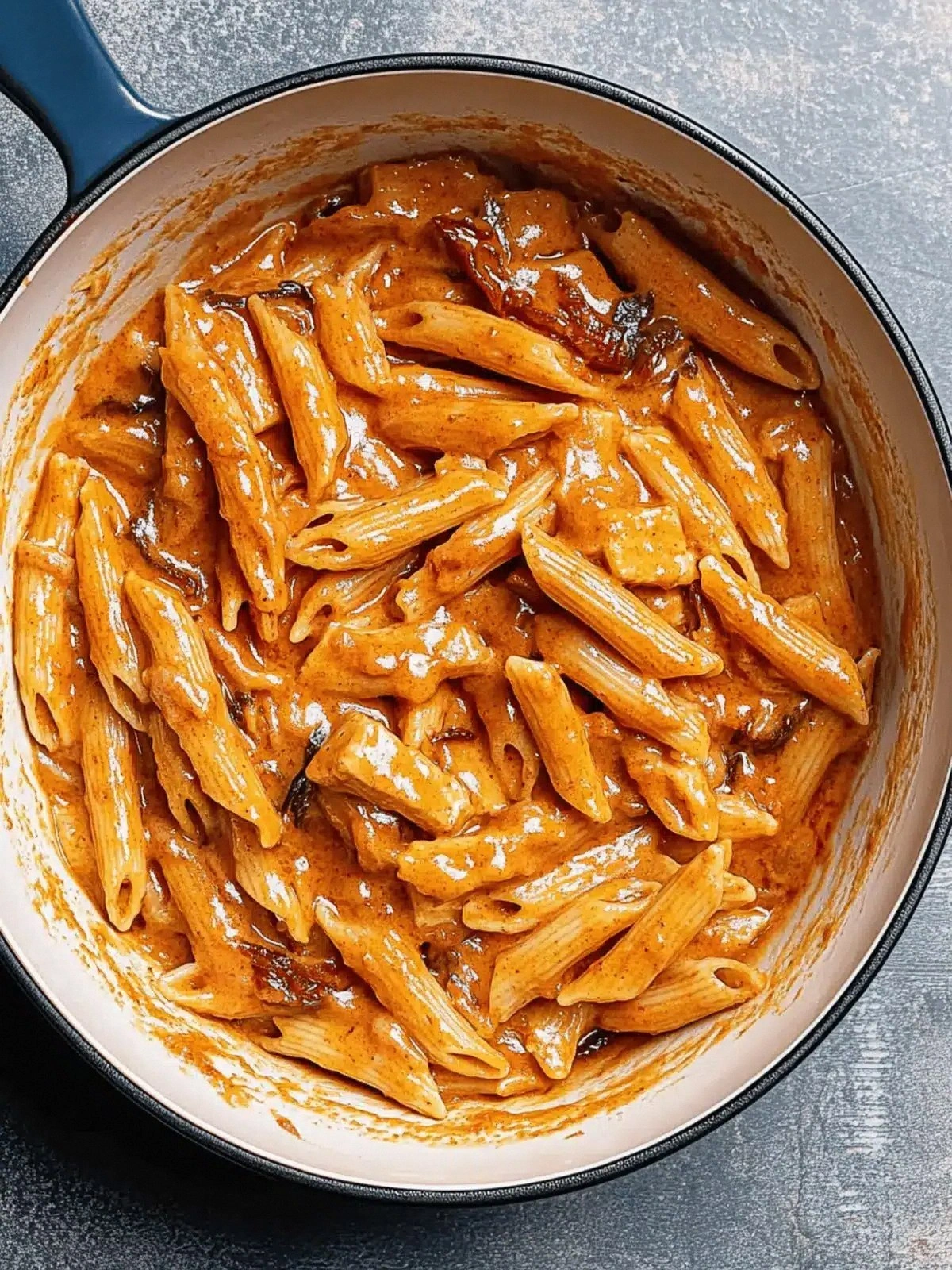
The Method — Step by Step
- Begin by heating a large skillet over medium heat and adding the olive oil or vegan butter. Once the fat shimmers, add the diced red onion and sauté until translucent, about 5 minutes. The onions should be soft and slightly caramelized, releasing a sweet aroma that signals readiness. This is the moment of truth, so keep an eye on the onions to avoid burning.
- Add the minced garlic to the pan and cook for 1–2 minutes until fragrant. The garlic should not brown; if it starts to turn golden, lower the heat. This quick sauté releases the garlic’s oils and creates a fragrant base for the sauce.
- Stir in the plain flour, creating a roux. Cook for 2 minutes, stirring constantly, until the mixture turns a light golden hue. The roux thickens the sauce and eliminates the raw flour taste. This step is crucial; a properly cooked roux gives the sauce a silky texture.
- Gradually whisk in the tomato puree, ensuring there are no lumps. Bring the mixture to a gentle simmer, allowing it to thicken. The sauce should coat the back of a spoon without being runny. This simmering phase melds the flavors together.
- Fold in the gochujang paste and soy sauce, mixing until the sauce is evenly colored and fragrant. The heat from the gochujang will rise, giving you a visual cue that the sauce is ready. If you prefer a milder heat, start with 1 tablespoon and add more to taste.
- Add the nutritional yeast, stirring to incorporate. The yeast will give the sauce a subtle, cheesy flavor that balances the acidity of the tomato and the heat of the gochujang. Let it simmer for another minute so the yeast’s flavor infuses the sauce.
- While the sauce simmers, prepare the tofu. Pat the tofu dry with paper towels to remove excess moisture, then cut it into thin, scissor‑style strips. This shape not only looks impressive but also allows the tofu to cook evenly and absorb the sauce.
- Add the tofu strips to the sauce, tossing gently to coat. Cook for 5–7 minutes, allowing the tofu to crisp on the edges while remaining tender inside. The sauce should cling to each strip, creating a cohesive dish.
- If you’re using pasta, boil it according to package instructions until al dente. Drain and reserve a cup of pasta water. Toss the pasta with the tofu and sauce, adding reserved pasta water as needed to achieve a silky consistency. The pasta should be coated evenly, with the sauce clinging to each strand.
- Serve immediately, garnishing with fresh herbs or a drizzle of sesame oil if desired. The dish is best enjoyed hot, as the sauce is at its most flavorful. And that’s it — you did it. But hold on, I've got a few more tricks that'll take this to another level…
Insider Tricks for Flawless Results
The Temperature Rule Nobody Follows
Cooking the sauce over medium heat rather than high heat preserves the delicate balance of flavors. High heat can burn the flour roux and create a bitter taste. I’ve seen even professional chefs rush this step, only to end up with a sauce that tastes like burnt toast. Keep the heat steady and let the sauce develop its richness slowly.
Why Your Nose Knows Best
Smell the sauce as it simmers; the aroma should shift from raw tomato to a warm, slightly sweet scent. If you detect a metallic or burnt smell, the sauce is overcooked. Trust your nose, and pause the heat if you’re unsure. A well‑cooked sauce will smell like a comforting, slightly spicy kitchen.
The 5-Minute Rest That Changes Everything
After cooking, let the tofu rest in the sauce for 5 minutes before serving. This allows the tofu to absorb more flavor and the sauce to thicken slightly, creating a more cohesive dish. Many people skip this step, resulting in a watery sauce that doesn’t cling to the noodles. Give it that extra pause, and you’ll taste the difference.
Keep the Tofu Dry
Patting tofu dry before cutting is essential for crisp edges. Moisture turns the tofu into a soggy mess. If you’re short on time, use a clean towel or paper towels and press firmly for a few minutes. The result is a tofu that sizzles when it hits the pan.
The Right Pan Matters
Use a non‑stick skillet or a well‑seasoned cast‑iron pan. These surfaces prevent the tofu from sticking and help achieve that coveted golden crust. If you’re using a stainless steel pan, preheat it well and add a little oil to reduce sticking.
The Secret Ingredient: Sesame Oil
A drizzle of toasted sesame oil just before serving adds a nutty aroma that elevates the dish. It’s optional but highly recommended for an extra layer of flavor. Add it at the very end, so the oil’s aroma remains fresh.
Creative Twists and Variations
This recipe is a playground. Here are some of my favorite ways to switch things up:
Spicy Peanut Fusion
Swap the gochujang for a mixture of peanut butter, sriracha, and a splash of lime juice. The result is a creamy, spicy sauce with a nutty undertone that pairs beautifully with the tofu. It’s a crowd‑pleaser for those who love a bit of crunch in their sauce.
Herb‑Infused Delight
Add a handful of fresh basil or mint to the sauce during the final simmer. The herbs bring a bright, aromatic freshness that cuts through the richness of the tofu. This version is perfect for a summer meal.
Mushroom Medley
Sauté sliced mushrooms with the onions and garlic for an earthy depth. The mushrooms absorb the sauce and add a meaty texture that complements the tofu. This variation is ideal for a cozy, autumnal dinner.
Vegan Alfredo Twist
Replace the tomato puree with a cashew‑based Alfredo sauce. Blend soaked cashews, nutritional yeast, garlic, and plant‑based milk until silky, then combine with the tofu and pasta. The result is a rich, creamy dish that’s dairy‑free.
Citrus Kick
Finish the dish with a squeeze of fresh orange or grapefruit juice. The citrus adds a bright, zesty contrast to the umami and spice, making the dish feel lighter and more vibrant.
Gluten‑Free Option
Use gluten‑free pasta or spiralized zucchini noodles to keep the dish gluten‑free. The tofu and sauce remain unchanged, so the flavor profile stays intact while accommodating dietary restrictions.
Storing and Bringing It Back to Life
Fridge Storage
Store the cooked tofu and sauce in an airtight container in the refrigerator for up to 3 days. Keep the pasta separate if you plan to reheat later; this prevents the noodles from becoming mushy. When ready to eat, simply reheat the sauce and tofu together.
Freezer Friendly
The sauce and tofu freeze well in a freezer‑safe container for up to 2 weeks. Reheat on the stovetop, adding a splash of water or plant‑based milk to loosen the sauce. The tofu may become slightly softer, but it will still absorb the flavors.
Best Reheating Method
To revive the dish, warm the sauce over low heat, stirring occasionally. Add a tiny splash of water or broth to help the sauce return to its silky consistency. Finish with a sprinkle of fresh herbs or a drizzle of sesame oil for a fresh finish.