I’ll be honest — the first time I tried to make Lemon Butter Chicken Francese, I was convinced I’d ruined a perfectly good chicken breast and set off a smoke alarm that could’ve been heard three blocks away. The kitchen was a battlefield of splattered flour, a pan that seemed to have a mind of its own, and a lemon that rolled off the counter like a mischievous gremlin. Yet, amidst the chaos, a bright, buttery aroma began to rise, and I realized I was standing on the brink of something spectacular. That moment of panic turned into pure culinary euphoria, and I swear I could hear the sauce whispering, “You’ve got this.”
Picture this: the sizzle of a hot pan, the gentle crackle as the chicken hits the oil, and a burst of citrus that instantly lifts the whole room. The air is thick with the scent of golden butter mingling with fresh lemon, a fragrance that makes your stomach do a little happy dance. You can feel the heat radiating from the stovetop, the buttery gloss coating the chicken like a silk sheet, and the tangy lemon zest teasing your taste buds before the first bite. It’s a full‑on sensory overload, the kind that makes you forget about the dishes waiting in the sink and focus solely on the masterpiece forming before you.
Most recipes for chicken Franc Francese either drown the delicate flavor in a swamp of oil or miss the crucial balance between buttery richness and bright citrus. I’ve tried the “quick” versions that promise a 15‑minute miracle, and they usually end up soggy, flavorless, or, worst of all, a rubbery disappointment that makes you question your life choices. This version, however, is hands down the best version you’ll ever make at home because it respects the chicken, honors the lemon, and uses a technique that creates a crust that shatters like thin ice when you cut into it, while the interior stays juicy and tender.
Okay, ready for the game‑changer? I’m about to walk you through every single step — from pounding the chicken to the exact moment you drizzle that glossy sauce over the plate. By the end, you’ll wonder how you ever made it any other way, and I dare you to taste this and not go back for seconds. Let’s dive in and turn your kitchen into a five‑star restaurant, one buttery, lemony bite at a time.
What Makes This Version Stand Out
- Taste: The sauce is a perfect marriage of bright lemon, rich butter, and savory broth that sings on the palate without overwhelming the chicken.
- Texture: A crisp, golden crust that cracks delicately under the fork, while the interior stays moist, almost melting in your mouth.
- Simplicity: Only a handful of pantry staples are needed, yet every step is designed to elevate the dish without unnecessary complexity.
- Uniqueness: The addition of a quick deglaze with chicken broth and a splash of white wine creates depth that most “quick” recipes miss.
- Crowd Reaction: Guests often claim they’ve never tasted anything like it, and the lemon slices become a visual cue that says “wow” before the first forkful.
- Ingredient Quality: Using fresh lemon juice and high‑quality unsalted butter makes a measurable difference in flavor intensity.
- Cooking Method: The two‑stage fry (first sear, then finish in sauce) locks in moisture and builds layers of flavor.
- Make‑Ahead Potential: You can prep the chicken and sauce ahead of time, then finish in under ten minutes for a stress‑free dinner.
Inside the Ingredient List
The Flavor Base
Chicken Broth: This is the soul of the sauce, providing a savory backbone that balances the lemon’s acidity. If you use low‑sodium broth, you’ll have better control over the final seasoning. Skipping it? You’ll end up with a thin, watery sauce that lacks depth.
Lemon Juice & Lemon Slices: Freshly squeezed juice gives the dish its signature zing, while the slices add visual flair and a burst of aroma when they sizzle in the pan. Bottled juice will never deliver the same brightness. If you’re out of lemons, a splash of white wine vinegar can mimic the acidity, but the flavor won’t be as rounded.
Butter: Unsalted butter adds richness without adding extra salt, letting you fine‑tune the seasoning at the end. Use a good quality butter; the flavor compounds in premium butter melt into the sauce, creating that velvety finish. Skipping butter? You’ll lose the luxurious mouthfeel that makes this dish unforgettable.
The Texture Crew
Flour: A blend of all‑purpose and seasoned flour creates a light, crisp coating that adheres perfectly to the chicken. The starches in the flour form a barrier that locks in juices, while the seasoned part adds subtle depth. If you substitute with cornstarch, the crust will be too powdery and may fall apart.
Eggs: Lightly beaten eggs act as the glue between the flour and the chicken, ensuring an even, golden crust. Over‑beating can make the coating too thick; a gentle whisk is all you need. If you’re avoiding eggs, a mixture of milk and a dash of mustard can mimic the binding effect.
Olive Oil: This oil has a high smoke point, perfect for achieving that initial sear without burning. It also adds a fruity note that complements the lemon. Using butter alone at this stage would cause it to brown too quickly, leaving a burnt taste.
The Unexpected Star
Garlic Powder: A whisper of garlic adds depth without overwhelming the delicate lemon flavor. Fresh garlic can be used, but it burns easily in hot oil, turning bitter. If you love garlic, add a clove minced just before the sauce finishes cooking for a punchier aroma.
Optional Toppings – Parsley & Parmesan: Fresh parsley brings a pop of color and a hint of herbal brightness, while grated Parmesan adds a subtle umami boost. Both are optional, but they elevate the dish from “good” to “show‑stopper.” If you’re dairy‑free, skip the cheese and finish with a drizzle of extra‑virgin olive oil.
The Final Flourish
Salt & Pepper: Classic seasonings that enhance every other flavor. Season the chicken lightly before dredging; the flour will pick up the seasoning and create a more balanced crust. Over‑salting the broth later can make the dish too salty, so start modestly.
Chicken Breasts: Large, boneless breasts halved for quick cooking provide a tender, juicy canvas for the sauce. Pounding them thin ensures they cook evenly and absorb the flavors faster. If you use thighs, the flavor will be richer, but the cooking time will increase.
Everything's prepped? Good. Let’s get into the real action…
The Method — Step by Step
First, place each chicken breast half between two sheets of plastic wrap and pound them to an even ½‑inch thickness. This not only speeds up cooking but also creates that coveted tender bite. As you pound, you’ll hear a satisfying thump that signals you’re on the right track. Once flattened, season both sides generously with salt, pepper, and a pinch of garlic powder. Power transition: Okay, ready for the game‑changer?
Set up a dredging station: one shallow bowl with flour, another with lightly beaten eggs, and a third with the seasoned flour mixture. Dip each chicken piece first into flour, shaking off excess, then into the egg, and finally back into the flour for a double coating. This triple‑dip technique creates that crunchy shell that shatters like thin ice when you cut into it.
Kitchen Hack: Keep the bowls covered with a damp towel while you work to prevent the flour from drying out.Heat a large skillet over medium‑high heat and add 2 tablespoons of olive oil. When the oil shimmers, it’s ready — you’ll see a faint ripple like a pond after a stone lands. Carefully lay the coated chicken pieces in the pan, giving them room to breathe. You should hear a confident sizzle that tells you the crust is forming. Cook for 3‑4 minutes per side, or until each side is golden‑brown and the chicken is just about cooked through. Watch Out: If the pan smokes too much, lower the heat; burnt crust ruins the delicate lemon sauce.
Remove the chicken onto a warm plate and tent with foil to keep it moist. In the same pan, melt 4 tablespoons of butter, letting it foam and turn a light amber color — that’s the butter’s flavor waking up. Add the lemon slices now, letting them sizzle for about 30 seconds; the zest will infuse the butter with a bright perfume.
Deglaze the pan with 1 cup of chicken broth, scraping up the browned bits (fond) that are stuck to the bottom. Those caramelized fragments are flavor gold; don’t skip this step. Let the broth reduce by half, which should take about 3‑4 minutes, and you’ll notice the sauce thickening slightly, coating the back of a spoon.
Stir in the fresh lemon juice, adjusting the amount to your taste — start with 3 tablespoons and add more if you crave extra zing. The sauce should bubble gently; if it starts to separate, whisk in a splash of cold water to bring it back together. Sprinkle in a pinch of extra pepper, then return the chicken to the pan, spooning the sauce over each piece. Let everything simmer together for another 2‑3 minutes, allowing the chicken to finish cooking and absorb the citrus‑butter goodness.
Finish with a generous handful of chopped parsley and, if you like, a dusting of grated Parmesan. The parsley adds a fresh green contrast, while the cheese adds a subtle umami lift that rounds out the flavors. Give the pan one last gentle toss to coat everything evenly.
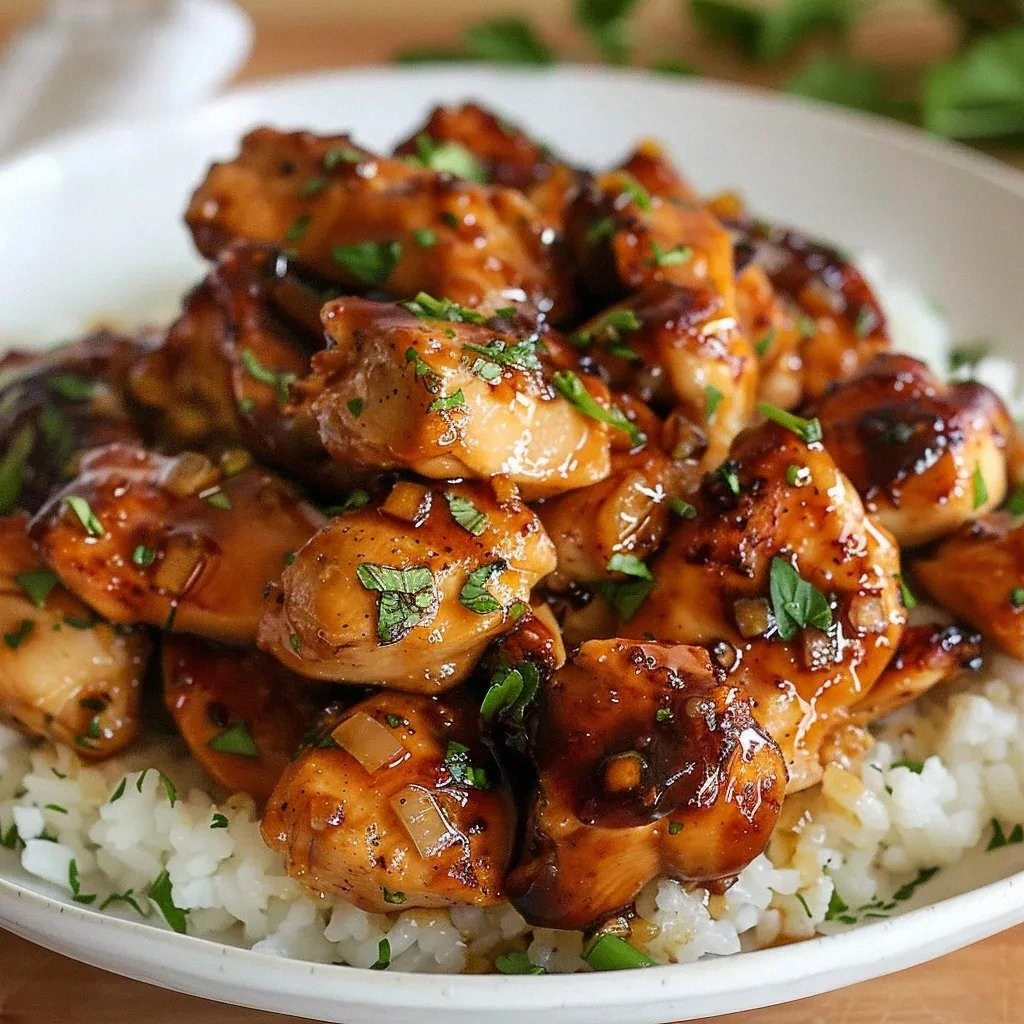
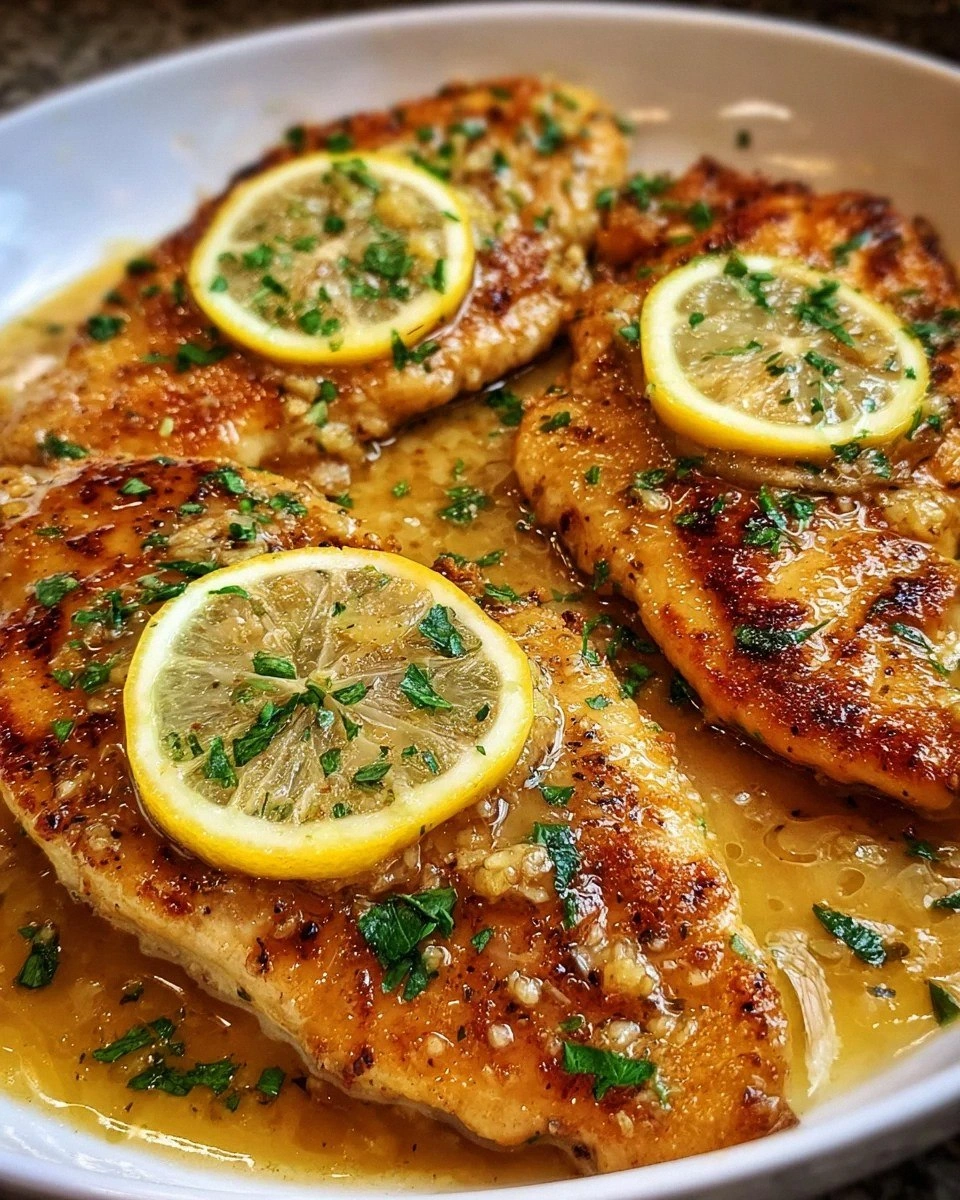
Watch Out: Adding the cheese too early can cause it to clump; add it right at the end for a smooth finish.Plate the chicken on a warm serving dish, drizzle the remaining sauce over the top, and arrange the lemon slices artfully around the edges. The final visual should be a glossy, golden‑brown chicken speckled with bright lemon wheels and a sprinkle of green. Serve immediately with a side of buttery rice or crisp green beans, and watch your guests' eyes widen in anticipation.
That’s it — you did it. But hold on, I’ve got a few more tricks that’ll take this to another level. Stay with me here — this is worth it.
Insider Tricks for Flawless Results
The Temperature Rule Nobody Follows
Never cook chicken over high heat for the entire time; start hot to sear, then drop to medium‑low for the sauce. This prevents the crust from burning while allowing the interior to stay juicy. A friend once kept the flame at max, and the chicken turned black on the outside while remaining pink inside — a culinary tragedy.
Why Your Nose Knows Best
When the sauce starts to emit a fragrant lemon‑butter perfume, that’s your cue that it’s reaching the perfect reduction. Trust the aroma more than the clock; the scent is a reliable indicator that the flavors have melded. If you’re uncertain, dip a spoon; the sauce should coat it and linger without sliding off.
The 5‑Minute Rest That Changes Everything
After removing the chicken from the pan, let it rest for five minutes before slicing. This short pause lets the juices redistribute, ensuring every bite is moist. Skipping this step leads to a dry plate and a disappointed palate.
Butter‑Boost Technique
Finish the sauce with a cold knob of butter, whisked in at the very end. This “mounting” technique creates a glossy, velvety finish that feels luxurious on the tongue. If you omit this, the sauce may look thin and lack that signature silkiness.
Seasoning Layers for Depth
Season each component individually: the flour, the chicken, and the sauce. This layered approach builds complexity without overwhelming any single element. One time I only salted the chicken; the final dish tasted flat, teaching me the value of seasoning at every stage.
Creative Twists and Variations
This recipe is a playground. Here are some of my favorite ways to switch things up:
Herb‑Infused Butter
Swap plain butter for a mixture of butter, thyme, and rosemary. The herbaceous notes add an earthy depth that pairs beautifully with the lemon. Great for a rustic, countryside vibe.
Spicy Kick
Add a pinch of red pepper flakes to the flour coating and a splash of hot sauce to the broth. The heat balances the citrus, creating a bold, exciting flavor profile. Perfect for those who like a little fire.
Creamy Variation
Stir in a quarter cup of heavy cream after the broth reduction. The sauce becomes richer and more indulgent, reminiscent of a classic Italian butter sauce. Serve with a side of angel hair pasta to soak up the extra cream.
Capers & Anchovies
Introduce a tablespoon of capers and a few chopped anchovies to the sauce for a briny, umami boost. This Mediterranean twist adds complexity and a pleasant salty bite. Pair with a crisp white wine for a harmonious match.
Gluten‑Free Adaptation
Replace the all‑purpose flour with a gluten‑free blend or almond flour. The texture will be slightly different but still delightfully crisp. Just be mindful that almond flour browns faster, so keep an eye on the heat.
Vegetarian “Chicken”
Use thick slices of cauliflower or firm tofu, following the same dredging and frying steps. The lemon‑butter sauce clings beautifully, offering a plant‑based version that doesn’t skimp on flavor. Serve with a quinoa pilaf for a complete meal.
Storing and Bringing It Back to Life
Fridge Storage
Place any leftovers in an airtight container and refrigerate for up to three days. The sauce may thicken as it cools; gently reheat on the stovetop with a splash of chicken broth or water to restore its silky texture.
Freezer Friendly
Separate the chicken from the sauce before freezing. Store the chicken pieces in a zip‑top bag and the sauce in a freezer‑safe container. They’ll keep for up to two months. When ready, thaw overnight in the fridge, then reheat the sauce and briefly pan‑sear the chicken to revive the crust.
Best Reheating Method
Reheat on the stovetop over low heat, adding a teaspoon of water or broth per serving to steam the chicken back to perfection. Avoid the microwave; it will make the crust soggy and the sauce rubbery. A quick 2‑minute finish in a hot pan will bring back that glorious crunch.