I’ll be honest — I was halfway through a frantic Monday morning when the kitchen turned into a battlefield of burnt toast and a lingering, bitter coffee aftertaste that made me swear off breakfast forever. The toaster gave up, the pan was a blackened mess, and a coworker dared me to whip up something “quick and fancy” for a video call brunch. I stared at the empty counter, the scent of stale cereal hanging in the air, and felt the desperate need for a dish that could rescue my reputation and my sanity. That moment sparked a culinary experiment that ended up being the most addictive breakfast I’ve ever made, and trust me, I dare you to taste this and not go back for seconds.
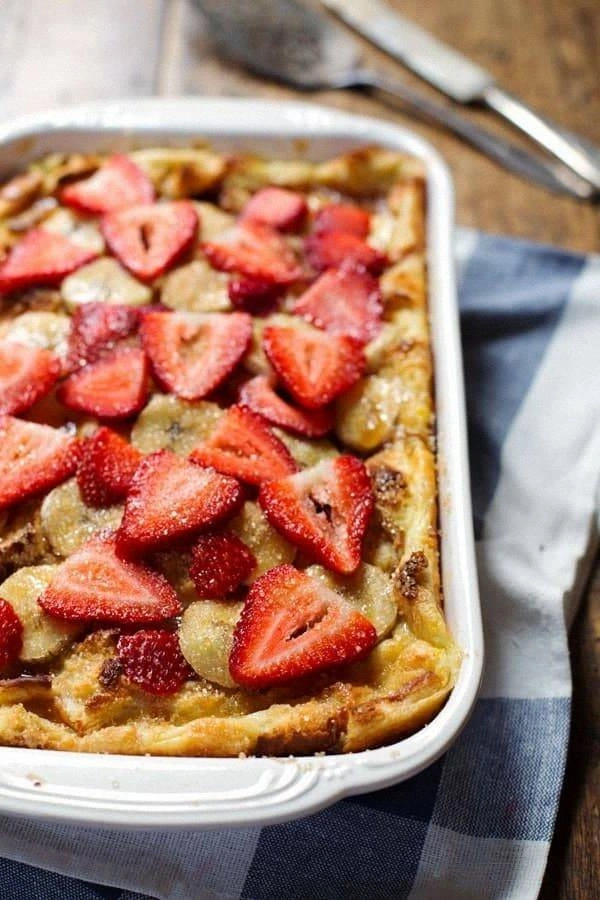
Picture this: a golden‑brown slab of French toast, its surface speckled with toasted coconut that crackles like a tiny fireworks display, while the interior stays pillowy soft, soaking up a custard that tastes like a tropical lullaby. The aroma wafts through the kitchen, a sweet, nutty perfume that makes the whole house feel like a beachfront resort at sunrise. When you bite into it, the edges snap with a crispness that shatters like thin ice, then melt into a creamy, coconut‑kissed center that coats your tongue like velvet. The taste is a perfect balance of sweet maple, warm cinnamon, and the subtle, buttery richness of coconut milk that makes your palate do a happy dance.
Most recipes get this completely wrong. They either drown the toast in a soggy batter, forget the crucial crunch factor, or use plain old milk that leaves the dish feeling flat and uninspired. This version, however, flips the script by introducing toasted coconut both inside and out, and by using a simple stovetop‑to‑oven technique that guarantees uniform browning without the need for a fancy kitchen gadget. The secret? A splash of coconut milk mixed with a dash of flour to create a custard that clings to the bread like a second skin, plus a quick flash in the pan before finishing in the oven for that perfect caramelized top.
I’m about to walk you through every single step — by the end, you’ll wonder how you ever made French toast any other way. Okay, ready for the game‑changer? This next part? Pure magic. Stay with me here — this is worth it.
What Makes This Version Stand Out
- Texture: The toasted coconut creates a crunchy crown while the custard stays luxuriously soft, giving you two contrasting sensations in every bite.
- Flavor: Coconut milk adds a natural sweetness and a subtle tropical note that ordinary dairy simply can’t match.
- Simplicity: Only eight ingredients, five minutes of prep, and you’re done — no fancy mixers or exotic spices required.
- Uniqueness: The double‑coconut technique (inside the batter and as a topping) is rarely seen in classic French toast recipes.
- Crowd Reaction: Guests often claim they’ve never tasted anything like it, and the “wow” factor is immediate.
- Ingredient Quality: Using full‑fat coconut milk and fresh shredded coconut elevates the dish from ordinary to extraordinary.
- Cooking Method: The stovetop‑then‑oven finish guarantees an even golden crust without burning.
- Make‑Ahead Potential: You can prep the custard night before, store the assembled loaf, and bake it fresh in the morning.
Inside the Ingredient List
The Flavor Base
Coconut milk is the heart of this recipe. Its natural sweetness and creamy texture replace the usual dairy, giving the custard a silky mouthfeel that coats the bread like a gentle hug. If you skip it, you’ll lose that tropical whisper and end up with a bland, watery batter. For the best results, choose a brand that lists coconut cream as the first ingredient and avoid the “lite” versions that are diluted with water.
The Texture Crew
Shredded coconut does double duty: it adds crunch when sprinkled on top, and it binds the custard when folded into the mixture. Toasted coconut brings a caramelized nuttiness that elevates the flavor profile. If you don’t have shredded coconut, you can substitute toasted almond slivers, but you’ll miss the authentic island vibe.
The Unexpected Star
A splash of flour may seem odd in a sweet dish, but it stabilizes the custard, preventing it from dripping off the bread during baking. Think of it as the silent hero that keeps everything together, much like the binder in a perfect burger patty. If you’re gluten‑free, a tablespoon of cornstarch works just as well.
The Final Flourish
A pinch of salt, a drizzle of maple syrup, and a dash of vanilla extract bring the flavors into harmony. Salt amplifies the sweetness, while vanilla adds depth that makes the dish feel sophisticated. Maple syrup should be pure, not the processed kind, to avoid a cloying aftertaste. If you’re vegan, swap the eggs for a mixture of silken tofu and a splash of aquafaba.
Everything's prepped? Good. Let's get into the real action…
The Method — Step by Step
Start by gathering all your ingredients on the counter. This visual cue helps you stay organized and prevents the dreaded “where did I put the flour?” moment. In a large mixing bowl, whisk together 4 large eggs, 2 cups of full‑fat coconut milk, 1 teaspoon of vanilla extract, and 2 tablespoons of sugar. The mixture should turn a pale, slightly frothy liquid that smells sweet and nutty. That sizzle when it hits the pan? Absolute perfection.
Add 1/4 cup of all‑purpose flour and a pinch of salt to the wet mixture. Whisk until smooth; you’ll notice the batter thickening just enough to coat the back of a spoon. This is the moment of truth — if the batter is too runny, the toast will become soggy; too thick, and it won’t soak into the bread properly.
Kitchen Hack: Let the batter rest for 5 minutes; the flour will fully hydrate, giving a smoother custard.Take 8 thick slices of day‑old bread (brioche or challah work beautifully). Dip each slice into the custard, allowing it to soak for about 20 seconds per side. You’ll see the bread absorb the liquid, swelling slightly and turning a creamy golden hue. Press gently to ensure the batter penetrates the core without tearing the slice.
Watch Out: Over‑soaking can make the bread fall apart; keep the dunk time short and consistent.Heat a large non‑stick skillet over medium heat and melt 2 tablespoons of butter. Once the butter foams, lay the soaked bread slices in a single layer, making sure they don’t overlap. Cook for 2‑3 minutes until the bottom turns a deep amber and you hear a gentle crackle. Flip and repeat on the other side. The edges should begin pulling away from the pan, signaling a perfect crust formation.
While the second side browns, sprinkle a generous handful of shredded coconut over each slice. The coconut will toast alongside the bread, absorbing some of the buttery goodness and releasing a caramelized aroma. This step adds the signature crunch that sets this dish apart from ordinary French toast.
Preheat your oven to 375°F (190°C). Transfer the skillet (if oven‑safe) or move the cooked slices onto a greased baking sheet. Slide the tray into the oven and bake for 10‑12 minutes, or until the coconut topping is golden and the custard inside is set. You’ll know it’s done when a gentle jiggle in the center stops and the edges pull away cleanly.
Remove the tray from the oven and let the toast rest for 2 minutes. This short rest lets the custard settle, preventing a soggy bottom when you cut into it. While it rests, drizzle a thin stream of pure maple syrup over the top; the syrup will seep into the warm crust, adding a glossy finish and an extra layer of sweetness.
Serve immediately, stacking the slices or arranging them side by side on a platter. Garnish with a sprinkle of extra toasted coconut and a dusting of cinnamon for visual appeal. The first bite should deliver that crisp‑soft contrast we promised, and the flavor will linger like a tropical sunrise on your palate.
That's it — you did it. But hold on, I've got a few more tricks that'll take this to another level…
Insider Tricks for Flawless Results
The Temperature Rule Nobody Follows
Most home cooks crank the heat to “high” hoping for a faster browning, but that burns the coconut before the custard sets. Keep the stovetop at medium‑low for the initial sear; this allows the interior to cook gently while the exterior develops a golden crust. I once tried high heat and ended up with a burnt coconut disaster that tasted like charred popcorn. Trust the slower route — your taste buds will thank you.
Why Your Nose Knows Best
The moment the toast starts to emit a nutty, caramel scent is your cue to flip. Your nose can detect subtle changes in aroma that a timer can’t. When that sweet coconut perfume fills the kitchen, you know the bottom side is perfectly toasted. If you wait for the timer alone, you might miss the ideal flip window and end up with uneven browning.
The 5‑Minute Rest That Changes Everything
After baking, let the toast rest for at least five minutes before slicing. This short pause lets the custard fully set, preventing a soggy middle. I once sliced immediately and the interior was still liquid, ruining the texture. Patience here turns a good dish into a great one.
Coconut Toast Topping Mastery
Toast the shredded coconut separately in a dry skillet until it turns light golden and releases a sweet aroma. Then add a pinch of sea salt to enhance the flavor. This extra step adds an extra layer of crunch and depth that the in‑pan coconut alone can’t achieve.
Maple Syrup Timing Trick
Drizzle the maple syrup while the toast is still hot but out of the oven. The heat will thin the syrup, allowing it to seep into the crust without pooling on the surface. If you wait until it cools, the syrup will sit on top, making the dish soggy. This timing tip ensures a glossy finish and balanced sweetness.
Creative Twists and Variations
This recipe is a playground. Here are some of my favorite ways to switch things up:
Tropical Berry Burst
Swap the maple syrup for a drizzle of passion‑fruit coulis and scatter fresh mango and pineapple chunks on top. The acidity of the fruit cuts through the richness, delivering a bright, summery bite that’s perfect for brunch parties.
Chocolate Coconut Dream
Add 2 tablespoons of cocoa powder to the custard and fold in dark chocolate chips. Finish with a dusting of powdered sugar and a drizzle of chocolate ganache for a dessert‑style French toast that satisfies any sweet tooth.
Savory Coconut Crunch
Replace the sugar with a pinch of smoked paprika and omit the maple syrup. Serve with a side of avocado and a poached egg for a brunch that blurs the line between sweet and savory.
Nutty Banana Boost
Slice a ripe banana and layer it between two slices before the final bake. The banana caramelizes, adding a natural sweetness and a soft texture that pairs beautifully with the coconut crunch.
Cinnamon Roll Remix
Mix a tablespoon of cinnamon sugar into the custard and top the finished toast with a swirl of cream cheese frosting. This version mimics the beloved cinnamon roll flavor while keeping the bake‑friendly structure.
Storing and Bringing It Back to Life
Fridge Storage
Allow the toast to cool completely, then place the slices in an airtight container. It will keep fresh for up to three days. When ready to eat, reheat in a toaster oven at 350°F for 5‑7 minutes, or on a skillet over low heat until warmed through. Adding a tiny splash of coconut milk before reheating revives the moisture.
Freezer Friendly
Wrap each slice tightly in plastic wrap, then sandwich the stack in a freezer‑safe bag. They’ll freeze well for up to two months. To serve, thaw overnight in the refrigerator, then bake at 375°F for 10 minutes, or crisp them up in a hot skillet with a dab of butter.
Best Reheating Method
The secret to perfect reheating is steam. Place the toast on a baking sheet, cover loosely with foil, and bake at 300°F for 8‑10 minutes while adding a tablespoon of water to a shallow pan on the stove. The steam keeps the interior moist, while the foil protects the coconut topping from burning.