I was standing in my kitchen, staring at a busted can of strawberry jam that had somehow turned into a glittering mess of gelatinous blobs. The smell? A sweet, burnt nightmare that made me swear off store‑bought spreads forever. In a moment of desperation (and a dash of reckless optimism), I grabbed a bag of frozen blueberries, a handful of fresh raspberries, and a jar of chia seeds that I’d been saving for “something fancy”. I tossed them together, added a splash of lemon, and let the whole chaos simmer. The result? A jam so vibrant it practically sang, and I was instantly certain this would become my go‑to fridge staple.
Picture the kitchen: the countertop is a rainbow of crushed berries, the stainless steel pot humming as the fruit releases its juices, and a faint citrus perfume curling around the room like a promise. You hear the gentle pop of bubbles, see the deepening ruby‑purple hue, and feel the heat radiating from the stovetop, coaxing the sugars into a glossy glaze. When you finally spoon the jam onto a warm biscuit, the texture is silk‑smooth with tiny, burst‑like pockets of fruit that explode like fireworks in your mouth. The taste? A perfect balance of sweet, tart, and a whisper of earthiness that makes you close your eyes and sigh.
What makes this version truly stand out is the secret weapon I’m about to reveal: chia seeds. Most refrigerator jams rely on pectin or endless simmering, but chia seeds gelatinize the mixture in minutes, locking in those fresh‑fruit flavors without turning the jam into a gummy mess. Plus, they add a subtle nutty undertone that elevates the overall profile. I’ll also be using a splash of high‑quality lemon juice to brighten the palate and a pinch of sea salt to bring out every berry’s natural sweetness. Trust me, this is hands down the best version you’ll ever make at home.
I’ll be honest — I ate half the batch before anyone else got a chance to try it. I dare you to taste this and not go back for seconds; the jam sticks to the spoon like velvet, and the aftertaste lingers like a summer sunset. Most recipes get the texture wrong, ending up either runny or rock‑hard. Here’s what actually works: a quick boil, a splash of lemon, and the magic of chia. Okay, ready for the game‑changer? Let me walk you through every single step — by the end, you’ll wonder how you ever made it any other way.
What Makes This Version Stand Out
- Taste: The trio of berries delivers a layered flavor profile — strawberries bring classic sweetness, blueberries add depth, and raspberries contribute a bright acidity that keeps the palate intrigued.
- Texture: Chia seeds create a luscious, spreadable consistency without the gummy bite that traditional pectin can cause, making each spoonful feel like a silk‑smooth kiss.
- Simplicity: No complicated stovetop tricks, no need for a candy thermometer; just a pot, a timer, and a handful of pantry staples.
- Uniqueness: The chia‑seed thickening method is a modern twist that keeps the jam fresh for weeks without the need for a canning process.
- Crowd Reaction: Guests ask, “What’s in this?” and you get to brag about the secret chia‑seed boost — it’s an instant conversation starter.
- Ingredient Quality: Using fresh (or high‑quality frozen) berries preserves natural aromatics, while a good lemon juice adds brightness without artificial flavor.
- Cooking Method: A brief simmer preserves the fruit’s integrity, preventing the bitterness that comes from over‑cooking.
- Make‑Ahead Potential: This jam stores beautifully in the fridge for up to three weeks, and the flavor actually mellows and improves over time.
Inside the Ingredient List
The Flavor Base
Strawberries, blueberries, and raspberries form the heart of this jam. Strawberries (2 cups, halved) bring a familiar sweetness that most people associate with jam, acting as the foundation. Blueberries (1 cup) add a subtle earthiness and a gorgeous deep‑purple hue that makes the jam look as good as it tastes. Raspberries (1 cup) are the wild card — their tartness cuts through the sugar and prevents the jam from becoming cloyingly sweet. If you skip any of these, the jam loses its complex flavor pyramid; you’ll end up with a one‑note spread that feels flat.
The Sweetening Crew
Granulated sugar (1/2 cup) is the classic sweetener that also helps the jam set. I recommend using fine sugar because it dissolves faster, ensuring a smooth texture. For a healthier twist, you can substitute half the sugar with coconut sugar, which adds a caramel undertone. Remember, the sugar isn’t just for sweetness — it draws out the fruit’s juices, creating that glossy, syrupy finish we all adore.
The Unexpected Star
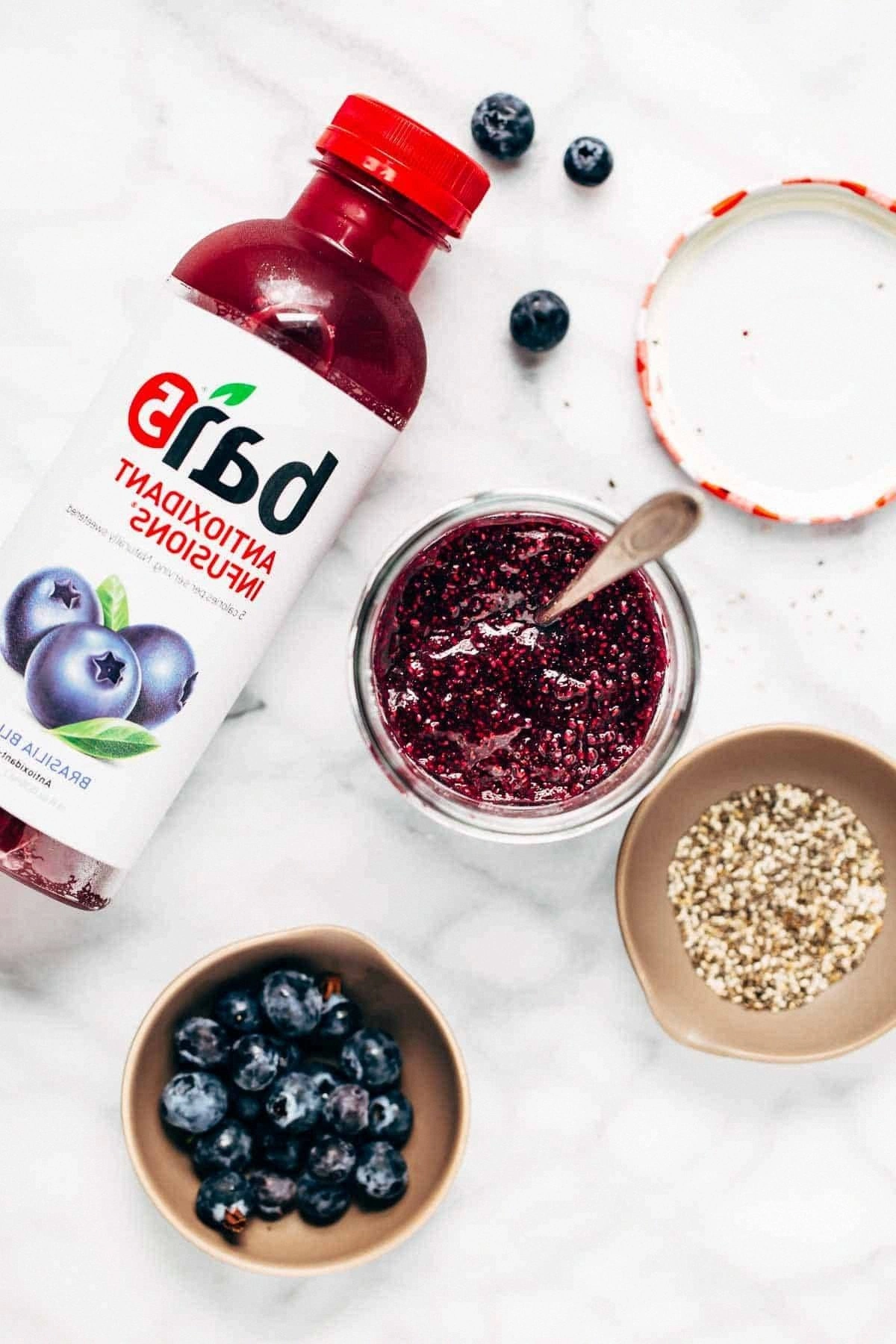
Chia seeds (2 tablespoons) are the secret weapon. When they meet liquid, they swell and create a gel that mimics the effect of traditional pectin without the extra cooking time. This means you preserve more of the fresh berry flavor. If you’re allergic to seeds, you can swap with ground flaxseed, but the texture will be slightly grainier. One extra tip: toast the chia seeds lightly in a dry pan for 30 seconds — it brings out a nutty aroma that deepens the jam’s overall profile.
The Final Flourish
Fresh lemon juice (2 tablespoons) brightens the jam, balancing the sweetness and enhancing the natural fruit flavors. A pinch of sea salt (just a pinch) is the unsung hero; it amplifies the berries’ inherent sweetness and rounds out the overall taste. Finally, a splash of vanilla extract (½ teaspoon) is optional but adds a warm, comforting backdrop that makes the jam feel like a hug in a jar. Skipping the lemon will leave the jam tasting flat, while omitting the salt will make it taste one‑dimensional.
Everything’s prepped? Good. Let’s get into the real action…
The Method — Step by Step
Gather your berries and give them a quick rinse. Pat them dry with a clean kitchen towel — you don’t want excess water diluting the jam. Toss the strawberries, blueberries, and raspberries into a large, heavy‑bottomed saucepan. This is the moment where the kitchen fills with a fragrant, fruity perfume that makes you want to hug the pot.
Add the granulated sugar and lemon juice to the pot. Stir gently with a wooden spoon, letting the sugar begin to dissolve. As the mixture starts to bubble, you’ll notice the berries releasing their juices, turning the liquid a deep magenta. That sizzle when it hits the pan? Absolute perfection.
Kitchen Hack: Sprinkle the sugar evenly before turning on the heat; it prevents the berries from scorching while the sugar melts.Turn the heat to medium‑high and bring the mixture to a gentle boil. Once boiling, reduce to a simmer and let it cook for about 8‑10 minutes. You’ll see the berries start to break down, their skins popping like tiny fireworks. The jam should begin to thicken, and the edges of the pot will start to pull away faintly — that’s your visual cue that the water is evaporating.
Now, the crucial step: sprinkle the chia seeds over the simmering fruit. Stir quickly to distribute them evenly. The chia will start to puff up almost instantly, forming a gel that traps the fruit’s juices. This is pure magic, and you’ll notice the jam thickening faster than a traditional pectin jam.
Watch Out: If you add the chia too early, it can absorb too much liquid and turn the jam gummy. Add it at the very end of the simmer.Remove the pot from heat and let the jam rest for 5 minutes. During this pause, the chia continues to set, and the jam reaches a spreadable consistency. Taste a spoonful — you should detect a balanced sweet‑tart profile with a hint of lemon brightness. If it feels too runny, give it another minute; if it’s too thick, stir in a teaspoon of water.
Optional but highly recommended: stir in the vanilla extract now. This adds a subtle warmth that rounds out the berry punch. Then, give the jam a final stir to ensure everything is evenly incorporated.
Transfer the jam into clean, sterilized glass jars. I like to use 8‑ounce mason jars because they fit perfectly in my fridge door. Seal them with a lid, let them cool to room temperature, then pop them into the refrigerator. The jam will keep for up to three weeks, and the flavors will deepen as it sits.
And now the fun part: spread a generous dollop on toast, swirl it into yogurt, or use it as a glaze for grilled pork chops. The jam’s versatility is one of its strongest suits — it’s sweet enough for breakfast, yet robust enough for a savory finish.
That's it — you did it. But hold on, I've got a few more tricks that'll take this to another level…
Insider Tricks for Flawless Results
The Temperature Rule Nobody Follows
Most home cooks think “just simmer” is enough, but the key is to keep the pot at a steady 185°F (85°C) once it reaches a boil. Use an instant‑read thermometer to monitor; this prevents the sugars from caramelizing too hard, which can introduce a bitter note. I once let the jam scorch and ended up with a jam that tasted like burnt sugar — a disaster that taught me the value of precise heat control.
Why Your Nose Knows Best
Your sense of smell is a more reliable indicator than a timer. When the jam starts to emit a fragrant, slightly caramelized aroma, you’re near the perfect consistency. If you still smell raw fruit, keep simmering a couple more minutes. Trusting your nose saved me from under‑cooking the jam on a rainy afternoon when I was distracted by a phone call.
The 5‑Minute Rest That Changes Everything
Allowing the jam to sit off‑heat for five minutes lets the chia fully hydrate and the flavors meld. Skipping this rest results in a jam that feels a bit “wet” on the palate. I once poured the jam straight into jars and found it too runny; a quick five‑minute pause would have solved that.
Seal the Deal with Sterilized Jars
Even though this is a refrigerator jam, using sterilized jars extends shelf life and prevents off‑flavors. Boil the jars for 10 minutes or run them through a dishwasher’s high‑heat cycle. A friend once stored jam in a non‑sterile jar and discovered a funky smell after a week — lesson learned.
The “Salt‑First” Trick
Add a pinch of sea salt at the very start, before the berries hit the heat. The salt dissolves early, ensuring it integrates fully and enhances the natural sweetness of each berry. Skipping this step can leave the jam tasting flat, especially when using less sugar.
Creative Twists and Variations
This recipe is a playground. Here are some of my favorite ways to switch things up:
Spiced Autumn Berry
Add a pinch of ground cinnamon and a dash of nutmeg during the simmer. The warm spices complement the berries, turning the jam into a cozy fall treat that pairs beautifully with oatmeal or warm scones.
Tropical Fusion
Swap half the blueberries for diced mango and add a splash of coconut milk at the end. The result is a bright, exotic jam that shines on grilled fish tacos or as a dip for plantain chips.
Heat‑Lover’s Kick
Stir in a finely chopped jalapeño (seeds removed) with the berries. The subtle heat creates a sweet‑spicy contrast that works wonders on cheese boards and as a glaze for roasted chicken.
Nutty Crunch
Fold in toasted almond slivers right after the jam cools. The almonds add a crunchy texture that contrasts the silky jam, perfect for topping desserts like panna cotta.
Low‑Sugar Delight
Replace half the sugar with erythritol or monk fruit sweetener. The jam retains its natural fruit sweetness while cutting down on added sugars, ideal for a health‑conscious crowd.
Storing and Bringing It Back to Life
Fridge Storage
Keep the jam in clean, airtight glass jars in the refrigerator. It stays fresh for up to three weeks. For best flavor, let the jam sit for at least 24 hours before the first use — the chia continues to set, and the flavors meld.
Freezer Friendly
If you’ve made a big batch, portion the jam into silicone ice‑cube trays, freeze, then transfer the cubes to a zip‑top bag. Frozen jam retains its texture and flavor for up to six months. Thaw a cube in the microwave for 20 seconds, stir, and you have a ready‑to‑spread portion.
Best Reheating Method
When you need to warm the jam, place the desired amount in a small saucepan over low heat, adding a splash of water (about a teaspoon per tablespoon of jam). The water creates steam, reviving the jam’s glossy texture without breaking down the chia gel. Stir constantly and you’ll have a perfectly smooth spread in under a minute.