I was in a culinary crisis last week, staring at a pot of overcooked pasta and a pantry that looked more like a mystery box than a kitchen. The clock was ticking, the clock was ticking, and I was about to make a sad, dry noodle dish that would make my guests question my culinary credibility. I knew I needed a rescue, and I had to do it fast. That night, I dared myself to turn a simple bowl of tomato sauce into something that would make my taste buds do the salsa while the clock spun like a disco ball.
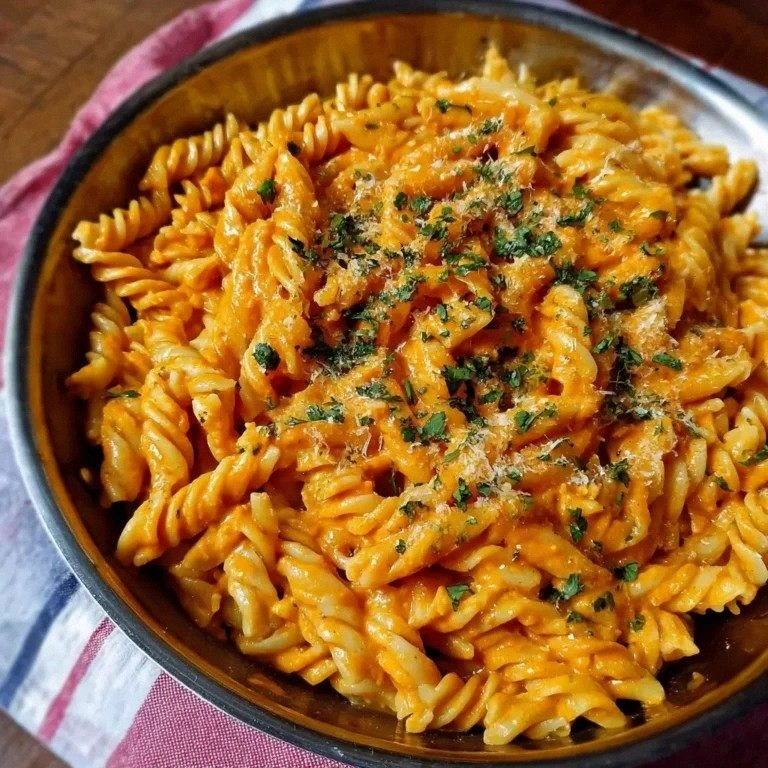
Picture this: a sizzling pan, garlic turning a golden amber, the scent of tomatoes dancing with the sharp, earthy aroma of basil. The sound of the sauce bubbling is like a choir of tiny fireworks. The first bite hits with a velvety coating of cream that wraps the pasta like a warm hug, while the tomato undertone keeps it grounded and bright. The finish? A lingering, buttery finish that makes you want to reach for more, even though you know you already have enough.
This isn’t just another pasta recipe. It’s a secret weapon in your culinary arsenal, a dish that can be whipped up in fifteen minutes but feels like it took a full day of careful crafting. The sauce’s richness comes from a carefully balanced blend of cream, Parmesan, and a splash of pasta water that creates a silky emulsion. The fresh basil isn’t just garnish; it’s a flavor punch that cuts through the heaviness of the cream, giving the dish a lively, almost rebellious edge.
And here’s the kicker—this version uses a trick that most recipes overlook: the “cream‑tomato emulsion” technique. By whisking the cream into the tomatoes before adding the pasta, you create a sauce that clings to every noodle strand, preventing clumping and ensuring that each forkful is a masterpiece. I dare you to taste this and not go back for seconds.
If you’ve ever struggled to make a pasta that feels both indulgent and fresh, you’re not alone. I’ll be honest—I ate half the batch before anyone else got to try it. Most recipes get this completely wrong, but here’s what actually works. Picture yourself pulling this out of the pan, the whole kitchen smelling incredible, the sound of a satisfied sigh from the first bite. Stay with me here—this is worth it.
What Makes This Version Stand Out
- Flavor: The sauce marries sweet tomatoes with creamy richness, balanced by basil’s herbal brightness and a whisper of heat from red pepper flakes.
- Texture: The emulsion technique ensures a silky coating that lingers on every noodle, avoiding the clumpy, greasy feel of many quick sauces.
- Speed: With a prep time of 10 minutes and a cook time of 15 minutes, you can have a gourmet dinner on the table before your guests even notice you’re in the kitchen.
- Ingredient Quality: Using whole peeled tomatoes and fresh basil elevates the dish from ordinary to extraordinary.
- Versatility: It’s a base you can remix—add chicken, shrimp, or mushrooms for protein, or swap cream for Greek yogurt for a lighter version.
- Crowd‑Pleaser: The comforting, velvety sauce turns even the most skeptical eaters into pasta evangelists.
- Make‑Ahead Potential: The sauce can be made a day ahead, stored in the fridge, and reheated with a splash of pasta water for the same silky finish.
- Presentation: A simple swirl of basil and a dusting of Parmesan makes it Instagram‑ready in seconds.
Inside the Ingredient List
The Flavor Base
The heart of this dish starts with a generous splash of olive oil, which creates a silky canvas for the garlic to work its aromatic magic. The garlic, when sautéed just until fragrant, releases a sweet, nutty flavor that grounds the bright acidity of the tomatoes. Skipping the oil will leave the sauce dry and clunky, while over‑sautéing the garlic will give you a bitter note that ruins the harmony.
The canned whole peeled tomatoes are the backbone of the sauce. Crush them by hand or with a blender to achieve a smooth yet slightly chunky texture. If you prefer a purée, use a hand‑held immersion blender directly in the pot. The tomatoes’ natural sugars caramelize slightly during cooking, adding depth.
The Creamy Element
Heavy cream is the secret to the sauce’s luxurious mouthfeel. It adds richness without overwhelming the tomato’s bright character. If you’re looking for a lighter version, swap the cream for Greek yogurt or a splash of milk, but be sure to whisk it into the tomatoes first to avoid curdling.
The Parmesan cheese not only contributes protein but also introduces a nutty, umami layer that balances the acidity. Grate it finely so it melts quickly and integrates smoothly. Without it, the sauce would feel flat and one‑dimensional.
The Fresh Finish
Fresh basil is the finishing touch that adds a burst of herbal freshness. Chop it finely to release essential oils, and stir it in at the last moment to preserve its bright color and flavor. If basil isn’t in season, you can use dried basil, but the flavor will be muted.
A pinch of salt and pepper bring the dish together, while a dash of red pepper flakes gives a subtle heat that awakens the palate. If you’re watching sodium, reduce the salt and rely on the Parmesan for saltiness.
Everything’s prepped? Good. Let’s get into the real action.
The Method — Step by Step
- Bring a large pot of salted water to a rolling boil and cook the pasta according to the package directions until al dente, about 9–10 minutes. Reserve a cup of pasta water before draining. The al dente bite is essential; otherwise, the noodles will become mushy when coated with sauce.
- While the pasta cooks, heat the olive oil in a large skillet over medium heat. Add the minced garlic and sauté until golden and fragrant, about 30 seconds to 1 minute. Watch the color closely—once it turns golden, the garlic is ready and will not burn.
- Add the crushed tomatoes to the skillet and stir to combine with the garlic‑oil mixture. Let the tomatoes simmer for 5 minutes, allowing the flavors to meld. The sauce should develop a slight thickness and a rich aroma that makes the kitchen smell like a trattoria.
- Whisk the heavy cream into the tomato mixture, then reduce the heat to low. This is the moment of truth—ensure the sauce doesn’t come to a full boil, as that could cause the cream to separate. The sauce should look glossy and silky, with the cream fully incorporated.
- Add the drained pasta to the sauce and toss vigorously, ensuring every strand is coated. If the sauce appears too thick, add a splash of the reserved pasta water to loosen it. The starch in the water helps the sauce cling to the noodles.
- Stir in the grated Parmesan, fresh basil, red pepper flakes, salt, and pepper. Taste and adjust seasonings as needed. The Parmesan will melt into the sauce, thickening it slightly and adding a nutty depth.
- Serve immediately, garnished with extra basil leaves and a dusting of Parmesan if desired. The dish is best enjoyed hot, when the sauce is at its silkiest and the pasta is at its most al dente.
That’s it—you did it. But hold on, I’ve got a few more tricks that will take this to another level.
Insider Tricks for Flawless Results
The Temperature Rule Nobody Follows
Keep the sauce on low heat after adding the cream. A gentle simmer prevents the dairy from curdling and allows the flavors to marry. I once left the sauce on medium and it separated like a bad relationship—don’t let that happen to you.
Why Your Nose Knows Best
Smell the sauce as it simmers. A bright, tomato‑y scent indicates the tomatoes have released their sugars. If it smells flat or overly acidic, let it cook a few more minutes or add a pinch of sugar to balance.
The 5‑Minute Rest That Changes Everything
Let the pasta sit in the sauce for 5 minutes off the heat before serving. This short rest allows the noodles to absorb the sauce fully, creating a more cohesive bite. I’ve seen people skip this step and the result is a dish that feels like it’s still drying.
Use Pasta Water Wisely
The starchy pasta water is your secret weapon for achieving the perfect sauce consistency. Add it gradually until you reach the desired thickness. It also helps the sauce cling to the noodles, preventing a greasy film.
The Final Parmesan Touch
Grate Parmesan right before serving. Freshly grated cheese melts faster and has a brighter flavor than pre‑grated. The extra Parmesan on top is the visual cue that this dish is ready to be devoured.
Creative Twists and Variations
This recipe is a playground. Here are some of my favorite ways to switch things up:
Chicken Alfredo Twist
Add diced cooked chicken breast to the sauce for a protein boost. The chicken absorbs the creamy tomato flavor, turning the dish into a hearty main. It’s perfect for a family dinner when you want something filling.
Vegan Delight
Swap the heavy cream for coconut milk and use nutritional yeast in place of Parmesan. The coconut milk adds a subtle sweetness, while the nutritional yeast delivers a cheesy, umami flavor without dairy.
Pesto Fusion
Stir in a spoonful of basil pesto after the pasta is tossed. The pesto adds a deep, herbaceous depth that complements the tomato‑cream base and gives the dish an Italian street‑food vibe.
Seafood Splash
Sauté shrimp or scallops in the garlic‑oil mixture before adding the tomatoes. The seafood will cook quickly, and the sauce will carry their sweet, briny flavor. This version is a quick weeknight dinner that feels luxurious.
Mushroom Medley
Sauté sliced mushrooms with the garlic until they’re caramelized. The earthy mushrooms pair beautifully with the tomato cream, creating a comforting, umami‑rich dish that’s great for fall.
Storing and Bringing It Back to Life
Fridge Storage
Cool the sauce completely, then transfer it to an airtight container. Store in the refrigerator for up to 3 days. When reheating, add a splash of pasta water or a little milk to restore its silky texture.
Freezer Friendly
Freeze the sauce in a freezer‑safe container for up to 2 months. Thaw overnight in the refrigerator and reheat gently on low heat, adding a bit of water if needed to loosen the sauce.
Best Reheating Method
Reheat over low heat, stirring frequently. Add a tiny splash of water before reheating—it steams back to perfection, preventing the sauce from drying out or separating.