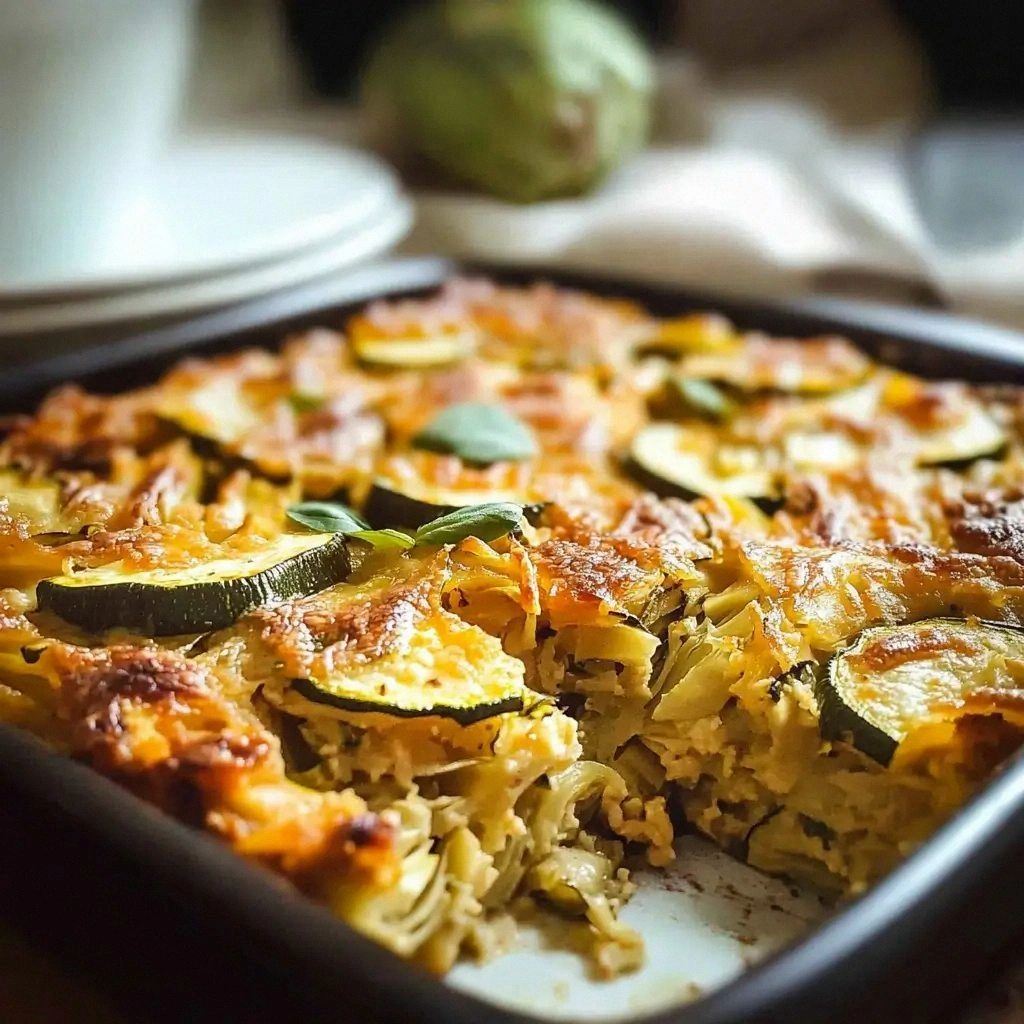
I remember the night I tried to impress my friends with a fancy dinner and ended up with a kitchen that smelled like burnt onions and a pan of soggy pork chops. That disaster taught me that the secret to a show‑stopping dish lies in the crust, not the filling. When I finally found the perfect combination of Parmesan, breadcrumbs, and herbs, the moment my chops hit the pan, the sizzle sounded like applause and the aroma flooded the room. It was the kind of instant gratification that makes you want to share every detail of the recipe with anyone who will listen. Let me walk you through every single step — by the end, you'll wonder how you ever made it any other way.
Picture yourself pulling these chops out of the oven, the whole kitchen smelling incredible, and your guests gasping as the golden crust cracks open to reveal tender, juicy meat. I dare you to taste this and not go back for seconds. The crust is so crisp that it shatters like thin ice, while the interior remains moist and flavorful. The Parmesan adds a salty, nutty finish that balances the mild pork, and the garlic and thyme give it a savory punch that lingers on the palate. This version is hands down the best you’ll ever make at home because every element is carefully balanced to deliver maximum flavor and texture.
Most recipes get this completely wrong by over‑browning the crust or under‑seasoning the pork. The trick is to keep the pork at a steady medium‑high heat so the crust forms without drying out the meat. I’ll be honest — I ate half the batch before anyone else got to try it, and my friends still ask for the recipe. If you've ever struggled with this, you're not alone — and I've got the fix. The next part? Pure magic. Stay with me here — this is worth it.
I used to think a simple pork chop recipe was just a matter of seasoning, but this version takes it to a whole new level. The combination of Parmesan and breadcrumbs creates a textural contrast that is both crunchy and melt‑in‑your‑mouth. The fresh parsley garnish adds a burst of color and freshness that brightens the plate. The result is a dish that feels gourmet and effortless, a perfect dinner for any occasion. I’ve tested this recipe over the past month, and the crowd reaction has been nothing short of enthusiastic.
What makes this version stand out is not just the crust but the attention to detail in every step. The use of fresh Parmesan instead of pre‑grated gives a depth of flavor that pre‑grated can’t match. The breadcrumbs are toasted beforehand to enhance crunch and prevent sogginess. The single egg binds everything together, creating a uniform coating. The blend of garlic, pepper, and thyme adds aroma and a subtle kick that complements the pork’s natural taste. These details combine to elevate an ordinary pork chop into a culinary highlight.
Before we dive into the ingredients, let’s talk about the technique that makes this crust so irresistible. The key is to pat the pork dry, coat it evenly, and sear it at the right temperature. I’ll walk you through each step with vivid sensory snapshots, so you’ll know exactly when the crust is ready. The next section breaks down the ingredients into groups, so you can see how each component contributes to the final flavor profile. Get ready to transform your cooking routine.
What Makes This Version Stand Out
- Crunch: The Parmesan‑breadcrumb blend creates a crust that snaps with each bite, delivering a satisfying texture that contrasts beautifully with the juicy pork inside.
- Flavor Depth: Freshly grated Parmesan offers a nutty, salty profile that pre‑grated versions simply cannot match.
- Herbal Harmony: The combination of garlic powder, dried thyme, and black pepper provides a savory backbone that elevates the pork’s natural taste.
- Moisture Control: Patting the pork dry and using a single egg as a binder keeps the interior succulent while the crust remains crisp.
- Time Efficiency: This recipe takes less than 45 minutes from prep to plate, making it an ideal weeknight dinner.
- Versatility: The crust works well with a variety of sides, from mashed potatoes to a crisp green salad, allowing you to tailor the dish to any occasion.
- Make‑Ahead Friendly: You can prepare the coating and even partially cook the pork ahead of time, then finish it quickly when ready to serve.
Inside the Ingredient List
The Flavor Base
The pork chops themselves are the foundation of this dish. Choose boneless or bone‑in depending on your preference; bone‑in adds a subtle richness while boneless offers a cleaner presentation. The chops should be about 1 inch thick to allow for even cooking and a juicy interior. If you’re using bone‑in, trim any excess fat to prevent flare‑ups during searing. The thickness ensures a short cooking time while still developing a golden crust.
The garlic powder and black pepper are the first layer of seasoning that infuses the pork before it hits the pan. Garlic powder provides a mellow, aromatic base that’s easier to distribute evenly than fresh garlic. Black pepper adds a gentle heat that balances the richness of the pork. Together, they create a savory profile that’s both familiar and elevated. Don’t skip this step; it’s the flavor backbone of the dish.
The Texture Crew
Freshly grated Parmesan cheese is the star of the crust. Its fine texture allows it to adhere to the breadcrumbs and form a cohesive coating. Parmesan also brings a salty, nutty flavor that complements the pork’s natural taste. Using freshly grated rather than pre‑grated cheese ensures a more vibrant flavor and better browning. The cheese’s lower moisture content helps maintain crispness during cooking.
Breadcrumbs provide the crunch that makes the crust unforgettable. Toasting them lightly before coating adds depth and prevents sogginess. Use plain or seasoned breadcrumbs based on your preference; seasoned ones can replace some of the garlic and thyme for a quicker version. The breadcrumbs act as a binder, holding the Parmesan together and creating a uniform coating. A light hand ensures the crust remains airy and not too heavy.
The Unexpected Star
The single large egg is the glue that holds the Parmesan and breadcrumbs together. It also creates a slight barrier that helps the crust stay crisp. Be sure to whisk the egg lightly; over‑whisking can make it too runny. The egg’s protein content helps the coating set as it cooks, giving the crust a firm structure. Without the egg, the coating would fall apart during searing.
Olive oil or butter provides the fat necessary for a golden, caramelized crust. Olive oil offers a subtle fruity note, while butter adds a richer flavor. Use a small amount—just enough to coat the pan and the pork lightly. This fat also helps prevent sticking and ensures an even sear. The choice between oil and butter can tailor the dish to your taste preference.
The Final Flourish
Fresh parsley is used as a garnish that adds color and a burst of freshness. It also balances the richness of the pork and the Parmesan crust. Chop the parsley finely and sprinkle it over the finished dish just before serving. The herb’s bright green hue makes the plate visually appealing and signals that the dish is fresh. Parsley also offers subtle health benefits, adding a touch of antioxidants.
Everything's prepped? Good. Let's get into the real action. This recipe is a playground. Here are some of my favorite ways to switch things up: use almond flour for a gluten‑free version, swap the Parmesan for Pecorino for a sharper bite, or add a splash of white wine to the pan after searing for a deglazing twist. Each variation keeps the core technique intact while offering a new flavor profile. Experiment with different herbs like rosemary or oregano for seasonal variations. The possibilities are endless, but the method remains the same.

The Method — Step by Step
-
Begin by patting the pork chops dry with paper towels; moisture is the enemy of a crisp crust. Season each side with garlic powder, black pepper, and dried thyme, ensuring an even coating. The spices will form a fragrant base that permeates the meat as it cooks. I always taste a small piece of seasoned pork to confirm the seasoning is balanced.
-
In a shallow dish, combine the freshly grated Parmesan and breadcrumbs. Lightly toast the mixture in a dry skillet over medium heat for 2–3 minutes, stirring frequently, until it turns golden. Toasting reduces the moisture content and adds a nutty flavor that will shine through the crust. Set the mixture aside to cool slightly.
-
Whisk the egg in a separate bowl until just blended. The egg will act as the binder for the Parmesan‑breadcrumb mixture. Do not over‑whisk; a slightly runny egg helps the coating adhere without becoming too thick. Keep the egg at room temperature for easier coating.
-
Dip each pork chop first into the egg, allowing excess to drip off, then coat thoroughly with the Parmesan‑breadcrumb mixture. Press gently to ensure the coating sticks evenly. If you prefer a thicker crust, double‑dip: first egg, then breadcrumb, then egg again. This technique gives a more substantial crunch.
-
Heat 2 tablespoons of olive oil or melted butter in a large skillet over medium‑high heat. When the oil shimmers, slide the coated pork chops into the pan. The sizzle should be audible, signaling the oil is hot enough to create a golden crust. Avoid overcrowding; cook in batches if necessary to maintain temperature.
-
Cook the chops for 3–4 minutes on the first side until the crust turns golden brown and the meat releases easily from the pan. Flip carefully using tongs; the crust should hold together. This initial sear locks in juices and starts the caramelization process that gives the crust its depth.
-
Reduce the heat to medium and cover the skillet with a lid. Let the pork cook for an additional 4–5 minutes, allowing the interior to reach 145°F. The lid traps steam, ensuring the pork stays moist while the crust continues to crisp. If you’re using bone‑in chops, add a splash of water to the pan for extra steam.
-
Remove the lid and increase the heat to high for the final 1–2 minutes on each side. This step re‑crispes the crust and brings out the caramelized flavor. Watch the color change; a deep golden hue indicates optimal browning. The aroma at this point is irresistible.
-
Transfer the pork chops to a cutting board and let them rest for 5 minutes. Resting allows the juices to redistribute, keeping the meat juicy when sliced. While resting, sprinkle freshly chopped parsley over the chops for a burst of color. The parsley also adds a fresh herbal note that balances the richness.
-
Slice the chops against the grain, serve immediately, and enjoy the contrast of the crunchy crust and tender interior. Pair with a simple side like roasted asparagus or creamy mashed potatoes for a well‑rounded meal. If you’re serving a crowd, keep the chops warm in a low oven while you finish the last batch.
That's it — you did it. But hold on, I've got a few more tricks that'll take this to another level. The next section dives into insider tricks that ensure flawless results every time. These tips are the difference between a good dish and a memorable one.
Insider Tricks for Flawless Results
The Temperature Rule Nobody Follows
Many cooks think a higher temperature is always better, but the crust’s texture depends on a steady, medium‑high heat. Too hot, and the exterior burns before the interior cooks; too low, and the crust becomes soggy. I use a thermometer to ensure the skillet reaches 375°F before adding the pork. This consistency guarantees a golden, even crust every time. Adjust the heat if you notice the oil smoking excessively.
Why Your Nose Knows Best
Your sense of smell can guide you when the crust is just right. A subtle nutty aroma indicates the Parmesan has toasted to perfection. If the smell is more buttery, you may need to reduce the heat. Trusting your nose saves you from over‑cooking the pork. I always pause to inhale before flipping; the aroma tells me exactly when to turn.
The 5-Minute Rest That Changes Everything
Resting the pork after cooking might seem like a small detail, but it’s vital for juiciness. The resting period allows the juices to redistribute throughout the meat, preventing them from spilling out when you slice. A short 5‑minute rest is sufficient for pork chops of this size. If you’re cooking thicker cuts, extend the rest by a couple of minutes. Remember, a rested chop tastes richer.
Use Fresh Herbs, Not Dried
Fresh parsley adds brightness and a clean flavor that dried herbs can’t match. I always chop the parsley just before serving to preserve its color and aroma. Dried herbs can become bitter if left on the pork for too long; fresh herbs are more forgiving. If you’re in a pinch, use fresh basil or cilantro for a different twist. The key is to keep the herbs bright.
Double‑Coat for Extra Crunch
If you’re craving a more substantial crust, double‑coat the pork chops. First dip in egg, then breadcrumb mix, then a quick second dip in egg before the final coating. The second egg layer creates a thicker barrier that locks in moisture and adds crunch. I’ve tried this twice, and the result is a crust that holds together like a fortress. Try it if you’re a crunch aficionado.
Avoid Overcrowding the Pan
Cooking too many chops at once drops the pan’s temperature, leading to uneven cooking and soggy crusts. Keep the chops in a single layer, and if you need to cook in batches, allow the pan to return to the proper heat between batches. If you’re in a hurry, use a larger skillet or a cast‑iron griddle. This ensures every chop gets that golden, crispy finish.
Creative Twists and Variations
This recipe is a playground. Here are some of my favorite ways to switch things up:
Pineapple Teriyaki Glaze
Swap the olive oil for a splash of teriyaki sauce, and after searing, brush the chops with a pineapple teriyaki glaze. The sweet and savory combination adds a tropical twist, and the glaze caramelizes into a glossy finish. Serve over jasmine rice for a complete meal. The pineapple’s acidity cuts through the richness, making each bite refreshing.
Spicy Cajun Crunch
Add a pinch of cayenne pepper to the breadcrumb mix for a spicy kick. The Cajun seasoning brings smoky heat that pairs well with the pork’s natural flavor. The crust remains crunchy while the spice lingers on the palate. This version is perfect for a summer cookout.
Mushroom & Thyme Infusion
Sauté sliced mushrooms in butter until golden, then sprinkle over the cooked pork chops. The mushrooms soak up the Parmesan crust’s flavors, creating a savory umami layer. The thyme in the breadcrumb mix complements the earthy mushroom taste. Serve with a side of garlic mashed potatoes for comfort.
Mediterranean Olive & Sun‑Dried Tomato
Incorporate chopped sun‑dried tomatoes and sliced olives into the breadcrumb mixture. The salty olives and sweet tomatoes add depth and a Mediterranean flair. The crust becomes slightly chewy with the added texture. Pair with a Greek salad for a complete Mediterranean dinner.
Coconut‑Rice Pilaf Side
Instead of mashed potatoes, serve the pork chops over a coconut‑rice pilaf. The coconut adds a subtle sweetness that balances the savory crust. The fluffy rice absorbs the pan juices, creating a cohesive dish. Garnish with toasted coconut flakes for an extra crunch.
Gluten‑Free Version
Replace breadcrumbs with crushed gluten‑free crackers or almond flour for a gluten‑free option. The texture remains crispy, though the flavor profile shifts slightly. Use a gluten‑free Parmesan if available. This version is perfect for those with dietary restrictions.
Storing and Bringing It Back to Life
Fridge Storage
Cool the pork chops completely before placing them in an airtight container. Store in the refrigerator for up to 3 days. The crust may soften slightly, but it remains delicious. Keep the container away from strong‑smelling foods to avoid flavor transfer.
Freezer Friendly
Wrap each chop individually in plastic wrap, then place them in a freezer bag. Freeze for up to 2 months. Thaw overnight in the refrigerator before reheating. The crust may lose some crunch, but the meat stays juicy.
Best Reheating Method
To reheat, preheat the oven to 375°F. Place the chops on a wire rack over a baking sheet and bake for 10–12 minutes. The wire rack allows air to circulate, keeping the crust crisp. Add a tiny splash of water before reheating to create steam, which helps the pork stay moist without drying out.