I was standing in my cramped kitchen, watching the timer tick down, when the inevitable happened: the chocolate sauce I was trying to flambé turned into a sticky, charred mess that clung to the pot like a bad habit. The kitchen smelled of burnt sugar, and my eyes were rimmed with the red glare of a pan that had just gone too hot. I stared at the disaster, then laughed because, honestly, I've turned a few desserts into culinary catastrophes before, but this one felt like a personal betrayal. I knew I had to find a way to salvage the situation and, more importantly, to make something that would actually taste good. That moment sparked the idea for a dessert that could turn a kitchen mishap into a crowd‑pleasing masterpiece.
Picture this: the first bite melts on your tongue like a velvety cloud of chocolate, the crunch of Oreo crumbs popping like tiny fireworks, and the cool whisper of ice cream that lingers in the air like a sweet after‑glow. The aroma is a seductive blend of toasted chocolate and buttery cookies, swirling together in a dance that makes your mouth water before you even taste it. The texture is a harmonious collision—soft, creamy, and delightfully crisp at the edges, each bite a symphony of contrast. The visual appeal is undeniable: a glossy chocolate shell that gleams under the light, studded with shards of Oreo that add a playful touch. The sound? A satisfying crackle as you break the chocolate, followed by the gentle sigh of melting ice cream. Every sense is engaged in this tiny, indulgent masterpiece.
This isn’t just another chocolate cake; it’s a revelation that flips the script on what you expect from a frozen dessert. By marrying the richness of semi‑sweet chocolate with the nostalgic crunch of Oreos, I created a flavor profile that feels both indulgent and comforting at the same time. The use of coconut oil isn’t just for flavor—it stabilizes the chocolate, giving it that glossy sheen that’s impossible to achieve with butter alone. The method is streamlined, yet each step is engineered to maximize flavor without sacrificing convenience. The result is a dessert that feels like a cheat‑day treat, but you can actually make it at home in under an hour.
One of the secret weapons in this recipe is the way we temper the chocolate with a splash of coconut oil and a dash of ice cream, a technique that ensures the chocolate sets with a silky snap rather than a dull, brittle finish. I dare you to taste this and not go back for seconds, because the first bite will leave you craving the next. The crunch of the Oreo crumbs is so pronounced it almost feels like a texture layer you’d expect in a cookie, not a cake. The combination of textures feels like a surprise party for your palate. It’s a game‑changer that turns a simple dessert into a showstopper.
Picture yourself pulling this out of the fridge, the whole kitchen smelling incredible, and watching the guests’ eyes widen as they see the glossy, chocolatey shells. I’m going to walk you through every single step, from crushing those Oreos to chilling that final product, so that by the end you’ll wonder how you ever made it any other way. If you've ever struggled with making a chocolate dessert that actually sets right, you're not alone—and I've got the fix. And now the fun part. Stay with me here — this is worth it.
Think of this as a mini celebration in a cup, a dessert that you can serve in a shot glass or a fancy coupe, and that still feels like a full‑blown party. I’ve been teasing my friends with this for months, and the reactions have been nothing short of ecstatic. The anticipation builds as the chocolate cools, the Oreo crunch settles, and the ice cream layers fuse into a harmonious texture. Every bite is a reminder that dessert can be both simple and sophisticated. Trust me, once you’ve tasted this, you’ll never look at a regular cake the same way again.
What Makes This Version Stand Out
- Taste: The chocolate is rich yet balanced, thanks to the semi‑sweet variety that cuts through the sweetness of the ice cream and the Oreo crunch. The flavor is layered, with a subtle hint of vanilla from the ice cream that rounds off the bitterness. If you’re a fan of intense chocolate, this will satisfy your cravings without overpowering your palate.
- Texture: The Oreo crumbs provide a satisfying crunch that contrasts with the creamy ice cream, creating a multi‑sensory experience. Each bite delivers a gentle snap that transitions into silky smoothness, keeping your taste buds engaged. The combination of textures feels like a secret handshake between sweet and crunchy.
- Simplicity: No baking, no fuss—just a quick temper, a chill, and a few minutes of assembly. The recipe can be done in under an hour, making it perfect for a spontaneous gathering or a last‑minute dessert. The ease of preparation means you can focus on serving rather than worrying about timing.
- Crowd Reaction: Guests line up for a bite, and the mini size makes it easy to serve. The visual appeal alone draws people in, and the first bite delivers a payoff that keeps them coming back for more. The dessert feels like a party trick that you can perform at any event.
- Ingredient Quality: Using high‑grade chocolate and fresh ice cream elevates the flavor and texture. The difference between a mediocre and a stellar dessert is often the quality of the base ingredients. Investing in better chocolate pays off with a richer, smoother finish.
- Make‑Ahead Potential: Freeze the shells, then assemble just before serving. This step ensures the texture remains crisp and the ice cream stays firm. It also lets you prep ahead of time, giving you more freedom to enjoy the event.
- Unique Method: The coconut oil tempering keeps the chocolate glossy and prevents it from cracking. The oil also adds a subtle tropical note that pairs well with the cookie crunch. This technique is a game‑changer for anyone who’s struggled with brittle chocolate.
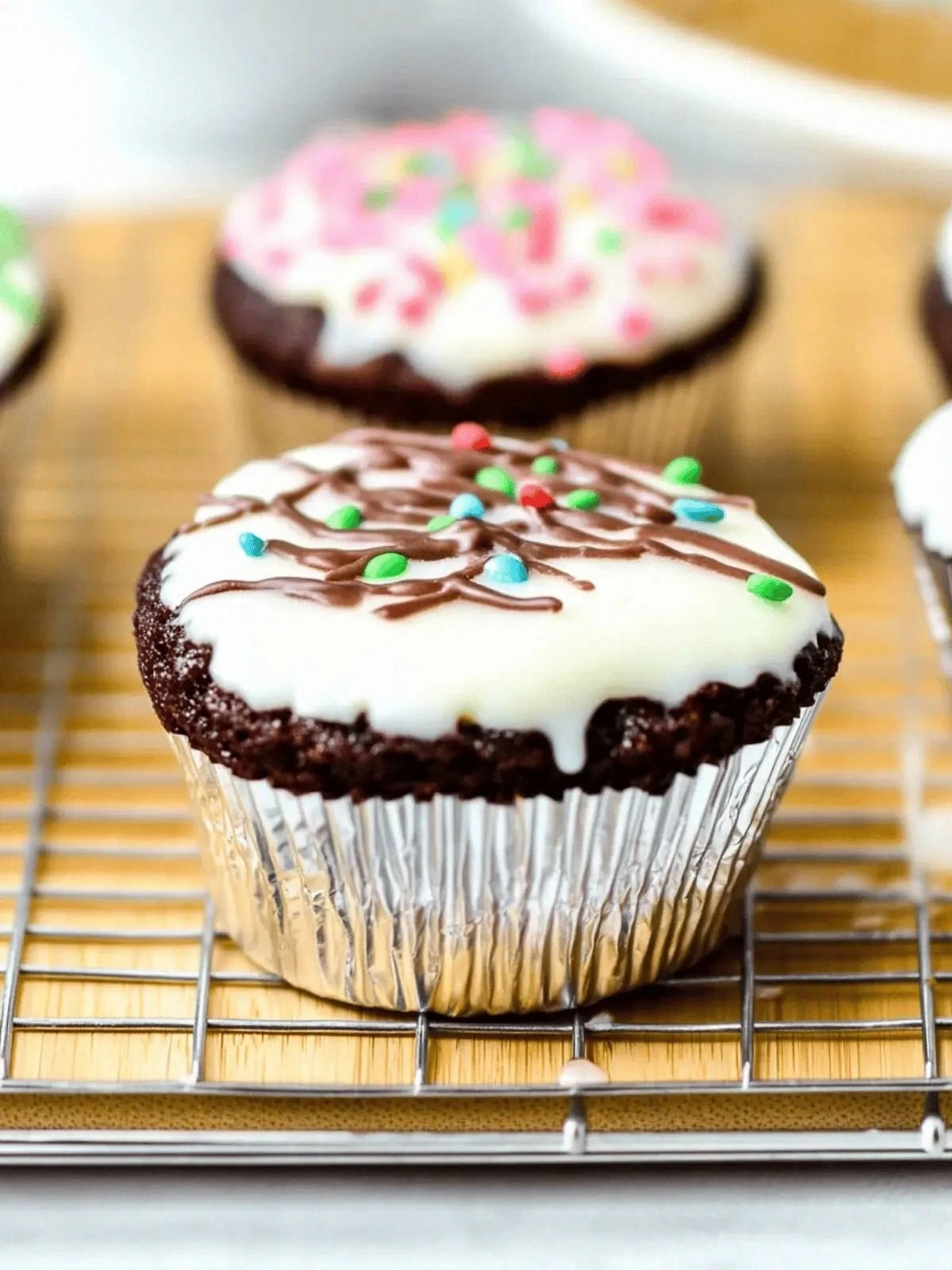
- Visual Appeal: The glossy chocolate shell with Oreo shards looks like a work of art. The contrast between the dark chocolate and the light cookie pieces creates a striking presentation. A quick drizzle of white chocolate or a dusting of cocoa powder can elevate the look even further.
Alright, let's break down exactly what goes into this masterpiece...
Inside the Ingredient List
The Flavor Base
4 cups of premium vanilla ice cream form the creamy core of each mini cake. This base provides a cool, smooth texture that balances the richness of the chocolate. If you skip the ice cream, the dessert will lose its signature melt‑in‑your‑mouth quality and become overly dense. Swap for a dairy‑free alternative like coconut‑based ice cream if you’re looking for a vegan version; just be sure it has a similar fat content to maintain the creaminess. When selecting ice cream, choose one with a high butterfat percentage, as this will help the chocolate coat evenly and prevent separation.
Choosing the right ice cream also influences the final flavor. A vanilla bean ice cream adds a subtle floral note, while a chocolate‑infused ice cream can double the chocolate experience. The ice cream should be softened just enough to fold into the chocolate without melting completely. Keep the ice cream cold until the last moment to preserve its structure. This step is crucial for achieving the perfect bite‑size texture.
When storing, keep the ice cream in the freezer at a steady temperature to avoid ice crystals forming. A quick chill in a cooler with ice packs can also help if you’re on the go. The ice cream’s temperature will affect how quickly the chocolate sets; a colder ice cream will keep the chocolate from melting prematurely. If you’re using a soft‑serve style, consider letting it chill for an extra 15 minutes. This ensures the mixture stays firm enough to hold its shape.
The Texture Crew
7 Oreo cookies crushed into fine crumbs add that signature crunch and cookie flavor. The crumbs act as the structural backbone, preventing the dessert from becoming too mushy. If you skip the Oreos, the dessert will lack the satisfying bite and will feel like a plain chocolate mousse. Swap for chocolate wafer crumbs or biscotti if you want a different texture profile, but keep the crunch level similar. The key is to crush them finely enough to distribute evenly without creating large clumps.
Crushing the Oreos yourself gives you control over the texture; using a food processor is quick, but a mortar and pestle gives a more rustic feel. Keep the crumbs dry—any moisture will cause the chocolate to seize. Store the crumbs in an airtight container to maintain crispness. If you’re preparing ahead, you can keep them in the fridge to keep them from absorbing any ambient moisture. This step ensures the cookies stay crunchy throughout the dessert’s life.
For a gourmet twist, add a pinch of sea salt to the crumbs to enhance the chocolate’s depth. A subtle salt contrast can elevate the flavor profile, making each bite more complex. The salt also helps balance the sweetness of the ice cream. Be careful not to overdo it; a light dusting is sufficient. The result is a harmonious blend of sweet, salty, and crunchy that will impress your guests.
The Unexpected Star
4 ounces of semi‑sweet chocolate is the heart of this dessert, providing depth and a slightly bitter counterbalance to the sweet ice cream. This type of chocolate has a lower sugar content than milk chocolate, which allows the other flavors to shine. If you skip the chocolate, the dessert will lose its glossy shell and the iconic chocolate flavor. Swap for dark chocolate if you want a more intense bite, or for white chocolate for a sweeter finish; just remember the flavor profile will shift accordingly. The chocolate must be finely chopped to melt uniformly and avoid lumps.
Melting the chocolate properly is essential; a double boiler or a microwave in short bursts ensures a smooth melt. Avoid overheating, as the chocolate can seize and become gritty. A gentle heat allows the chocolate to remain glossy and pourable. Adding a touch of coconut oil during the melt helps maintain the shine and prevents cracking. This step is where the dessert’s signature look begins to take shape.
When you’re ready to temper, keep the chocolate at a steady 88°F (31°C). This temperature ensures the chocolate sets with a crisp snap and a glossy finish. The chocolate’s viscosity at this temperature is ideal for coating the ice cream without dripping. If you’re new to tempering, use a thermometer for precision. The result is a professional‑looking shell that looks as good as it tastes.
The Final Flourish
2 tablespoons of coconut oil adds a subtle tropical note and acts as a stabilizer for the chocolate. This oil keeps the chocolate glossy and prevents it from cracking as it cools. If you skip the coconut oil, the chocolate may develop a dull sheen and could crack when it sets. Swap for a neutral oil like grapeseed or canola if you’re avoiding coconut; the texture will remain similar, though the flavor nuance changes. The oil also helps the chocolate coat evenly, creating a smooth, even shell.
When adding the coconut oil, do so while the chocolate is still warm; this allows the oil to integrate seamlessly. Stir until the mixture is uniform and glossy. The oil’s high smoke point makes it ideal for quick melting without burning. If you’re vegan, coconut oil is a natural choice that aligns with plant‑based preferences. This final flourish ensures the dessert looks and tastes like a professional creation.
For an extra touch, sprinkle a pinch of sea salt or cocoa powder on top before the chocolate sets. This adds visual contrast and a flavor kick that elevates the overall experience. The salt also enhances the chocolate’s depth, while the cocoa powder provides a subtle bitterness. Use these toppings sparingly to avoid overpowering the dessert. The finish is a polished, restaurant‑grade treat that will wow anyone who sees it.
Everything's prepped? Good. Let's get into the real action...
The Method — Step by Step
- Gather all ingredients and let the ice cream sit at room temperature for 5 minutes so it softens just enough for folding. While the ice cream is warming, set up a double boiler by bringing a pot of water to a gentle simmer and placing a heat‑proof bowl on top, ensuring the bottom of the bowl doesn’t touch the water. This setup prevents scorching and allows for precise temperature control. Keep a thermometer handy to monitor the chocolate’s temperature. This first step is all about creating the perfect foundation for the rest of the dessert.
- Crush the Oreo cookies into fine crumbs using a food processor or a sturdy plastic bag and a rolling pin. The goal is a consistent texture that distributes evenly throughout the chocolate. Avoid crushing them into a powder; a few larger crumbs add delightful surprise. Store the crumbs in an airtight container until you’re ready to use them. The crunch is what sets this dessert apart from ordinary chocolate mousse.
- Add the semi‑sweet chocolate to the double boiler, letting it melt slowly while stirring constantly. Once the chocolate is fully melted, stir in the coconut oil until the mixture is glossy and silky. The coconut oil not only adds shine but also helps the chocolate set with a crisp snap. Keep the chocolate at 88°F (31°C) for tempering; this ensures a smooth, professional finish. This step is where the dessert’s signature look begins to take shape.
- Fold the softened ice cream into the tempered chocolate, whisking gently until fully incorporated. The mixture should look like a thick, velvety ganache with a hint of creaminess. Do not overmix, as this can introduce air and alter the texture. Keep the mixture cool; you want it thick enough to hold its shape when spooned. This creates the creamy core that balances the chocolate shell.
- Line a silicone mini mold or a set of small glass cups with parchment paper. Spoon the chocolate‑ice cream mixture into each cavity, filling them about three‑quarters full. Tap the mold lightly on the counter to release any air bubbles and level the surface. Let the mixture set in the fridge for 10 minutes to firm up slightly before adding the final coating. This step ensures each mini cake has a smooth base before the glossy finish.
- Prepare a second batch of melted chocolate (without coconut oil) for the outer shell. Gently dip each mini cake into the chocolate, ensuring full coverage. The chocolate should coat the surface like a glossy blanket. Let the excess chocolate drip back into the bowl, then place the cakes back on the parchment. This gives a shiny, professional look.
- Return the coated mini cakes to the fridge and allow them to set completely for at least 30 minutes. The chocolate will firm up, giving each cake a crisp shell that cracks delightfully when bitten. While they set, you can prepare any final garnishes or toppings. This resting period is crucial for texture consistency. The patience pays off with a flawless finish.
- Once set, remove the cakes from the fridge and carefully lift them from the parchment. If desired, dust with a light sprinkle of cocoa powder or drizzle a thin ribbon of white chocolate for an extra touch of elegance. Store them in a shallow dish with a lid to keep them from absorbing odors. This final step ensures they stay fresh and ready to serve.
- Serve immediately chilled for the best texture, or let them sit at room temperature for 5 minutes if you prefer a slightly softer bite. The ice cream will begin to melt gently, creating a luscious, melt‑in‑your‑mouth sensation. Keep an eye on the time; over‑exposure to heat can cause the chocolate to soften too quickly. The result is a dessert that feels both indulgent and refreshing.
- If you plan to store leftovers, place the mini cakes in a single layer on a parchment‑lined tray, cover loosely with plastic wrap, and refrigerate for up to 48 hours. For longer storage, freeze them in a sealed container; thaw in the fridge overnight before serving. Avoid stacking them, as the weight can crush the delicate chocolate shell. This ensures each bite remains pristine.
- When reheating, use a gentle microwave pulse of 5 seconds or warm them in a bowl of hot water for 10–15 seconds; this prevents the chocolate from cracking. A quick stir of the chocolate coating can restore its glossy sheen. Be careful not to overheat, or the ice cream will melt too quickly. This step is perfect for a last‑minute touch‑up before serving.
That's it — you did it. But hold on, I've got a few more tricks that'll take this to another level...
Insider Tricks for Flawless Results
The Temperature Rule Nobody Follows
Many people think any warm chocolate will do, but the exact temperature makes all the difference. Keep your chocolate at 88°F (31°C) for a glossy, snap‑crack finish. If you’re using a thermometer, aim for this sweet spot; if it dips below, the chocolate will be too thick, and if it climbs above, it will seize. The trick is to maintain a steady temperature throughout the process, especially when adding the coconut oil. This small adjustment turns a good dessert into a professional‑grade creation.
Why Your Nose Knows Best
The aroma of chocolate is a powerful indicator of its quality. A rich, slightly bitter scent signals that the chocolate is high‑grade and has a balanced flavor. If the chocolate smells off or overly sweet, it might be a lower quality product that won’t set properly. Smell the chocolate before melting it; a faint nutty undertone often means a good cocoa content. Trust your nose, and you’ll avoid many common pitfalls.
The 5‑Minute Rest That Changes Everything
After you fold the ice cream into the chocolate, give the mixture a quick 5‑minute rest. This allows the flavors to meld and the chocolate to settle into a stable structure. Skipping this rest can result in a slightly grainy texture that feels off. The rest also helps the coconut oil to fully integrate, ensuring the glossy finish stays intact. A simple pause, and the difference is noticeable.
Use Parchment to Prevent Sticking
Even though silicone molds are great, parchment paper adds an extra layer of protection. It ensures that the mini cakes release cleanly, preserving the chocolate shell’s shape. Without parchment, you risk tearing the delicate coating when removing the cakes. Line each mold with a small square of parchment and fold the edges over for a tidy finish. This hack keeps your presentation flawless.
Let the Ice Cream Chill Before Mixing
Chilling the ice cream for an extra 10 minutes before folding it into the chocolate keeps the mixture thick and prevents the chocolate from melting. If the ice cream is too warm, it can cause the chocolate to seize, leading to a gritty texture. Keep the ice cream in the freezer until you’re ready to combine it with the chocolate. This small step saves you from a ruined dessert.
Keep the Chocolate Smooth
Stir the chocolate constantly while it melts; a steady, gentle motion prevents scorching and ensures a uniform melt. If you notice lumps forming, dip the bowl into a bowl of warm water to help break them down. Avoid direct heat; the double boiler method is your best friend. The smoother the chocolate, the better the final coating will look and feel.
Creative Twists and Variations
Chocolate‑Berry Explosion
Swap the vanilla ice cream for a raspberry or strawberry version, and add a few fresh berries on top before the chocolate sets. The tartness of the fruit pairs beautifully with the rich chocolate, creating a balanced flavor. Keep the Oreo crumbs for crunch, or replace them with crushed graham crackers for a different bite. This variation is perfect for a spring gathering or a summer picnic. The color contrast also makes for a visually stunning dessert.
Minty Fresh Surprise
Infuse the chocolate with a splash of peppermint extract before tempering. Add a handful of crushed mint chocolate candies to the Oreo crumbs for an extra burst of flavor. The mint provides a cooling sensation that cuts through the richness of the chocolate. This version is ideal for holiday parties or a refreshing dessert after a heavy meal. The minty aroma will delight your guests.
Nutty Crunch Edition
Replace half of the Oreo crumbs with finely chopped almonds or hazelnuts. The nutty flavor adds depth and a satisfying crunch that contrasts with the creamy ice cream. Keep the chocolate base unchanged to preserve the signature look. This version is a hit with anyone who loves a bit of texture. The nutty aroma also enhances the overall sensory experience.
Caramel Swirl Delight
Drizzle a thin line of caramel sauce over the chocolate coating before it sets. The caramel adds a sweet, buttery layer that complements the chocolate’s bitterness. Keep the Oreo crumbs as they are to maintain the crunch. This variation is a crowd‑pleaser for dessert lovers who crave a sweet, indulgent treat. The caramel’s glossy finish also adds visual appeal.
Espresso Kick
Add a teaspoon of instant espresso powder to the melted chocolate for a subtle coffee undertone. Pair it with chocolate‑flavored ice cream to amplify the espresso flavor. Keep the Oreo crumbs for texture, or replace them with chocolate-covered espresso beans for a double espresso hit. This version is perfect for coffee lovers or a sophisticated dessert menu. The espresso aroma also adds a subtle depth.
Vegan Version
Use a dairy‑free ice cream, such as coconut‑based, and replace the semi‑sweet chocolate with a vegan chocolate that contains no dairy. Ensure the chocolate contains a high cocoa content for a rich flavor. Use a plant‑based coconut oil for the tempering. The final product will have the same texture and glossy finish while being entirely vegan. This variation is great for guests with dietary restrictions.
Spiced Chai Twist
Infuse the chocolate with a pinch of ground cinnamon and cardamom before tempering. Add a swirl of chai‑flavored ice cream to tie the spices together. Keep the Oreo crumbs for crunch, or replace them with crushed ginger snaps for extra spice. This variation offers a warm, aromatic experience that’s perfect for fall gatherings. The spices also add a subtle complexity to the chocolate flavor.
Sea‑Salted Caramel Crunch
Swirl a spoonful of sea‑salted caramel into the chocolate coating before it sets. Sprinkle a pinch of sea salt over the finished mini cakes to enhance the caramel’s sweetness. Keep the Oreo crumbs as they are to maintain the crunch. This variation is a decadent treat that balances sweet, salty, and chocolate flavors. The caramel’s silky texture also adds a luxurious feel.
Storing and Bringing It Back to Life
Fridge Storage
Store the mini cakes in a shallow dish with parchment paper, covered loosely with plastic wrap. Keep them in the refrigerator for up to 48 hours; the chocolate will stay firm, and the ice cream will remain firm enough to hold its shape. Avoid stacking them, as the weight can crush the delicate chocolate shell. If you need to move them, use a small spatula to lift each cake carefully. This method preserves both texture and appearance.
Freezer Friendly
For longer storage, place the mini cakes in a freezer‑safe container with a tight seal. Freeze for up to 2 weeks; the chocolate will set solidly, and the ice cream will maintain its structure. When ready to serve, thaw in the refrigerator overnight, allowing the chocolate to soften slightly. Avoid thawing at room temperature, as the ice cream can melt and cause the chocolate to drip. This method is ideal for preparing ahead of a large gathering.
Best Reheating Method
To bring the mini cakes back to life, use a gentle microwave pulse of 5 seconds or warm them in a bowl of hot water for 10–15 seconds. This prevents the chocolate from cracking and keeps the ice cream from melting too quickly. If the chocolate has hardened, give it a quick stir to restore its glossy sheen. Keep a watchful eye; over‑heating can ruin the texture. This quick reheating keeps the dessert fresh and ready to serve.