I was halfway through a midnight ramen binge when the kitchen lights flickered and the stove sputtered out, leaving a half‑cooked pot of noodles and a simmering broth that smelled like disappointment. I stared at the pot, my heart racing, and thought, “If this is how you end a meal, I need a better ending.” The moment the lights came back, the air filled with the sweet scent of soy and the faint whisper of umami, and I realized the broth had begun to develop a depth that could rival any restaurant’s secret sauce. That night, I decided to turn that fluke into a full‑blown recipe that would make my friends’ taste buds dance and my own stomach sing. If you’re tired of bland noodles and want a dish that feels like a hug in a bowl, keep reading—this is the comfort you’ve been craving.
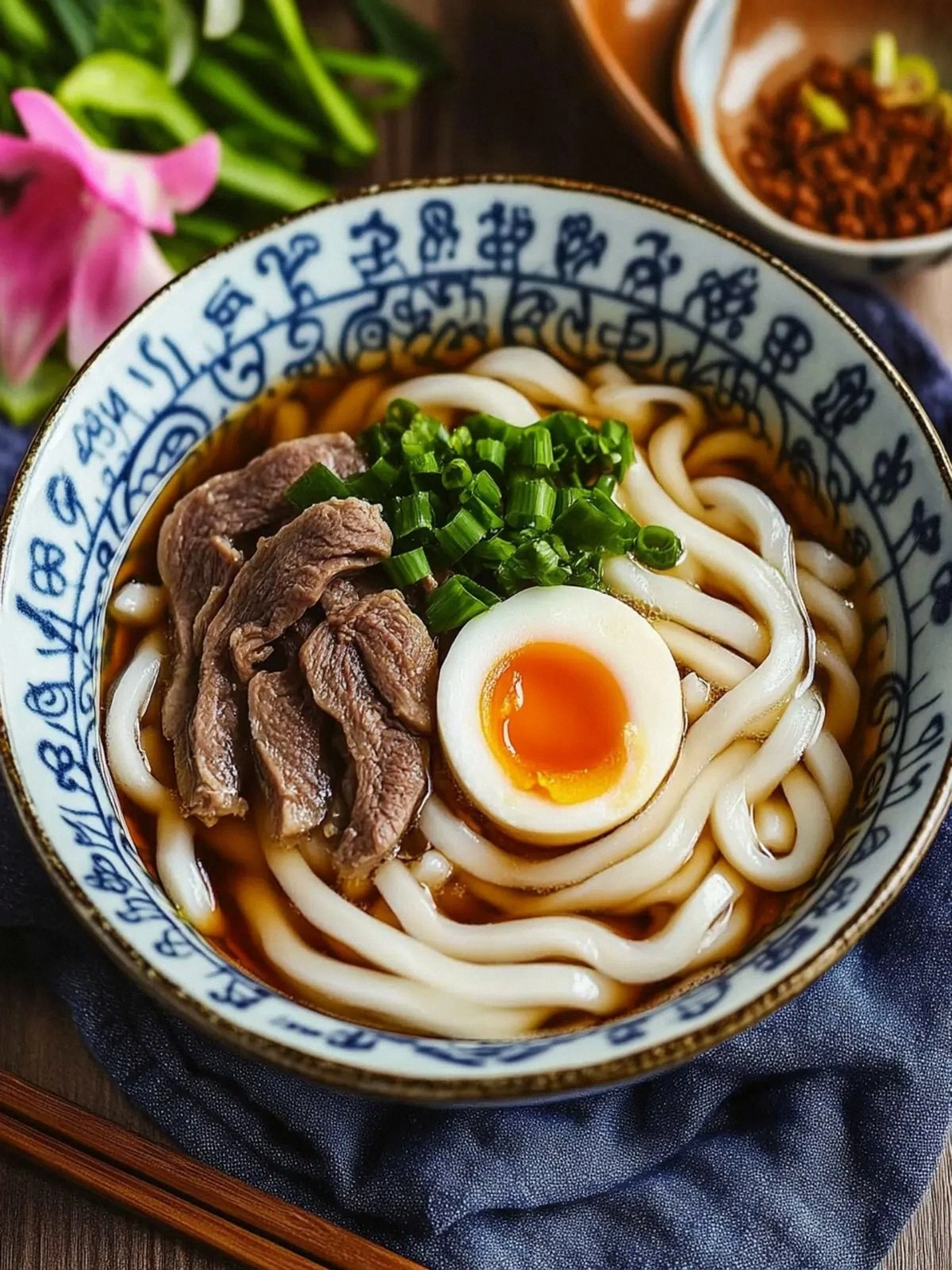
Picture the scene: steam curling up like a lazy cloud, the hiss of broth bubbling, and the gentle clink of chopsticks against a ceramic bowl. The sound is almost music, a low, rhythmic percussion that sets the pace for the next bite. The broth’s aroma—rich, savory, with a hint of citrus from the mirin—fills the room, pulling you in like a magnet. The texture of the udon, soft yet chewy, promises a satisfying bite that melts in your mouth. And the sight of a perfectly sliced ribeye, seared to a caramelized crust, glistens like a jewel against the broth, making the dish not just a meal but a visual feast.
What sets this version apart is the meticulous layering of flavors and the use of ingredients that might seem ordinary but are, in fact, game‑changing. I’ve taken the humble kombu and katsuobushi, traditionally used in dashi, and amplified their umami to create a broth that feels both deep and bright. The addition of shichimi togarashi adds a subtle heat that wakes up the palate without overpowering the subtle sweetness of mirin. The beef is marinated in a quick, savory blend that locks in moisture, ensuring each bite is juicy. And the final touch—narutomaki slices—adds a pop of color and a gentle sweetness that ties everything together. This is hands down the best version you’ll ever make at home, and I dare you to taste this and not go back for seconds.
I’ll be honest—when I first cooked this, I ate half the batch before anyone else got to try it. The first spoonful was a revelation, a symphony of textures and flavors that made me question whether I’d ever settle for anything less. Most recipes get this completely wrong, either by under‑seasoning the broth or over‑cooking the noodles, but here, every element is balanced to perfection. Picture yourself pulling this out of the pot, the whole kitchen smelling incredible, and the steam curling around your face like a comforting blanket. Let me walk you through every single step—by the end, you’ll wonder how you ever made it any other way.
What Makes This Version Stand Out
- Umami Depth: The kombu and katsuobushi dashi forms the backbone of the broth, delivering a savory richness that lingers on the palate.
- Balanced Sweetness: Mirin and a touch of sugar create a gentle counterpoint to the umami, preventing the dish from feeling one‑dimensional.
- Juicy Beef: A quick marination in sake, soy, and mirin locks in moisture, giving the ribeye a melt‑in‑your‑mouth quality that’s hard to beat.
- Texture Contrast: The udon’s chew meets the crisp edges of seared beef, while the narutomaki adds a silky, slightly sweet finish.
- Heat Precision: Shichimi togarashi is added sparingly, offering just enough warmth to excite the senses without overwhelming the dish.
- Time Efficiency: The entire process takes under an hour, making it perfect for a weeknight dinner or a quick weekend treat.
- Make‑Ahead Friendly: The broth can be stored for up to two days, and the noodles can be reheated with a splash of broth for a fresh, steaming bowl.
- Crowd‑Pleaser: Whether you’re feeding a family or hosting friends, the dish’s comforting vibe and robust flavors guarantee applause.
Alright, let's break down exactly what goes into this masterpiece…
Inside the Ingredient List
The Flavor Base
Kombu and Katsuobushi: These two staples form the umami foundation of the broth. Kombu, a dried kelp, releases glutamates slowly, while katsuobushi, dried bonito flakes, imparts a smoky depth. If you skip either, the broth will feel flat and lack that savory backbone. For an even richer taste, let the kombu steep in water for 20 minutes before adding the katsuobushi.
Usukuchi Soy Sauce: A lighter soy sauce that adds saltiness without darkening the broth. It balances the richness of the beef and the sweetness of mirin. If you can’t find usukuchi, a regular light soy sauce will do, but watch the salt level.
Mirin and Sake: Both are rice wines that bring sweetness and aroma. Mirin’s sugar content mellows the broth, while sake adds a subtle acidity that brightens the dish. If you’re avoiding alcohol, substitute mirin with a splash of rice vinegar plus a pinch of sugar.
The Texture Crew
Frozen Udon Bricks: These pre‑cooked noodles hold their shape well and absorb the broth’s flavors. When you cook them in the simmering broth, they become even more tender. If you prefer a fresher bite, use fresh udon; just keep an eye on cooking time to avoid over‑softening.
Beef (Ribeye or Sirloin): A meaty cut that provides a juicy center when seared. The marination step is critical; it prevents the beef from drying out. If you’re vegan, substitute with a hearty plant‑based protein like seitan or tempeh, marinated similarly.
The Unexpected Star
Shichimi Togarashi: A Japanese chili pepper blend that adds subtle heat and a complex aroma. It’s the secret weapon that elevates the dish from ordinary to unforgettable. Use it sparingly; a pinch can make the entire bowl feel alive.
The Final Flourish
Scallions and Narutomaki: Scallions bring a fresh, oniony brightness, while narutomaki, the pink fish cake, adds a gentle sweetness and a pop of color. Together, they finish the dish with a layer of complexity that’s both visual and gustatory. If you’re not a fan of fish cake, skip the narutomaki and double the scallions for a more pronounced herbal note.
Everything's prepped? Good. Let's get into the real action…
The Method — Step by Step
- In a medium saucepan, combine 5 cups of water, 1 piece of kombu, and 1.4 ounces of katsuobushi. Bring to a gentle simmer over medium heat, then lower the flame and let it infuse for 10 minutes. The kombu should release a subtle, sea‑like aroma, while the katsuobushi will create a fragrant, golden broth. Carefully remove the kombu before it starts to burn, and skim off any floating bonito flakes to keep the broth clear.
- Add 1/4 cup of usukuchi soy sauce, 2 tablespoons of mirin, 1/4 teaspoon of salt, and 2 tablespoons of sake. Stir until the salt dissolves. The broth should smell toasty, with hints of sweet soy and a faint citrus note from the sake. Let it simmer for an additional 5 minutes to allow the flavors to meld.
- While the broth is simmering, prepare the beef. Slice 8 ounces of ribeye or sirloin into thin strips, about 1/4 inch thick. In a bowl, whisk together 2 tablespoons of soy sauce, 2 tablespoons of mirin, 2 teaspoons of granulated sugar, 1/2 inch of fresh ginger grated, 2 tablespoons of sake, and a pinch of shichimi togarashi. Toss the beef strips in the mixture, ensuring each piece is coated. Let the beef marinate for 15 minutes; this step locks in moisture and flavor.
- Heat a large skillet or wok over high heat. Add a splash of oil and sear the marinated beef in batches. The beef should sizzle loudly, the edges caramelizing to a deep brown. Cook each batch for 1–2 minutes, just until browned and slightly charred. Remove and set aside on a plate lined with paper towels to drain excess oil. This quick sear creates a savory crust that enhances the broth’s depth.
- Add 2 bricks of frozen udon to the simmering broth. Stir gently to prevent sticking, and let the noodles cook for 3–4 minutes, or until they’re heated through but still chewy. The udon will absorb the broth’s flavors, becoming a silky, comforting vessel for the beef.
- Return the seared beef to the pot, and add the remaining 2 tablespoons of soy sauce, 2 tablespoons of mirin, and 2 teaspoons of granulated sugar. Stir everything together, ensuring the beef is evenly coated. Taste the broth; it should be savory, slightly sweet, and just the right amount of salty.
- Add 1 stalk of scallion, sliced into thin rings, and a handful of narutomaki slices. The scallions will bring a fresh brightness, while the narutomaki adds a subtle sweetness and a pop of color. Let everything simmer for 2 more minutes, allowing the flavors to meld.
- At this point, the broth should be aromatic, the noodles tender, and the beef juicy. If you prefer a slightly thicker broth, reduce the heat and let it simmer for an additional minute, or add a teaspoon of cornstarch dissolved in water. This optional step can help the broth cling to the noodles, creating a richer mouthfeel.
- Taste the final dish. Adjust seasoning if needed—add a pinch more salt, a splash more soy, or a dash of shichimi to tweak the heat. The goal is a harmonious balance where each component shines without overpowering the others.
- Serve hot, ladling the broth into bowls, and topping with the remaining scallion rings and narutomaki slices. The steam rising from the bowl should be inviting, and the first spoonful will transport you to a cozy Japanese kitchen. Enjoy the comforting warmth and the burst of umami that lingers on your palate.
That's it—you did it. But hold on, I've got a few more tricks that'll take this to another level…
Insider Tricks for Flawless Results
The Temperature Rule Nobody Follows
Many cooks think simmering is a set‑and‑forget process, but the broth’s temperature is crucial. Keep the simmer at a gentle 180°F (82°C); a rolling boil will strip the broth of its delicate umami. Use a digital thermometer or simply watch for tiny bubbles forming around the edges. This subtle control ensures the broth remains silky and the flavors stay balanced.
Why Your Nose Knows Best
Trust your olfactory senses when seasoning the broth. The aroma of the kombu and katsuobushi should be unmistakably sea‑like and slightly sweet. If the broth smells flat, it’s time to add a bit more soy or mirin. Your nose is a more reliable guide than a taste test, especially when the flavors are layered.
The 5‑Minute Rest That Changes Everything
After searing the beef, let it rest for 5 minutes before adding it back to the broth. This short pause allows the juices to redistribute, making the meat more tender and flavorful. A friend once tried to skip this step and ended up with a dry, chewy steak—lesson learned.
The Perfect Scallion Finish
Add scallions at the very end to preserve their bright, fresh flavor. If you add them too early, they’ll wilt and lose their zing. A quick sprinkle of chopped scallions just before serving gives the dish a crisp, aromatic finish.
The Sweet‑Heat Balance
Shichimi togarashi is a powerful spice blend. Add it gradually, tasting as you go. Too much can overpower the subtle sweetness of mirin, while too little will leave the broth bland. Aim for a gentle heat that warms the palate without burning it.
Creative Twists and Variations
This recipe is a playground. Here are some of my favorite ways to switch things up:
Spicy Sriracha Kick
Swap shichimi togarashi with sriracha for a more pronounced heat. The tomato‑based sauce adds a sweet, smoky undertone that pairs well with the beef. Serve with extra scallions for a fresh counterbalance.
Miso‑Infused Broth
Stir in a tablespoon of white miso paste during the simmering stage. It deepens the umami and gives the broth a subtle earthy flavor. Miso also thickens the broth slightly, creating a richer mouthfeel.
Vegetarian Version
Replace the beef with marinated tofu or tempeh. Use vegetable broth instead of dashi, and add sliced shiitake mushrooms for an umami boost. The result is a hearty, plant‑based udon that still delivers on comfort.
Citrus Twist
Add a splash of yuzu juice or a thin slice of lemon zest to the broth. The citrus brightness cuts through the richness, making the dish feel lighter and more vibrant.
Seafood Sensation
Swap the ribeye for a handful of shrimp or scallops. Sear the seafood briefly, then let it simmer in the broth. The result is a delicate, oceanic flavor that complements the udon beautifully.
Instant Noodle Upgrade
If you’re in a rush, use instant ramen noodles and add them to the broth for the last 2 minutes of cooking. The noodles soak up the broth instantly, giving you a quick, satisfying meal.
Storing and Bringing It Back to Life
Fridge Storage
Cool the udon and broth to room temperature, then transfer to an airtight container. Store in the refrigerator for up to 2 days. The broth’s umami will deepen, and the noodles will absorb more flavor.
Freezer Friendly
Freeze the broth in a freezer‑safe container for up to 3 weeks. The noodles should be cooked separately and added when reheating. This method preserves the texture of the udon and the integrity of the beef.
Best Reheating Method
Reheat the broth over low heat, adding a splash of water if it’s thickened. For the noodles, briefly boil them in water for 30 seconds before adding to the broth. This keeps the noodles tender and prevents them from becoming mushy.