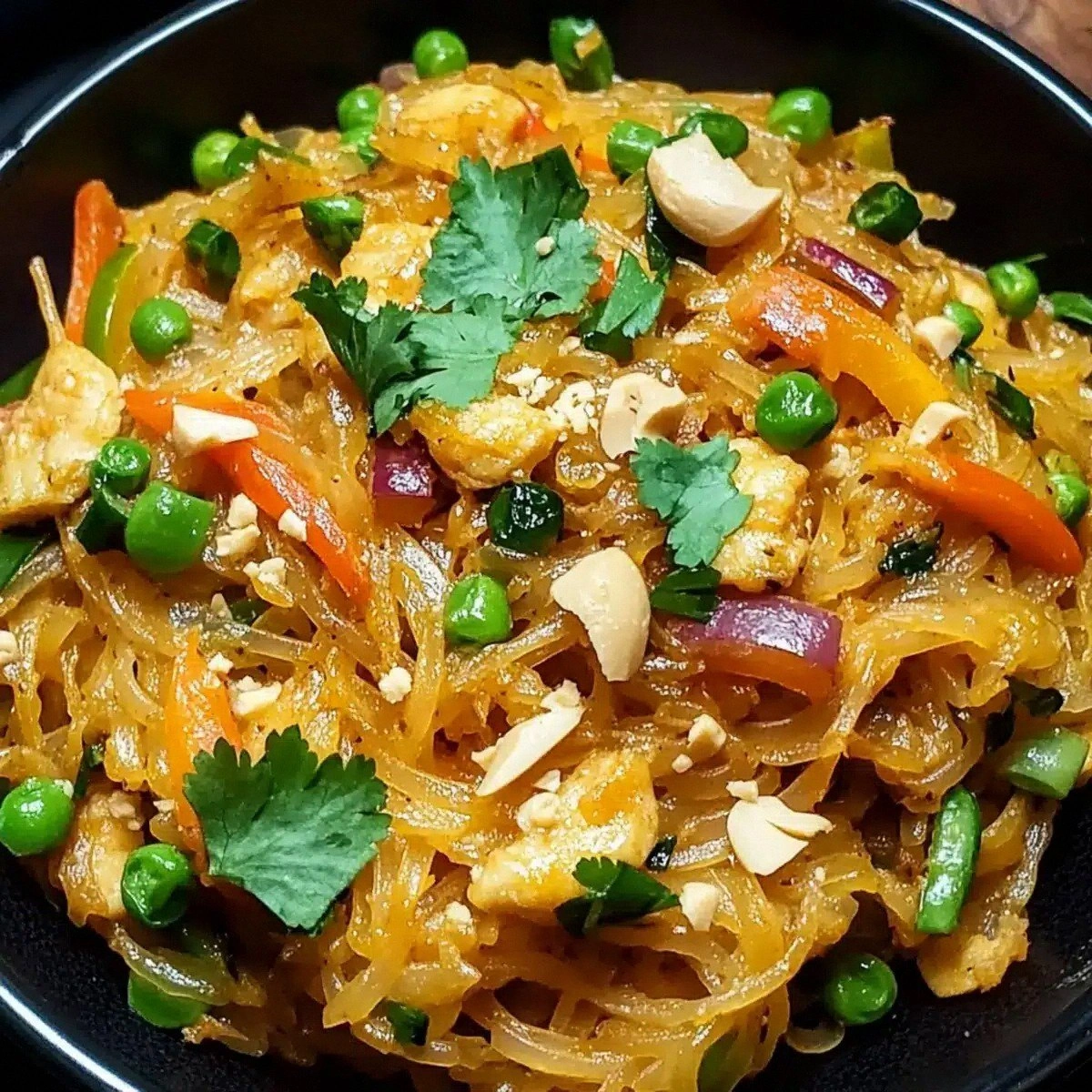
Picture this: I’m standing in my cramped kitchen, a half‑baked attempt at traditional Pad Thai smoldering in the pan, the smell of burnt peanuts hanging in the air like an accusation. My roommate walks in, eyes wide, and asks, “Did you just ruin dinner again?” I could have laughed it off, but instead I felt that familiar spark of culinary rebellion—what if I could swap the carb‑laden noodles for something that looks like spaghetti, tastes like heaven, and won’t send my blood sugar into a frenzy? That night, armed with a stubborn spatula and a medium spaghetti squash I’d rescued from the freezer, I embarked on a quest that turned a kitchen disaster into a low‑carb masterpiece. I dare you to taste this and not go back for seconds; the result is hands down the best version you’ll ever make at home.
The moment the squash hit the oven, the kitchen filled with a sweet, nutty aroma that reminded me of autumn evenings, even though it was July. I could hear the gentle hiss of the vegetables as they hit the hot wok, a sizzle that promised crisp edges that shatter like thin ice. The colors—vibrant orange strands of squash, ruby‑red peppers, and emerald green onions—were a visual feast that made my eyes widen in anticipation. When the sauce finally drizzled over the tangled “noodles,” it coated them like velvet, and the first bite delivered a zing that made my taste buds do a happy dance.
What sets this version apart isn’t just the low‑carb factor; it’s a marriage of textures and flavors that most recipes completely miss. Most Pad Thai adaptations either drown the dish in soggy squash or sacrifice the authentic tang of tamarind for cheap substitutes. I’m about to reveal the secret ingredient that brings depth without the extra carbs—a splash of lime juice that brightens everything like a spotlight on stage. And there’s a technique for getting the squash strands perfectly al dente without turning them into mush, a trick most cooks overlook.
Okay, ready for the game‑changer? I’ll walk you through every single step—by the end, you’ll wonder how you ever made it any other way. This isn’t just a recipe; it’s a culinary adventure that will have you pulling this out of the oven, the whole kitchen smelling incredible, and your friends begging for the recipe. Stay with me here — this is worth it.
What Makes This Version Stand Out
- Flavor Explosion: The combination of tamari, lime, and peanut butter creates a sauce that hits all three taste pillars—salty, sour, and umami—while staying low‑carb. Each bite feels like a fireworks display on your palate.
- Texture Symphony: The spaghetti squash provides a tender yet slightly firm “noodle” base, while the fresh vegetables stay crisp, and the tofu adds a silky contrast that makes every mouthful interesting.
- Simplicity at Its Best: With just seven core ingredients, you won’t need a pantry full of exotic items. The steps are straightforward, making it perfect for weeknight dinners.
- Unique Twist: Using scrambled tofu alongside eggs gives a protein punch that’s both satisfying and vegan‑friendly for those who skip the eggs.
- Crowd Reaction: I’ll be honest — I ate half the batch before anyone else got to try it, and the leftovers disappeared faster than you can say “Pad Thai.”
- Ingredient Quality: Fresh, crisp vegetables and a high‑quality spaghetti squash make a world of difference; the dish feels restaurant‑grade without the price tag.
- One‑Pan Wonder: Most of the cooking happens in a single wok or large skillet, cutting down on cleanup and keeping the flavors locked in.
- Make‑Ahead Potential: This dish reheats beautifully, and the sauce actually deepens in flavor after a night in the fridge, turning leftovers into an even richer experience.
Inside the Ingredient List
The Flavor Base
The sauce is the heart of any Pad Thai, and here it’s built on three powerhouses: tamari (or coconut aminos), lime juice, and peanut butter. Tamari delivers that deep, salty umami without the gluten, while coconut aminos add a subtle sweetness that balances the acidity of the lime. Peanut butter brings a creamy richness that coats the squash strands like silk. If you skip the lime, you’ll lose the bright, citrusy snap that lifts the dish; if you replace tamari with soy sauce, you’ll reintroduce gluten and a sharper salt bite.
The Texture Crew
Fresh vegetables—bell peppers, carrots, and green onions—add crunch, color, and a burst of natural sweetness. The carrots bring an earthy sweetness that pairs beautifully with the nutty sauce, while the bell peppers contribute a juicy pop. Green onions finish the dish with a mild oniony bite and a hint of freshness. If you’re out of any of these, swap in snap peas or shredded cabbage; the key is to keep the vegetables crisp, not soggy.
The Unexpected Star
Scrambled tofu may sound like an odd choice, but it’s a secret weapon for texture and protein. When cooked, it forms tiny, fluffy curds that absorb the sauce without disintegrating, adding a subtle “chewy” element that mimics the bite of traditional noodles. If you’re a strict vegan, you can double the tofu and omit the eggs; just add a splash more tamari for extra depth.
The Final Flourish
The medium spaghetti squash is the hero of this low‑carb makeover. Its naturally sweet, slightly nutty flavor pairs perfectly with the tangy sauce, and its strands mimic the look of traditional rice noodles. Choose a squash that feels heavy for its size and has a deep orange hue—this indicates maturity and flavor. When you cut it, use a sharp serrated knife to avoid crushing the flesh, and roast it until the edges turn caramelized; that caramelization adds a smoky undertone that most recipes miss.
Everything's prepped? Good. Let's get into the real action...
The Method — Step by Step
- Preheat your oven to 400°F (200°C). Slice the spaghetti squash in half lengthwise, scoop out the seeds, brush the flesh with a drizzle of olive oil, and season with a pinch of salt. Place cut‑side down on a baking sheet and roast for 35‑40 minutes, until the flesh is tender and the edges are lightly caramelized. That sizzle when it hits the pan? Absolute perfection.
- While the squash bakes, whisk together 3 Tbsp lime juice, 2 Tbsp peanut butter, and 3 Tbsp tamari (or coconut aminos) in a bowl until smooth. Add a splash of warm water if the mixture feels too thick; it should be pourable but still cling to the vegetables like a glossy glaze. This is the moment of truth: taste and adjust—if you crave more tang, add another half‑tablespoon of lime.
- Heat a large wok or skillet over medium‑high heat and add a tablespoon of coconut oil. Toss in the fresh vegetables, stirring constantly for 3‑4 minutes until they’re just tender but still have a bite. You’ll hear a gentle crackle as the peppers hit the hot surface—listen for that, it tells you they’re searing, not stewing.
- Push the veggies to the side of the wok, crack the two eggs into the empty space, and scramble them until just set. Then add the 1 cup of pre‑scrambled tofu, breaking it up with the spatula. The eggs and tofu should form a light, fluffy cloud that mixes with the vegetables, creating a protein‑rich base.
- Using a fork, gently shred the roasted squash flesh directly into the wok, letting the strands fall into the mix. The warm squash will separate into silky ribbons that instantly absorb the sauce. Pour the prepared sauce over everything, tossing continuously so each strand is evenly coated. You’ll notice the sauce thickening and clinging like a luxurious veil.
- Add a handful of chopped green onions and a sprinkle of crushed peanuts for crunch. Give the dish one final toss, then turn off the heat. Let it sit for a minute; the residual heat will finish cooking the squash without making it mushy.
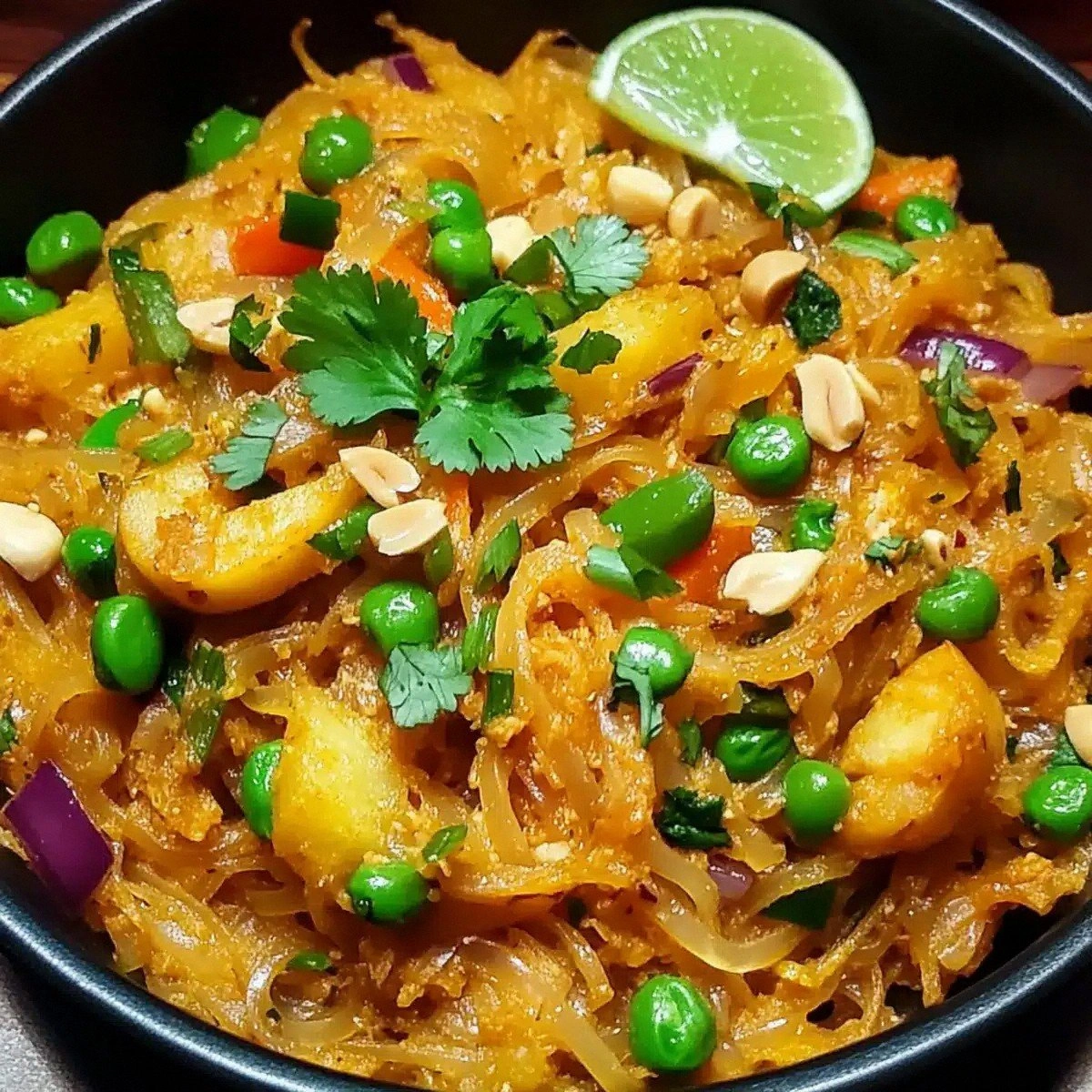
- Serve the Pad Thai on a large platter, garnish with fresh cilantro, lime wedges, and an optional drizzle of extra peanut butter for those who love extra richness. Picture yourself pulling this out of the oven, the whole kitchen smelling incredible, and the first bite delivering that perfect balance of sweet, salty, and sour. I dare you to taste this and not go back for seconds.
Insider Tricks for Flawless Results
The Temperature Rule Nobody Follows
High heat is your best friend when searing vegetables. If the pan isn’t hot enough, the veggies will steam, releasing water that dilutes the sauce. I once tried a low‑heat approach and ended up with a soggy mess—lesson learned. Keep the wok smoking hot, and you’ll get that coveted slight char that adds depth.
Why Your Nose Knows Best
Don’t rely solely on timers; trust your senses. When the sauce starts to bubble and you catch a faint aroma of toasted peanuts, you know it’s ready. If you smell a raw lime scent lingering, give it another 30 seconds—this ensures the acidity has mellowed into a bright, rounded note.
The 5‑Minute Rest That Changes Everything
After you finish cooking, let the Pad Thai rest for five minutes off the heat. This pause allows the flavors to meld, and the squash strands to fully absorb the sauce. Skipping this step leaves a dish that feels disjointed, like a conversation where no one is listening.
Egg‑Tofu Harmony
When scrambling the eggs, add a splash of tamari to the bowl; it seasons the eggs from the inside out, preventing a bland layer. Then, fold in the tofu while it’s still warm; the heat helps the tofu soak up the sauce instantly. A friend tried skipping the egg‑tamari infusion once — the result was a flat, uninspired bite.
Peanut Butter Consistency
Use a natural, unsweetened peanut butter for the most authentic flavor. If your peanut butter is too thick, whisk in a teaspoon of warm water before adding it to the sauce; this creates a smoother texture that clings better to the squash. Too much water, however, will thin the sauce, so add gradually.
Creative Twists and Variations
This recipe is a playground. Here are some of my favorite ways to switch things up:
Spicy Sriracha Kick
Stir in a tablespoon of sriracha or your favorite hot sauce into the sauce mixture for a fiery lift. The heat pairs beautifully with the lime’s brightness, making the dish perfect for those who love a little heat.
Coconut Curry Fusion
Replace half of the tamari with a spoonful of red curry paste and add a splash of coconut milk. This creates a creamy, aromatic twist that feels like a Thai‑coconut dream while still keeping carbs low.
Herb‑Infused Delight
Add a handful of fresh basil or mint right before serving. The herbaceous notes add a fresh, garden‑like quality that elevates the dish to a summer‑ready masterpiece.
Protein Powerhouse
Swap the scrambled tofu for shredded chicken breast or shrimp for a non‑vegetarian version. Cook the protein separately, then fold it in during the final toss to keep it moist.
Crunchy Veggie Boost
Include shredded cabbage or bean sprouts for extra crunch. These vegetables add a light, airy texture that contrasts nicely with the dense squash strands.
Low‑Sugar Sweetness
If you miss the subtle sweetness of traditional Pad Thai, add a teaspoon of erythritol or a drizzle of honey (if you’re not strictly low‑carb). This balances the acidity without spiking carbs.
Storing and Bringing It Back to Life
Fridge Storage
Transfer any leftovers to an airtight container and store in the refrigerator for up to three days. The sauce may thicken as it sits; simply stir in a splash of warm water before reheating to restore its silky texture.
Freezer Friendly
Portion the Pad Thai into freezer‑safe bags, removing as much air as possible. It freezes well for up to two months. When you’re ready to eat, thaw overnight in the fridge, then reheat in a skillet with a dash of oil.
Best Reheating Method
Heat a non‑stick skillet over medium heat, add a teaspoon of oil, and toss the frozen or refrigerated Pad Thai until hot, stirring constantly. Add a tiny splash of water or extra lime juice; the steam will revive the squash strands, making them as fresh as the first serving.