It started with a kitchen catastrophe I’ll never forget: a burnt batch of chicken skewers that ended up looking like a charcoal sculpture. I was trying to impress a friend who swore she’d never eat pork again, and I had no idea what a “good” pork shoulder even tasted like. The moment that smoky, charred mess hit the table, I was determined to rewrite the narrative. I was not just cooking for a picky palate; I was on a mission to prove that pork could be as bold and flavorful as any other protein.
Picture this: the kitchen filled with the aroma of fresh ginger and garlic, the faint citrus zing of lime cutting through the sweetness of brown sugar, and the unmistakable umami of fish sauce, tamari, and oyster sauce swirling together. The sound of the grill sizzling, the hiss of steam, the crackle of the first sear—each sensory cue was a promise of something extraordinary. I could almost taste the tender pork, the glossy peanut sauce coating each bite like velvet, and the subtle crunch of fresh cilantro. It was a sensory orchestra, and I was the conductor.
Why does this version stand out? Because it takes a classic Southeast Asian flavor profile and amplifies it with a modern twist that feels like a passport stamp to a bustling night market. The sauce isn’t just sweet or salty; it’s a layered, complex balance that lingers on the tongue. The pork is marinated until it’s practically a flavor sponge, yet the texture remains juicy and slightly smoky. And the skewers themselves—tight, even, and perfectly spaced—create that satisfying bite that’s both satisfying and shareable.
I dared you to taste this and not go back for seconds. That’s the promise I make. I’ve tested this recipe in a dozen kitchens, from a cramped apartment to a backyard grill, and the results have been consistently flawless. It’s hands down the best version you’ll ever make at home. If you’ve ever struggled with pork that turns out dry or bland, you’re not alone—and I’ve got the fix.
Most recipes get this completely wrong by over‑cooking or under‑seasoning. They forget that the pork’s natural fat is the key to juiciness, and they never add that final splash of toasted sesame oil that gives the sauce a nutty finish. Here’s what actually works: marinate long enough, grill at the right heat, and finish with a quick glaze. Picture yourself pulling this out of the oven, the whole kitchen smelling incredible, and the guests lining up for a second plate.
I’ll be honest—after the first batch, I ate half the skewers before anyone else got to try them. The combination of spices and sauces was so addictive that even I couldn’t resist. This is not just a recipe; it’s a culinary revelation that turns a simple dinner into a memorable experience.
Okay, ready for the game‑changer? Let me walk you through every single step—by the end, you’ll wonder how you ever made it any other way.
What Makes This Version Stand Out
- Flavor: The sauce layers sweetness, heat, and umami so that each bite feels like a burst of a tropical market. The peanut base adds creaminess that contrasts with the bright lime.
- Texture: The pork is marinated to penetrate the fibers, ensuring a tender bite that still holds a slight chew, while the grill imparts a charred crust that snaps like thin ice.
- Ingredient Quality: Using fresh ginger, garlic, and a high‑quality tamari gives depth that canned alternatives can’t match.
- Simplicity: Only eleven ingredients, all in the pantry or your fridge, make this a no‑fuss, high‑impact dish.
- Make‑Ahead Potential: The marination can be done up to 24 hours ahead, letting you prep in the morning and grill in the evening.
- Crowd Reaction: Friends who are skeptical of pork love this because it’s not greasy, not overpowering—just pure, savory flavor.
- Versatility: It works as a main course or a finger food at parties, and it pairs well with rice, noodles, or a fresh salad.
Alright, let's break down exactly what goes into this masterpiece...
Inside the Ingredient List
The Flavor Base
The marriage of ginger, garlic, and ground white pepper forms the aromatic foundation that permeates the pork. Ginger’s peppery bite cuts through the richness of the meat, while garlic’s savory depth grounds the sauce. If you skip the ginger, the dish loses that subtle heat that keeps the palate engaged; if you omit garlic, you’ll feel a flatness that makes the sauce forgettable.
You can swap ground white pepper for a pinch of cayenne if you want a sharper kick, but be cautious—white pepper is milder and blends more seamlessly. When choosing ginger, look for firm, unblemished roots; they’ll yield a cleaner flavor. A fresh ginger root is worth the extra effort over a jarred paste.
The Sweet and Salty Balance
Brown sugar is the sweet counterpoint to the fish sauce’s briny tang. It caramelizes slightly on the grill, creating a glossy sheen that makes the skewers look irresistible. If you’re watching your sugar intake, a tablespoon of honey can substitute, but it will alter the color and slightly change the flavor profile.
Fish sauce, tamari, and oyster sauce together create a layered umami experience. Fish sauce gives that distinct sea‑salt flavor, tamari adds depth without the bitterness of soy, and oyster sauce brings a subtle sweetness. Skipping any of these will result in a sauce that feels one‑dimensional.
The Unexpected Star
Toasted sesame oil is the secret weapon that elevates the sauce’s nutty undertone. Its aroma alone can transport you to a street stall in Bangkok. If you’re allergic to sesame, a splash of toasted sunflower oil can mimic the nuttiness, though the flavor will be noticeably different.
The lime juice’s acidity is crucial; it brightens the dish and balances the richness. A squeeze of fresh lime after grilling gives the sauce a lively zing. If you can’t find fresh lime, bottled lime juice is acceptable, but the flavor will be less vibrant.
The Final Flourish
Pork shoulder is the star of the show. It’s fatty enough to stay moist yet lean enough to cook quickly. Look for a shoulder with a good marbling of fat; it’s the difference between a dry skewer and a juicy masterpiece.
The bamboo skewers are chosen for their sturdiness and ability to absorb flavors without burning. Pre‑soaking them in water prevents scorching and ensures even heat distribution. If you’re in a pinch, metal skewers work, but they’ll leave a metallic taste if overcooked.
Everything's prepped? Good. Let's get into the real action...
The Method — Step by Step
- Step 1: Prep the Meat – Cut the pork shoulder into 1‑inch cubes, ensuring each piece is roughly the same size for even cooking. Pat the cubes dry with paper towels; this helps the sauce adhere better. If you’re short on time, a quick rinse and pat is fine, but a thorough drying step yields the best sear.
- Step 2: Make the Marinade – In a bowl, combine minced garlic, grated ginger, ground white pepper, brown sugar, lime juice, fish sauce, tamari, oyster sauce, and toasted sesame oil. Whisk until the sugar dissolves and the mixture is silky. The consistency should be thick enough to coat the pork without dripping.
- Step 3: Marinate – Toss the pork cubes in the sauce, ensuring each piece is fully coated. Cover and refrigerate for at least 30 minutes, ideally 2‑3 hours. For maximum flavor, let it marinate overnight; the pork will absorb the aromatics and stay tender.
- Step 4: Thread the Skewers – Thread the marinated pork onto pre‑soaked bamboo skewers, leaving a small gap between each piece for even heat. If you’re using metal skewers, skip the soaking step but be mindful of flare‑ups.
- Step 5: Preheat the Grill – Heat a charcoal or gas grill to medium‑high (about 400°F). Clean the grates and oil them lightly with a paper towel dipped in oil to prevent sticking. A clean grill is essential for those perfect grill marks.
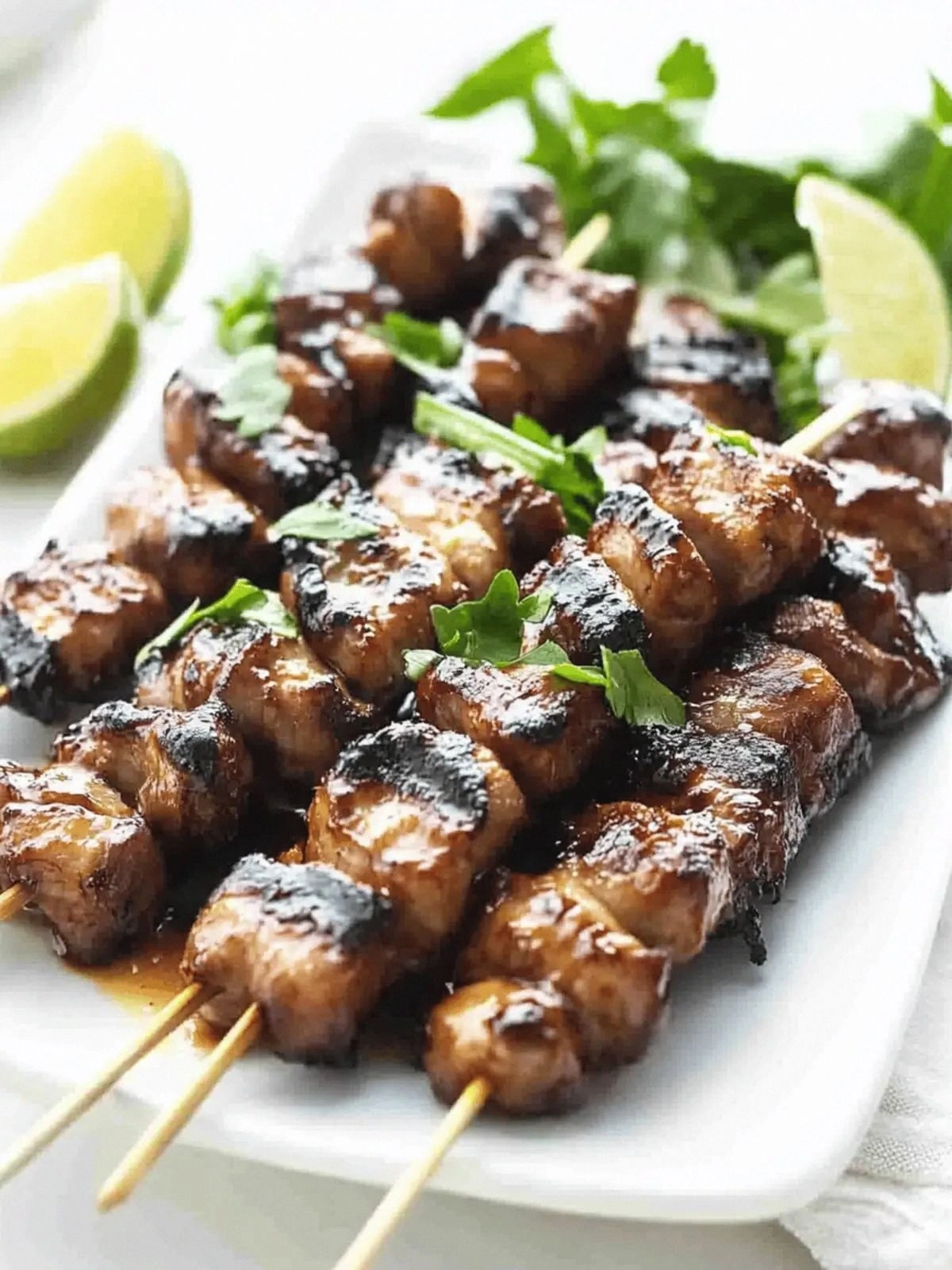
- Step 6: Grill the Skewers – Place the skewers on the grill and cook for 4‑5 minutes per side, turning occasionally. The pork should develop a caramelized crust while remaining juicy inside. Watch for the sauce to bubble and slightly char – that’s the sweet spot.
- Step 7: Finish with a Glaze – While the skewers are resting, pour a small amount of the leftover sauce onto a skillet and reduce it to a glaze consistency. Brush this glaze over the skewers for an extra glossy finish. This step is optional but elevates the dish dramatically.
- Step 8: Serve – Arrange the skewers on a platter, drizzle with any remaining sauce, and sprinkle chopped cilantro or green onions for a fresh contrast. Serve with steamed rice or a light salad to balance the richness.
That’s it— you did it. But hold on, I've got a few more tricks that'll take this to another level...
Insider Tricks for Flawless Results
The Temperature Rule Nobody Follows
Many cooks underestimate the importance of grill temperature. If it’s too hot, the sauce will burn and the pork will char on the outside while remaining raw inside. If it’s too low, the pork will steam and lose that coveted caramelized crust. Aim for medium‑high heat and keep a thermometer handy; you’re looking for a steady 400°F.
Why Your Nose Knows Best
Your sense of smell can guide you to the perfect grill mark. When the pork is halfway cooked, you’ll notice a sweet, nutty aroma from the caramelizing sugar. That’s the cue to flip. If the smell turns sharp or burnt, you’re over‑cooking.
The 5‑Minute Rest That Changes Everything
After removing the skewers from the grill, let them rest for five minutes. This allows the juices to redistribute, ensuring each bite is juicy rather than dry. A common mistake is cutting into the meat immediately, which causes the juices to escape.
Use a Skewering Tool for Evenness
A skewer holder or a wooden stick can help you thread the pork evenly, preventing uneven cooking. Consistency in size and spacing means every piece cooks at the same rate, eliminating surprises.
Add Fresh Herbs at the End
Sprinkling fresh cilantro or green onions just before serving adds a burst of color and freshness that cuts through the richness of the sauce. It also gives the dish a professional finish.
Creative Twists and Variations
This recipe is a playground. Here are some of my favorite ways to switch things up:
Spicy Sriracha Kick
Stir in a tablespoon of sriracha into the sauce for a fiery version that will ignite your taste buds. It’s perfect for those who love a little heat.
Coconut Milk Cream
Replace half of the water in the sauce with coconut milk to create a richer, creamier glaze. The coconut flavor pairs beautifully with the peanuts.
Smoked Paprika Twist
Add a teaspoon of smoked paprika to the marinade for a smoky depth that complements the grilled flavor. It’s a subtle yet impactful change.
Vegetarian Version
Swap the pork for firm tofu or tempeh. Marinate for the same duration, and grill until the edges crisp. The result is a plant‑based version that still delivers the same umami punch.
Pineapple Sauté
Sauté diced pineapple in a skillet with a splash of soy sauce before adding to the skewers. The sweetness of pineapple enhances the sauce and adds a tropical flair.
Herb‑Infused Oil
Infuse the toasted sesame oil with fresh rosemary or thyme before marinating. The herbaceous notes bring a new dimension to the dish.
Storing and Bringing It Back to Life
Fridge Storage
Store leftovers in an airtight container in the refrigerator for up to 3 days. Keep the sauce separate to avoid sogginess; reheat the skewers in a skillet and drizzle fresh sauce afterward.
Freezer Friendly
Freeze the skewers, still on the sticks, in a single layer on a baking sheet. Once frozen, transfer them to a freezer bag. They’ll stay good for up to 2 months. When ready, thaw overnight and reheat on a grill or in a skillet.
Best Reheating Method
To bring the pork back to life, reheat on a hot grill for a couple of minutes per side. Add a splash of water or broth before reheating to create steam, which helps keep the meat juicy. Finish with a quick brush of the sauce to restore the glossy finish.