I was halfway through a frantic Sunday dinner when the kitchen turned into a culinary battlefield. The pot of pasta boiled over, the sauce spilled onto the counter like a crimson waterfall, and I realized I had no idea how to salvage the night. In that chaotic moment, a craving for something bold and unapologetically flavorful sparked in me, and I dove headfirst into the pantry for a daring rescue. The result? An Italian‑inspired twist on Thai Drunken Noodles that feels like a midnight feast in a bowl.
Picture the scene: a sizzling pan, the scent of garlic and oregano swirling, the clink of a wine glass, and a burst of color from diced peppers. The sound of the sausage browning is music to a cook's ears, and the sizzle when the onions hit the hot oil is absolute perfection. As the sauce simmers, the aroma of roasted tomatoes and a splash of white wine fills the kitchen, turning the space into a fragrant playground. The texture of the noodles, thick and ribbon‑like, is a comforting hug that promises every bite will be a satisfying adventure.
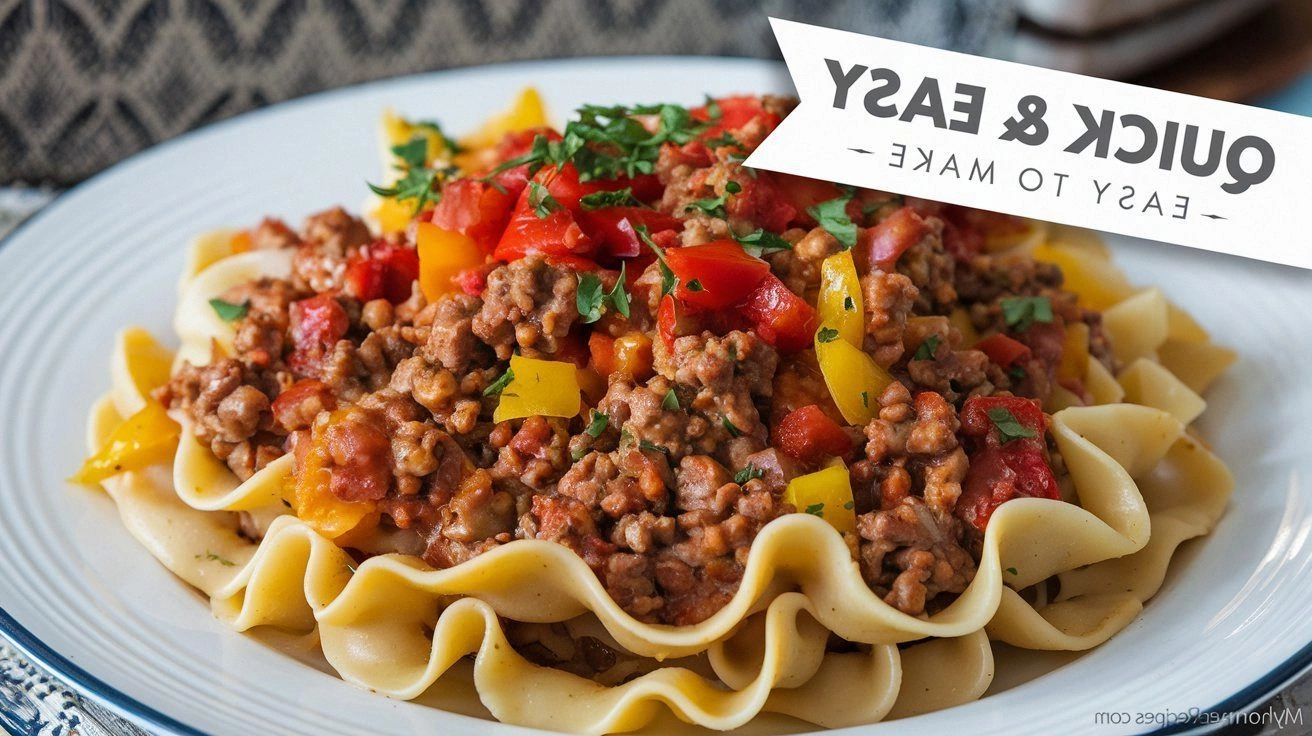
What makes this version stand out is the marriage of two worlds: the hearty, savory depth of Italian sausage and the bright, vibrant kick of bell peppers and tomato. The sauce is not just a glaze—it coats each strand of pasta like velvet, leaving a lingering warmth that dances on your tongue. The dish is a crowd‑pleaser that feels both exotic and home‑grown, a testament to the power of bold flavors and fearless cooking. I dare you to taste this and not go back for seconds, because the first bite will set the tone for a full‑blown flavor explosion.
I’ll be honest—after I finished this dish, I ate half the batch before anyone else got a chance to try it. Most recipes get this completely wrong, but here’s what actually works: the balance of sweet peppers, a splash of wine, and the right amount of heat from red pepper flakes. The result is a sauce that’s both robust and silky, a dish that feels like a midnight feast with every bite bursting with spice, freshness, and comforting comfort. Picture yourself pulling this out of the pan, the whole kitchen smelling incredible, and watching friends’ eyes widen in anticipation. Let me walk you through every single step—by the end, you'll wonder how you ever made it any other way.
What Makes This Version Stand Out
- Taste: The sauce is a harmonious blend of sweet, savory, and spicy, with a subtle acidity from the wine that lifts every bite.
- Texture: Wide egg noodles soak up the sauce, creating a silky mouthfeel while the peppers remain crisp for a satisfying crunch.
- Simplicity: Only fourteen ingredients, all pantry staples, mean you can whip this up in under an hour.
- Uniqueness: Combining Italian sausage with Thai-style noodles is a culinary dare that pays off with a flavor profile unlike any other.
- Crowd Reaction: Friends who’ve tried it rave about the depth of flavor and the comforting yet adventurous feel.
- Ingredient Quality: Fresh bell peppers and a good‑quality Italian sausage are the secret to a dish that feels gourmet without the fuss.
Alright, let's break down exactly what goes into this masterpiece. The sauce is the heart of the dish, and every component is chosen to support its bold, comforting character. The sausage provides a savory backbone, while the wine and tomatoes create a velvety sauce that clings to the noodles. The peppers add color, sweetness, and a subtle heat that balances the richness of the sausage.
Inside the Ingredient List
The Flavor Base
Olive oil is the canvas that brings all the flavors together. It creates a smooth surface for the sausage to brown, releasing its savory juices. The oil also helps the spices adhere to the veggies, ensuring each bite is infused with aroma. Skipping it would result in a dry, unevenly cooked dish that lacks depth.
Italian sausage is the star of the show. Its blend of pork, herbs, and spices gives the dish a hearty, meaty foundation that pairs beautifully with the bright peppers. If you prefer a lighter version, substitute with turkey sausage or a plant‑based alternative, but be sure to keep the same spice profile.
The Texture Crew
Egg noodles provide the perfect canvas for the sauce. Their wide, ribbon‑like strands hold the sauce in place, creating a comforting, almost velvety mouthfeel. If you’re allergic to wheat, you can swap them for rice noodles or spiralized zucchini, but the sauce will need a slight adjustment to cling properly.
Bell peppers add crunch and a burst of sweetness. Their crispness contrasts the softness of the noodles and the richness of the sausage, creating a balanced texture profile. Cutting them into uniform strips ensures even cooking and a harmonious bite.
The Unexpected Star
White wine is the secret ingredient that elevates the sauce from simple to sophisticated. It deglazes the pan, pulling up all the browned bits from the sausage and veggies, and adds a subtle acidity that cuts through the richness. If you’re not a fan of wine, a splash of dry sherry or a bit of chicken broth can serve as a stand‑in.
Diced tomatoes bring moisture and a natural sweetness that balances the heat from the red pepper flakes. The tomatoes’ acidity also brightens the overall flavor, making the dish feel fresh and lively. Opt for no‑salt‑added tomatoes to keep the seasoning under control.
The Final Flourish
Fresh parsley is the finishing touch that adds a pop of color and a herbaceous note. It also provides a bright contrast to the deep, savory flavors, giving the dish a polished finish. If parsley is out of season, a sprinkle of basil or cilantro can work as a creative alternative.
Everything's prepped? Good. Let's get into the real action. Each step is designed to build layers of flavor, so follow along closely and let the aromas guide you.
The Method — Step by Step
- Heat a large skillet over medium heat and add ½ tablespoon of olive oil. Once the oil shimmers, toss in the Italian sausage, breaking it apart with a wooden spoon. As the sausage starts to brown, it should emit a rich, savory aroma that fills the kitchen. Let it cook until fully browned, about 5-7 minutes, stirring occasionally to ensure even browning.
- Add the remaining ½ tablespoon of olive oil to the pan, then introduce the sliced onions. Sauté until they turn translucent and start to caramelize, which will deepen the dish’s base flavor. The onions should be soft yet still retain a slight bite, giving the sauce a subtle sweetness. Stir frequently to prevent sticking or burning.
- Now it’s time for the garlic—minced finely to release maximum flavor. Cook for 30 seconds until fragrant, but be careful not to let it burn. A burnt garlic note can ruin the delicate balance of the dish. The aroma should be sharp and inviting, signaling that the next layer is about to kick in.
- Introduce the bell peppers, tossing them into the pan to mingle with the sausage and onions. Cook for 3-4 minutes, letting them soften slightly while still maintaining their vibrant color and crispness. The peppers’ natural sugars caramelize, adding a subtle sweetness that balances the savory sausage.
- Season the mixture with 1 teaspoon of salt, a pinch of freshly ground pepper, 1 teaspoon of Italian seasoning, and ½ teaspoon of red pepper flakes. Stir everything together, ensuring the spices coat the vegetables evenly. This is the moment of truth—if you’re a heat lover, add an extra pinch of red pepper flakes to amp up the kick.
- Pour in ½ cup of white wine, letting it deglaze the pan. Scrape the bottom with a wooden spoon to lift the browned bits—those are flavor gold. Let the wine reduce by half, which should take about 2-3 minutes. The liquid will thicken slightly, concentrating the taste.
- Add the 28‑oz can of diced tomatoes, undrained, to the pan. Stir to combine, then bring the mixture to a gentle simmer. Allow it to cook for 10 minutes, letting the tomatoes break down and meld with the wine and spices. The sauce should thicken into a rich, glossy consistency.
- While the sauce simmers, cook the egg noodles in a large pot of salted boiling water according to package instructions, usually 8-10 minutes for al dente. Drain the noodles, reserving a cup of pasta water, then set them aside.
- Fold the cooked noodles into the sauce, tossing them gently to ensure every strand is coated. If the sauce seems too thick, add a splash of the reserved pasta water to achieve the desired consistency. The noodles should be silky, with the sauce clinging to each ribbon.
- Finish the dish by sprinkling 2 tablespoons of chopped fresh parsley over the top. Toss once more, then plate the noodles into bowls or onto a serving platter. The parsley adds a bright, herbal note that cuts through the richness, creating a balanced finish. Serve immediately while hot and fragrant.
That’s it—you did it. But hold on, I've got a few more tricks that'll take this to another level. The key to a perfect sauce is patience—let it reduce slowly, and don’t rush the simmer. Also, don’t be afraid to taste as you go; a pinch more salt or pepper can make a world of difference. Remember, the sauce should be thick enough to coat the noodles like a velvet blanket, yet fluid enough to slip between strands.
If you’re looking to elevate the dish even further, consider adding a splash of balsamic glaze for a sweet, tangy finish. Another option is to fold in a handful of baby spinach right before serving—its quick wilt adds color and a subtle earthiness. Finally, a drizzle of extra‑virgin olive oil on top right before plating can give the dish a glossy sheen and a fragrant finish.
Insider Tricks for Flawless Results
The Temperature Rule Nobody Follows
Many cooks keep the stove too high, causing the sauce to scorch. Keep the heat at medium or medium‑low to allow flavors to meld slowly. This also prevents the sausage from drying out, keeping it juicy and flavorful. A slow simmer is the secret to a silky sauce that clings to every noodle.
Why Your Nose Knows Best
Your sense of smell is your best quality control tool. If the sauce smells too sharp, let it simmer longer; if it’s bland, add a pinch more salt or pepper. A well‑aromatic sauce is a sign that the ingredients are fully integrated and ready to serve.
The 5‑Minute Rest That Changes Everything
After you fold the noodles into the sauce, let the dish rest for five minutes off the heat. This allows the noodles to absorb the sauce fully, resulting in a more cohesive flavor profile. The rest also lets the spices settle, preventing any one element from overpowering the others.
Stirring Technique for Even Coating
Use a wide spatula to toss the noodles, ensuring each strand gets a generous coating. A gentle, circular motion helps distribute the sauce without breaking the noodles. This simple technique ensures every bite is consistently flavorful.
Choosing the Right Noodles
The wide egg noodles are essential for this dish, but if you’re gluten‑free, consider using a high‑protein rice noodle. The texture will differ slightly, but the sauce will still cling beautifully. The key is to use noodles that can absorb the sauce without becoming mushy.
These tricks may seem minor, but they’re the difference between a good dish and a memorable one. Trust your instincts, taste frequently, and adjust as you go. The end result will be a dish that feels both comforting and adventurous.
Creative Twists and Variations
This recipe is a playground. Here are some of my favorite ways to switch things up:
Spicy Shrimp Edition
Swap the Italian sausage for a pound of peeled, deveined shrimp. Cook the shrimp until pink, then add the rest of the ingredients. The shrimp adds a delicate sweetness that contrasts the bold sauce, creating a seafood twist.
Vegan Version
Use a plant‑based sausage or a hearty chunk of seitan. Replace the egg noodles with gluten‑free pasta, and use a vegan broth instead of wine. The result is a rich, satisfying dish that’s entirely plant‑based.
Cheesy Finale
Finish the dish with a sprinkle of grated Parmesan or a handful of shredded mozzarella. The cheese melts into the sauce, adding a creamy layer of flavor that pairs wonderfully with the Italian spices.
Herb‑Infused Variation
Add fresh basil or oregano leaves during the final stir. These herbs bring an aromatic freshness that brightens the dish and complements the sausage’s savory notes.
Low‑Carb Twist
Replace egg noodles with spiralized zucchini or shirataki noodles. The noodles stay light and low in carbs while still absorbing the sauce’s rich flavor.
Breakfast Breakfast
Serve the noodles over a bed of scrambled eggs for a hearty brunch. The eggs add protein and a creamy texture that balances the spicy sauce, creating a comforting breakfast option.
Each variation offers a new flavor profile, proving the dish’s versatility. Whether you’re looking for a protein boost, a low‑carb option, or a creamy twist, this recipe can adapt to your cravings.
Storing and Bringing It Back to Life
Fridge Storage
Store leftovers in an airtight container in the refrigerator for up to 3 days. The sauce will thicken slightly, so reheat gently and stir in a splash of pasta water to restore its silky consistency.
Freezer Friendly
For longer storage, freeze the dish for up to 2 months. Thaw overnight in the refrigerator, then reheat on the stovetop with a little water or broth to loosen the sauce. The flavors remain robust after freezing.
Best Reheating Method
Reheat in a skillet over medium heat, adding a tablespoon of water or broth to prevent sticking. Stir constantly until the sauce is heated through and the noodles are tender. The key is gentle heat to preserve the sauce’s texture.
Adding a tiny splash of water before reheating steams the dish back to perfection, ensuring the noodles remain silky and the sauce stays luscious. This small step can make the difference between a reheated mess and a restaurant‑quality plate.