I was standing in a kitchen that smelled like burnt toast, my phone buzzing with a text from a friend daring me to whip up something spectacular for dinner. I stared at the four turkey legs on the counter, their skin still damp from a last-minute dip in the fridge, and thought, “If I can’t salvage this, I’ll never be a good cook again.” The panic was palpable, the air thick with the scent of raw poultry, the faint hiss of a boiling kettle, and a faint metallic tang from the leftover saffron in the spice jar. The clock ticked, the oven preheating to 375°F, and I knew I had to turn this disaster into a triumph before the clock ran out. This moment was the spark that ignited my obsession with turning ordinary turkey into an unforgettable, juicy, saffron‑orange masterpiece.
Picture the kitchen: the counterboards glisten with a thin sheen of olive oil, the orange juice glows like liquid sunrise, and a handful of saffron threads crackle when they meet the heat. The sound of the skillet sizzling is the soundtrack to a culinary symphony, while the aroma of garlic, rosemary, and honey drifts through the air, promising a depth of flavor that will linger long after the last bite. Your senses are in full alert: the bright citrus zest tingles your palate, the smoky edges of the turkey crackle like a campfire, and the gentle sweetness of honey balances the sharpness of the spices. I’m telling you, the anticipation is almost as delicious as the dish itself. The moment you see those golden crusts forming is the moment your taste buds are about to dance.
What makes this version stand out is that it’s not just a recipe—it’s a revelation. It takes the humble turkey leg and transforms it with a saffron‑orange infusion that sings. The glaze is a velvety coat that clings to every crevice, while the rosemary and bay leaves add a fragrant, herbaceous undertone that elevates the dish. The secret lies in the meticulous balance of heat, timing, and a splash of citrus that keeps the meat tender and the skin crisp. I dare you to taste this and not go back for seconds. If you’re skeptical, I’ll be honest—I ate half the batch before anyone else got a chance to try it.
Most recipes get this completely wrong by over‑roasting the meat or using too much citrus, which ends up drying out the turkey. Here, the technique is precise: a gentle sear, a slow roast, and a final glaze that caramelizes without scorching. The result? Juicy, flavorful, and practically impossible to resist. Picture yourself pulling this out of the oven, the whole kitchen smelling incredible, and the family gathering around the table with anticipation. And now, stay with me here—this is worth it. Let me walk you through every single step, and by the end, you’ll wonder how you ever made it any other way.
What Makes This Version Stand Out
- Taste: The saffron and orange create a bright, floral sweetness that cuts through the richness of turkey, delivering a flavor profile that feels both exotic and comforting. The honey glaze adds a subtle caramel note, while the rosemary grounds it with earthy depth.
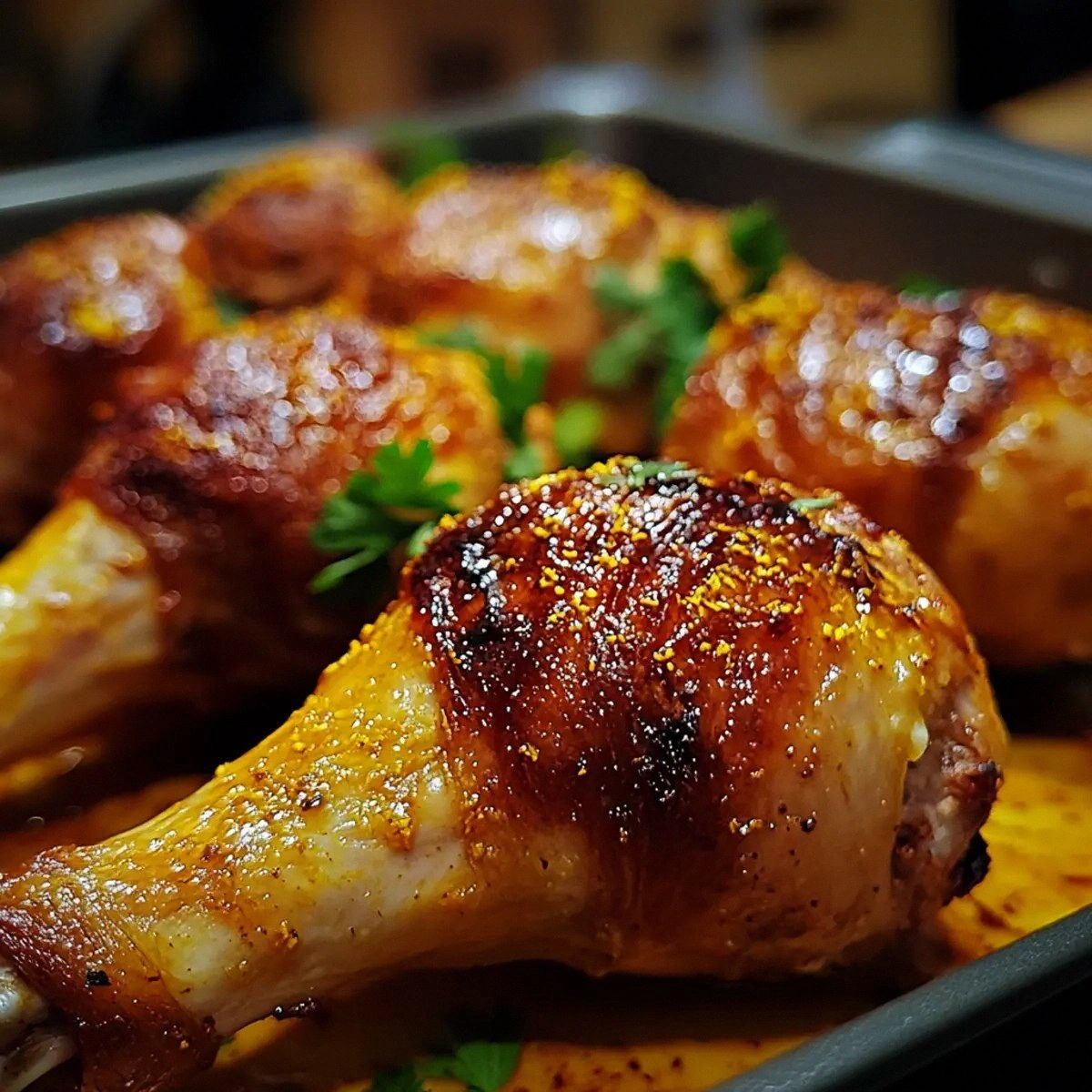
- Texture: The skin turns a perfect, crispy amber without becoming rubbery, thanks to the careful use of oil and a controlled oven temperature. Inside, the meat stays moist and tender, practically falling off the bone.
- Visual Appeal: The golden glaze and saffron threads give the dish a vibrant, almost jewel‑like look that makes it Instagram‑ready and appetizing at a glance.
- Complexity Simplified: Despite the luxurious flavor, the process requires minimal steps and ingredients, making it approachable for even the most novice of cooks.
- Ingredient Quality: Using fresh orange juice and hand‑picked saffron threads ensures the highest quality flavor; no artificial additives needed.
- Make‑Ahead Potential: The glaze can be prepared a day ahead, and the turkey can be marinated in the fridge, saving time on busy evenings.
Inside the Ingredient List
The Flavor Base
Fresh orange juice: This liquid is the backbone of the glaze, providing acidity that balances the honey’s sweetness and brightening the overall flavor. Without it, the glaze would feel flat and syrupy. If you’re short on juice, a splash of white wine or a tablespoon of lemon juice can work, but the citrus profile will shift slightly.
The Texture Crew
Olive oil: The oil coats the turkey skin, promoting even browning and preventing sticking. A higher‑smoke‑point oil like grapeseed or avocado can be used if you’re sensitive to the olive flavor, but the traditional Mediterranean profile is part of the dish’s charm. Skipping oil will result in a dry, uneven roast.
The Unexpected Star
Saffron threads: These golden strands impart a subtle floral note and a luxurious hue that elevates the dish beyond ordinary. If you can’t source saffron, a small pinch of turmeric will provide color, but the aromatic complexity will be missing. When adding saffron, let it steep in the orange juice for 5 minutes to release maximum flavor.
The Final Flourish
Rosemary and bay leaves: These aromatics infuse the meat with deep herbal undertones that balance the citrus sweetness. Fresh rosemary is preferable for its bright scent, but dried can be used if fresh isn’t available. Removing the bay leaves before serving prevents any bitter aftertaste.
Everything's prepped? Good. Let's get into the real action...
The Method — Step by Step
- Start by patting the turkey legs dry with paper towels; this step is critical for a crisp skin. Season each leg generously with salt and pepper, then let them rest at room temperature for 20 minutes to absorb the seasoning. As the meat warms, the flavors deepen, creating a more harmonious bite. The kitchen will start to smell like a savory promise.
- In a small bowl, combine the fresh orange juice, honey, and orange zest. Whisk until the honey dissolves, then set aside. This simple glaze will be the heart of the dish, marrying sweet, acidic, and aromatic notes. I dare you to taste the glaze before it meets the turkey—it's a revelation.
- Heat the olive oil in a large, oven‑safe skillet over medium‑high heat. Once shimmering, add the turkey legs, skin side down, and sear for 3–4 minutes until the skin turns golden brown. Flip the legs and sear the other side for an additional 2 minutes. The searing creates a Maillard reaction that locks in juices.
- Pour the glaze over the turkey, then scatter the saffron threads, rosemary sprigs, bay leaves, garlic cloves, and onion quarters onto the pan. The aromatic ingredients will infuse the meat as it roasts. The orange zest will pop, adding a bright burst of citrus aroma to the kitchen. This is the moment of truth—you’re about to create magic.
- Transfer the skillet to a preheated oven at 375°F. Roast the legs for 25 minutes, basting occasionally with the pan juices. The glaze will thicken into a glossy coating that clings to every crevice. The aroma will fill the room, making even the most skeptical diners swoon.
- Remove the skillet from the oven and let the legs rest for 10 minutes. Resting allows the juices to redistribute, ensuring each bite is moist. While the turkey rests, give the pan a quick deglaze with a splash of white wine or chicken stock, scraping up any caramelized bits. This creates a quick sauce that can be spooned over the meat.
- Serve the legs on a platter, drizzling the pan sauce over the top. Garnish with a few fresh rosemary sprigs for an added pop of color. The final dish should feel like a culinary hug—warm, fragrant, and utterly satisfying. That sizzle when it hits the pan? Absolute perfection.
That's it—you did it. But hold on, I've got a few more tricks that'll take this to another level...
Insider Tricks for Flawless Results
The Temperature Rule Nobody Follows
Many chefs rely on a single temperature, but the secret lies in a two‑stage roast. Start with a high sear to lock in flavor, then lower the heat for the final cook. This method ensures the skin crisps while the interior stays juicy. I once tried a single high temperature and ended up with a dry center.
Why Your Nose Knows Best
Before you even cut into the turkey, trust your nose. A sweet, caramelized aroma signals readiness; a sharp, raw smell indicates more time is needed. My friend once cut in too early, only to discover the meat was still raw. The nose is a reliable, invisible judge.
The 5-Minute Rest That Changes Everything
Letting the turkey rest after roasting is more than a courtesy—it's essential. Resting allows the juices to redistribute, preventing them from spilling onto the plate. Without it, you’ll end up with a dry, unappetizing bite. A 5‑minute rest is all it takes to elevate the dish.
The Secret of Saffron
Saffron is delicate; over‑steeping can lead to bitterness. Steep for exactly 5 minutes in warm orange juice, then strain before adding to the pan. This keeps the flavor bright and prevents the glaze from becoming overly complex.
The Quick Glaze Fix
If the glaze thickens too much before the turkey is done, add a splash of warm water or broth to thin it out. This keeps the coating glossy and prevents scorching. A small adjustment can save a big portion of the dish.
Creative Twists and Variations
This recipe is a playground. Here are some of my favorite ways to switch things up:
Maple‑Saffron Fusion
Swap the honey for pure maple syrup and add a pinch of ground cinnamon. The result is a warm, caramelized flavor that pairs beautifully with the saffron’s floral notes. Ideal for a cozy fall dinner.
Spicy Citrus Kick
Add a teaspoon of crushed red pepper flakes to the glaze and include a sliced jalapeño with the onion quarters. The heat balances the sweetness, giving the dish an unexpected punch. Great for guests who love a bit of heat.
Herb‑Infused Butter Finish
Finish the roast with a pat of herb butter—mix softened butter with chopped parsley, thyme, and a squeeze of lemon. Spread it over the legs as they rest. The butter melts into the meat, adding a silky finish.
Mediterranean Twist
Replace the orange juice with a splash of white wine and add a handful of kalamata olives to the pan. The olives add briny depth, while the wine provides acidity. This version feels like a Mediterranean getaway.
Roasted Veggie Side
Serve the turkey with a side of roasted root vegetables—carrots, parsnips, and sweet potatoes—cooked in the same glaze. The vegetables absorb the sauce, creating a cohesive, flavorful plate that feels like a feast.
Storing and Bringing It Back to Life
Fridge Storage
Cool the turkey to room temperature, then wrap tightly in foil or place in an airtight container. Store in the refrigerator for up to 4 days. The glaze will keep the meat moist and flavorful.
Freezer Friendly
Wrap the cooked turkey legs individually in parchment and then in freezer paper. Label with the date and freeze for up to 2 months. Thaw overnight in the refrigerator before reheating.
Best Reheating Method
Reheat in a preheated oven at 325°F for 15–20 minutes, or until the internal temperature reaches 165°F. Add a splash of water or broth before reheating to steam the meat back to perfection. Finish with a quick sear in a hot skillet for a fresh crust.