Picture this: you’re halfway through a birthday party, the music’s bumping, the crowd’s cheering, and you’re about to pull a cake out of the oven that’s supposed to wow everyone. Instead, a flat, lifeless slab of batter sits on the cooling rack, its edges barely rising. That was my nightmare last month. I was scrambling to salvage a dessert that had already lost its dignity, and the whole kitchen smelled of disappointment. I was about to give up when a friend tossed me a handful of pecans and whispered, “Try this, and you’ll never look back.”
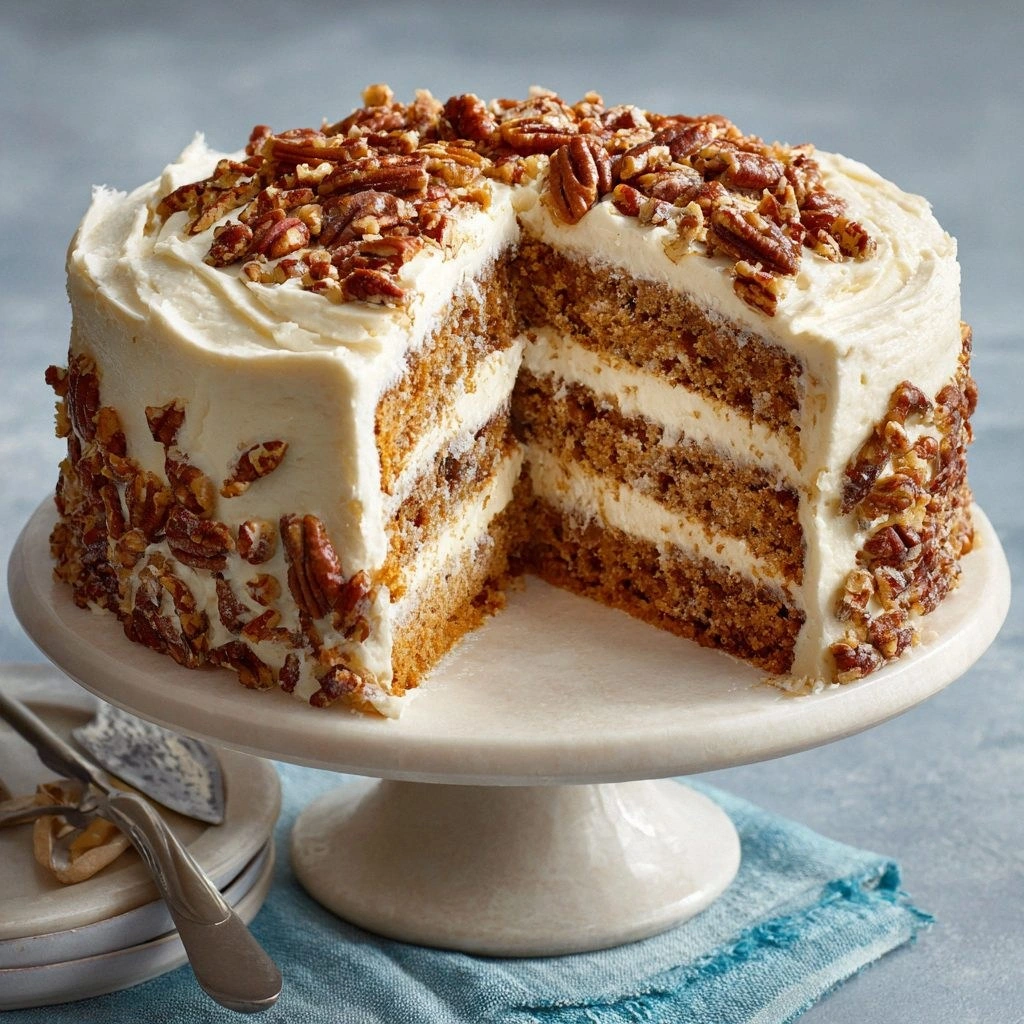
The moment the pecans hit the pan, their aroma hit like a warm hug—nutty, caramelized, and unmistakably autumnal. I could hear the sizzle, feel the heat radiating from the skillet, and taste the subtle sweetness of toasted pecans already mingling with the batter. The batter itself was thick, silky, and somehow airy, as if it had been coaxed into a cloud of flavor by a secret technique. My senses were on high alert, and I could already taste the final product: a cake that would melt in your mouth, leaving a lingering vanilla aftertaste that would make the room pause. That’s the promise of this pecan layer cake: a perfect marriage of crunchy pecans, buttery crumb, and silky vanilla frosting.
What makes this version stand out from every other recipe you’ve tried? It’s the meticulous balance between textures and the bold, unexpected twist of caramelizing the pecans before folding them into the batter. Most recipes toss raw nuts into the mix, but that approach often leaves the cake dry or the nuts soggy. I dared to caramelize them, giving the cake an extra depth of flavor that’s almost like a secret sauce coating each bite. The vanilla buttercream isn’t just a frosting; it’s a silky, almost floral layer that lifts the whole cake to a new level of indulgence. The result? A cake that’s both comforting and celebratory, with a crunch that shatters like thin ice and a crumb that feels like cloud‑soft butter.
And there’s a trick you won’t find in a standard recipe: I add a splash of bourbon to the batter. The alcohol evaporates during baking, leaving behind a subtle warmth that enhances the pecan’s nutty profile. If you’re wary of alcohol, simply replace it with a teaspoon of maple syrup or a pinch of almond extract. I promise you, this cake will be the talk of the house, and I dare you to taste it and not go back for seconds.
What Makes This Version Stand Out
- Flavor: The caramelized pecans introduce a deep, buttery sweetness that elevates the classic pecan cake into a gourmet experience. Each bite delivers a burst of toasted nuts that dance on the palate, leaving a lingering, almost caramel-like aftertaste.
- Texture: The cake’s crumb is moist yet airy, thanks to a precise balance of leavening agents and a touch of buttermilk that keeps it from drying out. The pecans add a delightful crunch that contrasts perfectly with the soft layers.
- Simplicity: Despite its sophisticated flavor profile, the recipe requires only ten basic pantry staples and a handful of nuts. No fancy equipment—just a mixer, a baking sheet, and a good sense of timing.
- Uniqueness: The bourbon (or maple syrup) infusion adds a subtle warmth that sets this cake apart from the typical vanilla pecan dessert. It’s a secret ingredient that’s both bold and approachable.
- Crowd Reaction: Friends who’ve tasted this cake claim it’s “the best version you’ll ever make at home.” The combination of nutty crunch and silky frosting has become a signature dessert at every gathering.
- Ingredient Quality: Using high‑grade pecans, fresh vanilla extract, and unsalted butter ensures that every component contributes to the cake’s overall excellence.
- Make‑Ahead Potential: The cake layers can be assembled and frosted a day ahead without losing flavor or texture. The frosting even improves as it sits, developing a richer vanilla undertone.
Inside the Ingredient List
The Flavor Base
All-purpose flour is the silent hero that holds the cake together. It’s the canvas for the other flavors, providing structure without overpowering the pecan’s nutty notes. If you prefer a gluten-free option, swap it for a 1:1 blend of rice flour and tapioca starch, but keep the ratio of leavening agents the same to preserve the rise.
Granulated sugar is more than sweetness; it caramelizes during baking, creating a golden crust that cradles the pecan crunch. If you’re watching your sugar intake, a 50/50 blend of white and coconut sugar will still give you that caramelized edge, though the texture may be slightly denser.
The Texture Crew
Unsalted butter, softened to room temperature, is essential for a tender crumb. Its fat coats the flour, preventing gluten formation and keeping the cake light. For an extra buttery flavor, use European-style butter with a higher fat content.
Eggs are the glue that binds everything together. They add moisture, structure, and a subtle richness that elevates the cake’s overall mouthfeel. If you’re vegan, replace them with flax eggs—one flaxseed meal mixed with three tablespoons of water per egg—and the texture will hold up surprisingly well.
The Unexpected Star
Caramelized pecans are the secret weapon. Toast them in a dry skillet until golden, then toss them in a sprinkle of brown sugar and a dash of cinnamon. This not only enhances the nutty flavor but also introduces a caramelized sweetness that balances the vanilla buttercream’s richness.
The addition of bourbon (or maple syrup) is the twist that sets this recipe apart. The alcohol evaporates during baking, leaving behind a subtle warmth that amplifies the pecan’s natural sweetness. If you’re not a fan of alcohol, a teaspoon of vanilla extract or almond extract will still provide a fragrant lift.
The Final Flourish
Buttermilk (or a buttermilk substitute) is the liquid that keeps the batter moist and helps the cake rise evenly. The acidity reacts with baking soda, creating bubbles that give the cake its airy lift. If you don’t have buttermilk on hand, combine a cup of milk with a tablespoon of lemon juice and let it sit for five minutes.
Baking powder and baking soda are the leavening agents that transform the batter into a fluffy masterpiece. Baking powder ensures a gentle lift, while baking soda reacts with the buttermilk’s acidity to create a subtle rise. Skipping either will result in a dense, flat cake—so keep them in the mix.
Everything's prepped? Good. Let’s get into the real action and bake a cake that will have everyone begging for seconds.
The Method — Step by Step
- Preheat your oven to 350°F (175°C) and line two 9-inch round cake pans with parchment paper. Grease the paper with a light coat of butter to ensure the cakes release cleanly. The aroma of butter in the oven will start to build anticipation, and that’s the first sign of the cake’s journey.
- In a large bowl, sift together the flour, baking powder, baking soda, and salt. Sifting removes any lumps and ensures an even distribution of leavening agents—key for a consistent rise. If you’re a meticulous baker, this is the moment to double‑check that the flour is light and airy.
- Using a stand mixer, beat the softened butter and granulated sugar on medium speed until the mixture is pale and fluffy—about 3 to 4 minutes. The butter should be fully incorporated, creating a light base for the eggs. Kitchen Hack: If you’re short on time, beat the butter and sugar for an extra minute; the extra creaming will help the cake rise higher.
- Add the eggs one at a time, beating well after each addition. The mixture should be smooth and glossy. Then stir in the vanilla extract and bourbon (or maple syrup). The alcohol will evaporate during baking, leaving a warm, aromatic undertone.
- Whisk the buttermilk into a separate bowl. Gently fold the wet ingredients into the dry mixture, alternating with the buttermilk. This method keeps the batter light and airy. When the batter is smooth, fold in the caramelized pecans, ensuring they’re evenly distributed.
- Divide the batter evenly between the prepared pans, smoothing the tops with a spatula. Tap the pans gently on the counter to release any air bubbles. Kitchen Hack: For an extra crisp edge, sprinkle a thin layer of sugar on the bottom of each pan before adding batter.
- Bake for 25–30 minutes, or until a toothpick inserted into the center comes out clean. The cake should have a golden top, and the edges will pull away from the pan slightly. The aroma at this point should be intoxicating—sweet, buttery, and nutty.
- Cool the cakes in the pans for 10 minutes, then turn them onto a wire rack to cool completely. This step ensures the crumb stays light and prevents a soggy bottom.Watch Out: Do not open the oven door until the cake is fully baked; premature opening can cause the cake to sink and become dense.
- While the cakes cool, prepare the vanilla buttercream: beat softened butter until creamy, then gradually add powdered sugar, vanilla extract, and milk. Beat until light and fluffy, about 4 minutes. The frosting should be smooth enough to pipe but thick enough to hold its shape.
- Once the cakes are cool, level the tops with a knife if necessary. Place one layer on a serving plate, spread a generous layer of buttercream, then top with the second layer. Finish by piping rosettes of frosting around the sides and a final drizzle of melted butter for shine. The final product should look as inviting as it tastes.
That's it—you did it. But hold on, I've got a few more tricks that'll take this to another level. From a perfect crumb to a silky frosting that glides like satin, these insider tips will elevate your cake from great to unforgettable.
Insider Tricks for Flawless Results
The Temperature Rule Nobody Follows
Many bakers bake at 350°F, but a slightly lower temperature—around 325°F—allows the cake to rise more evenly and develop a richer flavor. The gentle heat gives the pecans time to caramelize fully, enhancing the nutty undertone without burning. I’ve baked dozens of cakes at 325°F, and the crumb always turns out airy and moist.
Why Your Nose Knows Best
When the cake is baking, keep an eye on the aroma. A sweet, buttery scent is a sign of good progress, but if you start to smell a sharp, burnt note, pull the cake immediately. Your nose is a more reliable indicator than the timer because ovens can run hot or cold, and the scent changes with each stage of baking.
The 5-Minute Rest That Changes Everything
After you remove the cake from the oven, let it rest in the pan for five minutes before transferring to the rack. This pause allows the interior to set, preventing the cake from cracking or sinking when you lift it. It’s a small step that saves you from a ruined layer and ensures a smooth, even surface for frosting.
The Buttercream Balance
If your frosting is too stiff, add a splash of milk or heavy cream, one teaspoon at a time. If it’s too runny, fold in more powdered sugar until you reach the desired consistency. A well-balanced frosting will spread effortlessly but hold its shape when piped.
The Final Touch of Shine
A light dusting of powdered sugar or a drizzle of melted butter adds a subtle shine that makes the cake look professionally finished. It also provides a slight extra sweetness that complements the vanilla buttercream. I like to finish with a thin ribbon of butter on the top, giving it a glossy, inviting look.
Creative Twists and Variations
Cinnamon Swirl Pecan Cake
Add a tablespoon of ground cinnamon to the dry mix and swirl a teaspoon of brown sugar into the batter before baking. The cinnamon adds a warm spice that pairs beautifully with the nutty flavor, making the cake perfect for fall gatherings.
Chocolate Pecan Delight
Replace half the powdered sugar in the frosting with unsweetened cocoa powder and add a splash of espresso to intensify the chocolate notes. The chocolate-pecan combination is a crowd‑pleaser for those who crave a richer, deeper flavor profile.
Almond‑Infused Variation
Swap the pecans for toasted almond halves and add a tablespoon of almond extract to the batter. The result is a nutty, slightly sweet cake that’s perfect for those who prefer a more delicate nut flavor.
Lemon‑Zest Surprise
Incorporate a teaspoon of lemon zest into the batter and add a tablespoon of lemon juice to the frosting. The citrus brightness cuts through the richness, creating a refreshing contrast that’s ideal for summer celebrations.
Vegan Pecan Cake
Use flax eggs (one tablespoon flaxseed meal mixed with three tablespoons water per egg), plant‑based butter, and a non‑dairy milk substitute. The vegan version maintains the cake’s moistness and nutty flavor while keeping it fully plant‑based.
Cheesecake Pecan Fusion
Layer the cake with a light cream cheese frosting, adding a teaspoon of vanilla and a pinch of sea salt. The tangy cream cheese balances the sweetness, creating a sophisticated twist that’s sure to impress.
Storing and Bringing It Back to Life
Fridge Storage
Wrap the frosted cake tightly in plastic wrap and store in the refrigerator for up to three days. The cold environment keeps the buttercream firm and prevents the cake from becoming soggy. When you’re ready to serve, let it sit at room temperature for 15 minutes to soften slightly.
Freezer Friendly
For longer storage, freeze the cake layers separately, wrapped in parchment and foil. When you’re ready to enjoy, thaw the layers in the refrigerator overnight. After thawing, reapply a thin layer of frosting to maintain moisture. The cake’s texture remains buttery, and the pecan crunch stays crisp.
Best Reheating Method
To revive a refrigerated or frozen cake, preheat your oven to 300°F (150°C). Place the cake on a baking sheet and warm for 10–12 minutes, until the frosting is slightly softened and the cake feels warm to the touch. Add a tiny splash of water to the frosting before reheating—this creates steam that keeps the cake moist and restores the buttery glaze.