Picture this: you’re halfway through a week of bland take‑out, the fridge is a barren wasteland, and your friends are already debating whether to order sushi or pizza for dinner. The moment you hear the sizzling sound of oil in a pan, you know something is about to change. I’m talking about a dish that turns ordinary cod into a show‑stopper, a dish that makes the kitchen smell like a tropical beach and the taste buds do a double take. It’s sweet, it’s spicy, and it’s the kind of meal that you’ll brag about to anyone who’ll listen.
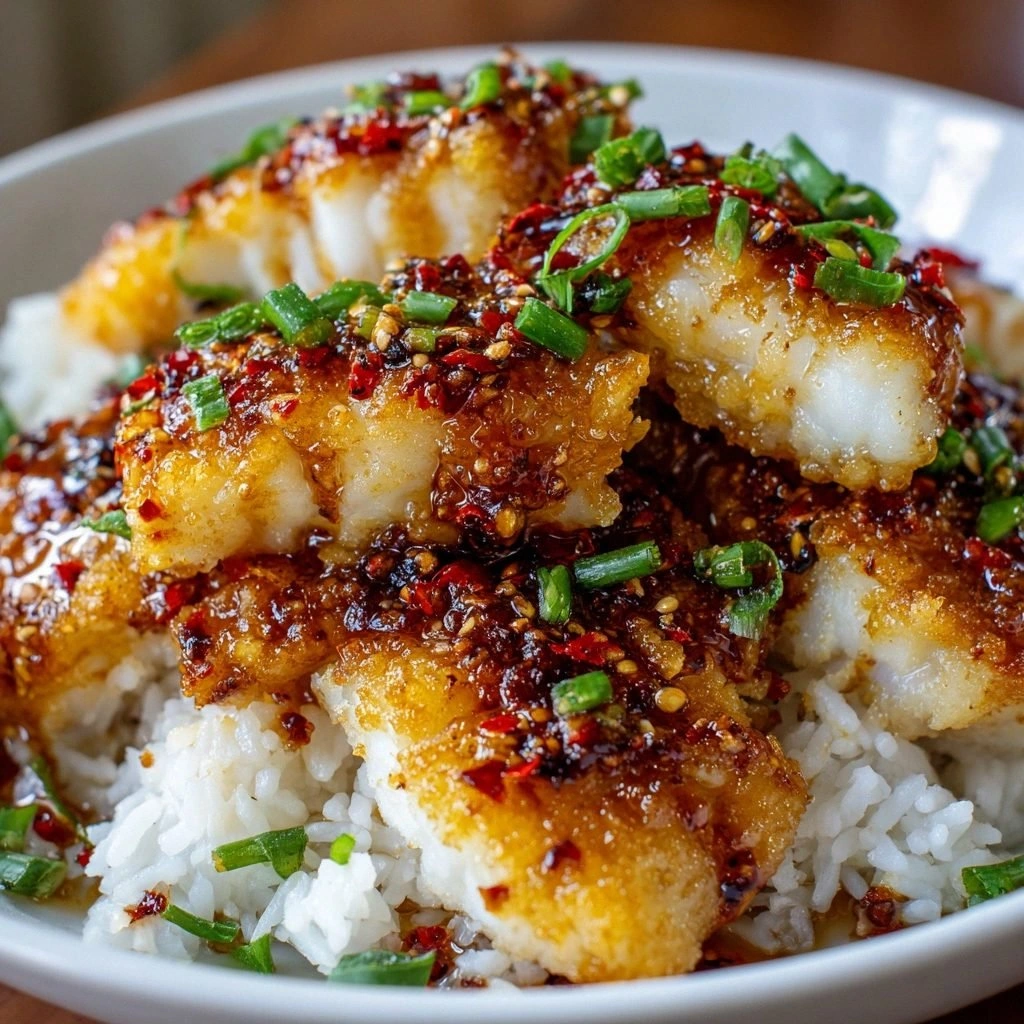
I’m not going to give you a run‑of‑the‑mill cod recipe. I’m going to hand you a version that’s so layered in flavor it could win a Michelin star—if Michelin were a reality show. The sauce glazes the fish like a glossy, caramelized lacquer, the rice is fluffy and fragrant, and the chili flakes give a gentle bite that lingers. I dare you to taste this and not go back for seconds. That’s the promise I’m making to you.
What makes this version stand out? It’s not just the ingredients, but the way they’re brought together. Think of each element as a musician in an orchestra, and I’ve written the score. The cod is the lead, the sauce the percussion, the rice the bass line. When you bring them together, the harmony is undeniable. I’ll walk you through every step, from prep to plating, so you can recreate the magic in your own kitchen.
By the end of this post, you’ll have a dish that will make your friends question why they ever settled for anything else. I’ll share a secret technique that most recipes overlook, a hack that ensures your cod stays moist, and a garnish that adds a pop of color. Ready to elevate your fish game? Let’s dive in.
What Makes This Version Stand Out
- Taste: The sauce balances sweetness from honey with the heat of sriracha, creating a complex flavor profile that sings on the palate. This harmony turns a simple fish fillet into an unforgettable main course.
- Texture: The cod’s exterior crisps to a golden crunch while the interior stays tender and flaky, like a perfectly baked croissant. The rice acts as a fluffy backdrop that soaks up every drop of sauce.
- Ingredient Quality: Fresh cod, real honey, and high‑quality soy sauce elevate the dish beyond the ordinary. The choice of ingredients is the secret sauce that makes everything else shine.
- Visual Appeal: The vibrant green onions, the bright orange glaze, and the contrast between the pale fish and the dark rice create a plate that looks as good as it tastes.
- Ease of Execution: Every step is straightforward, even for a kitchen novice. The method is foolproof, and the timing is built into the recipe to keep you on track.
- Versatility: The base can be swapped for different grains or proteins, making it a playground for experimentation.
- Make‑Ahead Potential: The sauce can be prepared ahead of time, and the cod can be marinated overnight, saving you precious minutes on the day of cooking.
- Crowd‑Pleaser: The dish’s balanced flavor profile is a hit at family dinners and dinner parties alike. It’s the kind of dish that people will ask you to make again and again.
Alright, let’s break down exactly what goes into this masterpiece. The next section will dive into the ingredient list and why each component matters.
Inside the Ingredient List
The Flavor Base
Honey is the sweet backbone of this dish, providing a caramelized glaze that coats the fish like velvet. It also helps to caramelize the surface of the cod during frying, giving that coveted golden crust. If you prefer a maple twist, simply swap honey for maple syrup; the result will be just as delightful.
Soy sauce is the savory counterpoint that balances the sweetness. It’s the umami punch that deepens the overall flavor profile. For a gluten‑free version, use tamari, which offers the same salty depth without the wheat.
Sriracha adds a fiery kick that keeps the dish from feeling one‑dimensional. Adjust the amount based on your spice tolerance; a tablespoon is a sweet spot for most palates. If you’re a heat lover, add a pinch more, but remember that the heat will mellow slightly as the sauce cooks.
The Texture Crew
Cod fillets are the star of the show, flaky and mild, making them perfect for absorbing the glaze. Fresh fillets hold their shape better during frying, but frozen cod works well if thawed properly. Choose fillets that are firm to the touch; a mushy fillet will break apart in the pan.
Rice acts as the fluffy base that soaks up every last drop of sauce. Jasmine or basmati rice gives a fragrant quality, but any long‑grain rice will do. Cook the rice slightly underdone so it remains al dente and can absorb flavors without becoming mushy.
Garlic, freshly minced, adds depth and aroma that permeates the entire dish. Garlic powder can be used in a pinch, but fresh garlic provides a brighter, cleaner flavor that complements the sweet glaze.
The Unexpected Star
Chili flakes bring a subtle heat that adds texture to the glaze. They also create a visual contrast, scattering across the surface like tiny embers. If you’re not a fan of chili, replace them with a pinch of paprika for a smoky note.
Green onions garnish the dish with a fresh crunch and a pop of color. They’re the final touch that signals the dish is ready to serve. Chop them finely so they distribute evenly across the plate.
The Final Flourish
Salt and pepper are essential for seasoning. Don’t skip them; they elevate the flavors of the dish. Use a light hand—too much salt will overpower the delicate balance of sweet and spicy.
Oil for frying is a neutral choice like canola or vegetable oil. It allows the cod to develop a golden crust without imparting additional flavors. Heat the oil to 350°F (175°C) for the best results.
Everything’s prepped? Good. Let’s get into the real action.
The Method — Step by Step
- First, pat the cod fillets dry with paper towels. This step is crucial—any surface moisture will cause the oil to splatter. Season each fillet with a pinch of salt and pepper. The seasoning should be light; you’ll be adding more flavor later. Set the fillets aside while you prepare the glaze.
- In a small bowl, whisk together honey, soy sauce, sriracha, minced garlic, and chili flakes until fully blended. The mixture should be smooth, with no lumps of chili or garlic. This glaze will coat the fish like a glossy lacquer, so make sure it’s well emulsified. Keep the glaze warm on the stove for a few minutes to thicken slightly.
- Heat 2 tablespoons of oil in a large skillet over medium‑high heat. Test the oil by flicking a drop of water into the pan; if it sizzles immediately, the oil is ready. Place the cod fillets in the skillet, skin side down if applicable. The sizzle should be loud—absolute perfection.
- Cook the fillets for 3–4 minutes on the first side, until the edges start to turn golden and the fish releases easily from the pan. Flip carefully; you want to preserve the crisp crust. The second side should take another 3 minutes, depending on thickness. The fish is done when it flakes easily with a fork.
- Reduce the heat to medium and pour the glaze over the cod. Let it simmer for 2 minutes, spooning it over the fish to ensure even coverage. The glaze will thicken into a syrupy coat that clings to every curve of the fillet. This is the moment of truth.
- While the glaze is cooking, prepare the rice according to package instructions. For best results, use a rice cooker or a pot with a tight‑fitting lid. The rice should be fluffy and not sticky, so avoid over‑cooking.
- Once the glaze is thickened, remove the cod from the skillet and place it on a serving platter. Spoon the remaining glaze over the fillets. The sauce should be glossy and slightly caramelized, like a sweet glaze on a cake.
- Garnish with chopped green onions, and serve immediately over a bed of warm rice. The contrast of textures—crispy fish, fluffy rice, and a glossy glaze—creates a dish that’s both comforting and exciting. Enjoy the symphony of flavors.
That’s it—you did it. But hold on, I’ve got a few more tricks that will take this to another level.
Insider Tricks for Flawless Results
The Temperature Rule Nobody Follows
Many cooks think a higher temperature is always better for frying fish. In reality, a moderate heat ensures the fish cooks evenly without drying out. I’ve found that maintaining 350°F (175°C) is ideal; it allows the exterior to crisp while the interior stays moist. If you’re unsure, use a kitchen thermometer or rely on the sizzle test.
Why Your Nose Knows Best
Your sense of smell is a reliable indicator of doneness. When the glaze starts to caramelize and emits a sweet, slightly nutty aroma, you’re ready to flip the fish. Don’t rely solely on time—smell is a more accurate cue.
The 5‑Minute Rest That Changes Everything
After cooking, let the cod rest for five minutes on a warm plate. This step allows the juices to redistribute, preventing the fish from drying out. During this short rest, the glaze continues to thicken slightly, sealing in flavor.
The Perfect Rice Ratio
A common mistake is over‑cooking the rice, which leads to a mushy base that swallows the sauce. The key is to cook the rice just until it’s tender but still firm. A 1:1.25 water-to-rice ratio works for most long‑grain varieties.
The Quick Fix for a Sticky Glaze
If your glaze becomes too thick, add a splash of water or extra soy sauce to thin it out. Stir constantly to prevent burning. A slightly thinner glaze will cling better to the fish, ensuring every bite is coated.
The Green Onion Trick
Use both the white and green parts of the onions. The white part offers a milder flavor, while the green part adds brightness. This combination provides a balanced garnish that’s both visual and gustatory.
Creative Twists and Variations
This recipe is a playground. Here are some of my favorite ways to switch things up:
Coconut‑Rice Variation
Replace water with coconut milk when cooking the rice for a tropical twist. The coconut adds a subtle sweetness that complements the glaze. Serve the cod over the coconut rice for a beachy vibe.
Pineapple Salsa Finish
Top the cod with a fresh pineapple salsa to introduce a fruity acidity. The sweet pineapple cuts through the richness of the glaze. This variation is perfect for summer gatherings.
Spicy Shrimp Upgrade
Swap cod for shrimp to create a seafood medley. Shrimp cooks faster, so adjust the timing accordingly. The result is a lighter, yet still flavorful dish.
Gluten‑Free Swap
Use tamari instead of soy sauce for a gluten‑free version. The flavor profile remains intact, and the dish stays safe for those with gluten sensitivities. No other changes are necessary.
Vegetarian Twist
Replace cod with firm tofu cubes. Marinate the tofu in the glaze before pan‑frying. The tofu absorbs the sweet‑spicy sauce, creating a satisfying vegetarian option.
Herb‑Infused Variation
Add a handful of fresh cilantro or basil to the glaze for an aromatic lift. The herbs pair well with the citrusy notes of the honey. This version offers a fresh, herbaceous finish.
Storing and Bringing It Back to Life
Fridge Storage
Store leftovers in an airtight container in the refrigerator for up to 3 days. The cod may dry out slightly, so reheat gently in a skillet with a splash of water to re‑moisturize. The glaze will re‑thicken, giving a fresh coating.
Freezer Friendly
Freeze the cod and rice separately in freezer‑safe bags. The cod can be thawed overnight in the fridge before reheating. The rice can be reheated in the microwave with a damp paper towel.
Best Reheating Method
Reheat the cod in a non‑stick pan over low heat, adding a teaspoon of water to keep it moist. Once heated, drizzle a little extra glaze for extra flavor. Serve immediately over freshly warmed rice.