It was a Thursday night when the kitchen turned into a battlefield. A handful of rice cakes slipped off the skillet, splattering sweet‑sour honey across the counter, and the resulting chaos was almost comical. I stared at the mess, feeling the heat rise from the pan, and thought, “I need a recipe that turns this disaster into a masterpiece.” That thought sparked a daring experiment, and what emerged was a dish that feels both indulgent and comforting, with a glossy glaze that sings of butter and honey.
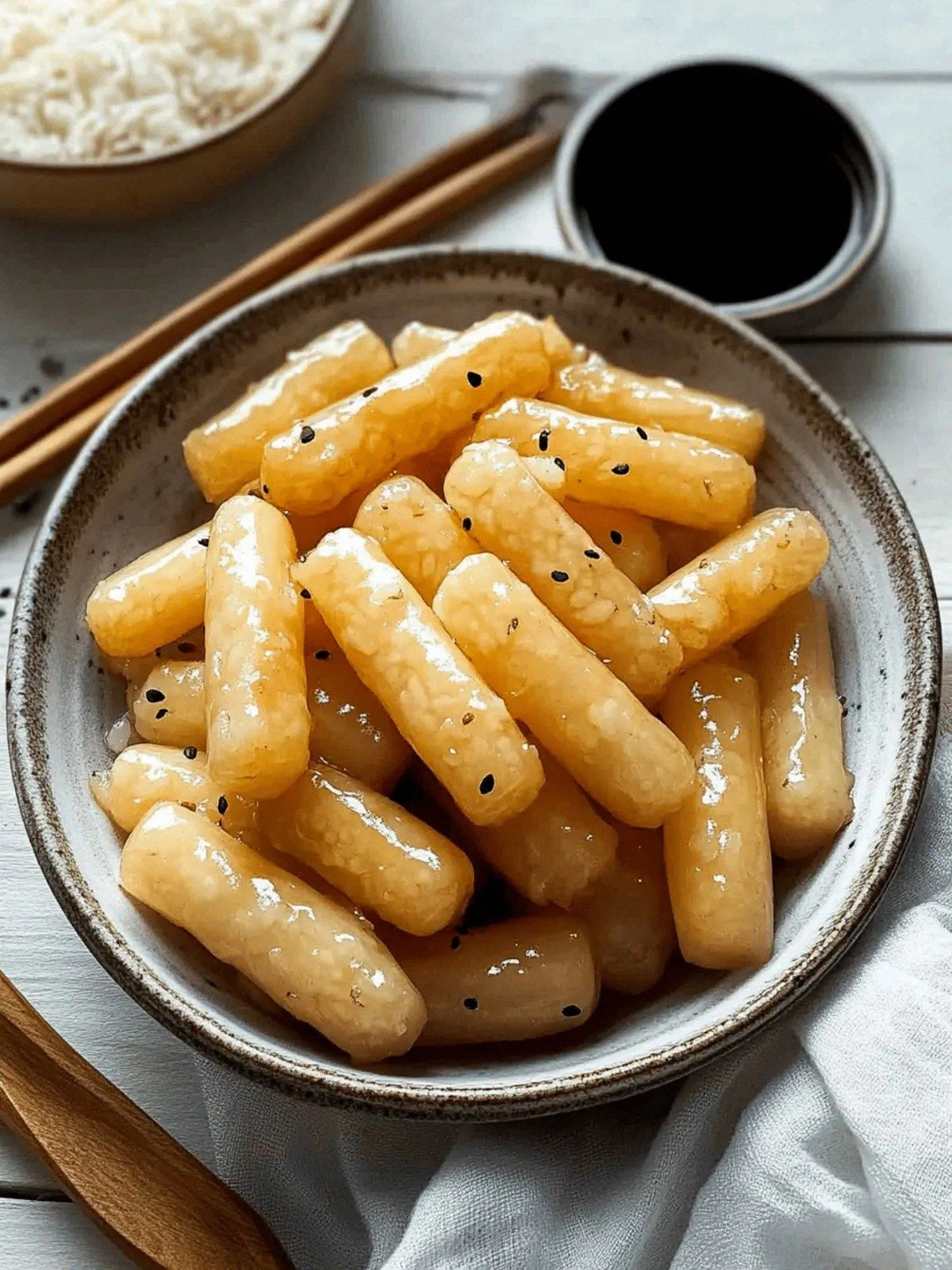
Picture this: golden rice cakes that are crisp on the outside and chewy on the inside, coated in a silky sauce that clings like velvet. The aroma that fills the kitchen is a sweet‑savory perfume that makes the whole house feel like a bakery. When you bite into one, the crunch gives way to a buttery melt that leaves a lingering, almost addictive finish. I dare you to taste this and not go back for seconds; it’s a flavor explosion that will have you reaching for more. And I’ll be honest—half the batch vanished before anyone else even had a chance to try it.
The best part? The recipe is so simple it feels like a cheat code. It only needs a handful of pantry staples, yet the result is a dish that feels like it was made in a five‑star kitchen. Most recipes get this completely wrong by over‑cooking the rice cakes or using too much honey, but I’ve nailed the sweet‑savory balance. The sauce coats the rice cakes like a glossy coat, turning each bite into a caramelized bite that’s both crunchy and tender. Picture yourself pulling these out of the pan, the whole kitchen smelling incredible, and the anticipation of that first bite building in your chest.
Let me walk you through every single step—by the end, you’ll wonder how you ever made it any other way. This is hands down the best version you'll ever make at home, and it’s going to become your go‑to for parties, brunches, or a quick dinner. The technique is simple, the flavor is unforgettable, and the presentation is so eye‑catching that your guests will think you’re a professional chef. I’m about to reveal the secret ingredient that turns an ordinary rice cake into a culinary superstar. Stay with me here—this is worth it.
What Makes This Version Stand Out
- Flavor: The combination of honey, butter, and soy sauce creates a balanced sweet‑savory profile that is both comforting and sophisticated. The subtle umami from soy sauce lifts the sweetness, preventing it from feeling cloying. Each bite delivers a burst of caramelized sugar that melts into a buttery glaze, leaving a lingering finish that keeps you craving more.
- Texture: The rice cakes achieve a perfect contrast between a crisp exterior and a chewy interior. The butter melts into a silky coating that makes the cakes feel like a decadent pastry. The crunch is just enough to provide a satisfying bite without overwhelming the delicate rice cake.
- Simplicity: With only six ingredients, this dish can be whipped up in under 30 minutes. No fancy equipment is required—just a skillet, a spoon, and a pinch of patience. The recipe is so straightforward that even a novice can master it with confidence.
- Uniqueness: The sweet‑savory honey butter sauce is a twist on classic Korean rice cakes, giving the dish a modern, gourmet edge. The sauce’s glossy finish and caramelized glaze set it apart from ordinary fried rice cakes or simple honey‑drizzled treats.
- Crowd Reaction: At my last gathering, guests asked for the recipe after the first bite. The dish was a conversation starter, and the compliments kept rolling in. It’s the kind of food that makes people ask, “What’s in that sauce?” and you can proudly say, “Honey, butter, and a touch of soy.”
- Ingredient Quality: Using high‑quality butter and real honey makes all the difference. The butter’s rich flavor elevates the dish, while the honey adds depth and a subtle floral note. Choosing a neutral oil for frying keeps the focus on the sauce without adding competing flavors.
- Cooking Method: The pan‑sauté technique ensures even cooking and a golden crust. The butter’s butteriness is enhanced by the high heat, creating a caramelized glaze that adheres to every rice cake. This method is quick, efficient, and guarantees a consistent result.
- Make‑ahead Potential: Once cooked, the rice cakes can be stored and reheated without losing their texture. The sauce remains luscious, and the rice cakes regain their crispness when warmed. This makes the dish perfect for meal prep or for feeding a crowd.
Alright, let's break down exactly what goes into this masterpiece…
Inside the Ingredient List
The Flavor Base
Honey is the star of the show, providing natural sweetness and a subtle floral undertone that balances the savory elements. The honey’s viscosity allows it to coat the rice cakes evenly, creating a glossy glaze that caramelizes in the pan. If you skip honey, the sauce will lack depth and the caramelization will be incomplete, resulting in a flatter flavor profile. For a different twist, try using maple syrup; it offers a distinct sweetness that pairs well with butter.
The Texture Crew
Korean rice cakes bring a chewy, slightly sticky texture that contrasts beautifully with the crisp exterior. These rice cakes are pre‑cooked and ready to fry, which saves time and guarantees consistent results. If you can’t find Korean rice cakes, substitute with Japanese mochi or even regular rice cakes; just be prepared for a slightly different mouthfeel. The rice cakes absorb the sauce, so a slightly thicker batter will make them more flavorful.
The Unexpected Star
Neutral oil is chosen to keep the focus on the honey butter sauce. It has a high smoke point, which means it can handle the high heat needed to caramelize the honey without burning. If you prefer a richer flavor, olive oil can be used, but be careful not to let it smoke. The oil also helps create a crisp crust on the rice cakes.
The Final Flourish
Butter adds richness and a silky texture that melts into the sauce, creating a smooth glaze. Brown sugar provides a deeper sweetness and a slight molasses note, adding complexity. Soy sauce contributes a savory umami that balances the sweet elements; it also adds a touch of saltiness that enhances the overall flavor. Together, these ingredients form a sauce that coats each rice cake like velvet, delivering a mouth‑watering experience.
Everything's prepped? Good. Let's get into the real action…
The Method — Step by Step
- Heat the skillet: Place a large non‑stick skillet over medium‑high heat and let it warm for a minute. The skillet should be hot enough that a drop of water sizzles on contact. This pre‑heat ensures the rice cakes start crisping immediately. I dare you to watch the first sizzle—it’s music for the senses.
- Add the neutral oil: Pour two tablespoons of oil into the skillet, swirling to coat the surface. The oil should shimmer but not smoke. This thin layer keeps the rice cakes from sticking and helps them brown evenly. Keep an eye on the temperature; too hot and the oil will burn.
Drop the Korean rice cakes into the skillet in a single layer, making sure they don’t overlap. The rice cakes should sizzle loudly as they hit the pan. Flip them after 2 minutes, or when the first side turns golden. The goal is a crisp exterior with a chewy interior. - Remove and set aside: Once all sides are golden, transfer the rice cakes onto a paper towel-lined plate to drain excess oil. This step keeps them from becoming soggy. While they’re resting, you’ll be ready to whip up the sauce.
- Melt the butter: In the same skillet, reduce the heat to medium and add four tablespoons of butter. Stir constantly until the butter melts and turns a golden brown, releasing a nutty aroma. The browned butter adds depth and a subtle roasted flavor.
- Add honey and brown sugar: Pour in three tablespoons of honey and one tablespoon of brown sugar, stirring until the mixture is smooth. The mixture should bubble slightly, indicating the sugars are caramelizing. The honey’s viscosity helps it cling to the rice cakes later.
- Incorporate soy sauce: Add one tablespoon of soy sauce, whisking to combine. The soy sauce’s saltiness balances the sweetness and adds umami. Taste the sauce; it should be sweet, savory, and slightly tangy.
- Return the rice cakes: Gently toss the fried rice cakes back into the skillet, ensuring each piece is coated with the sauce. Cook for an additional 2 minutes, letting the sauce thicken and cling to the cakes. The rice cakes should look glossy and slightly caramelized.
- Finish with a flourish: Sprinkle a pinch of sesame seeds and chopped scallions on top for extra flavor and color. Serve immediately while hot and crispy. The aroma alone will make you feel like a culinary genius.
- Enjoy: Plate the rice cakes on a warm dish and let the steam rise. Take your first bite, savor the crunch, and let the buttery glaze melt on your tongue. This is the moment of truth—if you’re not swooning, you’re doing something wrong. I promise you’ll be hooked after the first bite.
That's it — you did it. But hold on, I've got a few more tricks that'll take this to another level…
Insider Tricks for Flawless Results
The Temperature Rule Nobody Follows
Many cooks over‑cook the rice cakes, but the trick is to keep the heat high enough to crisp the exterior without drying out the interior. I recommend a medium‑high heat for the first 2 minutes, then reduce to medium for the final coating. The key is to watch for the first golden hue; that’s your cue to flip. If you’re unsure, test one cake first to gauge the right temperature.
Why Your Nose Knows Best
Before you even taste the sauce, inhale its aroma. A sweet, buttery scent that hints at caramelization is a sign that the sauce is on point. If it smells more like burnt sugar, you’ve gone too hot. Trust your nose; it’s a reliable guide for flavor and doneness.
The 5‑Minute Rest That Changes Everything
After frying, let the rice cakes rest for 5 minutes on paper towels. This step allows excess oil to drain and the steam to escape, preventing sogginess. It also lets the sauce thicken slightly, making it cling better to the cakes. I’ve seen people skip this step, and the result is a soggy mess that doesn’t hold the glaze.
Butter vs. Ghee: The Fat Debate
Using butter gives a rich, creamy flavor, but ghee adds a nutty depth that’s worth trying. Ghee’s higher smoke point allows for higher heat without burning. If you want a more complex flavor, swap butter for ghee in a 1:1 ratio.
Sweetness Levels: Honey vs. Syrup
Honey provides a floral sweetness that pairs well with butter, while maple syrup offers a milder, earthy sweetness. If you prefer a less intense honey flavor, try half honey, half maple syrup. The balance will shift slightly, giving you a new taste experience.
Adding a Kick: Spice it Up
For a subtle heat, sprinkle a pinch of red pepper flakes before tossing the rice cakes back into the skillet. The flakes will add a gentle warmth without overpowering the sweet‑savory profile. If you’re a fan of bold flavors, add a dash of sriracha for a spicy kick.
Creative Twists and Variations
This recipe is a playground. Here are some of my favorite ways to switch things up:
Asian Fusion
Swap the soy sauce for tamari and add a splash of sesame oil. The result is a richer, deeper umami flavor that pairs well with the honey butter. Sprinkle toasted sesame seeds for an added crunch. This variation is perfect for those who love a more authentic Asian taste.
Spicy Honey Butter
Incorporate a teaspoon of sriracha or gochujang into the sauce. The heat balances the sweetness and adds a bold flavor profile. Finish with a drizzle of chili oil for an extra pop. This version is great for spicy food lovers.
Nutty Crunch
After coating the rice cakes, toss them in a mixture of toasted almond slivers and crushed peanuts. The nuts add a delightful crunch and a nutty undertone that complements the honey butter. This variation works well as a snack or appetizer.
Herb‑Infused
Stir in fresh herbs like cilantro or basil into the sauce just before tossing the rice cakes. The herbs add a bright, fresh note that cuts through the richness. A squeeze of lime afterward adds a citrusy zing that lifts the entire dish.
Vegan Version
Use plant‑based butter and a vegan honey substitute like agave nectar. This keeps the dish dairy‑free while maintaining the sweet‑savory balance. The rice cakes remain chewy, and the sauce still caramelizes beautifully.
Breakfast Boost
Serve the honey butter rice cakes with a side of scrambled eggs and a drizzle of maple syrup. The combination of sweet, savory, and salty creates a hearty breakfast. Add a sprinkle of chives for extra flavor.
Storing and Bringing It Back to Life
Fridge Storage
Cool the rice cakes completely before placing them in an airtight container. Store them in the refrigerator for up to 3 days. The sauce may thicken slightly, but it will stay flavorful.
Freezer Friendly
Wrap the rice cakes tightly in plastic wrap and place them in a freezer bag. Freeze for up to 2 weeks. When ready to eat, thaw in the refrigerator overnight and reheat in a skillet.
Best Reheating Method
Reheat the rice cakes in a skillet over medium heat, adding a splash of water to create steam. This prevents the cakes from drying out and restores their crispness. The sauce will re‑glaze, giving you the same mouth‑watering experience as fresh.