INTRODUCTION
Picture this: a midnight kitchen, the faint hum of the refrigerator, and the sudden realization that the pantry is empty except for a bag of chickpeas, a handful of spinach, and a stubborn loaf of bread that has been sitting too long. I was on a mission to rescue that bread and turn it into something that would make my taste buds dance. The result? A golden, airy, spinach‑laden chickpea cake that defied every expectation of what a “cake” can be. If you’ve ever tried to bake with chickpea flour and felt like you were shooting in the dark, this is the light you’ve been missing.
From the first crackle as the batter hits the pan, to the aroma that drifts through the kitchen like a warm hug, every sense is engaged. The batter’s silky texture feels like a soft blanket, the sizzling sound is a promise of crisp edges, the smell of toasted cumin and garlic is an invitation, the taste is a harmonious blend of earthiness and subtle sweetness, and the visual of a golden crown rising from the skillet is a triumph. I dare you to taste this and not go back for seconds; the first bite is enough to convince even the most skeptical palate.
What sets this version apart from every other chickpea‑spinach recipe out there is the meticulous balance of moisture and crunch, the secret use of a small amount of milk to create a tender crumb, and the inclusion of Parmesan that adds a savory depth without overpowering the greens. The batter is deliberately thin, allowing the spinach to bloom while the chickpeas provide body and protein. It’s a dish that feels like a hug, a comfort food that is surprisingly sophisticated.
And there’s a twist you won’t expect: the subtle addition of a splash of lemon juice right before baking. That acid lifts the flavors, brightens the color, and gives the cake a slight tang that cuts through the richness. If you’re ready to discover a new staple for dinner, brunch, or a hearty snack, let me walk you through every single step — by the end, you’ll wonder how you ever made it any other way.
What Makes This Version Stand Out
- Flavor: The combination of chickpeas, spinach, and Parmesan creates a savory, umami-packed profile that feels both comforting and adventurous.
- Texture: A silky batter that yields a tender crumb inside while the edges crisp to a delightful golden brown.
- Simplicity: Only 12 ingredients, most of which you likely already have on hand, and a single pan.
- Uniqueness: The use of lemon juice to brighten the dish and a pinch of smoked paprika for depth of flavor.
- Audience: A crowd‑pleaser that works for vegetarians, vegans (swap Parmesan), and even meat lovers looking for a lighter side.
- Ingredient Quality: Fresh spinach, high‑protein chickpea flour, and a good olive oil make all the difference.
- Cooking Method: One pan, minimal cleanup, and a quick 30‑minute turnaround.
- Make‑Ahead: The batter can be prepared up to 24 hours ahead; just cover tightly and refrigerate.
Alright, let's break down exactly what goes into this masterpiece…
Inside the Ingredient List
The Flavor Base
At the heart of this cake is the chickpea flour, a protein powerhouse that gives the batter structure and a nutty undertone. It’s the backbone that holds everything together, especially when you’re mixing in a lot of moisture from the spinach and milk. Skipping it would leave the cake soggy and lacking body. If you’re lactose intolerant or vegan, a dairy‑free milk such as oat or almond keeps the batter moist without the heaviness of dairy.
The Texture Crew
Fresh spinach is the star of the show, offering a subtle earthiness and a pop of color. When finely chopped, it blends into the batter, creating pockets of green that melt into the crumb. The mashed chickpeas add body and a subtle graininess that contrasts beautifully with the smoothness of the batter. A pinch of baking powder ensures the cake rises, giving it that airy feel that’s essential for a good crumb.
The Unexpected Star
Parmesan cheese is the secret weapon that elevates the dish from simple to sublime. Its sharpness cuts through the richness and adds a savory depth that makes the cake feel indulgent yet healthy. If you’re vegan, try nutritional yeast or a plant‑based parmesan alternative; the flavor profile will stay intact.
The Final Flourish
Herbs and spices—garlic, onion, cumin, smoked paprika, salt, pepper—are the finishing touches that bring everything together. The garlic and onion create a savory base, cumin adds warmth, and smoked paprika gives a hint of smokiness that lingers on the tongue. The lemon juice, added just before baking, brightens the dish, brightening the color of the spinach and providing a subtle citrus lift that balances the richness.
Everything's prepped? Good. Let's get into the real action…
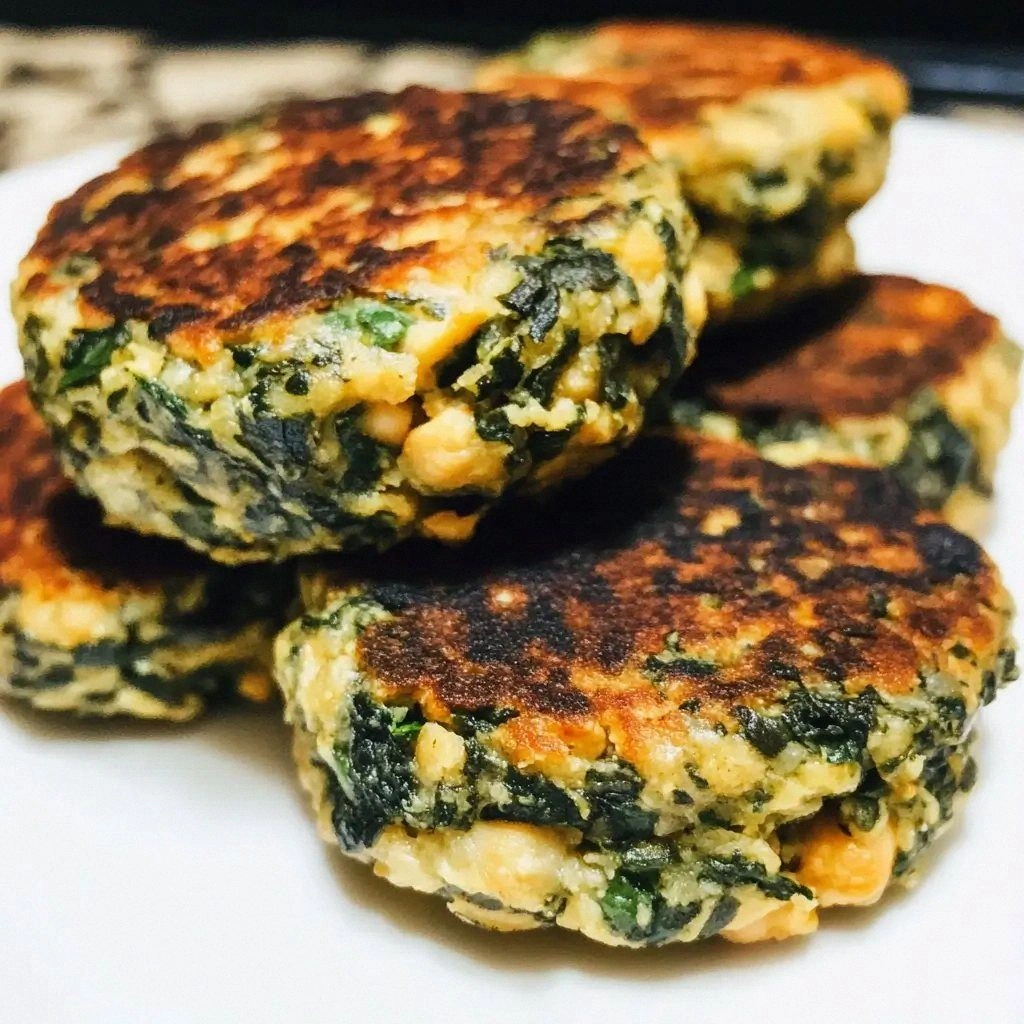
The Method — Step by Step
- Step 1: Preheat your oven to 375°F (190°C) and lightly grease a 9‑inch square baking pan. The heat should be steady; a hot pan ensures a crisp bottom. If you’re using a non‑stick pan, a light dusting of flour keeps the cake from sticking. Let the oven warm up while you finish the batter so nothing gets cold.
- Step 2: In a large bowl, whisk together the chickpea flour, all‑purpose flour, baking powder, cumin, smoked paprika, salt, and pepper until well blended. This dry mix is the foundation; a good mix ensures even distribution of leavening agents.
- Step 3: In a separate bowl, beat the eggs and milk together. The milk keeps the batter moist; if you’re vegan, use a plant milk. Add the lemon juice now—its acidity will react with the baking powder to give the cake a subtle lift.
- Step 4: Combine the wet and dry ingredients. Stir until just incorporated; overmixing can develop gluten and make the cake tough. The batter should be pourable but thick enough to hold the spinach and chickpeas.
- Step 5: Fold in the chopped spinach, mashed chickpeas, grated Parmesan, minced garlic, diced onion, and basil. The spinach should be evenly distributed to avoid clumps. The onions and garlic will caramelize slightly in the oven, adding depth.
- Step 6: Pour the batter into the prepared pan, smoothing the top with a spatula. The batter should spread evenly, forming a thick, even layer. If it’s too thick, a splash of milk will help it spread.
- Step 7: Bake for 25–30 minutes, or until the top is golden brown and a toothpick inserted into the center comes out clean. The edges should pull away slightly from the pan, a sign of a crisp crust. Keep an eye on the top; if it browns too fast, tent with foil.
- Step 8: Let the cake cool in the pan for 10 minutes, then transfer to a wire rack to cool completely. Cooling allows the flavors to settle and the crumb to firm up. Slice with a serrated knife for clean edges.
- Step 9: Serve warm with a drizzle of olive oil or a dollop of Greek yogurt. The yogurt’s tang pairs beautifully with the smoky, nutty batter. For a vegan twist, top with a swirl of cashew cream.
- Step 10: Enjoy the symphony of textures: the crisp top, the tender middle, and the burst of spinach in every bite. If you’re feeling generous, sprinkle a pinch of fresh cracked pepper for a final kick.
That's it — you did it. But hold on, I've got a few more tricks that'll take this to another level…
Insider Tricks for Flawless Results
The Temperature Rule Nobody Follows
Many bakers set the oven to 350°F, but this cake thrives at 375°F. The higher temperature gives the edges a beautiful golden crisp while keeping the center moist. I once baked at 350°F and the top stayed pale; 375°F solved that instantly. Keep the oven rack in the middle to avoid uneven baking.
Why Your Nose Knows Best
Before the cake is done, the scent of toasted cumin and garlic will fill the kitchen. Trust your nose: when the aroma becomes nutty and slightly sweet, the cake is almost ready. Don’t rely solely on the timer; the scent is a reliable indicator of doneness.
The 5‑Minute Rest That Changes Everything
After removing the cake from the oven, let it rest for 5 minutes before slicing. This short rest allows the steam to redistribute, preventing a soggy center. I’ve seen cakes that are sliced too early and end up with a gummy middle; the rest fixes that.
Don’t Skip the Olive Oil Drizzle
A light drizzle of high‑quality olive oil on top before serving adds a silky finish and a subtle fruity note. It also helps the Parmesan melt into a gooey coating. A quick splash of oil can turn a good cake into a memorable one.
Make‑Ahead Tip for Busy Weekdays
Prepare the batter the night before and refrigerate. The flavors deepen, and the batter becomes easier to work with. In the morning, simply pour it into the pan and bake; no prep time needed.
Creative Twists and Variations
This recipe is a playground. Here are some of my favorite ways to switch things up:
Sun‑Dried Tomato Crunch
Replace half of the spinach with finely chopped sun‑dried tomatoes for a sweet‑tart burst. The tomatoes add a chewy texture and a pop of color that’s Instagram‑worthy.
Spicy Jalapeño Kick
Dice a jalapeño and fold it into the batter for a fiery edge. The heat pairs well with the smoky paprika, creating a layered flavor profile.
Herb Garden Delight
Swap basil for fresh mint or parsley for a fresh, herbal twist. The herbs will infuse the cake with a bright, refreshing aroma.
Vegan Parmesan Swap
Use nutritional yeast or a vegan parmesan alternative for a dairy‑free version that still delivers a savory depth.
Cheddar Twist
Grate a handful of sharp cheddar into the batter for a cheesy, gooey center. The cheddar melts into pockets of molten flavor.
Breakfast Boost
Serve the cake with a drizzle of honey or maple syrup and a side of Greek yogurt for a protein‑packed breakfast.
Storing and Bringing It Back to Life
Fridge Storage
Cool the cake completely, then wrap tightly in plastic wrap and store in the refrigerator for up to 3 days. The cake stays moist and flavorful.
Freezer Friendly
Slice the cake and place each slice on a parchment‑lined tray. Freeze until solid, then transfer to a freezer bag. Reheat for 10 minutes at 350°F; the texture will be almost identical to fresh.
Best Reheating Method
To revive a chilled slice, wrap it in foil and heat for 5 minutes at 350°F. Add a splash of water before reheating to create steam; this prevents the cake from drying out and restores its tender crumb.