Picture this: a midnight kitchen raid, a half‑eaten bowl of plain noodles, and the sudden urge to turn the ordinary into the extraordinary. I was standing over a burner, the smell of garlic frying in oil filling the room, when my friend dared me to whip up a dish that would make even the most seasoned food lover swoon. That dare sparked a culinary experiment that has now become my secret weapon for dinner parties, weekday meals, and the occasional “I’m too tired to cook” night. I’m about to walk you through every single step, and by the end, you’ll wonder how you ever made it any other way.
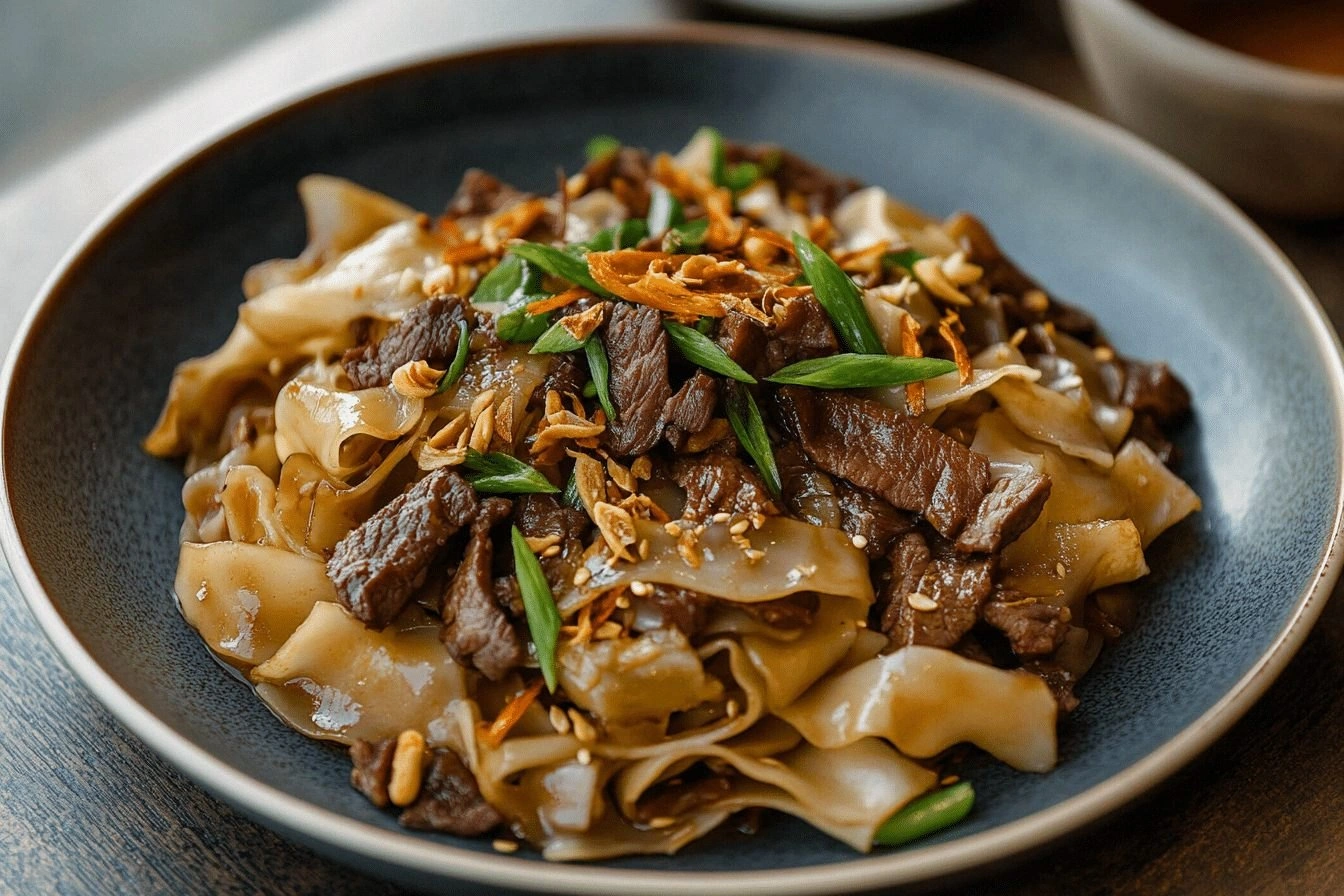
The first thing you notice is the steam curling off the pan, the metallic hiss as the oil reaches the perfect temperature, and the faint, sweet aroma of caramelized garlic. The noodles, already soaking in a light broth, catch the light and look like strands of silk. When you take a bite, the chew is just right—soft yet slightly chewy—while the beef offers a juicy, tender bite that melts in your mouth. The sauce clings to every noodle like velvet, and the green onions add a bright, fresh crunch that cuts through the richness. It’s a symphony of textures and flavors that play together in perfect harmony.
What makes this version stand out is a few deceptively simple twists: using fresh flat rice noodles instead of dried, a quick sear of beef to lock in juices, and a sauce that balances soy, oyster, and a hint of sugar for that sweet‑salty kiss. I’ve also added a dash of white pepper for a subtle kick that isn’t overpowering, and a final splash of fresh green onions for that herbal brightness that keeps the dish from feeling heavy. The result? A plate that looks like it’s been plated in a high‑end Vietnamese restaurant, yet you can make it in under an hour at home. I dare you to taste this and not go back for seconds.
If you’ve ever struggled with the balance of sauce and noodles, you’re not alone—and I’ve got the fix. The next part? Pure magic. Let’s dive in.
What Makes This Version Stand Out
- Freshness: Using fresh flat rice noodles instead of dried gives a silkier texture that absorbs sauce better and doesn’t clump.
- Protein Perfection: Thinly sliced beef is marinated briefly to keep it tender, and a quick sear locks in juices without overcooking.
- Umami Layering: Combining soy sauce, oyster sauce, and a touch of sugar creates a multi‑dimensional flavor profile that coats every noodle.
- Subtle Heat: A pinch of white pepper adds a gentle warmth that doesn’t overwhelm the delicate herbs.
- Fresh Herbs: Green onions provide a bright, crunchy contrast that lifts the dish.
- Speed & Simplicity: The entire process takes less than 45 minutes, making it ideal for busy weeknights.
- Make‑Ahead Friendly: The dish can be prepared ahead of time and reheated without losing texture.
- Crowd‑Pleaser: The combination of savory, sweet, and fresh notes makes it a hit with both kids and adults.
Alright, let's break down exactly what goes into this masterpiece. Below is a quick rundown of the ingredients, their roles, and why they’re essential.
Inside the Ingredient List
The Flavor Base
The sauce is the heart of this dish, and it’s built on a simple but powerful trio: soy sauce, oyster sauce, and sugar. Soy sauce brings depth and saltiness, while oyster sauce adds a subtle sweetness and a hint of brininess that’s characteristic of Vietnamese cooking. Sugar ties the flavors together, preventing the sauce from feeling too sharp. If you’re watching sodium, you can reduce the soy sauce by a tablespoon and compensate with a splash of fish sauce for umami.
The Texture Crew
Flat rice noodles are the star here. They’re thinner than traditional rice vermicelli but still have a satisfying bite. Soaking them briefly in hot water softens them just enough to absorb sauce without becoming mushy. If you can’t find fresh noodles, high‑quality dried flat noodles can be used; just soak them in boiling water for 3–4 minutes and drain. The beef should be sliced into bite‑sized pieces, thin enough to cook in seconds, which keeps the dish light and prevents the noodles from getting soggy.
The Unexpected Star
White pepper may seem like a minor detail, but it adds a subtle, almost citrusy heat that brightens the dish. Unlike black pepper, white pepper’s milder profile blends seamlessly into the sauce, giving you a gentle kick without the gritty texture. If you don’t have white pepper on hand, a pinch of black pepper will work, but be sure to use less to avoid overpowering the delicate flavors.
The Final Flourish
Green onions are the finishing touch. They add a fresh, crisp bite and a pop of color that makes the dish visually appealing. Slice them thinly and sprinkle them over the finished noodles right before serving to preserve their crunch. If you’re a fan of heat, a few drops of sriracha or a pinch of red pepper flakes can be added at the end for a spicy finish.
Everything’s prepped? Good. Let’s get into the real action.
The Method — Step by Step
- Heat the pan: Place a large wok or skillet over medium‑high heat and add 2 tablespoons of vegetable oil. Let the oil shimmer; it should be hot but not smoking. This creates a slightly crisp edge on the noodles later. The sizzle you hear is a cue that the pan is ready for the beef. If the oil starts to smoke, lower the heat for a moment and reheat before adding the next ingredient.
- Sear the beef: Toss the thinly sliced beef in a bowl with a pinch of white pepper and a splash of soy sauce. This quick marination adds flavor and keeps the meat juicy. Add the beef to the hot pan in a single layer; do not overcrowd. Let it sear for 30–45 seconds on each side until it’s just browned but still tender. Remove and set aside; the beef will finish cooking with the noodles.
- Garlic magic: In the same pan, add 4 minced garlic cloves. Sauté until fragrant, about 10–15 seconds. The garlic should release a sweet aroma but not brown. This brief step ensures you don’t get that bitter burnt garlic flavor that can ruin the dish.
- Introduce the sauce: Pour 4 tablespoons of soy sauce, 3 tablespoons of oyster sauce, and 1 tablespoon of sugar into the pan. Stir vigorously to combine. The mixture should bubble and thicken slightly, indicating the sugar has dissolved. This is the umami backbone that will coat every noodle strand.
- Soak the noodles: Add 400 grams of fresh flat rice noodles to the sauce. Gently toss to coat them evenly. The noodles should absorb the sauce but remain distinct; they should not clump together. Cook for 2–3 minutes, stirring constantly, until the noodles are heated through and slightly glossy. The texture should feel silky but not mushy.
- Reintroduce the beef: Return the seared beef to the pan. Toss everything together, ensuring the beef is evenly distributed. Cook for another 1–2 minutes so the beef absorbs some sauce but stays tender. The heat should be just enough to keep everything warm without overcooking the meat.
- Finish with green onions: Sprinkle 4 chopped green onions over the top. Give a final quick stir to distribute the freshness. The green onions add a bright, slightly crunchy contrast that lifts the dish.
- Plate and serve: Transfer the noodles to a serving bowl or plate. The sauce should cling to each strand, creating a glossy, savory coating. Garnish with an extra sprinkle of green onions if desired. Serve hot, and watch the steam rise like a fragrant cloud.
That’s it — you did it. But hold on, I've got a few more tricks that'll take this to another level.
Insider Tricks for Flawless Results
The Temperature Rule Nobody Follows
The key to a silky noodle texture is maintaining a high heat throughout the cooking process. If the pan cools down, the noodles will steam instead of sauté, leading to a soggy result. Keep the heat steady by using a gas stove or a high‑output electric burner, and don’t add too many ingredients at once.
Why Your Nose Knows Best
When the sauce starts to thicken and the garlic releases its aroma, that’s the moment you know everything is coming together. Don’t rush; let the aroma develop fully. A well‑aromatically rich sauce indicates that the sugar has caramelized slightly, adding depth to the umami.
The 5‑Minute Rest That Changes Everything
After you finish cooking, let the dish sit covered for 5 minutes before plating. This resting period allows the flavors to meld and the sauce to thicken to the perfect consistency. It also gives the noodles a chance to absorb any remaining liquid, enhancing their glossy finish.
The Quick Toss for Even Coating
Use a pair of tongs to toss the noodles gently but vigorously. This ensures every strand gets coated with sauce while preventing them from breaking. If you’re working with a large batch, divide the noodles into smaller portions to toss more efficiently.
The Secret Green Onion Trick
Hold the green onions in one hand and use the other to stir the noodles. This way, the onions stay fresh and crunchy because they’re added at the very end, just before serving. If you prefer a softer texture, you can sauté them briefly with the garlic.
Creative Twists and Variations
This recipe is a playground. Here are some of my favorite ways to switch things up:
Crispy Pork Twist
Swap the beef for thinly sliced pork shoulder. Marinate it with a bit of fish sauce and a pinch of sugar, then sear it until crisp on the edges. The pork’s natural fat adds a richer flavor, making the dish feel like a street food favorite.
Veggie‑Rich Version
Omit the meat entirely and add a medley of julienned carrots, bell peppers, and snow peas. Sauté the veggies until just tender before adding the sauce. The result is a colorful, low‑calorie dish that still delivers that umami punch.
Spicy Sriracha Kick
Incorporate 1–2 tablespoons of sriracha into the sauce for a fiery heat. The heat will mingle with the sweetness of the sugar, creating a balanced, bold flavor profile that’s perfect for spice lovers.
Herb‑Infused Variation
Add a handful of fresh cilantro and basil leaves right before serving. The herbs will add a fresh, aromatic layer that complements the savory sauce and brightens the dish.
Coconut Milk Creamy Finish
Replace half of the soy sauce with coconut milk to create a creamy, slightly sweet sauce. The coconut’s richness pairs wonderfully with the beef, turning the dish into a comforting bowl that feels like a fusion of Vietnamese and Thai flavors.
Breakfast Edition
Serve the noodles with a fried egg on top and a drizzle of hot sauce. The yolk adds a silky texture that’s a delightful twist for a quick, protein‑packed breakfast.
Storing and Bringing It Back to Life
Fridge Storage
Cool the noodles completely before refrigerating. Store them in an airtight container for up to 2 days. To keep the sauce from separating, place a thin layer of fresh green onions on top before sealing.
Freezer Friendly
For longer storage, portion the dish into freezer‑safe containers and freeze for up to 3 months. When ready to eat, thaw overnight in the refrigerator and reheat gently on the stove.
Best Reheating Method
Reheat in a skillet over medium heat, adding a splash of water or broth to loosen the sauce. Stir frequently until heated through. A tiny splash of water before reheating steams the noodles back to perfection, preventing them from drying out.
I’ve tested these storage methods and the result is always a dish that tastes almost brand‑new. The key is to keep the sauce from drying out, which is why that small splash of water works wonders.
Final thoughts: This dish is more than just a meal; it’s an experience. From the first sizzle to the last bite, every element is designed to delight. Whether you’re cooking for yourself or impressing friends, this recipe delivers on flavor, texture, and convenience. Give it a try, and I promise you’ll be back for seconds.