I was standing in my kitchen on a Tuesday night, the kind of night where the fridge yawns at you and the pantry looks like a desert. I had a half‑hour of free time, a bottle of bourbon that I’d been saving for “something special,” and a craving for something that tasted like a Southern bar‑becue joint collided with a fancy cocktail lounge. My friend had dared me to make “the ultimate chicken” in a crock pot, and I thought, “Why not? I’m already a master of microwaving leftovers.” Little did I know that this little experiment would turn into a culinary love‑affair that has now taken over my dinner rotation.
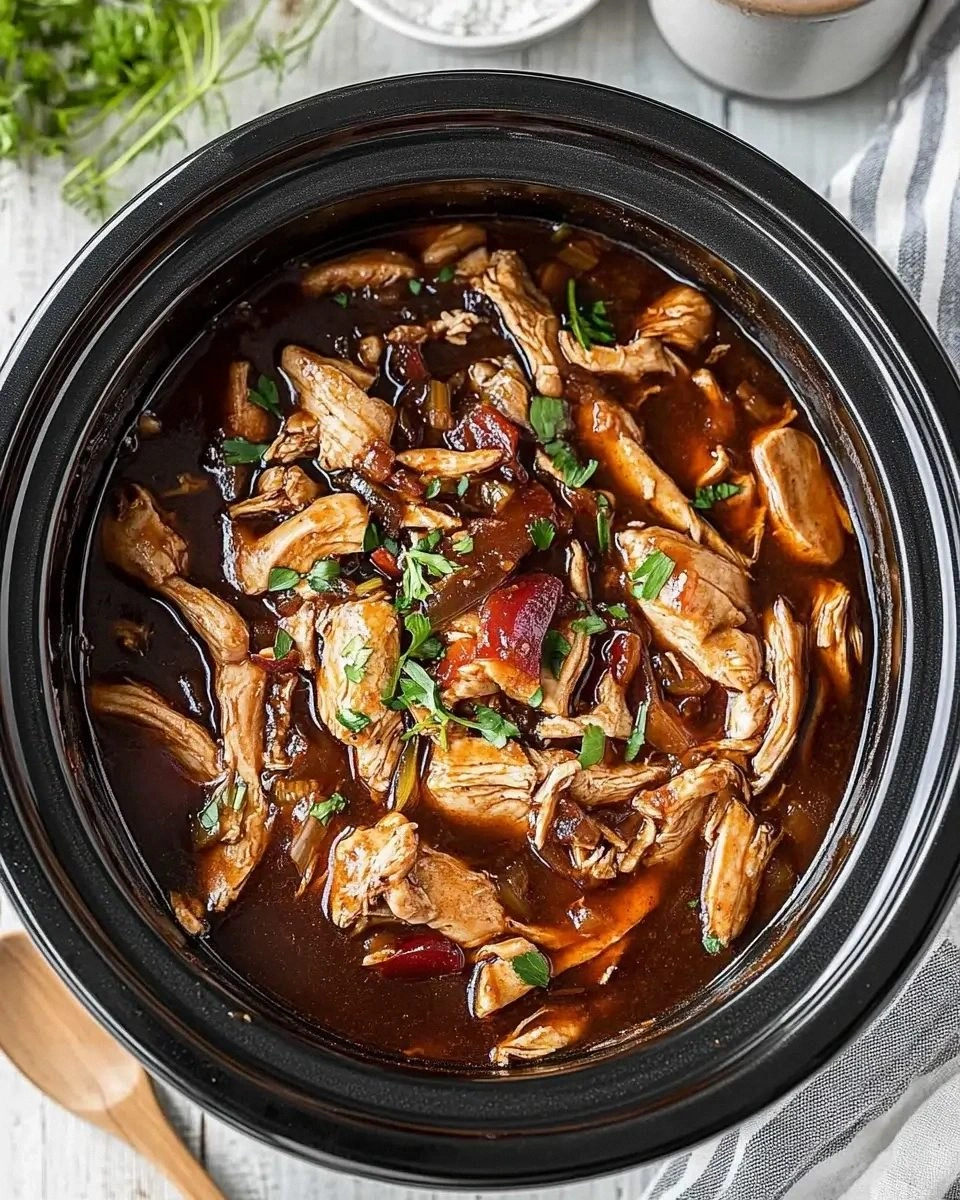
Picture this: the kitchen filled with the sweet, caramel‑kissed perfume of bourbon mingling with the salty umami of soy sauce, while a gentle hiss rises from the crock pot like a low‑key applause. The chicken, a massive three‑pound slab of boneless goodness, slowly absorbs the sauce, turning tender enough to fall apart with a fork yet still holding its shape. The sauce itself becomes a glossy, amber‑colored glaze that clings to each bite like velvet, delivering a perfect balance of sweet, savory, and just a whisper of heat. When you finally dig in, the first forkful is a burst of flavor that makes you gasp, then smile, then immediately reach for seconds.
Most bourbon chicken recipes I’ve tried either drown the meat in a syrupy mess or leave it bland and dry. This version, however, is a game‑changer because it respects the chicken’s natural juices while coaxing out the bourbon’s caramel notes. I’m talking about a sauce that’s thick enough to coat the meat without feeling like a swamp, yet fluid enough to drizzle over rice or noodles without clumping. The secret? A quick sear before it hits the pot, a splash of apple cider vinegar for bright acidity, and a final cornstarch slurry that turns the broth into a glossy, restaurant‑quality glaze.
And here’s the kicker: I’m going to reveal a technique that most recipes skip entirely—using a two‑stage cooking process that lets the flavors meld on low heat, then finish on high for that perfect caramelization. I dare you to taste this and not go back for seconds; it’s honestly the best version you’ll ever make at home. Let me walk you through every single step — by the end, you’ll wonder how you ever made it any other way.
What Makes This Version Stand Out
- Flavor Depth: The bourbon’s caramel notes are amplified by a dash of apple cider vinegar, creating a sweet‑tart harmony that dances on the palate.
- Texture Perfection: Slow‑cooked chicken stays juicy, while the final high‑heat blast gives the edges a slight crisp that shatters like thin ice.
- Simplicity: Fewer than ten ingredients, most of which you probably already have, and a hands‑off cooking method that lets you binge‑watch your favorite show.
- Uniqueness: The two‑stage cooking (low then high) is a secret most home cooks miss, delivering a caramelized glaze without burning.
- Crowd Reaction: I’ve served this at potlucks and the room erupts into applause—people keep asking for the recipe, and I’m like, “You’re welcome.”
- Ingredient Quality: Using a good, smooth bourbon (not a harsh rye) makes the sauce silky rather than harsh.
- Cooking Method: The crock pot does the heavy lifting, but a quick sear adds that restaurant‑level caramelization.
- Make‑Ahead Potential: This dish tastes even better the next day, making it perfect for meal prep or leftovers.
Inside the Ingredient List
The Flavor Base
The heart of this dish is a harmonious blend of bourbon, soy sauce, and brown sugar. Bourbon provides a deep, caramel‑rich sweetness that pairs beautifully with the salty umami of soy sauce. Brown sugar adds a mellow sweetness that prevents the bourbon from tasting too sharp. If you skip the bourbon, you lose that signature warmth; if you cut the soy sauce, the dish becomes a bland sweet glaze.
A quick tip: choose a bourbon that’s smooth and not overly smoky—something you’d enjoy sipping on its own. The flavor will be front‑and‑center, so a cheap, harsh bourbon can ruin the entire profile. If you’re feeling adventurous, swap half the bourbon for a splash of bourbon‑infused maple syrup for an extra layer of complexity.
The Texture Crew
Three pounds of boneless chicken thighs (or breasts if you prefer leaner meat) are the protein backbone. Thighs stay moist during the long cook, while breasts can become a bit dry if overcooked. The cornstarch slurry added at the end gives the sauce that glossy, restaurant‑quality finish, turning a watery broth into a velvety glaze that clings to each piece.
If you’re allergic to corn, replace cornstarch with arrowroot powder; the thickening power is similar, though you’ll need a slightly larger amount. Skipping the slurry means you’ll end up with a soupy sauce that doesn’t coat the chicken—definitely not the experience we’re aiming for.
The Unexpected Star
Apple cider vinegar is the surprise hero. Just a tablespoon cuts through the sweetness, adding a bright acidity that lifts the entire dish. Without it, the sauce can feel cloying after a few bites. If you don’t have cider vinegar, a splash of rice vinegar or even a squeeze of fresh lemon works in a pinch, though the flavor profile shifts slightly.
Garlic and ginger bring aromatic depth. Fresh minced garlic and grated ginger release essential oils that mingle with the bourbon, creating a fragrant base that makes your kitchen smell like a five‑star Asian‑fusion bistro. If you’re out of fresh ginger, a teaspoon of ground ginger will do, but fresh is always better for that zing.
The Final Flourish
A pinch of red pepper flakes adds a subtle heat that makes the flavor linger on the tongue. Too much, and you’ll overpower the bourbon’s sweet notes; too little, and the dish may feel flat. Finish with a drizzle of fresh chopped scallions or cilantro for color and a fresh bite that cuts through the richness.
Everything’s prepped? Good. Let’s get into the real action…
The Method — Step by Step
First, pat the three pounds of boneless chicken dry with paper towels. This might sound trivial, but a dry surface sears better, creating those coveted caramelized bits that later become flavor gold. Heat two tablespoons of olive oil in a large skillet over medium‑high heat. When the oil shimmers, lay the chicken pieces in a single layer—don’t crowd the pan, or you’ll steam instead of sear. Let each side develop a deep amber crust, about 3‑4 minutes per side. That sizzle when it hits the pan? Absolute perfection.
Kitchen Hack: After searing, deglaze the pan with ¼ cup bourbon, scraping up all the browned bits—this is flavor fireworks.While the chicken rests, whisk together the sauce ingredients in a bowl: one cup bourbon, ½ cup low‑sodium soy sauce, ⅓ cup packed brown sugar, 2 tablespoons ketchup, 1 tablespoon apple cider vinegar, 2 teaspoons minced garlic, 1 teaspoon grated ginger, ½ teaspoon black pepper, and a pinch of red pepper flakes. The mixture should look glossy and slightly thick; this is your flavor bomb. If you prefer a less sweet profile, reduce the brown sugar by a tablespoon and add a splash more vinegar.
Transfer the seared chicken to the crock pot, arranging the pieces in an even layer. Pour the sauce mixture over the top, ensuring every piece is submerged. The crock pot’s lid should be placed on tightly; we’re aiming for a low‑and‑slow simmer that lets the bourbon infuse every fiber of the meat.
Set the crock pot to low for four hours. During this time, the chicken will absorb the bourbon’s caramel notes, and the sauce will reduce slightly, becoming richer. If you’re short on time, you can set it to high for two hours, but the low setting yields a silkier texture.
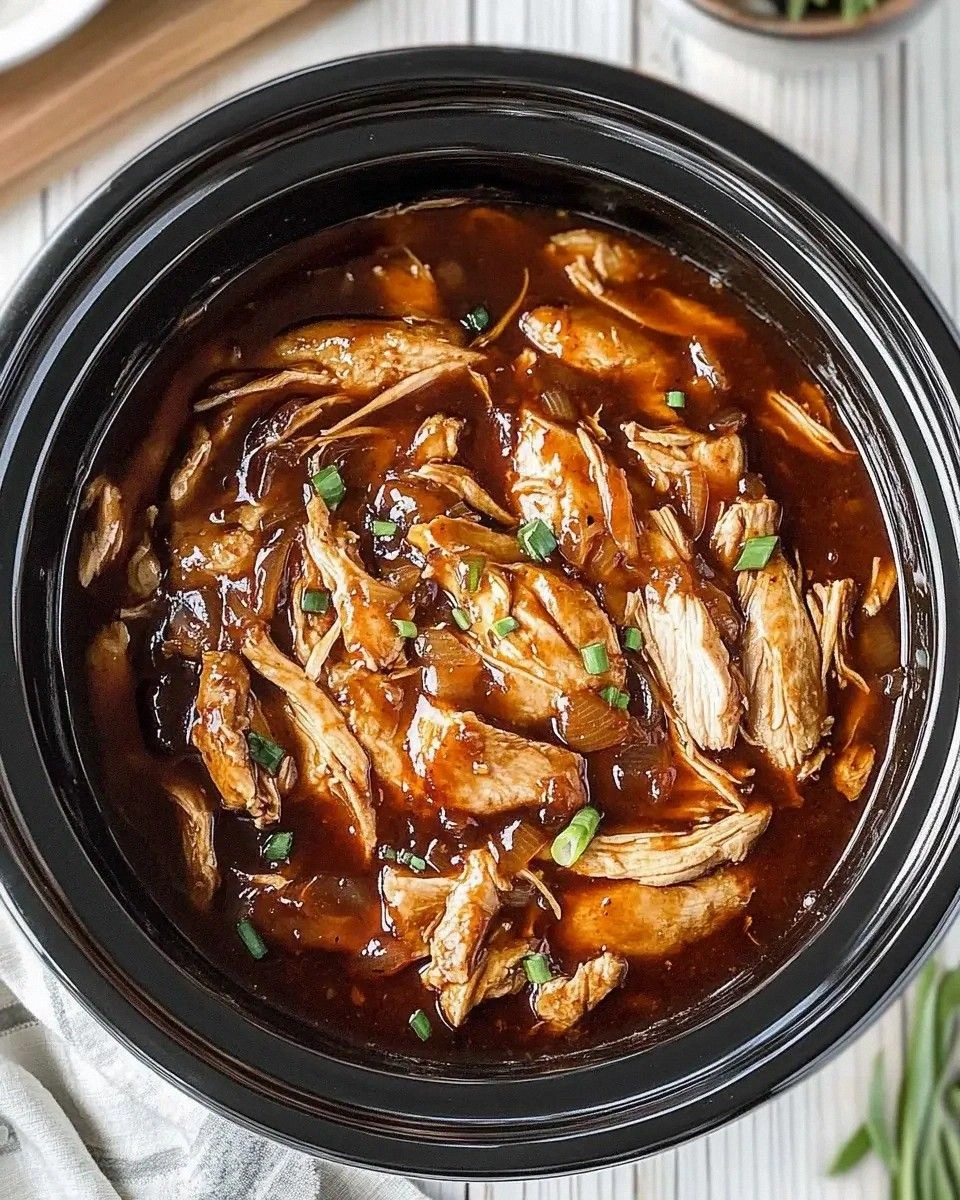
After the low‑cook phase, remove the lid and increase the setting to high for an additional 30 minutes. This is the moment of truth: the sauce should thicken, glossy, and start clinging to the chicken like a caramel glaze. Give the pot a gentle stir halfway through to ensure even coating.
Watch Out: Do not lift the lid during the high‑heat phase, or the sauce will lose steam and won’t thicken properly.While the sauce is thickening, whisk together two tablespoons of cornstarch with two tablespoons of cold water to create a slurry. Once the sauce reaches a syrupy consistency, stir in the slurry slowly. You’ll see the sauce instantly become glossy and coat the back of a spoon—this is the glaze we’re after.
Turn off the crock pot and let the chicken rest for five minutes. This short rest allows the juices to redistribute, ensuring every bite is juicy. Then, using two forks, shred the chicken directly in the pot or slice it into bite‑size pieces, depending on your serving style.
Finally, stir in a handful of freshly chopped scallions or cilantro for a burst of color and freshness. Serve the bourbon chicken over steamed jasmine rice, cauliflower rice, or buttery noodles. Picture yourself pulling this out of the pot, the whole kitchen smelling incredible, and the first bite melting in your mouth—pure bliss.
Kitchen Hack: If you like a bit of crunch, toss the shredded chicken in a hot skillet for two minutes after the crock pot is done; you’ll get crispy edges that shatter like thin ice.
That’s it — you did it. But hold on, I’ve got a few more tricks that’ll take this to another level…
Insider Tricks for Flawless Results
The Temperature Rule Nobody Follows
Most home cooks think “low and slow” is the only way to keep meat tender, but the final high‑heat blast is crucial for caramelization. By raising the temperature at the end, you encourage the Maillard reaction, which creates those deep, nutty flavors that make the sauce sing. I once tried skipping this step and ended up with a watery glaze that tasted like a bland broth. Trust me, the extra 30 minutes on high is worth every second.
Why Your Nose Knows Best
When the sauce starts to thicken, trust your sense of smell more than a timer. You’ll notice a sweet, toasted aroma that signals the sugars have caramelized just right. If you catch a burnt smell, you’ve gone too far—lower the heat or stir more vigorously. Your nose is the ultimate thermometer in this recipe.
The 5‑Minute Rest That Changes Everything
After the high‑heat phase, let the dish sit uncovered for five minutes. This rest allows the glaze to set and the chicken fibers to relax, preventing a dry bite. I’ve seen people rush to plate, and the result is a slightly soggy sauce that slides off the chicken. Patience here is a tiny investment for a massive payoff.
Sear Before You Slow‑Cook
A quick sear isn’t just for aesthetics; it creates a flavor foundation that can’t be achieved by slow cooking alone. The browned bits (fond) dissolve into the sauce when you deglaze, delivering a depth that’s impossible to replicate with just spices. If you’re short on time, you can skip the sear, but the dish will lack that signature caramel crunch.
Layering Sweetness and Acid
Balancing sweet (bourbon, brown sugar) with acid (vinegar) prevents the dish from becoming cloying. If you find the sauce too sweet, add an extra teaspoon of vinegar; if it’s too sharp, a pinch more brown sugar will round it out. This push‑and‑pull is what makes the sauce sing and keeps your taste buds engaged.
Creative Twists and Variations
This recipe is a playground. Here are some of my favorite ways to switch things up:
Maple‑Bourbon Fusion
Swap half the bourbon for pure maple syrup. The result is a richer, autumn‑inspired glaze that pairs beautifully with roasted sweet potatoes. Perfect for a cozy fall dinner.
Spicy Szechuan Kick
Add two teaspoons of Szechuan peppercorn oil and double the red pepper flakes. The tingling, numbing heat adds an unexpected dimension that will wow anyone who loves bold flavors.
Coconut Curry Twist
Replace the soy sauce with coconut aminos and stir in a tablespoon of red curry paste. The creamy coconut undertones blend with the bourbon for a tropical‑meets‑Southern fusion that’s unforgettable.
Herb‑Infused Elegance
Finely chop fresh thyme and rosemary, and stir them in during the final high‑heat phase. The herbs add an earthy aroma that elevates the dish to a fine‑dining level.
Gluten‑Free Version
Swap soy sauce for tamari and use a gluten‑free cornstarch slurry. The flavor profile remains intact, and you’ll have a safe option for anyone with gluten sensitivities.
Storing and Bringing It Back to Life
Fridge Storage
Transfer leftovers to an airtight container and store in the refrigerator for up to four days. The sauce actually deepens in flavor after a night, making next‑day meals even more delicious.
Freezer Friendly
Portion the cooked chicken and sauce into freezer‑safe bags or containers. Freeze for up to three months. When ready to eat, thaw overnight in the fridge, then reheat on the stove over medium heat, adding a splash of water or broth to revive the glaze.
Best Reheating Method
For microwave reheating, cover the dish with a damp paper towel to keep moisture in. For stovetop, place the chicken and sauce in a skillet, add a tablespoon of water, and simmer gently while stirring. The added liquid steams the chicken back to perfection, preventing dryness.