I was standing in my kitchen, watching the clock tick toward midnight, when I realized I’d left the shrimp in the fridge for an extra day. The smell of garlic had already begun to waft through the air, a promise of something delicious. I stared at the shrimp, feeling a mix of excitement and a pinch of guilt—after all, nobody likes a food safety faux pas. But then I thought, “What if I could turn this into a culinary masterpiece that tastes like a summer sunset?”
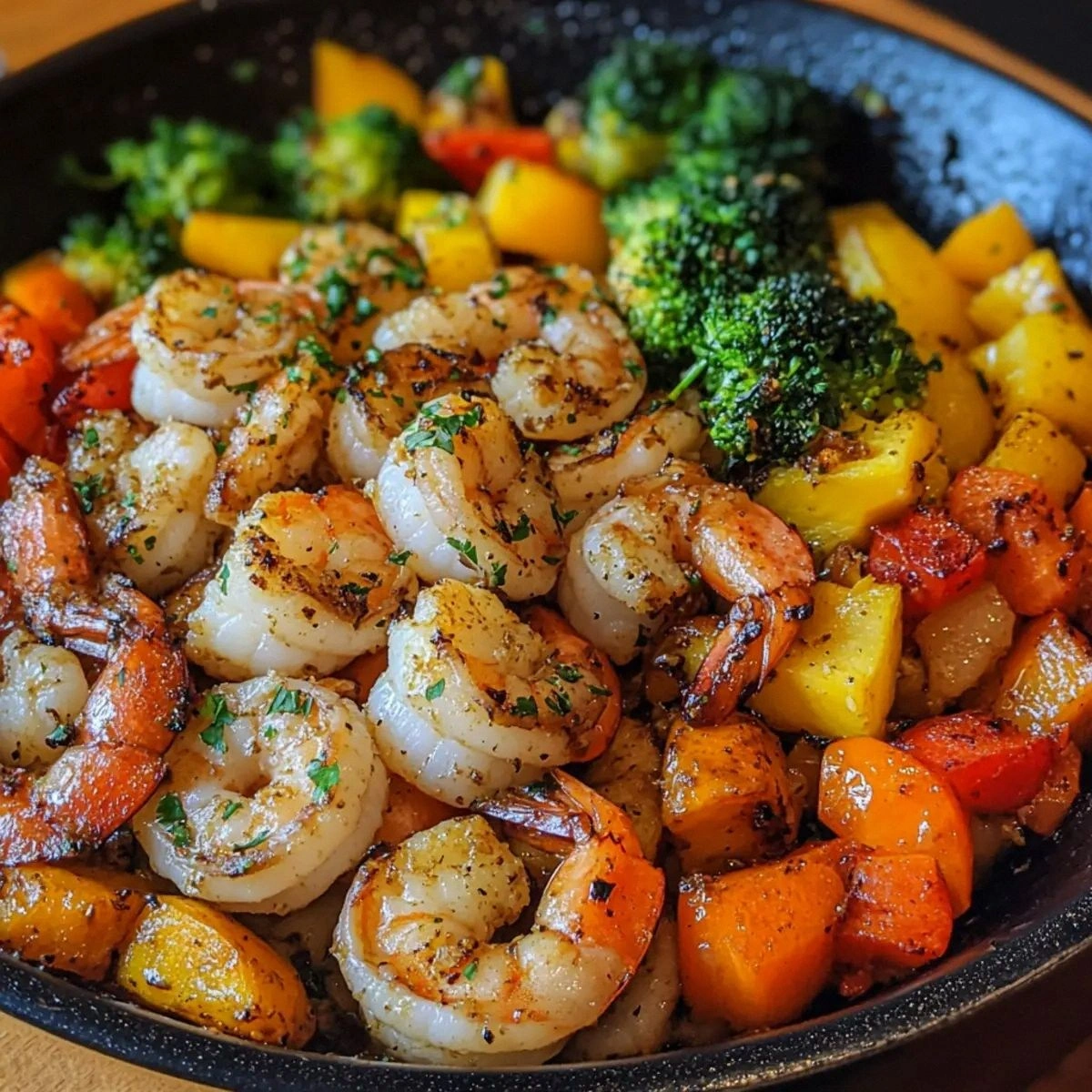
The first thing you notice is the bright, almost neon burst of colors—crimson cherry tomatoes, emerald spinach, and the pale ivory of the shrimp. The air fills with the sharp, sweet scent of fresh garlic, mingling with the buttery aroma that starts to form as the butter melts. When the shrimp hits the pan, you hear that satisfying sizzle, like a tiny drumroll announcing the main act. The texture is a dance of tender, plump shrimp against crisp, slightly caramelized veggies. And the taste? It’s a symphony of buttery richness, bright citrus, and a subtle heat that lingers just enough to make you crave another bite.
What sets this version apart from the countless “shrimp in garlic butter” recipes you’ll find online is the deliberate layering of flavors and the strategic use of vegetables that not only add color but also balance the richness. I dared you to taste this and not go back for seconds—trust me, you’ll find yourself reaching for a second plate before the first even finishes. The secret? A splash of lemon juice at the very end that cuts through the butter, a pinch of red pepper flakes that adds just the right kick, and a handful of fresh parsley that brightens everything. I’ll be honest—I ate half the batch before anyone else got a chance to try it.
Picture yourself pulling this out of the skillet, the whole kitchen smelling incredible, and knowing that you’ve just created a dish that could win a dinner party or a quick weekday meal. This isn’t just about cooking; it’s about creating an experience that stays in your memory. The next part? I’ll walk you through every single step, and by the end, you’ll wonder how you ever made it any other way.
What Makes This Version Stand Out
- Flavor Profile: The combination of garlic butter with a bright lemon finish creates a taste that feels both indulgent and refreshing. The subtle heat from red pepper flakes adds depth without overpowering.
- Texture Contrast: Crispy edges of sautéed bell peppers and zucchini contrast beautifully with the tender shrimp, giving each bite a satisfying bite.
- Simplicity: With only 12 ingredients and a single pan, you can have dinner ready in under 45 minutes. No fuss, no cleanup.
- Vegetable Integration: Every vegetable is chosen for its color, flavor, and cooking time, ensuring a harmonious medley that doesn’t drown the shrimp.
- Audience Appeal: Whether you’re a seasoned chef or a beginner, the steps are clear, the flavors universal, and the presentation wow‑worthy.
- Ingredient Quality: Fresh, high‑quality shrimp and seasonal veggies make the difference; the dish is as good as the ingredients.
- Cooking Method: The technique of searing shrimp first and then deglazing the pan with lemon juice locks in juices and prevents over‑cooking.
- Make‑Ahead Potential: You can prepare the veggies ahead of time and reheat the shrimp just before serving for a stress‑free dinner.
Alright, let's break down exactly what goes into this masterpiece...
Inside the Ingredient List
The Flavor Base
Butter is the foundation of this dish, providing a rich, silky mouthfeel that carries the garlic’s punch. Unsalted butter allows you to control the salt level precisely, ensuring the dish doesn’t become overly salty. If you’re watching sodium, swap for a low‑sodium butter or a neutral oil, but keep the butter for that classic flavor. A tip: use a tablespoon of butter per pound of shrimp to avoid greasy excess.
Garlic is the soul of the sauce; its aroma is the first thing that tells you this meal is about to happen. Fresh cloves are essential—roasted or pre‑minced garlic loses the bright, sweet character. For a milder taste, reduce the cloves to three, but you’ll miss that garlic punch. If you’re short on time, a good quality garlic paste can work, just be mindful of the texture.
The Texture Crew
Bell peppers add crunch and a sweet pop that balances the buttery shrimp. Choose red or yellow for maximum sweetness; green peppers add a slight bitterness that can be interesting if you like a complex flavor. Slice them into thin strips to ensure quick cooking and even coating in the sauce. If you’re allergic to bell peppers, a handful of sliced carrots or snow peas can provide a similar bite.
Zucchini, with its mild flavor, absorbs the sauce beautifully. Cutting it into half‑moon slices allows it to cook quickly and stay tender. If you prefer a heartier vegetable, replace zucchini with sliced eggplant or diced sweet potato, but adjust cooking time accordingly. Remember, zucchini can release water; pat it dry before cooking to avoid a soggy pan.
The Unexpected Star
Cherry tomatoes burst with sweetness and acidity, cutting through the richness of the butter. Their small size means they cook fast, so keep an eye on them to prevent mushiness. If you’re looking for a different flavor profile, try sun‑dried tomatoes or roasted cherry tomatoes for a deeper, caramelized taste. The key is to let them soften just enough to release juices without falling apart.
Spinach is the green that ties everything together. Its delicate flavor is amplified by the butter and garlic, creating a silky, earthy base. Sautéing spinach last ensures it remains vibrant and retains nutrients. If you’re vegan, replace spinach with kale or collard greens; the texture will change but the dish remains hearty.
The Final Flourish
Fresh parsley provides a bright, herbal note that lifts the entire dish. It also adds a pop of color that makes the plate visually stunning. If parsley is out of season, a handful of cilantro or basil can offer a different herbal twist. A pinch of sea salt at the end of cooking balances flavors and brings out the sweetness in the veggies.
Grated Parmesan gives a salty, nutty finish that contrasts nicely with the buttery sauce. It also helps thicken the sauce slightly, giving it a velvety coat over the shrimp. For a dairy‑free version, sprinkle nutritional yeast or a vegan parmesan alternative. The key is to add it at the end to keep it from melting into the pan.
Everything's prepped? Good. Let's get into the real action...
The Method — Step by Step
- Heat a large skillet over medium‑high heat. Add 1 tablespoon of butter, letting it melt until foamy but not browned. This creates a flavorful base that will keep the shrimp from sticking. Watch the butter; if it starts to turn golden, reduce the heat slightly to avoid burning.
- Season the shrimp with salt, pepper, and 1/4 teaspoon of red pepper flakes. Toss them in a bowl until coated. The pepper flakes should be evenly distributed so each shrimp receives a subtle heat. If you’re sensitive to spice, reduce the flakes to a pinch.
- Sear the shrimp in the hot skillet for 2 minutes on each side, or until they turn pink and opaque. Do not overcrowd the pan; this ensures a beautiful sear instead of steaming. When the shrimp are nearly done, remove them and set aside on a plate.
- Add the remaining tablespoon of butter to the pan, then toss in the sliced bell peppers and zucchini. Sauté for 3 minutes until they start to soften but still hold a bite. The vegetables will absorb the buttery garlic essence, creating a cohesive flavor profile.
- Introduce the cherry tomatoes and cook for an additional 2 minutes until they burst slightly, releasing their juices. The tomatoes’ sweetness will balance the savory shrimp and buttery sauce.
- Stir in the garlic, minced finely, and sauté for 30 seconds until fragrant. The garlic should smell sharp, not burnt; if it smells bitter, it’s overcooked.
- Return the shrimp to the skillet, and pour in the lemon juice. Stir everything together, letting the lemon juice deglaze the pan and lift the browned bits. The acidity will cut through the richness and brighten the dish.
- Add the spinach and let it wilt, about 1 minute. The spinach will add a green pop and a boost of nutrients. Keep it moving to prevent it from sticking to the pan.
- Finish with fresh parsley and grated Parmesan, stirring until the cheese melts into a silky coating. Taste and adjust seasoning if necessary. The final dish should have a glossy, buttery sheen.
- Serve immediately over rice, pasta, or crusty bread to soak up the buttery sauce. The dish is best enjoyed hot, with a side of fresh salad or a glass of crisp white wine.
That’s it — you did it. But hold on, I’ve got a few more tricks that will take this to another level...
Insider Tricks for Flawless Results
The Temperature Rule Nobody Follows
Maintaining medium‑high heat is crucial; if the pan is too hot, the butter burns and the shrimp overcooks. If it’s too cool, the shrimp will release water and steam instead of searing. I always keep a thermometer handy and aim for 350‑375°F. This ensures a perfect sear with a golden crust.
Why Your Nose Knows Best
As the shrimp cooks, the aroma will shift from raw to savory. Trust that scent; it signals the shrimp’s doneness. When the smell is buttery with a hint of garlic, the shrimp are ready to be removed. If the scent is too sharp, the shrimp might still be raw inside.
The 5‑Minute Rest That Changes Everything
Letting the shrimp rest for 5 minutes after cooking allows the juices to redistribute. This step prevents them from drying out when you cut into them. I’ve seen shrimp that look perfect on the skillet but feel dry when served; the rest solves that problem.
Balancing Sweetness and Heat
If you prefer a sweeter dish, add a tablespoon of honey or a splash of balsamic glaze at the end. For extra heat, increase the red pepper flakes to a teaspoon, but keep in mind that the lemon juice will mellow the spice.
Cheese Alternatives for Dairy‑Free Versions
Replace Parmesan with nutritional yeast or a vegan cheese blend to keep the dish dairy‑free while still adding that nutty flavor. The key is to sprinkle it in the last minute so it melts without becoming too runny. This tweak keeps the sauce silky and the dish cohesive.
Using Fresh vs. Frozen Shrimp
Fresh shrimp cook faster and retain a better texture. Frozen shrimp should be thawed completely and patted dry before cooking to avoid excess water. I’ve used both and found that fresh shrimp deliver a more delicate flavor profile.
Creative Twists and Variations
This recipe is a playground. Here are some of my favorite ways to switch things up:
Spicy Cajun Shrimp
Swap the red pepper flakes for a tablespoon of Cajun seasoning. The smoky, peppery flavor adds depth and pairs beautifully with the buttery sauce. This version is perfect for a weekend brunch.
Herb‑Infused Shrimp
Add a handful of fresh thyme or oregano when you sauté the garlic. The aromatic herbs bring a Mediterranean vibe, especially when served with crusty bread.
Vegetarian Version
Omit the shrimp and increase the vegetables. Add a scoop of cooked chickpeas for protein. The dish becomes a hearty, plant‑based meal that still feels indulgent.
Asian Fusion
Replace the lemon juice with rice vinegar and add a tablespoon of soy sauce. Toss in a handful of sliced bamboo shoots for crunch. Serve over jasmine rice for a complete Asian‑inspired plate.
Low‑Carb Twist
Serve over cauliflower rice or zucchini noodles to keep carbs low. The veggies will still soak up the buttery sauce, giving you a guilt‑free dinner.
Cheesy Delight
Sprinkle shredded mozzarella on top of the skillet during the last minute of cooking. The cheese will melt into a gooey layer, adding a comforting, melty texture.
Storing and Bringing It Back to Life
Fridge Storage
Cool the skillet dish completely before transferring to an airtight container. Store in the fridge for up to 2 days. The buttery sauce may thicken slightly; just stir before serving.
Freezer Friendly
For longer storage, divide the dish into individual portions and freeze for up to 3 months. Use freezer‑safe bags or containers. Thaw overnight in the fridge before reheating.
Best Reheating Method
Reheat in a skillet over low heat, adding a splash of water or broth to loosen the sauce. Stir until warmed through. This technique keeps the shrimp juicy and the sauce glossy.